
1. It’s Basically One Long Vacation

On short trips, RV travel can feel like a rolling holiday with new views every morning. On longer trips, the routine kicks in and it starts to feel more like daily life with wheels. You still have to plan meals, manage laundry, track expenses, and deal with the occasional bad mood day. The myth collapses because extended travel replaces novelty with normalcy.
That doesn’t mean it’s bad, but it’s different than the postcard version. You’ll have days where you don’t want to move, explore, or even look at another scenic overlook. Long trips teach you that RV life includes boredom and rest days, not just adventure. That realism is exactly why people who last learn to pace themselves.
2. RV Travel Is Always Cheaper Than Hotels
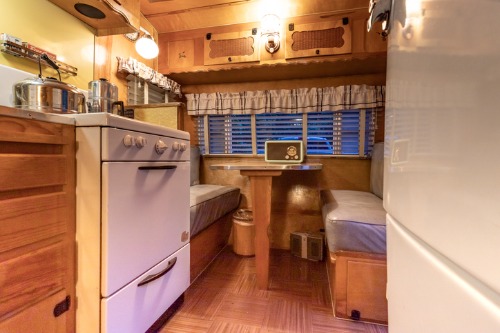
Weekend trips can make RVing look like a major money-saver. Over months on the road, fuel, campground fees, maintenance, and repairs add up fast. Long-distance driving especially makes fuel one of the largest recurring costs. The savings myth fades when you track real expenses over time.
Campgrounds in popular areas often cost as much as mid-range hotels. Repairs don’t wait for convenient moments, and labor costs can be high if you’re not DIY-inclined. Insurance, registration, and replacement parts are ongoing realities. Long trips expose the full financial picture instead of the highlight reel.
3. You Can Park Just About Anywhere
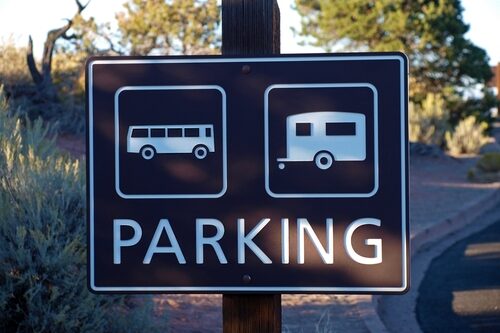
Early on, it can seem like there are endless places to stop for the night. Over time, you learn that many areas restrict overnight parking or enforce local ordinances. Even places that allow it may be noisy, unsafe, or patrolled. The freedom myth collapses as rules become more visible.
Longer trips force you to plan ahead more than expected. Seasonal crowds, local enforcement changes, and community pushback all affect where you can stay. Apps help, but they’re not guarantees. Eventually, you realize parking freedom exists, but it’s conditional and inconsistent.
4. Boondocking Is Always Free and Easy
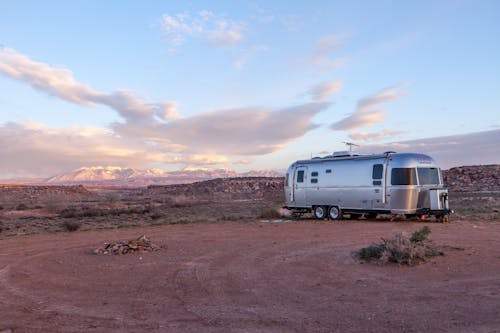
Boondocking sounds like unlimited free camping in beautiful places. On longer trips, you learn it often comes with trade-offs like limited water, no hookups, and longer drives to supplies. Some areas require permits or have stay limits. The simplicity myth fades once logistics pile up.
Extended boondocking also demands careful power and waste management. Solar doesn’t work equally well in all weather or seasons. Dump stations may be far away or inconvenient. Over time, free camping proves doable, but rarely effortless.
5. Reliable Internet Is a Given Now

A few good connections can make it feel like connectivity is solved. Longer trips reveal how uneven cell coverage really is, especially in rural or scenic areas. Congestion, weather, and tower placement all affect signal quality. The myth collapses the first time work or plans hinge on a weak connection.
Even with boosters and multiple carriers, outages happen. Campground Wi-Fi is often overloaded or poorly maintained. Remote work becomes a constant balancing act, not a guarantee. Long-term travelers learn to plan around connectivity gaps, not assume them away.
6. RVs Don’t Need Much Maintenance

Short trips rarely reveal how much wear constant movement causes. On long trips, things loosen, crack, leak, and break with regularity. Tires age, seals fail, and appliances act up from vibration alone. The low-maintenance myth disappears quickly.
Preventive care becomes part of your routine. You start listening for new noises and checking systems more often. Repairs aren’t optional when your home depends on them. Long trips turn maintenance into a lifestyle skill, not an occasional chore.
7. Weather Barely Matters When You’re Mobile

It’s easy to assume you can just drive away from bad weather. Longer trips reveal how often weather dictates comfort, safety, and costs. Extreme heat, cold, wind, and storms all affect RV systems and drivability. The flexibility myth fades when weather patterns linger.
Heating and cooling systems struggle in extremes. Condensation, frozen hoses, and overheating are real issues. Even moving isn’t always possible due to road conditions or campground availability. Long-term travel teaches respect for forecasts and seasonal planning.
8. Traveling With Pets Is Simple

Pets often love RVs at first because you’re together more. Over longer trips, their needs become more complex. Finding pet-friendly campgrounds, vets, and safe exercise areas takes effort. The simplicity myth breaks when routines are disrupted.
Weather limits how long pets can safely stay inside alone. Some parks restrict breeds or sizes. Emergencies are harder when you’re far from familiar providers. Long trips show that pets can thrive on the road, but only with extra planning.
9. Fuel Costs Are a Minor Detail
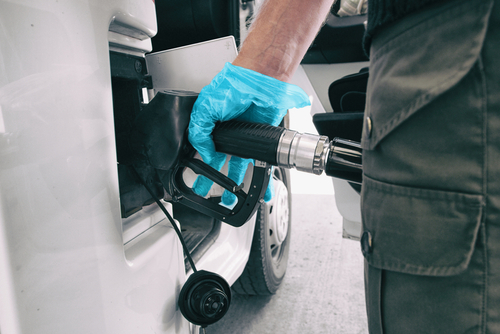
Short hops don’t make fuel feel significant. Over long distances, fuel becomes one of the most predictable and largest expenses. Wind, terrain, and speed all affect mileage more than many expect. The minor-cost myth collapses at the pump.
Towing or driving larger rigs magnifies the impact. Fuel planning starts to influence route choices and travel pace. Detours suddenly feel expensive instead of spontaneous. Long trips turn fuel into a constant budgeting consideration.
10. Having a Bathroom Solves Everything

An onboard bathroom feels like total freedom at first. Over time, managing tanks becomes a recurring responsibility. Dump stations aren’t always convenient, clean, or open when you need them. The problem-solved myth fades fast.
Water usage must be monitored daily. Odors, clogs, and sensor issues happen regularly. Long trips make you very aware of how much infrastructure that small bathroom actually depends on. It’s freeing, but not carefree.
11. You Can Change Plans Instantly Anytime

Early RV trips can feel wonderfully spontaneous. Longer trips reveal how reservations, weather, maintenance, and costs limit flexibility. Popular destinations often book weeks or months ahead. The instant-change myth collapses under real-world constraints.
Even changing plans mid-route can have ripple effects. Fuel costs rise, availability drops, and stress increases. Long-term RVers still stay flexible, but in a strategic way. Experience teaches that freedom works best with a loose plan underneath it.
This post RV Lifestyle Myths That Collapse on Longer Trips was first published on Greenhouse Black.
