
1. Ignoring Your RV’s Weight Limits

It’s easy to load an RV until every cabinet feels useful, but weight adds up fast. Exceeding the GVWR or axle ratings stresses suspension, brakes, and tires in ways you won’t see right away. The RV may still drive fine on short trips, which makes the mistake feel harmless. Over time, though, components wear faster and failures get more expensive.
This mistake follows you because weight-related damage is cumulative. Frames can flex, seals can open, and braking distances increase without much warning. Even if you later unload, the wear already happened. When problems show up years later, the root cause is often forgotten.
2. Letting Tires Age Out Instead of Wear Out
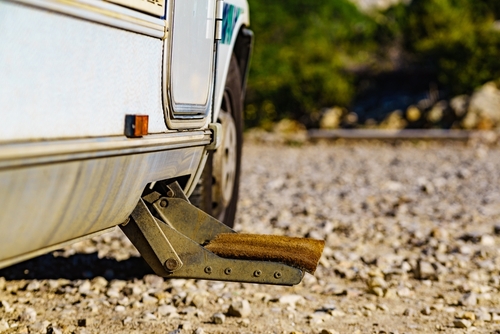
RV tires usually age out before the tread is gone. Rubber degrades from UV exposure and time, even if the RV barely moves. Most manufacturers recommend replacement around five to seven years based on the DOT date. Blowouts from old tires can cause body damage in seconds.
The long-term effect is financial and structural. A single blowout can rip wiring, plumbing, and wheel wells. Insurance may not fully cover damage if tires were clearly past service life. That one skipped tire replacement can haunt the RV’s resale value too.
3. Skipping Regular Roof Inspections
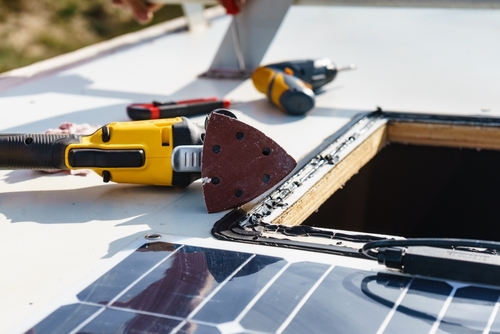
RV roofs are exposed to sun, rain, branches, and temperature swings. Sealants around vents and seams dry out and crack gradually. Small leaks rarely show up as drips at first. Instead, water spreads inside walls and ceilings.
This mistake lingers because water damage is slow and hidden. By the time stains appear, rot or mold may already exist. Repairs are far more invasive than simple resealing would have been. Even after fixing it, prior damage can reduce long-term durability.
4. Not Properly Winterizing the Water System
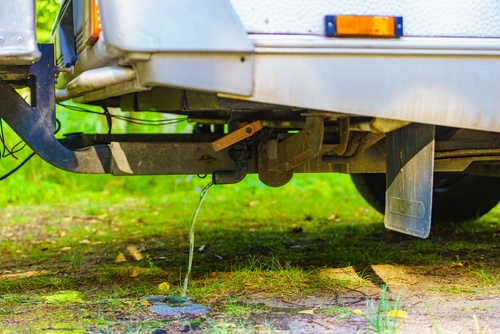
Water expands when it freezes, and RV plumbing is not designed to handle that pressure. Missing one low-point drain or valve can crack fittings behind walls. The damage often goes unnoticed until spring. Then leaks appear as soon as the system is pressurized.
The consequences stick around because water damage compounds. Repeated seasonal leaks weaken floors and substructures. Plumbing repairs can require tearing out cabinets or panels. A rushed winterizing job can create years of small, annoying problems.
5. Neglecting Battery Maintenance
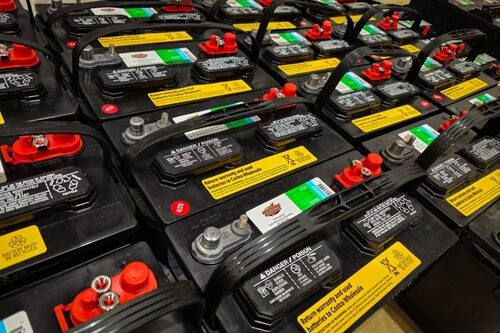
RV batteries need regular attention, especially lead-acid types. Low water levels, corrosion, and improper charging shorten their lifespan. A weak battery strains converters and inverters. Electrical issues often start subtly with flickering lights.
This mistake follows you because electrical reliability affects everything. Premature battery failure means unexpected replacements and troubleshooting. Poor battery health can damage other electrical components over time. Even after upgrading, bad habits tend to repeat if not corrected.
6. Overloading Electrical Circuits at Campgrounds
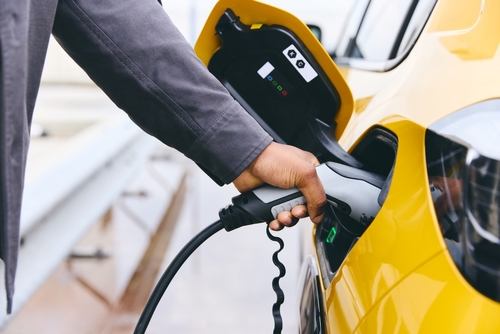
Many RVs run on 30-amp or 50-amp service with real limits. Running multiple high-draw appliances at once can trip breakers or overheat wiring. Adapters don’t increase available power, even if they fit. The system may seem fine until it isn’t.
The long-term issue is heat-related damage. Repeated overheating weakens plugs, cords, and internal connections. Melted connectors can become safety hazards. Electrical repairs are often costly and inconvenient.
7. Poor Waste Tank Habits
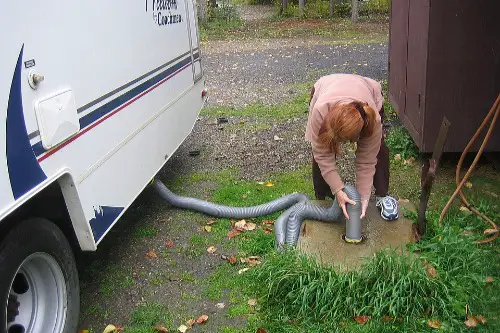
Leaving the black tank valve open feels convenient but causes problems. Liquids drain away while solids remain, creating buildup. Sensors become inaccurate over time. Odors become harder to control.
This mistake sticks with you because tank issues are unpleasant and persistent. Hardened waste is difficult to remove without professional help. Chronic sensor problems affect daily RV use. Good habits early prevent years of frustration later.
8. Ignoring Slide-Out Maintenance

Slide-outs rely on seals, tracks, and mechanisms working together. Dirt and debris accelerate wear if not cleaned. Dry seals can crack and allow water intrusion. Misalignment often starts small.
The impact lasts because slide-outs are complex systems. Minor neglect can lead to motor or structural failures. Water entering around slides spreads into floors and walls. Repairs are rarely quick or cheap.
9. Improper Hitching and Towing Setup
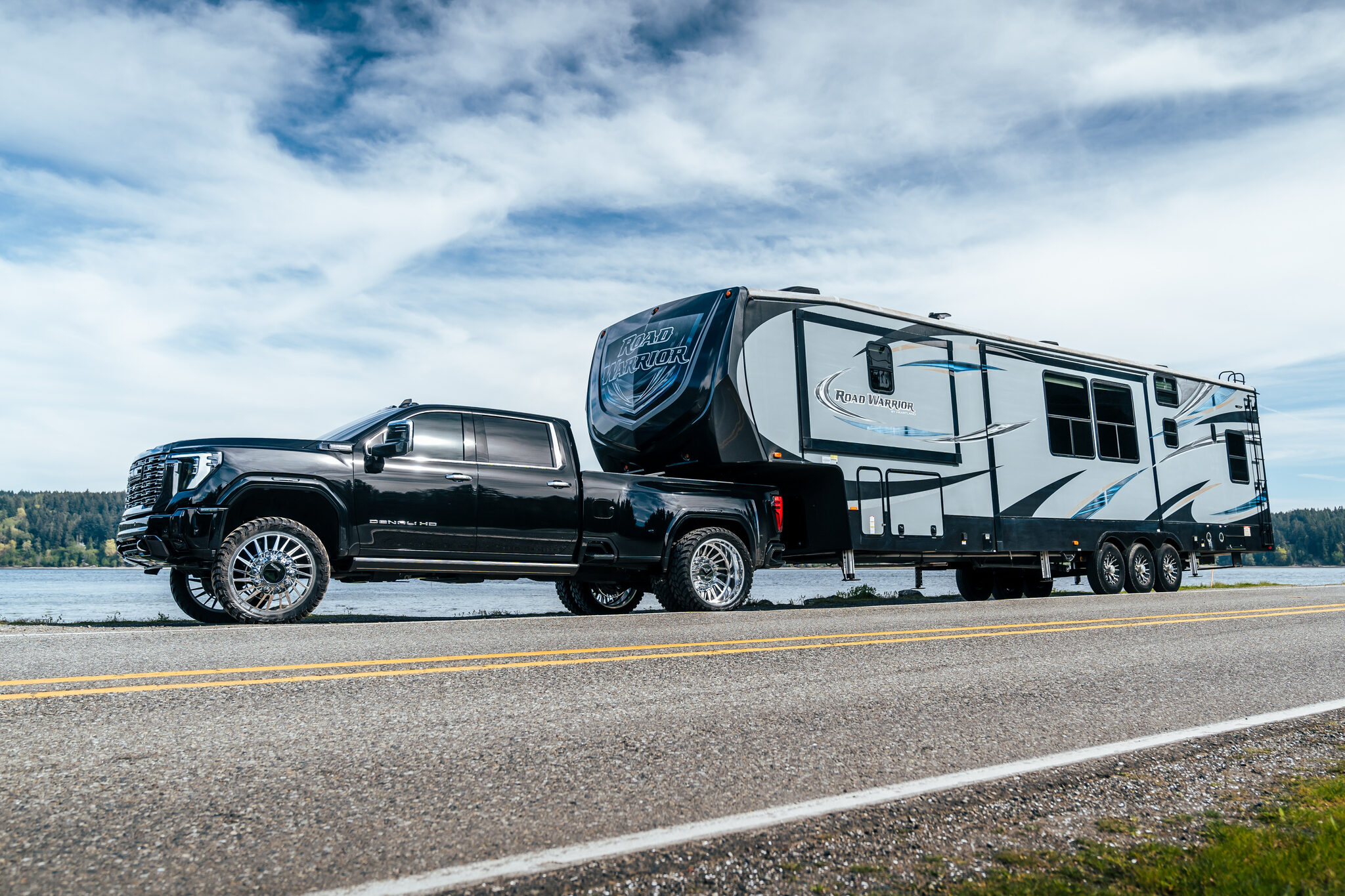
Correct hitch height, weight distribution, and sway control matter. An unbalanced setup stresses the tow vehicle and trailer frame. Handling issues may feel manageable at first. Emergency maneuvers become far more dangerous.
This mistake follows you through uneven tire wear and suspension damage. Frame stress can cause long-term alignment problems. Even after correcting the setup, earlier damage remains. Safe towing habits protect both vehicles for years.
10. Skipping Propane System Checks
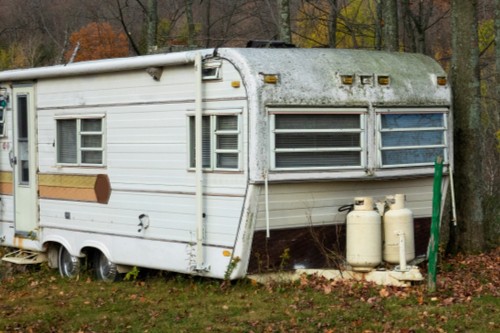
Propane systems should be inspected regularly for leaks and regulator issues. Hoses age and fittings loosen with vibration. Leaks aren’t always obvious by smell alone. Appliances may perform poorly before failing.
The long-term concern is safety and reliability. Undetected leaks increase fire risk over time. Inefficient combustion can damage appliances. A simple annual check prevents lingering hazards.
11. Storing the RV Without Pest Prevention
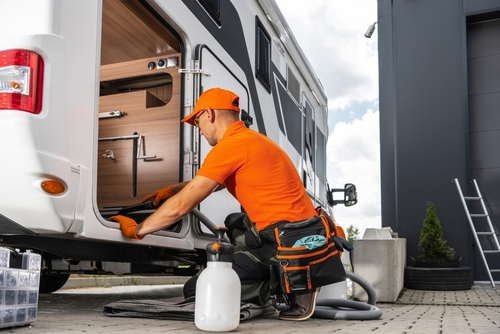
Stored RVs are attractive shelters for rodents and insects. Small openings invite nesting in engines, walls, and ducting. Damage often happens quietly during off-seasons. Wiring and insulation are common targets.
This mistake lingers because pest damage is widespread and hidden. Chewed wires cause intermittent electrical problems. Contamination affects air quality and surfaces. Even after removal, repairs can take months.
12. Forgetting to Exercise the Generator
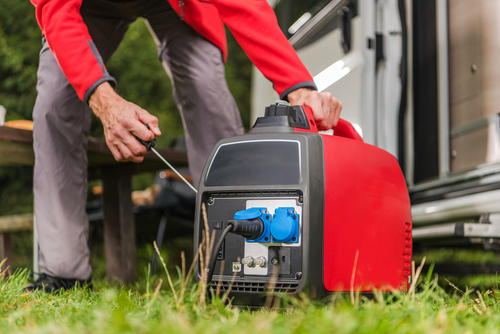
Generators need to run under load regularly. Long periods of inactivity cause fuel system issues. Seals dry out and components gum up. The generator may fail when you need it most.
The long-term effect is reduced reliability and lifespan. Repairs can be expensive compared to routine use. Replacement generators are a major investment. A neglected generator often becomes a permanent weak point.
13. Not Keeping Maintenance Records
Maintenance is easier to track with written or digital records. Memory fades faster than expected. Missed service intervals lead to stacked problems. New owners benefit from clear documentation.
This mistake follows you into resale and warranty conversations. Lack of records lowers buyer confidence. Diagnosing recurring issues becomes harder over time. Good records protect both the RV and your wallet.
This post 13 RV Mistakes That Follow You Longer Than You Think was first published on Greenhouse Black.
