
1. Standardized Check-In/Check-Out Time Compliance
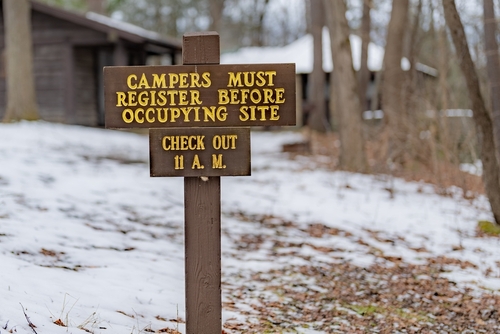
Late arrivals have disrupted sleep and disturbed campsites, so many parks expect to enforce tighter check-in cutoffs. Owners say they frequently deal with headlights, loud leveling systems, and confused guests trying to find sites in the dark. By sticking to firm windows, parks hope to maintain nighttime peace. This aligns with the rise of more structured reservation systems.
To accommodate unavoidable delays, some campgrounds may add self-check-in zones away from main loops. This gives late arrivals a quiet place to park overnight without waking others. Operators say these adjustments help manage workloads for staff, too. The goal is smoother arrivals and fewer midnight disruptions.
2. Stricter Quiet Hours
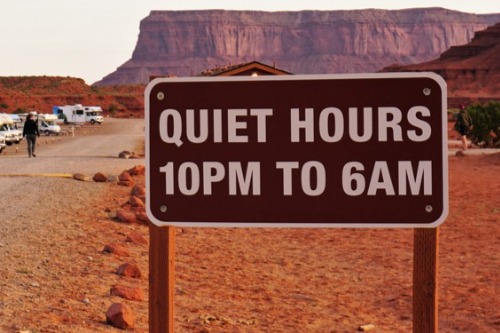
Campgrounds are increasingly talking about tightening quiet-hour rules as more visitors use noisy generators and outdoor entertainment systems. Many RVers have complained that late-night noise disrupts sleep, especially in densely packed parks. Because of this, some campground associations have floated the idea of extending quiet hours by an extra hour on both ends. These proposals are meant to help maintain a peaceful atmosphere as RV travel continues to grow.
At the same time, owners say they’re trying to balance relaxation with personal freedom. Some parks are planning clearer signage so guests know exactly when they need to keep things hushed. A few campground managers have mentioned offering “late-night zones” farther from family areas. The goal is to give everyone a chance to enjoy their stay without stepping on each other’s toes.
3. Site-Specific Parking Alignment Rules
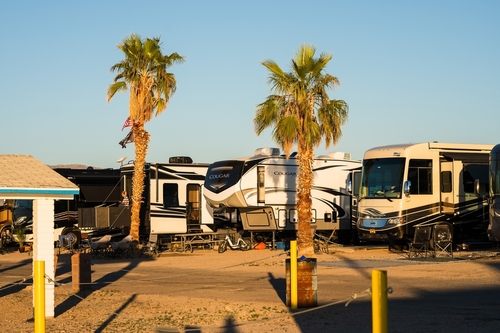
Campgrounds are preparing to enforce clear standards for how RVs must be positioned within a site. This comes after repeated issues with rigs encroaching onto roads or neighboring spaces. Proper alignment helps prevent accidents, especially when large Class A motorhomes are navigating tight loops. It also protects landscaping that many owners have invested heavily in.
Some parks plan to require guests to re-park if a ranger determines the rig is off-mark. Campground staff say this should decrease confusion and disputes between neighbors. Many are expected to add painted markers or posts so guests know the exact boundaries. The idea is to create consistency and improve traffic flow across the campground.
4. Enhanced Fire-Safety Regulations
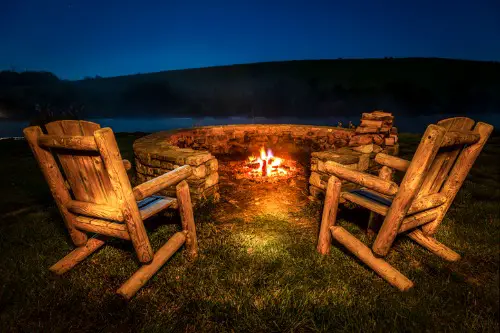
As wildfire risks rise in several regions, campgrounds are preparing to enforce stricter fire rules. This includes requiring fully enclosed fire rings or banning open flames during dry periods. Operators say unpredictable weather patterns make quick rule changes necessary for everyone’s safety. Many parks are updating emergency procedures to keep communication clear when conditions shift.
Campgrounds also anticipate requiring spark screens and banning certain types of firewood. These steps help reduce ember spread, which has been a factor in several recent fire incidents. Some managers say they’ll expand ranger patrols during high-risk weekends. The goal is to prevent small mistakes from turning into dangerous situations.
5. Wastewater Handling Verification
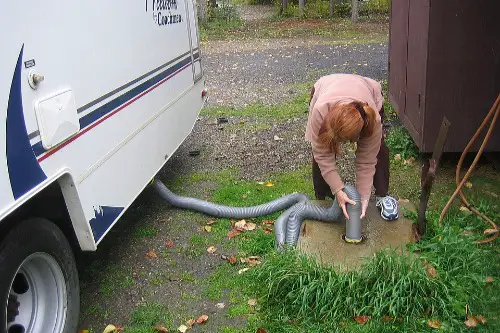
Dump-station misuse has become a growing issue, so more campgrounds expect to enforce verification that tanks are handled properly. Staff may check that hoses are secured and that chemicals used are septic-safe. This shift comes after several parks reported expensive cleanup costs due to improper dumping. Ensuring proper use protects the environment and keeps facilities running smoothly.
Guests might also see clearer labeling at dump stations. Park owners have mentioned that many problems stem from simple misunderstandings. With more first-time RVers on the road, education is becoming a bigger part of campground operations. Better oversight helps prevent avoidable messes and keeps everyone’s experience pleasant.
6. Pet Behavior and Leash-Length Standards

Campgrounds are preparing to specify acceptable leash lengths as off-leash incidents continue to rise. Many reported close calls between pets, wildlife, and children in common areas. Consistent rules help reduce conflicts and make expectations uniform across different parks. Some owners say these changes will also help protect sensitive habitats.
RVers may also see increased enforcement of barking rules. Campground hosts note that repeated noise complaints are among their most common issues. With growing pet ownership among travelers, they expect a continued need for clearer boundaries. These standards help ensure pets remain welcome without creating friction among guests.
7. Speed-Limit Enforcement With Cameras

As family-focused parks see more bike and scooter traffic, some campgrounds anticipate enforcing speed limits using small, low-profile cameras. This idea is driven by multiple reports of near-misses involving large rigs moving through narrow lanes. The cameras would primarily serve as monitoring tools rather than strict policing devices. Managers hope the presence alone will encourage safer driving.
Signs will likely accompany the cameras to remind guests of the rules. Some parks are considering offering short safety briefings at check-in. The goal isn’t punishment but prevention, especially in kid-heavy areas. By slowing traffic, campgrounds can reduce injuries and create a safer environment for everyone.
8. Mandatory Generator Windows
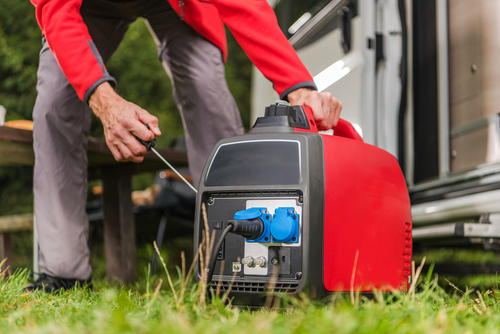
As solar setups have become more common, many campgrounds expect to enforce specific generator-use windows. This change is meant to reduce fuel smells and noise pollution, which are frequent complaints in online reviews. With more RVers working remotely, parks want to preserve daytime and early-evening quiet for people taking calls. Some places are already testing pilot schedules to see what works best.
RVers who depend on generators may need to plan their power use more carefully. Campground owners say they’re trying to avoid outright bans and instead focus on predictable time blocks. They hope this makes it easier for neighbors to anticipate when noise may occur. Ultimately, the shift encourages guests to consider quieter energy alternatives.
9. Standardized RV Age and Condition Rules

Some parks—particularly resort-style ones—are considering clearer standards for RV condition rather than relying on vague age limits. This comes after debates about aesthetic consistency and safety concerns with poorly maintained rigs. Instead of strict age cutoffs, many expect inspections for leaks, broken panels, or unsafe wiring. These changes focus on maintaining the park’s appearance and infrastructure.
Campground operators say they want fairness and transparency. A well-kept older rig would be as welcome as a newer one under these rules. Clear guidelines help avoid misunderstandings during booking. They also encourage guests to address maintenance issues before arriving.
10. Campsite Add-On Limits
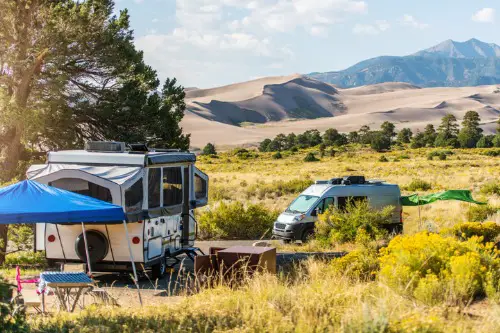
Campgrounds are planning to define limits on items like outdoor rugs, portable fences, and extra furniture. With more people setting up elaborate “outdoor living rooms,” grassy areas have suffered damage. Parks hope to preserve the land while still allowing personalization. These limits help maintain consistent turnover between guests.
Managers also want to prevent clutter from spilling into shared pathways. Some parks say they’ll require approval for large items at check-in. They aren’t trying to restrict creativity but rather protect the space for future visitors. Clearer rules make it easier for guests to know what’s allowed.
11. Reservation-Change Cutoffs
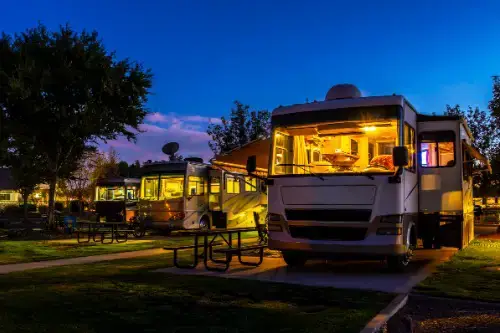
As reservation platforms evolve, campgrounds are preparing to enforce stricter deadlines for changes or cancellations. Many have faced challenges with last-minute shifts that leave sites unused. By setting firmer cutoffs, owners can better forecast occupancy and reduce gaps. This ultimately helps keep prices more stable.
RVers might also see more automated reminders before deadlines hit. Campground operators say these systems improve fairness by giving everyone the same information. While some flexibility will remain, the goal is more predictable planning. This helps both guests and campground staff manage their schedules.
12. EV Charging Restrictions
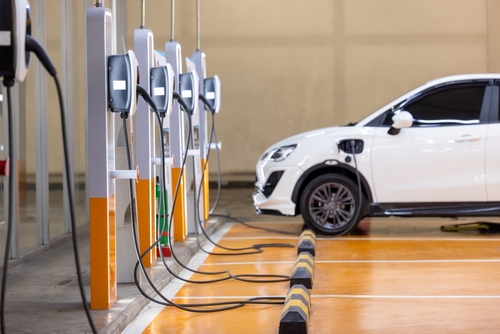
With more electric tow vehicles on the rise, campgrounds expect to create specific rules for EV charging. Many electrical systems weren’t originally designed for high-demand charging, which can overload circuits. Parks may designate certain pedestals or install dedicated chargers to reduce strain. This helps protect infrastructure and prevent outages.
Guests will likely see posted guidelines explaining what’s permitted. Some parks may charge a small fee to offset increased electrical usage. Owners say this approach supports EV adoption without compromising reliability for other RVers. Clear rules make charging easier and safer for everyone.
This post 12 RV Rules Campgrounds Are Preparing to Enforce Across the Board in 2026 was first published on Greenhouse Black.
