
1. Overly Fresh Paint in Just One Spot
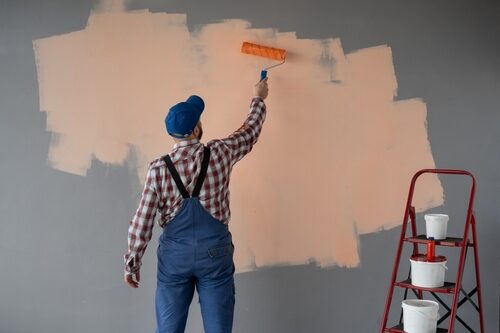
A freshly painted room isn’t suspicious, but a single wall or oddly shaped patch can raise questions. Inspectors know selective touch-ups sometimes hide water stains, mold, or past smoke damage. When they see a too-crisp patch of color, they wonder what’s underneath. It doesn’t automatically mean trouble, but it prompts a closer look.
Sometimes homeowners paint only the lower part of a wall, and that pattern can indicate past flooding. Inspectors pay attention because water intrusion often leads to structural problems later. They also check nearby baseboards for swelling or discoloration. Even if the paint looks great, the story behind it may not.
2. Air Fresheners in Every Room

A few scented diffusers are totally normal, but heavy fragrance in every corner of a home can suggest masking odors. Inspectors often associate this with hidden moisture, mold, or pet-related issues. When too many scents compete at once, it can make them wonder what the owner is trying to cover. It’s not automatically a problem, but it signals they should trust their noses even more.
They’ll typically open closets, basements, and laundry rooms to see if the smell changes. Sudden odor shifts can reveal mildew or poorly ventilated spaces. Sometimes, strong air fresheners are just a preference, but inspectors still verify. They know odor is often the first clue to bigger issues.
3. Furniture Positioned to Block Walls

A couch pushed against a wall is normal, but oversized furniture hiding specific wall areas can look suspicious. Inspectors have seen cases where furniture strategically covered cracks, stains, or warped drywall. When a layout feels unnatural, it’s a cue to ask why. They may politely move things or look more closely.
Blocked-off walls can indicate shifting foundations or past leaks. Inspectors check for uneven floors nearby since structural issues tend to appear in clusters. If the furniture seems placed more for concealment than comfort, it raises the stakes. They’re trained to read the room—literally.
4. Locked Doors in a Home That Should Be Accessible

It’s normal to keep certain rooms private, but in an inspection, locked spaces that aren’t explained can concern professionals. They wonder if the area contains electrical panels, water heaters, or plumbing access they need to evaluate. Even a simple closet can hide signs of pests or moisture. When access is restricted, it disrupts the inspection process.
Inspectors usually ask owners to unlock everything, and hesitation only increases suspicion. They’ve encountered locked rooms used to conceal mold or DIY repairs gone wrong. Even if the space is harmless, the barrier raises questions. It’s best when homeowners keep everything easy to view.
5. Recently Caulked Windows and Tubs
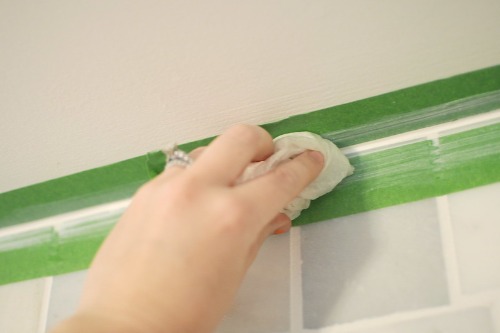
Caulking is routine maintenance, but fresh caulk everywhere right before an inspection raises eyebrows. It can signal attempts to cover leaks, poor sealing, or water-damaged materials. Inspectors recognize when caulking looks rushed or inconsistently applied. They know old problems sometimes hide under new lines of sealant.
They may check surrounding wood or tile for softness or discoloration. Excessively new caulk in bathrooms can indicate ongoing moisture issues. Around windows, it can hint at drafts or poor insulation. The goal isn’t to judge but to understand what’s really going on.
6. Basements That Smell Too Dry or Too Damp

Basements often have a distinct smell, but when they’re unusually odorless or extremely musty, inspectors take note. A completely neutral smell in an old basement sometimes means heavy dehumidifier use to mask issues. On the flip side, strong dampness often means water intrusion. Inspectors expect some variance but not extremes.
They’ll examine sump pumps, foundation walls, and moisture meters to confirm what’s happening. Too-dry basements can indicate attempts to hide mold or past flooding. Too-damp ones may signal ongoing water seepage. Either scenario makes them slow down and investigate.
7. Fresh Landscaping Too Close to the Foundation

New mulch or plants aren’t a red flag by themselves, but perfectly fresh landscaping right against the foundation can raise suspicion. Homeowners sometimes cover grading problems or drainage issues with cosmetic fixes. Inspectors look for soil that slopes toward the house, which can lead to basement leaks. They also check for signs of buried downspout extensions.
Landscaping used as camouflage doesn’t solve underlying water problems. Inspectors know when plants look like they were added in a hurry. They’ll gently move mulch to see whether the soil underneath shows erosion. A nice yard is great, but it shouldn’t hide functional issues.
8. Recently Cleaned HVAC Systems With Dusty Vents
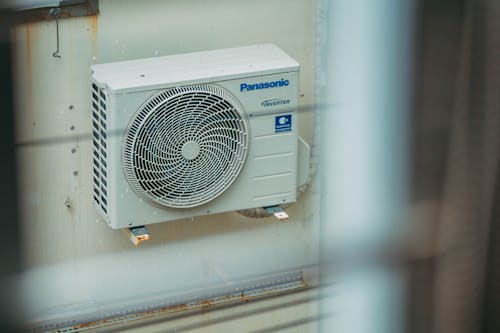
A serviced HVAC system is a good thing, but shiny equipment paired with dusty vents can feel inconsistent. Inspectors know that routine maintenance usually includes cleaning ducts or at least vent covers. When the contrast is too stark, they suspect the service may have been superficial. Sometimes cosmetic touches hide long-term neglect.
They’ll check filter age, airflow, and system noise. Dust buildup can suggest the system has been under strain or rarely used. It might also indicate uneven cleaning meant to look impressive during an inspection. It’s not a deal-breaker, but it does prompt a deeper review.
9. Paint or Rugs Covering Floor Damage

Throw rugs are common, but rugs placed in odd or identical spots in multiple rooms can seem strategic. Inspectors have seen them hide warped wood, cracked tiles, or uneven subflooring. When something looks too perfectly placed, they tend to peek underneath. They’re not looking to catch homeowners—just to spot patterns.
Painted floors can also signal patch jobs on older surfaces. Inspectors tap or press lightly to check for hollow sounds. Flooring issues often link to moisture or structural shifting. So a seemingly harmless rug becomes a clue worth checking.
10. Too Many “Recent Repairs” Listed at Once
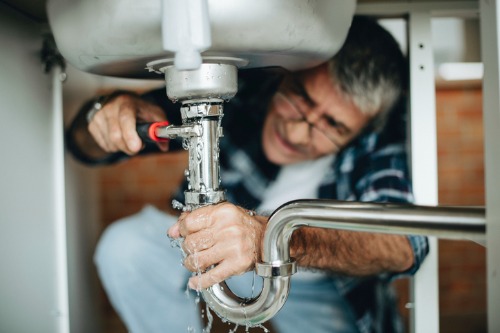
A long list of repairs isn’t inherently suspicious, but when they’re all last-minute, inspectors pay attention. Quick fixes can hide chronic problems rather than solve them. They’ve seen sellers patch drywall instead of addressing leaks or replace fixtures without fixing the underlying plumbing. When everything suddenly looks new, it invites scrutiny.
Inspectors look for the quality of workmanship—clean edges, consistent paint, and proper materials. Rushed jobs often reveal mismatched textures or uneven surfaces. They’ll also ask questions about receipts or timelines. A home with real maintenance history usually has spaced-out updates.
11. Appliances That Look New but Don’t Match the Age of Installations
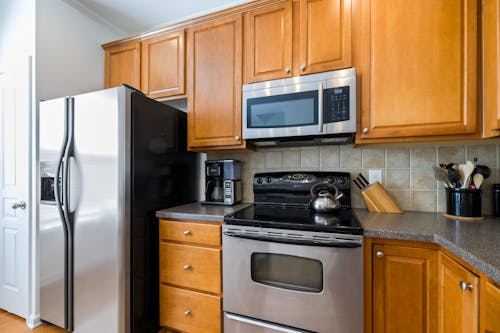
A new appliance is great, but when it clashes with older plumbing or electrical setups, inspectors get curious. They know replacement appliances sometimes get swapped in to distract from system issues. A shiny dishwasher next to an obviously dated supply line raises questions. They start thinking about leaks or outdated wiring.
Inspectors check installation quality, drain alignment, and ventilation. They look for signs that the previous appliance failed due to underlying issues. If the new one is installed improperly, it may already be at risk. New on the outside doesn’t always mean healthy on the inside.
12. Unusual Temperature Differences Between Rooms
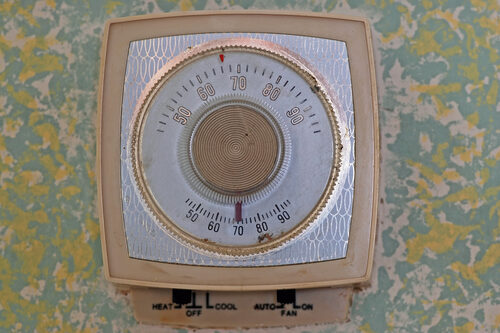
A house naturally has minor temperature differences, but drastic variations make inspectors pause. Cold or hot spots can indicate HVAC imbalance, insulation gaps, or blocked vents. Sometimes homeowners close vents intentionally to “redirect” airflow. That can sound reasonable but often creates system strain.
Inspectors use thermometers or thermal cameras to confirm what they feel. Uneven temperatures may also point to drafty windows or hidden attic issues. Persistent imbalances can lead to higher energy costs or comfort problems. So a simple temperature shift becomes a meaningful clue.
This post 12 Seemingly Normal Home Habits That Make Inspectors Suspicious was first published on Greenhouse Black.
