
1. Builder-grade finishes everywhere
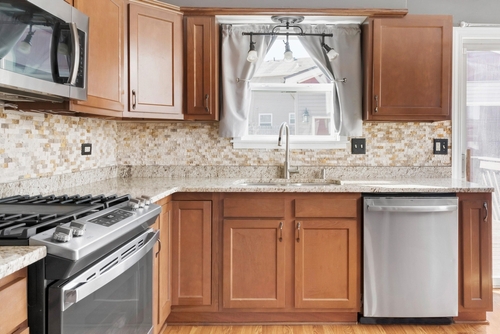
You walk through the house and nothing is bad, but nothing is memorable either. The flooring is the most basic option offered, the cabinets are flat and generic, and the fixtures feel chosen from the first page of a catalog. Everything works, but it all blends together in a way that feels intentional. It gives the impression that cost control mattered more than personal taste.
This is common in homes built specifically for resale because builders aim for broad appeal at the lowest reasonable price. Neutral, entry-level finishes reduce upfront costs and lower the risk of turning off potential buyers. Someone building a forever home is more likely to splurge on at least a few things they love. When absolutely everything is baseline, it often signals a flip-minded decision process.
2. A layout that looks good on paper but lives awkwardly
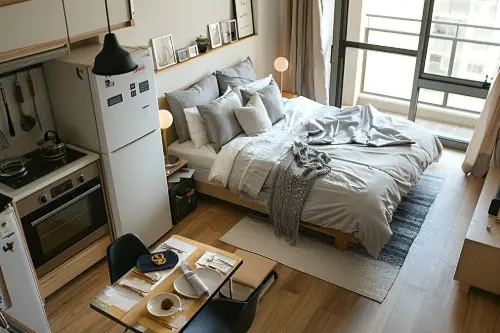
At first glance, the floor plan seems modern and open. Once you imagine daily life, though, little annoyances start popping up. The fridge door blocks a walkway, or the dining area feels squeezed despite plenty of square footage. It’s the kind of design that photographs well but doesn’t flow naturally.
Spec-built homes are often optimized for market trends rather than lived experience. Builders may prioritize popular buzzwords like “open concept” without refining how spaces actually function. A homeowner designing for themselves usually catches these friction points early. Awkward layouts often survive when no one plans to stick around long enough to be bothered.
3. Minimal storage for the size of the house
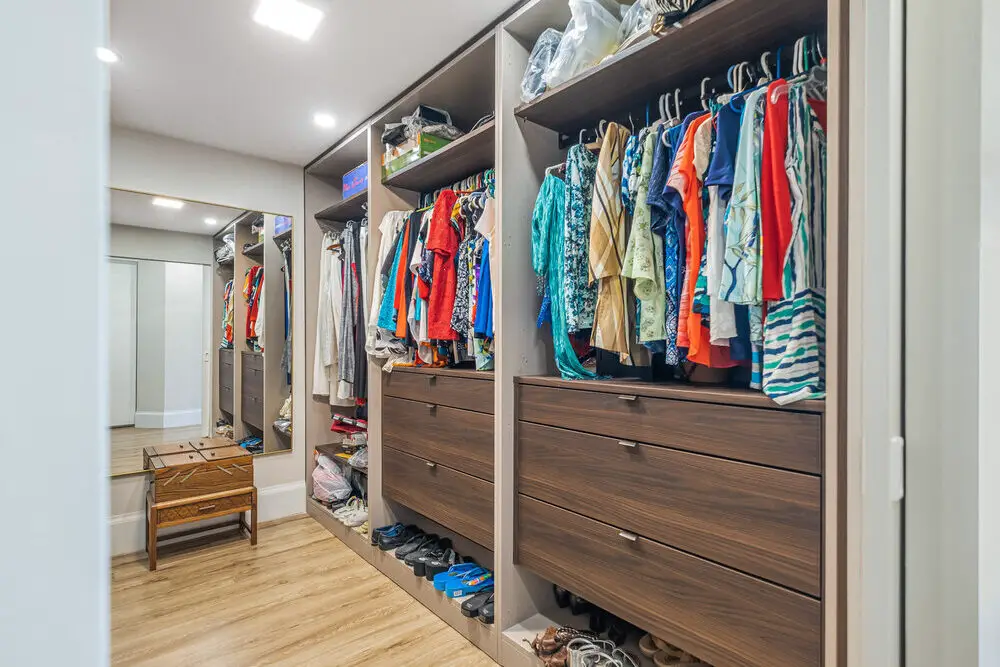
The house has plenty of rooms, but surprisingly few closets. Bedroom closets are shallow, the pantry is tiny, and there’s no obvious place for cleaning supplies. You start mentally wondering where coats, tools, or bulk items would go. For a family-sized home, the storage feels oddly skimpy.
Storage is expensive to build and easy to overlook when selling to strangers. Builders know buyers focus on bedrooms and bathrooms first, not broom closets. Someone planning to live there long-term usually insists on practical storage. When storage is an afterthought, resale was likely the priority.
4. Cheap materials in places buyers rarely touch
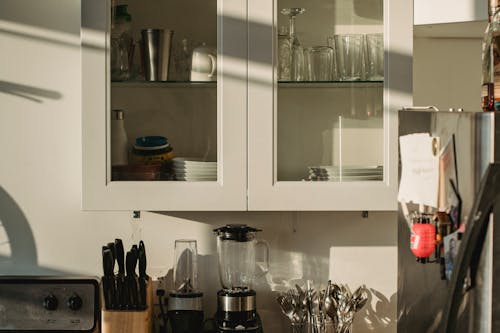
Cabinets look fine until you open them and feel thin shelves. Interior doors sound hollow, and trim dents easily under light pressure. Drawers wobble just enough to be noticeable. These aren’t deal-breakers, but they add up.
In resale-driven builds, money is often saved where buyers won’t immediately notice. Structural code requirements are met, but durability takes a back seat. Homeowners building for themselves tend to invest in things they interact with daily. Subtle material shortcuts often point to a short-term ownership mindset.
5. Inconsistent upgrades that don’t quite match

One bathroom has stone counters, while another has laminate. The kitchen has upgraded appliances, but the flooring is entry-level. Lighting styles change from room to room without a clear theme. It feels like a checklist was followed rather than a vision.
This usually happens when upgrades are chosen to boost listing appeal, not cohesion. Builders often add a few “wow” features where buyers look first. A long-term owner typically values consistency over isolated upgrades. Mismatched choices suggest selling strategy rather than personal preference.
6. Exterior materials chosen for speed, not longevity
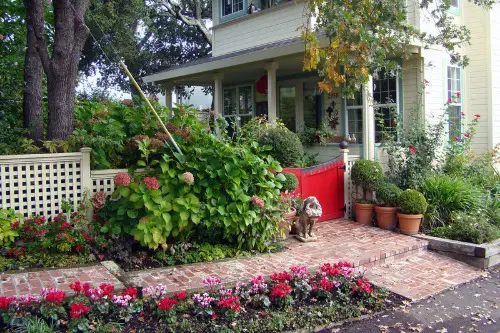
The outside looks sharp at first, especially from the curb. On closer inspection, materials are the fastest and cheapest options allowed. Vinyl siding, thin trim, and minimal detailing dominate the exterior. It’s attractive, but not built to age gracefully.
Spec homes prioritize quick construction and predictable costs. Durable, premium exterior materials cost more and take longer to install. Someone planning to live there for decades often thinks about weathering and maintenance. Short-term durability choices often align with resale goals.
7. Landscaping that’s sparse or purely decorative

The yard looks finished, but barely. There’s sod, a few shrubs, and maybe a small tree placed for symmetry. No thought seems given to shade, privacy, or long-term growth. It feels staged rather than lived in.
Basic landscaping helps sell a home without much investment. Builders rarely design outdoor spaces for real use unless required. Homeowners staying long-term usually plan patios, gardens, or functional yards. A minimal landscape often signals “good enough to list.”
8. Mechanical systems sized to code, not comfort
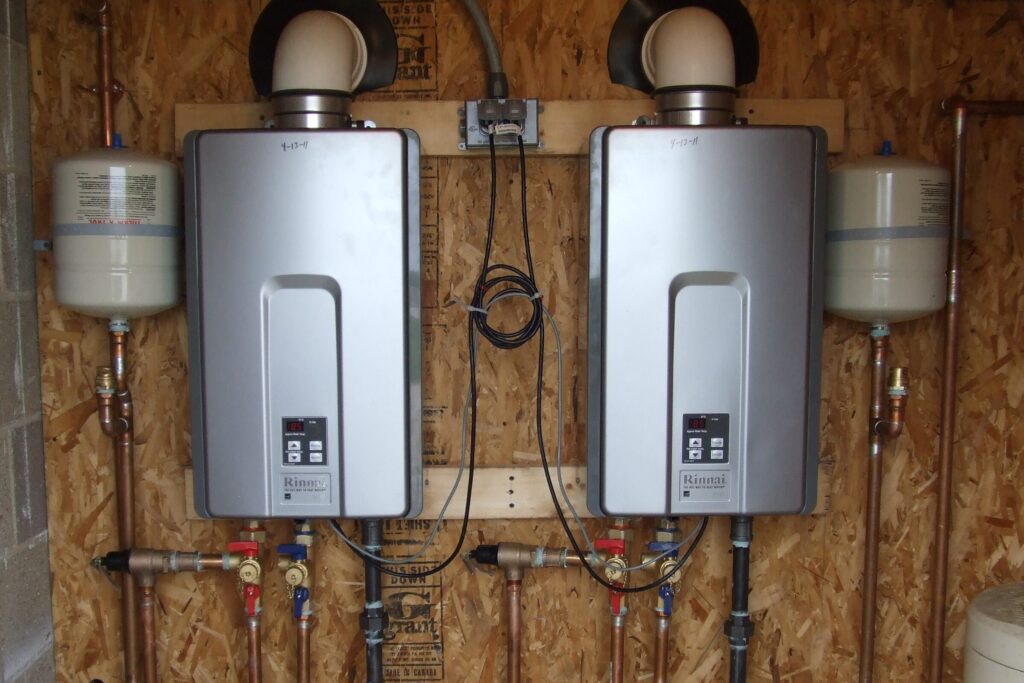
The heating and cooling system meets requirements, but nothing more. Rooms at the edges of the house feel harder to keep comfortable. The system works, yet lacks zoning or efficiency upgrades. Comfort feels acceptable, not optimized.
Spec builders typically install the minimum system that passes inspection. Enhanced systems cost more and don’t always boost resale value proportionally. Someone building for themselves often prioritizes comfort and efficiency. Bare-minimum mechanical choices can point to resale intentions.
9. Neutral everything, with no personal risk taken
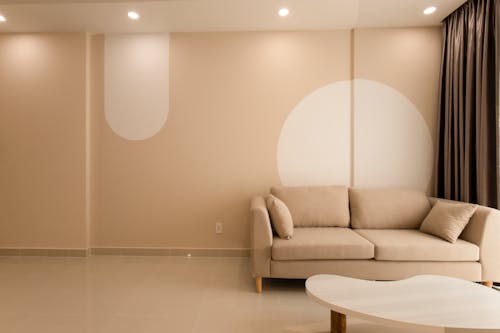
Every wall is the same safe shade of gray or beige. Tile, counters, and flooring stay firmly within current trends. There’s nothing offensive, but nothing expressive either. It feels designed to offend no one.
This is a classic resale strategy grounded in buyer psychology. Neutral finishes help buyers imagine themselves in the space. People building forever homes usually accept some personal risk in design. Total neutrality often reflects a plan to move on quickly.
10. Little attention to sound and privacy
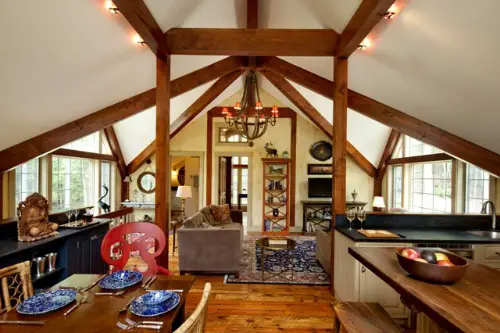
Walls transmit noise more than expected. Bedrooms share walls with living areas, and bathrooms lack sound buffering. You notice how easily conversations travel. Privacy feels secondary.
Soundproofing is rarely visible and adds cost. Builders focused on resale often skip enhancements buyers don’t immediately see. Long-term homeowners value peace and separation. Thin walls and poor privacy often reflect short-term planning.
11. A garage that feels like an afterthought
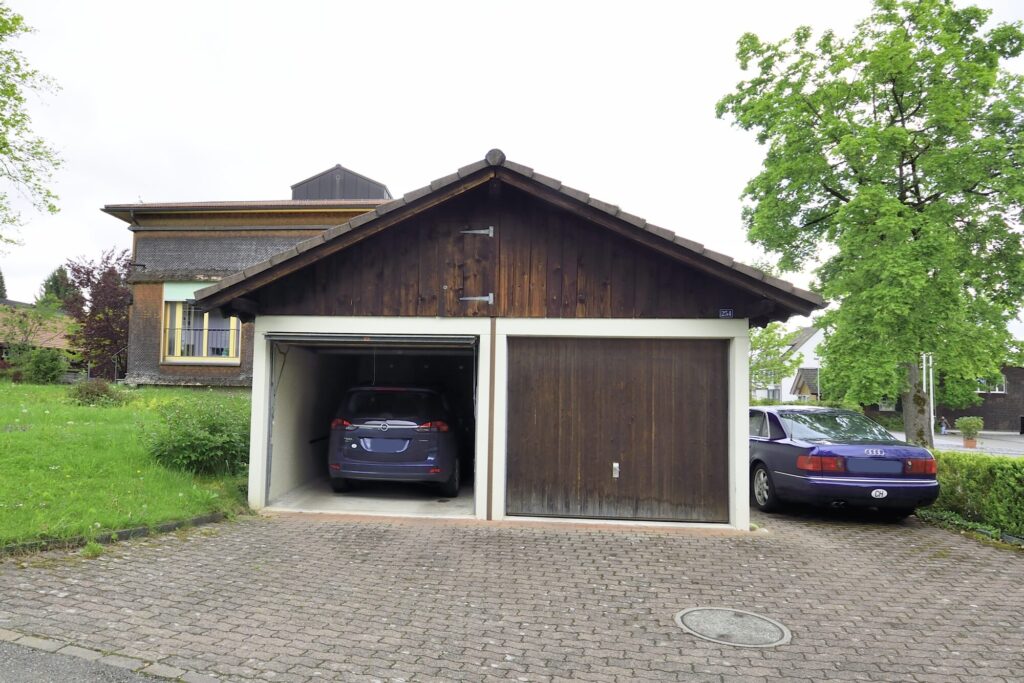
The garage fits cars, but not much else. There’s limited space for storage, tools, or workbenches. Lighting is basic and outlets are sparse. It feels functional but uninspired.
Garages don’t sell houses the way kitchens do. Builders aiming for resale keep them simple to control costs. People planning to stay often want garages to work harder. A bare-bones garage can quietly reveal the home’s true purpose.
This post Signals That a House Was Built to Be Sold, Not Kept was first published on Greenhouse Black.
