
1. Builder-grade finishes everywhere
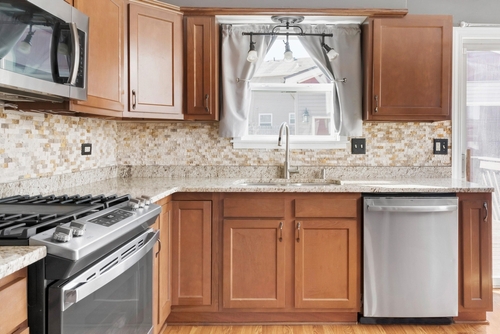
You walk through the house and nothing is bad, but nothing is memorable either. The flooring is the most basic option offered, the cabinets are flat and generic, and the fixtures feel chosen from the first page of a catalog. Everything works, but it all blends together in a way that feels intentional. It gives the impression that cost control mattered more than personal taste.
This is common in homes built specifically for resale because builders aim for broad appeal at the lowest reasonable price. Neutral, entry-level finishes reduce upfront costs and lower the risk of turning off potential buyers. Someone building a forever home is more likely to splurge on at least a few things they love. When absolutely everything is baseline, it often signals a flip-minded decision process.
2. A layout that looks good on paper but lives awkwardly
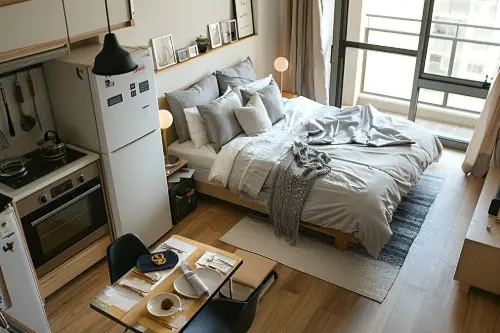
At first glance, the floor plan seems modern and open. Once you imagine daily life, though, little annoyances start popping up. The fridge door blocks a walkway, or the dining area feels squeezed despite plenty of square footage. It’s the kind of design that photographs well but doesn’t flow naturally.
Spec-built homes are often optimized for market trends rather than lived experience. Builders may prioritize popular buzzwords like “open concept” without refining how spaces actually function. A homeowner designing for themselves usually catches these friction points early. Awkward layouts often survive when no one plans to stick around long enough to be bothered.
3. Minimal storage for the size of the house
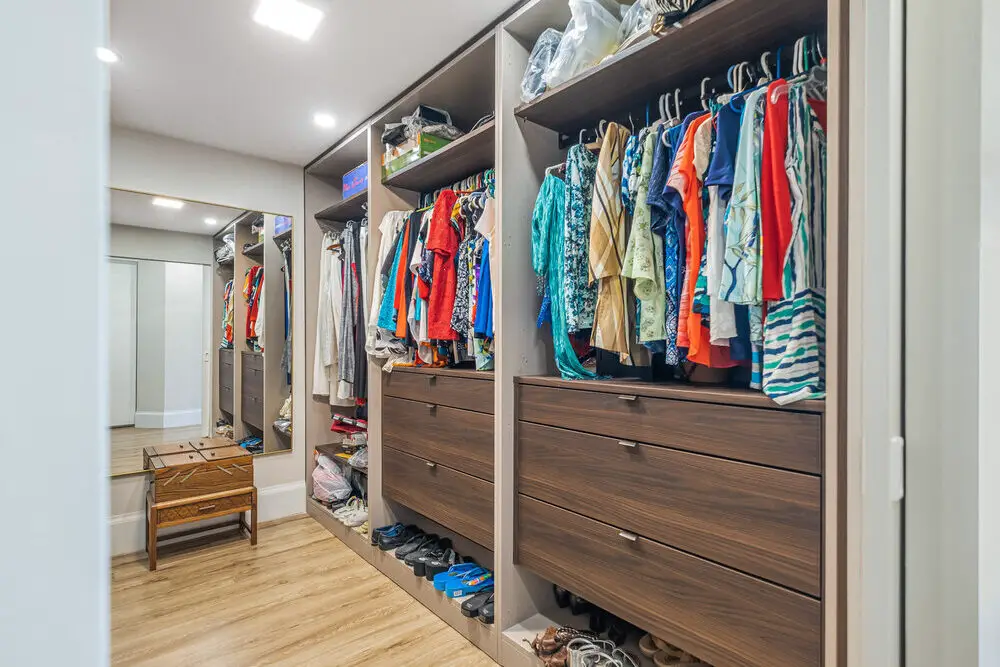
The house has plenty of rooms, but surprisingly few closets. Bedroom closets are shallow, the pantry is tiny, and there’s no obvious place for cleaning supplies. You start mentally wondering where coats, tools, or bulk items would go. For a family-sized home, the storage feels oddly skimpy.
Storage is expensive to build and easy to overlook when selling to strangers. Builders know buyers focus on bedrooms and bathrooms first, not broom closets. Someone planning to live there long-term usually insists on practical storage. When storage is an afterthought, resale was likely the priority.
4. Cheap materials in places buyers rarely touch
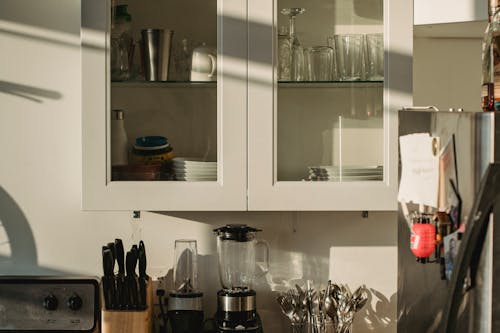
Cabinets look fine until you open them and feel thin shelves. Interior doors sound hollow, and trim dents easily under light pressure. Drawers wobble just enough to be noticeable. These aren’t deal-breakers, but they add up.
In resale-driven builds, money is often saved where buyers won’t immediately notice. Structural code requirements are met, but durability takes a back seat. Homeowners building for themselves tend to invest in things they interact with daily. Subtle material shortcuts often point to a short-term ownership mindset.
5. Inconsistent upgrades that don’t quite match

One bathroom has stone counters, while another has laminate. The kitchen has upgraded appliances, but the flooring is entry-level. Lighting styles change from room to room without a clear theme. It feels like a checklist was followed rather than a vision.
This usually happens when upgrades are chosen to boost listing appeal, not cohesion. Builders often add a few “wow” features where buyers look first. A long-term owner typically values consistency over isolated upgrades. Mismatched choices suggest selling strategy rather than personal preference.
6. Exterior materials chosen for speed, not longevity
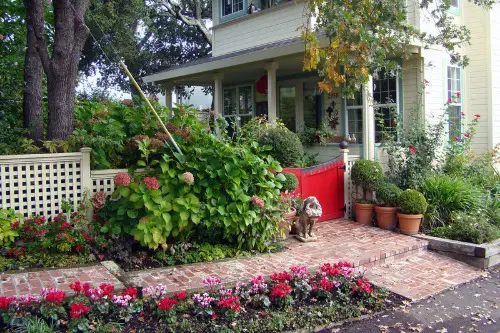
The outside looks sharp at first, especially from the curb. On closer inspection, materials are the fastest and cheapest options allowed. Vinyl siding, thin trim, and minimal detailing dominate the exterior. It’s attractive, but not built to age gracefully.
Spec homes prioritize quick construction and predictable costs. Durable, premium exterior materials cost more and take longer to install. Someone planning to live there for decades often thinks about weathering and maintenance. Short-term durability choices often align with resale goals.
7. Landscaping that’s sparse or purely decorative

The yard looks finished, but barely. There’s sod, a few shrubs, and maybe a small tree placed for symmetry. No thought seems given to shade, privacy, or long-term growth. It feels staged rather than lived in.
Basic landscaping helps sell a home without much investment. Builders rarely design outdoor spaces for real use unless required. Homeowners staying long-term usually plan patios, gardens, or functional yards. A minimal landscape often signals “good enough to list.”
8. Mechanical systems sized to code, not comfort

The heating and cooling system meets requirements, but nothing more. Rooms at the edges of the house feel harder to keep comfortable. The system works, yet lacks zoning or efficiency upgrades. Comfort feels acceptable, not optimized.
Spec builders typically install the minimum system that passes inspection. Enhanced systems cost more and don’t always boost resale value proportionally. Someone building for themselves often prioritizes comfort and efficiency. Bare-minimum mechanical choices can point to resale intentions.
9. Neutral everything, with no personal risk taken
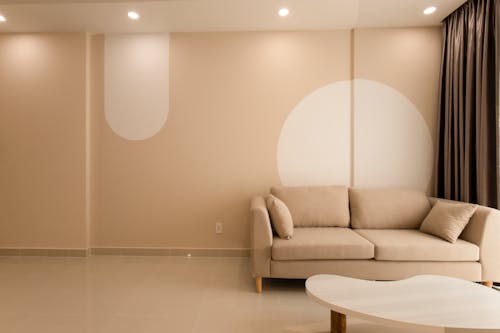
Every wall is the same safe shade of gray or beige. Tile, counters, and flooring stay firmly within current trends. There’s nothing offensive, but nothing expressive either. It feels designed to offend no one.
This is a classic resale strategy grounded in buyer psychology. Neutral finishes help buyers imagine themselves in the space. People building forever homes usually accept some personal risk in design. Total neutrality often reflects a plan to move on quickly.
10. Little attention to sound and privacy
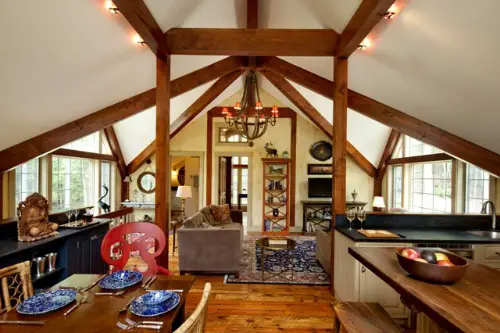
Walls transmit noise more than expected. Bedrooms share walls with living areas, and bathrooms lack sound buffering. You notice how easily conversations travel. Privacy feels secondary.
Soundproofing is rarely visible and adds cost. Builders focused on resale often skip enhancements buyers don’t immediately see. Long-term homeowners value peace and separation. Thin walls and poor privacy often reflect short-term planning.
11. A garage that feels like an afterthought
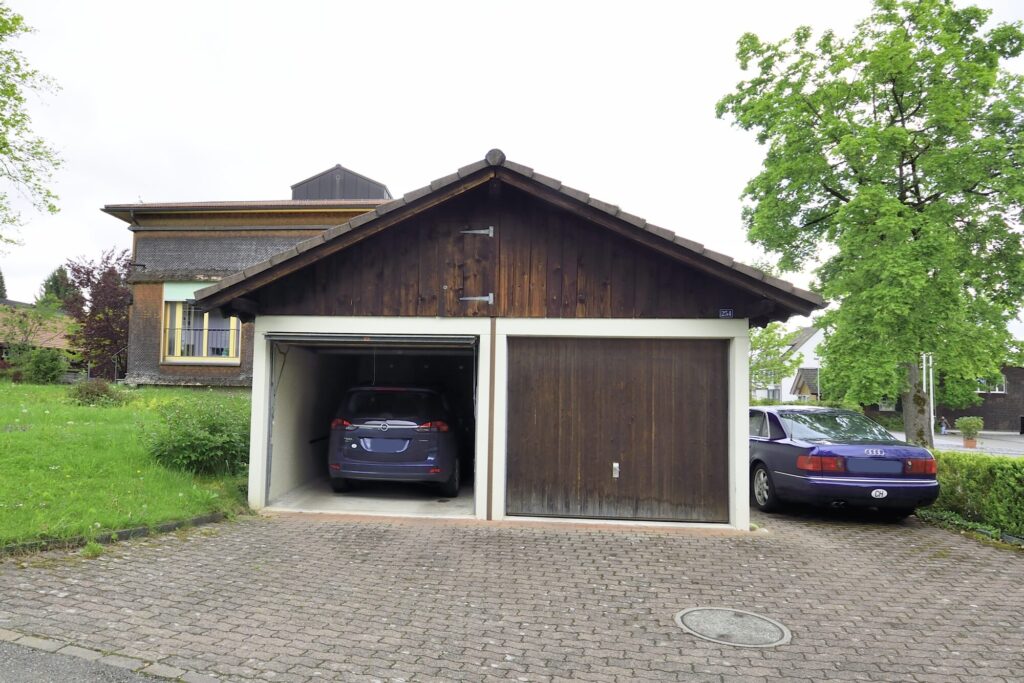
The garage fits cars, but not much else. There’s limited space for storage, tools, or workbenches. Lighting is basic and outlets are sparse. It feels functional but uninspired.
Garages don’t sell houses the way kitchens do. Builders aiming for resale keep them simple to control costs. People planning to stay often want garages to work harder. A bare-bones garage can quietly reveal the home’s true purpose.
12. Flashy entry features that stop at the foyer
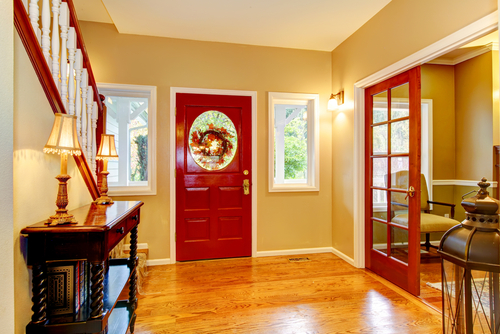
The front door is oversized, the foyer has soaring ceilings, and there might even be a dramatic light fixture overhead. A few steps inside, though, the wow factor quickly fades. The finishes become simpler and the ceiling heights drop without much transition. It feels like the home was designed to impress during a five-minute showing.
Resale-focused builds often concentrate budget at the entry because first impressions shape buyer emotion. A striking foyer can distract from more ordinary finishes deeper inside the house. Homeowners building for themselves tend to spread quality more evenly throughout. When the drama is front-loaded, it often hints that the goal was to sell quickly, not settle in.
13. Windows placed for symmetry, not sunlight
From the street, the windows line up perfectly and look balanced. Inside, however, certain rooms feel darker than they should. Furniture placement gets tricky because windows interrupt usable wall space. The design prioritizes curb appeal over daily comfort.
Spec homes frequently emphasize exterior symmetry because it photographs well and attracts buyers online. Natural light, cross-ventilation, and interior function can become secondary concerns. Someone planning to live in the home long-term usually studies how light moves throughout the day. When window placement feels cosmetic rather than intentional, resale was likely driving the decision.
14. Trend-heavy details that may age quickly
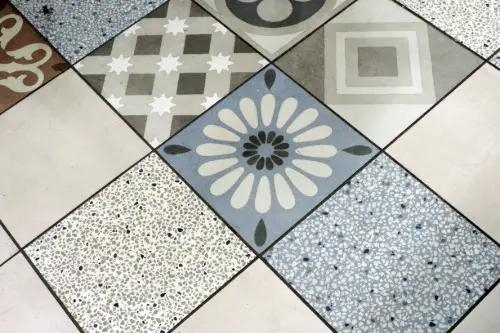
There’s a bold accent wall, ultra-trendy tile, or a statement light fixture straight from a recent design show. It feels current now, but you can already imagine it looking dated in a few years. The choices seem selected to match market buzz rather than personal taste. The style leans more toward “scroll-stopping” than timeless.
Builders trying to attract attention often lean into whatever trend is peaking at the moment. Eye-catching details help listings stand out in crowded markets. Long-term homeowners usually balance trends with durability and longevity. When a house feels like a snapshot of a single design year, it may have been built with a quick sale in mind.
15. Secondary spaces that feel noticeably downgraded
The primary suite looks polished and thoughtfully finished. Then you step into secondary bedrooms or bathrooms and notice the drop in quality. Fixtures are simpler, storage is tighter, and finishes feel more basic. The contrast is hard to ignore once you see it.
In resale builds, the primary suite often carries the marketing weight. Builders know buyers focus heavily on the main bedroom and bath during tours. A homeowner building for themselves typically wants consistency throughout the house. When only the headline spaces shine, it suggests strategic spending for showings rather than daily life.
16. Limited built-ins or custom touches
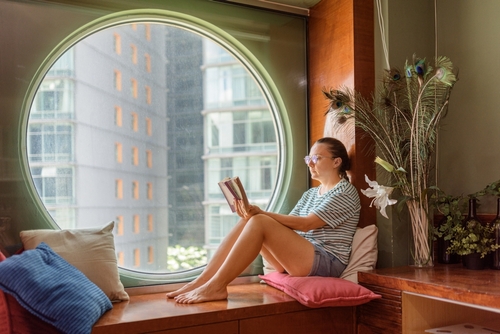
Walls are clean and uninterrupted, but also empty of character. There are no built-in shelves, window seats, or thoughtfully integrated storage solutions. Everything feels movable and temporary. The home lacks those small details that make a space feel rooted.
Custom millwork and built-ins add cost and require planning. They also reflect specific lifestyle needs that may not appeal to every buyer. Someone designing a forever home often incorporates personalized storage and display areas. When a house avoids any permanent character, it may have been designed to remain broadly marketable.
17. Bathrooms designed for photos, not function

The bathroom looks sleek in pictures with a floating vanity and large mirror. Once inside, counter space is tight and storage is minimal. There’s little room for everyday items beyond what’s staged. The design favors clean visuals over practical routines.
Resale-oriented homes often prioritize spa-like aesthetics that photograph beautifully. Real-life functionality, like linen storage or generous drawer space, can take a back seat. Long-term owners usually think about morning traffic and shared use. When a bathroom feels like a set piece, selling appeal likely guided the layout.
18. Lighting that checks boxes but lacks layers
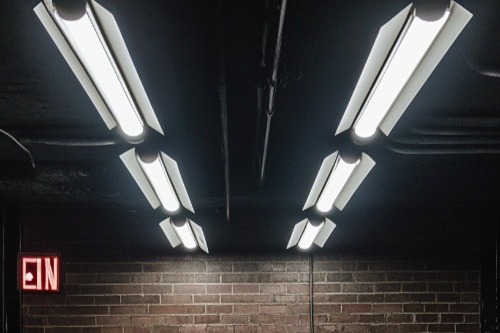
There are recessed lights in all the expected places. A basic fixture hangs over the dining area, and ceiling fans may double as the main bedroom lighting. The rooms are bright enough, yet they feel flat at night. There’s little sense of mood or flexibility.
Layered lighting requires extra fixtures, dimmers, and thoughtful planning. Builders focused on resale typically install standard packages that meet code and expectations. Homeowners staying put often invest in task, ambient, and accent lighting for comfort. When lighting feels purely functional, it may reflect a build meant to move quickly.
19. Energy efficiency that meets minimum standards

Insulation and windows meet local requirements, but there are no standout upgrades. Utility costs seem average rather than impressively low. There’s no evidence of solar preparation, advanced sealing, or higher-end systems. The house performs adequately without excelling.
Spec builders tend to install what is necessary to pass inspection and advertise compliance. Enhanced energy features raise costs without always guaranteeing higher offers. Someone planning to stay for decades often thinks about long-term savings and sustainability. Bare-minimum efficiency can signal a shorter ownership horizon.
20. Outdoor spaces without true usability
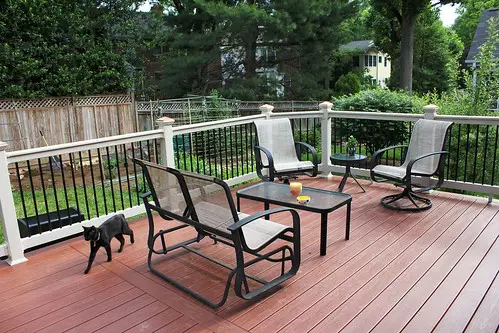
There may be a small patio or deck just off the back door. It technically counts as outdoor living space, but it feels undersized for gatherings. There’s no built-in seating, shade structure, or clear zone for dining. The space looks complete but not inviting.
Builders often include the minimum outdoor feature needed to satisfy buyer expectations. Functional outdoor kitchens or thoughtfully designed entertaining areas require extra investment. Long-term homeowners usually imagine how they will actually use the yard year after year. When outdoor areas feel symbolic rather than practical, resale was likely the guiding motive.
21. A floor plan optimized for staging furniture
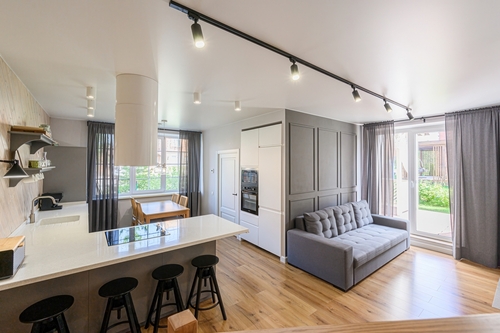
Rooms are proportioned perfectly for standard sofa and bed sizes. Walking paths feel measured to accommodate common staging layouts. Once you imagine real-life clutter and varied furniture, the balance feels tight. The house seems calibrated for showings more than daily living.
Spec homes are frequently designed with model-home staging in mind. Builders know how furniture placement influences buyer perception of space. People building for themselves often design around their actual belongings and habits. When a layout feels tailored to a photo shoot, it’s often a sign the house was built to be sold, not kept.
This post Signals That a House Was Built to Be Sold, Not Kept was first published on Greenhouse Black.
