
1. Loose Tiles or Grout in Bathrooms
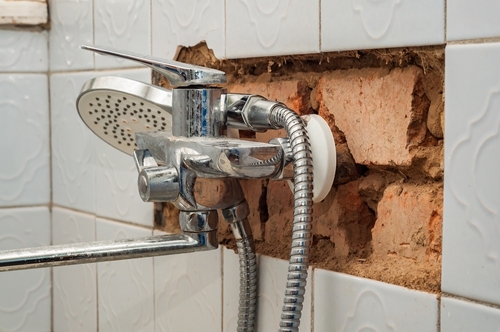
Bathroom tiles are designed to last, so loose ones usually result from impacts or water reaching the adhesive. Heavy objects dropped on tile can crack or shift them. When grout is missing or crumbling, it often means moisture has been left to sit. These signs show the surfaces weren’t treated or maintained carefully.
If multiple tiles are uneven or popping up, the issue is even clearer. This often indicates a long-term pattern of neglect or harsh use. Floors in busy bathrooms tend to wear, but significant movement points to more than normal traffic. It suggests the space has endured consistent rough handling.
2. Doors That Stick or Don’t Close Properly

Doors typically stay square in their frames unless something has pushed, slammed, or warped them. If a door catches at the top or bottom, it may have been forced repeatedly. Loose hinges can also be a sign of rough handling over time. These problems can hint at structural shifts, but they often come from everyday misuse.
Interior doors with cracked panels or dents tell a similar story. These marks usually result from hard impacts like kicking or slamming. Even lightweight hollow-core doors can withstand normal use, so visible damage means something more aggressive happened. It’s a clue that the household may not have handled things gently.
3. Baseboards With Chips or Missing Paint
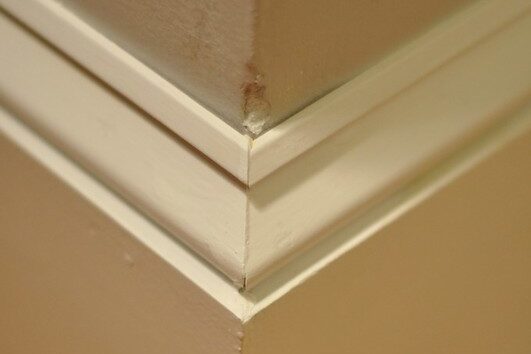
Baseboards usually get minor scuffs from shoes or vacuums, but chunks of wood missing suggest stronger hits. Pets, furniture collisions, or rough cleaning can all cause this damage. When the paint is peeling in large sections, it often points to neglect or moisture exposure. These signs show the home hasn’t been maintained carefully.
If baseboards look warped or swollen, that’s an even clearer sign of rough treatment. Water from mopping too aggressively or repeated spills can make the boards expand. This often leads to separating seams or crumbling edges. It’s a visible indicator that the home hasn’t been handled gently or responsibly.
4. Cabinet Doors Hanging Crooked

Kitchen cabinets are built to withstand frequent use, so crooked doors typically mean someone has pulled or leaned on them. Loose hardware often results from being yanked open too forcefully. Hinges can also weaken when doors are left hanging open regularly. These issues show the cabinets weren’t treated with care.
Inside the cabinets, peeling laminate or deep scratches add more context. These come from stacking heavy cookware carelessly or shoving items in. Shelves that bow downward also indicate they’ve held more weight than intended. Altogether, it suggests the kitchen has seen rough, rushed use.
5. Walls With Numerous Dents or Patch Marks
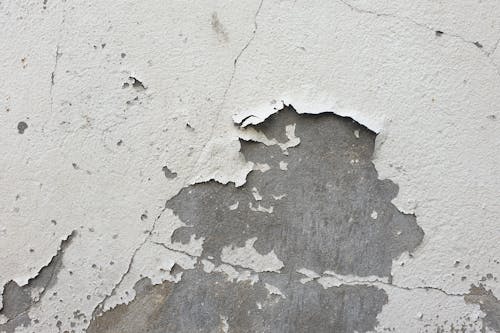
Small nail holes are normal, but dents from doorknobs, furniture, or toys reveal rougher activity. Drywall is soft, so even medium impacts leave a mark. When you see many dents in one area, it usually means repeated collisions. These signs hint that the household didn’t handle the space gently.
Patch marks also reveal a story. If they’re uneven or poorly sanded, it suggests quick fixes rather than proper repairs. Multiple patches scattered across the home can indicate ongoing damage. That pattern points to harder-than-normal living conditions.
6. Worn or Cracked Countertops
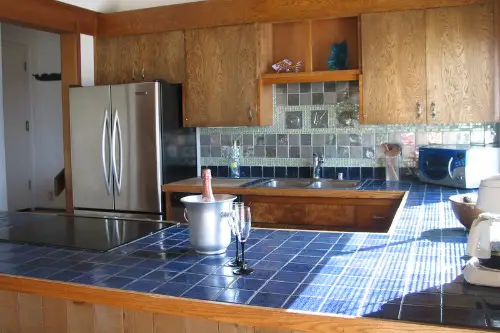
Countertops hold up well under daily use, so deep cuts or burn marks indicate heavier wear. These usually come from cutting without boards or placing hot pans directly on the surface. Laminate that’s peeling at the edges often means it’s been exposed to heat or moisture repeatedly. These problems signal less careful kitchen habits.
Granite or quartz can crack when something heavy is dropped on them. Chips along the edges are especially telling. These materials are durable, so damage means significant impact. It’s a clue that the space has been treated roughly over time.
7. Loose or Wobbly Handrails
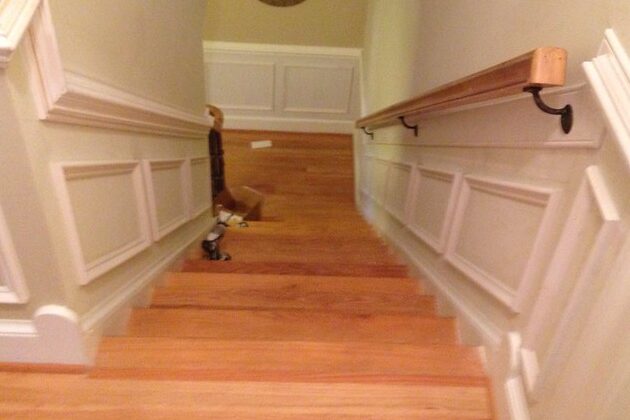
Handrails are meant to provide support, so they’re firmly anchored when installed correctly. If one wiggles or shifts under pressure, it may have been yanked or leaned on excessively. Screws can loosen when rails are used as climbing aids or grabbed too forcefully. This type of wear shows the home has experienced rough physical interaction.
Railings with chipped paint or dented wood add further evidence. These signs often come from hard objects repeatedly bumping into them. Metal rails may show scratches or bending where weight was applied. All of this suggests the home experienced more forceful use than normal.
8. Appliances With Excessive Wear
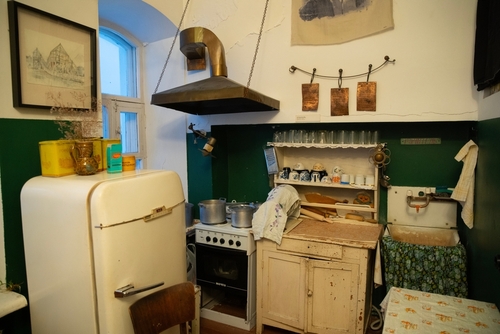
Normal appliance wear includes light scratches or fading, but cracked shelves or broken knobs tell a different story. These issues typically come from slamming doors or overstuffing compartments. Washer and dryer lids can dent when heavy items are dropped on them. These physical signs reflect rough treatment rather than simple aging.
If appliance seals are torn or warped, that’s another clue. Fridge seals often fail when doors are left open or forced shut repeatedly. Dryer lint traps that are bent or damaged show improper handling. All of this suggests the appliances weren’t used with care.
9. Damaged Window Frames or Tracks

Window tracks collect dust, but bent or broken ones reveal rough use. Forcing windows open when they’re stuck can twist the frame. Cracked locking mechanisms also suggest someone applied too much pressure. These issues show the windows haven’t been handled properly.
Wooden frames with chips or splintering are another sign. These often result from items knocking into them or pets clawing at the surface. Warped frames can mean moisture exposure, but they can also come from being slammed repeatedly. Collectively, these signs point to hard usage.
10. Stains or Burns on Ceilings
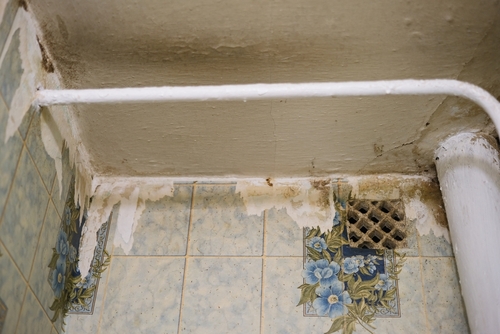
Ceilings generally stay clean unless something happened. Soot marks come from candles held too close or from smoking indoors. Grease stains can appear when cooking without proper ventilation. These conditions indicate the residents weren’t careful with activities that can affect surfaces.
Burn spots are more serious and often come from light fixtures overheating. Sometimes they’re caused by bulbs with wattage that’s too high for the fixture. Water stains can be unrelated to behavior, but dark edges around them often show long-term neglect. These marks suggest the home didn’t get attentive maintenance.
11. Exterior Siding With Cracks or Dents
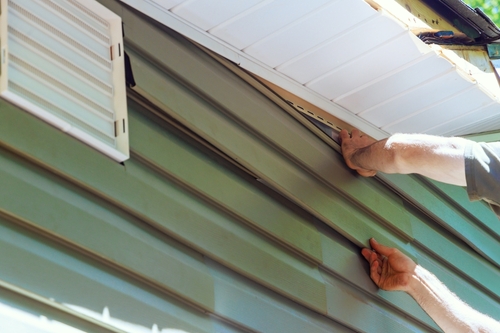
Siding holds up to normal weather, but dents suggest impacts from sports, tools, or rough play. Vinyl siding especially shows damage when hit hard. Cracks often develop after repeated stress on the same area. These issues signal active, forceful use outdoors.
Wood siding with gouges or chipped paint gives more evidence. These typically result from bikes, lawn equipment, or pets scratching against the house. Peeling paint can also mean the surface wasn’t cared for properly. Altogether, the exterior shows the home may have seen rougher activity.
12. Scuffed or Deeply Scratched Flooring
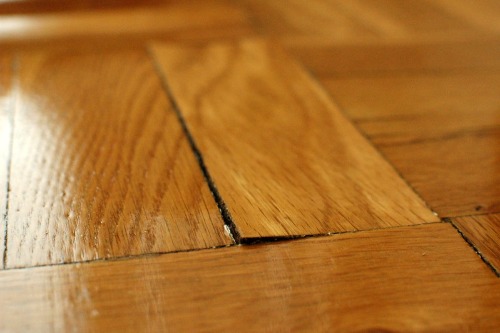
Hardwood and laminate floors usually show light wear over time, but deep gouges or wide scuffs signal heavy use. These marks are often caused by sliding furniture, dropped items, or pets with untrimmed nails. If the damage covers large areas instead of just traffic paths, it suggests consistent rough treatment. Repairing these issues can be expensive, so they’re worth noting.
Carpet can show rough use too, especially if it has matted fibers or dark, set-in stains. When vacuuming or steaming doesn’t lift the pile back up, it usually means the carpet has been heavily compressed or neglected. Rips in the fabric or seams pulling apart are also red flags. These issues often point to long-term use without proper care.
This post 12 Signs a Home Has Been Used Roughly was first published on Greenhouse Black.
