
1. Light switches that don’t seem to control anything logical

You flip a switch near the door and nothing obvious happens, or a hallway switch controls a random outlet behind a couch. This usually happens when someone renovates without actually living with the daily flow of the space. They wire things to meet minimum code or convenience during construction, not real-world use. A resident would immediately notice and fix how annoying that feels.
In many flipped homes, switches are placed based on framing access rather than habit. It’s faster and cheaper to reuse existing wiring paths than rethink the layout. Someone living there would quickly get tired of fumbling in the dark or turning on the wrong light. When no one has to live with it, that friction doesn’t matter.
2. Open shelving everywhere, but nowhere to hide clutter
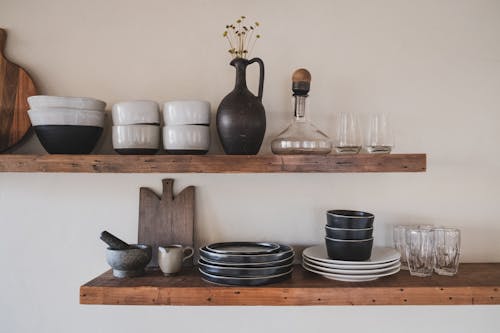
The kitchen looks great in photos, but you’re wondering where cereal boxes and mismatched mugs are supposed to go. Open shelving is often chosen because it photographs well and costs less than full cabinetry. It’s a favorite move for people renovating to sell, not to live. Daily life requires places to stash the messy stuff.
People who actually live in a home learn quickly how much visual noise open shelves create. Dust, grease, and constant styling become a chore. Renovators who won’t be cooking there don’t experience that downside. The result is a kitchen designed for showings, not weekday mornings.
3. Bathroom finishes that look luxe but feel impractical
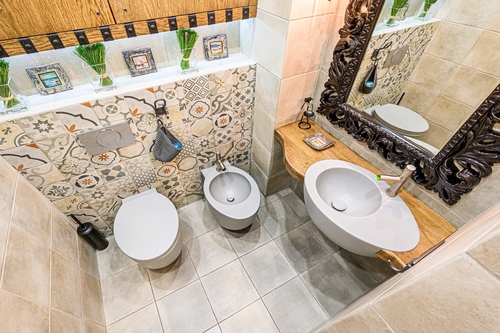
You see marble tile everywhere, including the shower floor, and it’s already a little slippery. Natural stone looks upscale, but it requires sealing and careful cleaning. Someone who lives there would think about maintenance and safety long-term. A short-term renovator is focused on the initial wow factor.
This is especially common with glossy tiles in wet areas. They meet aesthetic goals but aren’t always the most functional choice. A homeowner usually balances beauty with daily comfort. When the renovator won’t be the one stepping out of that shower, the tradeoff is easier to ignore.
4. Outlets placed too high, too low, or just oddly spaced
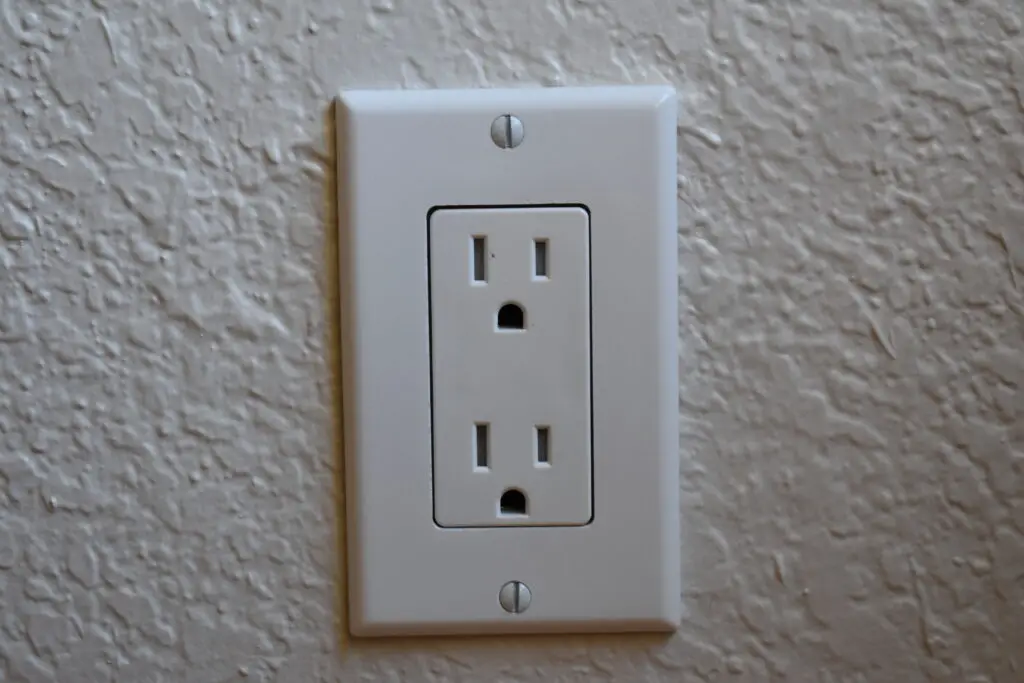
You notice outlets floating several inches above the countertop backsplash line or placed awkwardly behind where furniture clearly goes. This often happens when the renovator is working off a generic plan rather than lived experience. Code allows a range of placement, but comfort narrows that range fast. Someone living there would immediately adjust after plugging things in.
Renovations done quickly often prioritize passing inspection over optimizing use. Electricians install outlets where it’s easiest during rough-in. A resident would notice cords dangling or furniture blocking access. When no one has to live with the inconvenience, it stays as-is.
5. Trendy finishes that clash with the home’s age
You walk into a 1920s house and find ultra-modern fixtures that feel slightly out of place. This usually signals someone chasing current trends instead of respecting how the house actually lives. People renovating to sell aim for broad appeal, not long-term harmony. They assume the next owner will adapt.
Homeowners who plan to stay often think about how updates will age. They’re more cautious about trends that might feel dated quickly. A non-resident renovator doesn’t have to live through that shift. They just need it to look current right now.
6. Storage that’s technically there but functionally useless
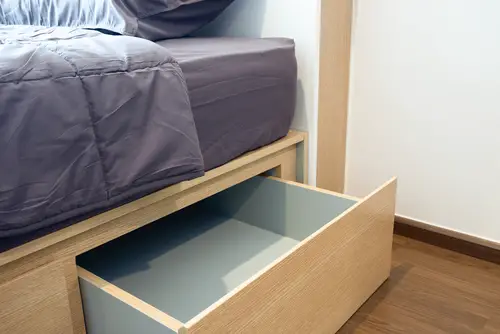
There are shallow closets, awkward corner cabinets, or shelves you can’t reach without a step stool. These features technically count as storage, which looks good on a listing. In real life, they don’t hold much or are annoying to use. Someone living there would quickly realize the problem.
This often happens when walls are moved without rethinking how items are actually stored. Renovators maximize visible space, not usable space. A homeowner learns fast what doesn’t work when putting things away every day. If no one lives there, the flaw stays hidden.
7. Appliances chosen for looks instead of performance
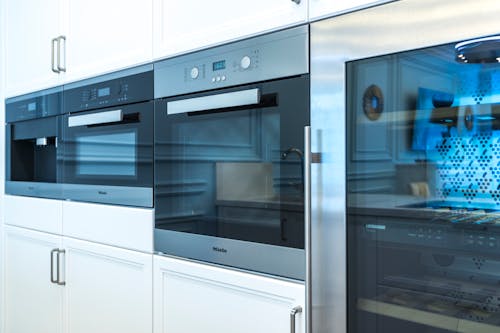
The range is sleek but underpowered, or the fridge has limited interior space despite its size. Appliance choices like this are common when aesthetics lead the decision. Renovators often choose models that look high-end without researching daily performance. They won’t be the ones cooking on it every night.
People who live in their homes tend to prioritize reliability and function. They read reviews, compare layouts, and think about capacity. A short-term renovator is focused on visual impact during a showing. The gap shows once the house is actually used.
8. Inconsistent quality from room to room

One bathroom is beautifully finished, while another feels oddly basic or rushed. This usually indicates budget allocation meant to impress buyers quickly. High-traffic or visible spaces get attention, while secondary rooms get whatever is cheapest. Someone living there would notice the imbalance every day.
Homeowners tend to want consistency because they experience all rooms regularly. A renovator focused on resale prioritizes what buyers see first. The less visible spaces are unlikely to make or break a sale. That unevenness is a strong clue.
9. Paint choices that look great but show wear immediately

Dark matte walls or ultra-light floors already show scuffs and fingerprints. These finishes are popular in listings because they photograph beautifully. They are also notoriously high-maintenance. Someone planning to live there would think twice.
Residents quickly learn how finishes hold up to real life. Kids, pets, and daily movement reveal weaknesses fast. A non-resident renovator doesn’t experience that wear. They only need it to look perfect for a short window.
10. Furniture layouts that only work when the room is empty

You can’t figure out where a couch or bed would realistically go without blocking something. This often happens when walls are moved to create “open” space without living in it. On paper, it looks spacious and flexible. In reality, it’s awkward.
People who live in a home test layouts naturally over time. They notice pinch points and traffic flow problems. Renovators rely on staging or imagination instead. Once the staging is gone, the issues become obvious.
11. Hardware that feels cheap compared to the rest of the room
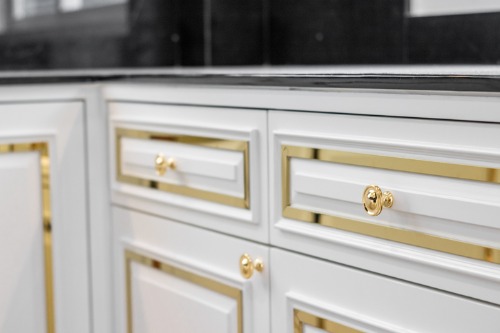
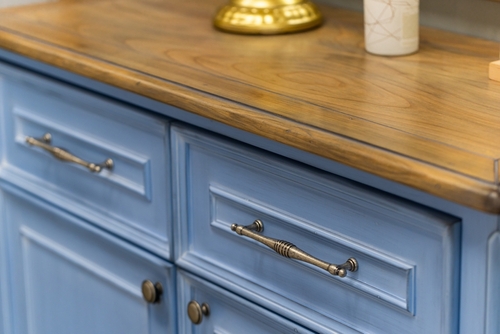
The cabinets look nice, but the handles are flimsy or already loose. This is a classic cost-saving move in quick renovations. Hardware is easy to swap later, so it’s often where corners are cut. Someone living there would feel that annoyance daily.
Homeowners tend to invest in the things they touch all the time. Drawers, knobs, and hinges matter more in daily use than in photos. A non-resident renovator optimizes for first impressions. The mismatch becomes clear with use.
12. Repairs that solve appearances, not root problems
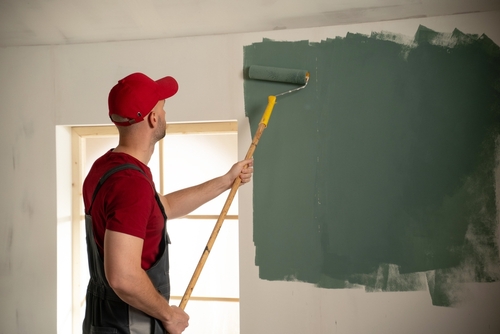
A ceiling is freshly painted, but there’s no sign the underlying leak was addressed. Cosmetic fixes are common when the goal is to sell quickly. They make issues less visible without fully resolving them. Someone living there would want peace of mind.
Homeowners usually fix problems because they don’t want them to come back. A renovator who won’t be around just needs the issue to disappear temporarily. These surface-level solutions often reveal themselves over time. That’s when you realize no one actually lived with the house after the work was done.
This post 12 Signs a Home Was Renovated By Someone Who Didn’t Live There was first published on Greenhouse Black.
