
1. The sofa blocks a doorway
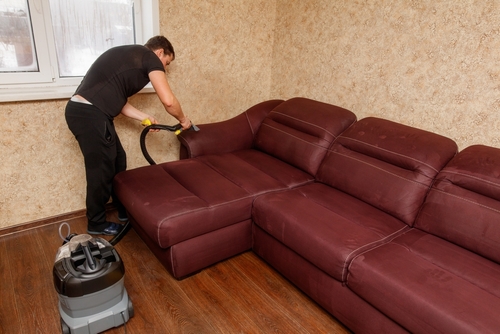
You walk into the room and immediately notice the sofa cutting across a natural walking path. It looks fine in a wide-angle photo taken from one corner. In real life, everyone has to sidestep around it. Moving furniture just to pass through a room gets old fast.
This usually happens when layouts are staged for symmetry rather than circulation. Designers optimizing for photos often center furniture on walls instead of thinking about how people enter and exit a space. Over time, this leads to scuffed furniture edges and annoyed housemates. A livable room always prioritizes clear walkways over perfect alignment.
2. The kitchen island has no seating clearance

At first glance, the waterfall-edge island looks sleek and magazine-ready. Then you try to pull out a stool and realize your knees hit the cabinetry. The photo was taken without anyone actually sitting there. In daily life, the island becomes decorative instead of functional.
Proper seating requires specific clearances for legs and movement. When those measurements are ignored, the island fails at its main social purpose. This often signals that visual impact mattered more than usability. Kitchens designed for living invite people to sit, linger, and move comfortably.
3. The bathroom has nowhere to put toiletries
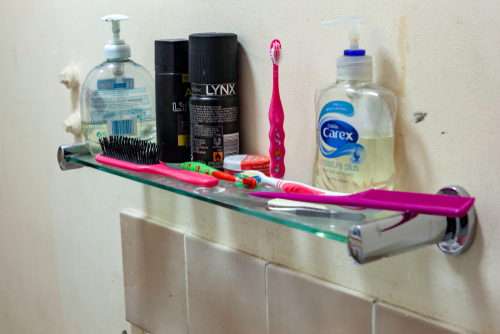
The sink area looks clean and minimalist in photos. In reality, there is no counter space for a toothbrush or soap dispenser. Everything ends up balanced on the edge or stuffed under the sink. The bathroom quickly feels cluttered despite the sleek design.
This usually means storage was sacrificed for aesthetics. Open sinks and vessel basins photograph well but reduce usable surface area. Daily routines require accessible storage, not styled emptiness. A bathroom meant for living anticipates real habits, not just a staged shoot.
4. The lighting is dramatic but impractical

The house relies heavily on statement pendants and accent lighting. Rooms look moody and atmospheric in pictures. At night, it is hard to read, cook, or clean without straining your eyes. You end up adding lamps just to function.
Photo-forward lighting emphasizes shadows and focal points. Real living requires layered lighting that covers tasks and general use. When ambient and task lighting are missing, comfort suffers. A livable home balances drama with visibility.
5. The open shelving is already overwhelming
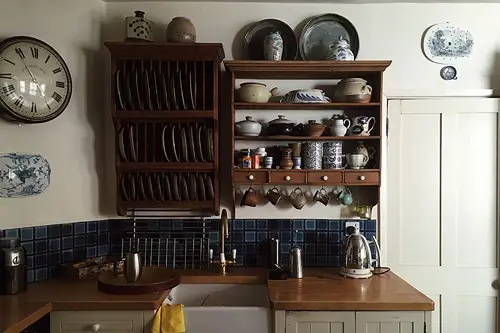
The kitchen or living room features long runs of open shelves. In photos, they hold a few carefully styled objects. In real life, everything you own ends up on display. The space looks messy almost immediately.
Open shelving requires constant maintenance to look good. Designers often underestimate how much stuff people actually use. This setup favors styling over storage efficiency. Homes designed for living hide clutter without demanding daily curation.
6. The dining area only works from one angle
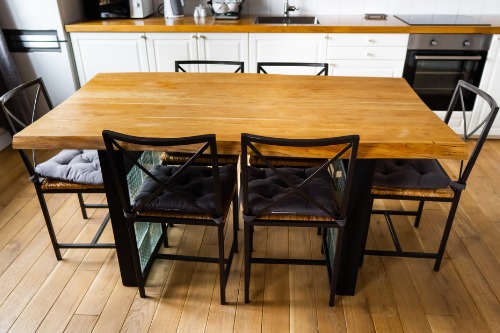
The dining table looks perfectly centered in listing photos. When you walk around it, chairs bump into walls or windows. Only one side has enough clearance to sit comfortably. Hosting a full meal becomes awkward.
This is a common result of designing for a single camera viewpoint. Real dining spaces need room for chairs to pull out and people to circulate. Ignoring these needs limits how the space can be used. A functional dining area works from every angle, not just the best one.
7. The bedroom has no place for real storage
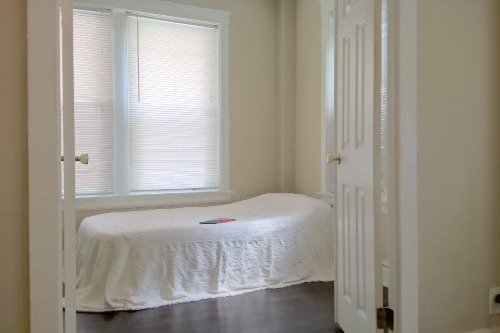
The bedroom looks serene and uncluttered in photos. There is a bed, two tiny nightstands, and nothing else. Closets are undersized or nonexistent. Clothes end up piled on chairs or floors.
Minimalist staging often hides storage problems. Real bedrooms need space for clothing, linens, and personal items. When storage is inadequate, the room quickly feels chaotic. A livable bedroom supports daily routines, not just visual calm.
8. The bathroom fixtures are hard to clean
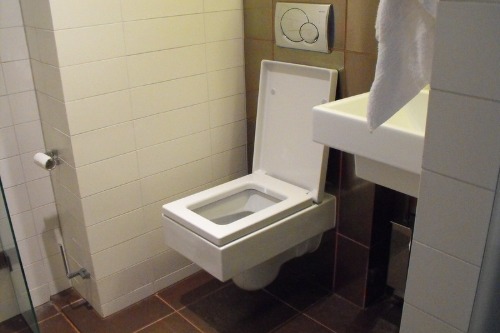
The bathroom features floating toilets, textured tiles, or sculptural sinks. They look striking in close-up shots. In practice, grime collects in hard-to-reach places. Cleaning takes twice as long as it should.
These choices are often made for visual novelty. Designers sometimes overlook long-term maintenance. Homes meant for living consider how materials age and wear. Easy cleaning is a form of comfort that photos cannot show.
9. The entryway is styled but not functional
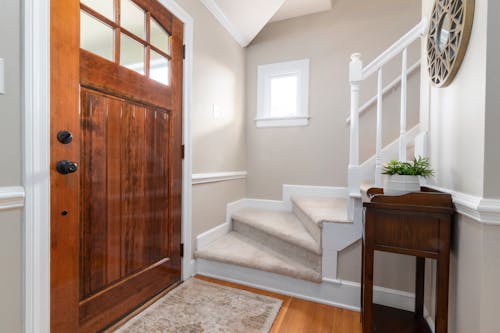
The entry looks great with a mirror, a console table, and a plant. There is nowhere to sit and nowhere to hang a coat. Shoes pile up immediately. The space fails at its most basic job.
Entryways designed for photos focus on first impressions. Real entryways manage transitions between outside and inside. Without hooks, storage, and seating, chaos sets in. A livable home plans for what people actually carry.
10. The outdoor space is all furniture and no flow

The patio or balcony is packed with coordinated furniture. It looks inviting in wide shots. Walking through it requires squeezing past chairs and tables. Using the space feels cramped instead of relaxing.
Photo styling often fills every corner to signal luxury. Functional outdoor spaces need circulation and flexibility. Too much furniture limits movement and comfort. Living-focused design leaves room to breathe.
11. The materials prioritize looks over comfort
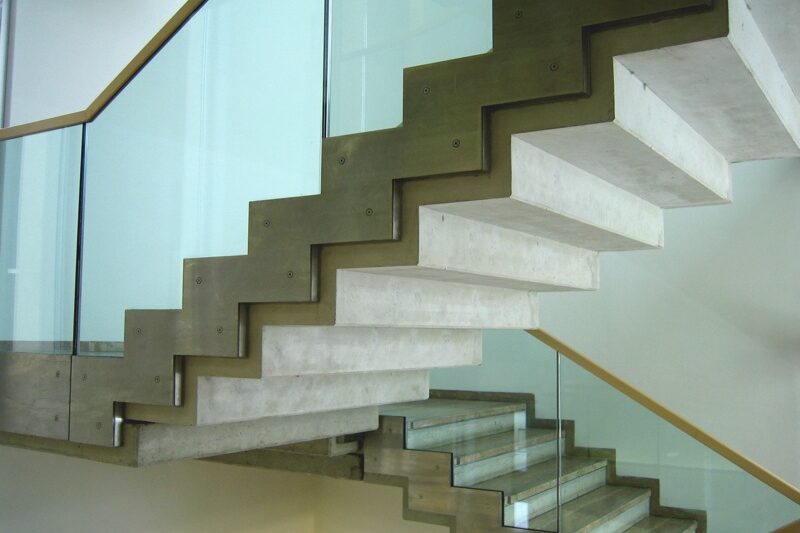
The house features concrete floors, metal stools, or ultra-slim seating. These elements photograph beautifully. They are cold, hard, or uncomfortable to use daily. Guests never stay seated for long.
Visual texture often wins over physical comfort in photo-driven design. Living spaces need materials that feel good over time. Comfort encourages use and connection. A home designed to live in welcomes people to stay.
12. The space needs constant resetting to look good
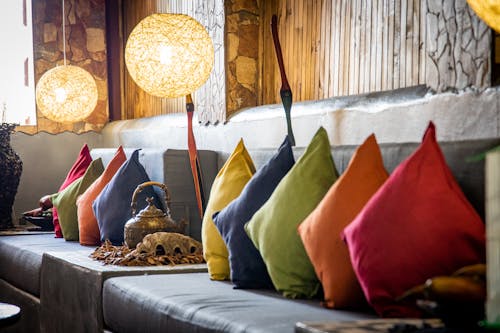
After one normal day, the house looks nothing like the photos. Pillows are out of place and surfaces are covered. Keeping it photo-ready feels like a part-time job. Living there becomes stressful.
This is the clearest sign of a photo-first design. Homes meant for real life tolerate mess and movement. They recover easily without constant styling. A truly livable house works with you, not against you.
This post 12 Signs a House Was Designed for Photos, Not Living was first published on Greenhouse Black.
