
1. Every Surface Is Styled Like a Flat Lay
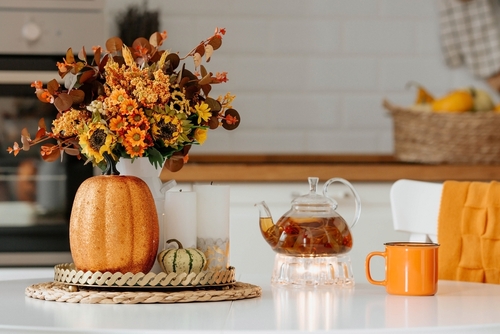
If your coffee table looks like it’s permanently mid–photo shoot, you might be decorating for Instagram. Perfectly placed books, a candle that’s never been lit, and a sprig of eucalyptus can make a space look curated—but not necessarily lived in. Real homes have remote controls, mugs, and maybe a few crumbs. A perfectly composed scene might photograph beautifully, but it’s not practical for daily life.
When surfaces are styled for the camera, they often lack negative space—the “breathing room” that makes a room functional. Designers note that flat lay–style decor tends to prioritize symmetry and visual balance over usability. That means you’re constantly moving items out of the way just to use your own table. If you’re doing more rearranging than relaxing, that’s a red flag.
2. You Own More Throw Pillows Than Actual Chairs
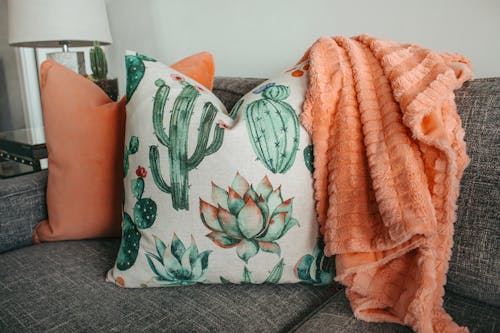
An abundance of pillows looks cozy online, but in reality, it can make a sofa impossible to sit on comfortably. If guests have to move half your decor before sitting down, you’re prioritizing aesthetics over function. Social media has fueled this trend by showcasing “layered” looks that photograph as plush and inviting. But those setups aren’t designed for lounging—they’re designed for scrolling.
Interior experts often remind people that comfort is the cornerstone of good design. The goal of a home is to be lived in, not styled endlessly. Pillows can add texture and warmth, but when they start interfering with your ability to actually use your furniture, they’ve crossed into performative territory. Less is often more when it comes to everyday comfort.
3. You’re Obsessed with Keeping Everything “Photo-Ready”
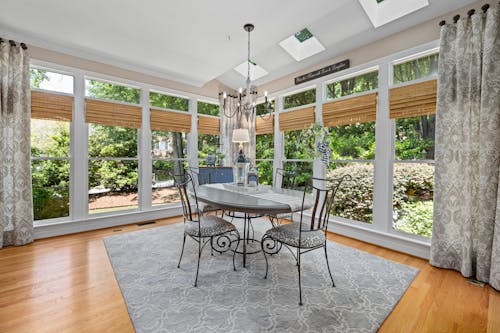
If you find yourself cleaning up every time natural light hits your living room, you might be staging rather than living. Real homes have off days—blankets tossed over couches, shoes by the door, and dishes drying on the counter. But if you’re constantly worried about how your space looks in photos, it’s probably designed for your followers, not your family. The pressure to maintain perfection can make your home feel like a set instead of a sanctuary.
The psychology behind this is simple: social media rewards aesthetic consistency. When you get validation for your decor choices online, it reinforces that “perfect equals good.” But the upkeep is exhausting and often unsustainable. Homes are meant to evolve, not stay frozen in a filtered moment.
4. You Choose Decor Based on Trends, Not Taste
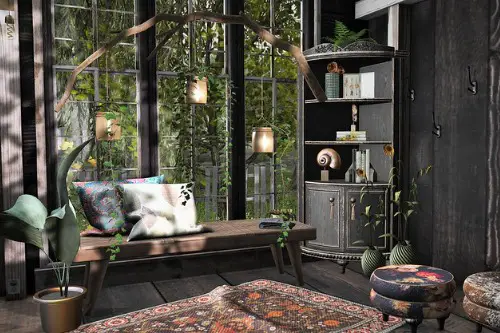
If you redecorate every time a new color palette trends on TikTok, you’re not alone—but it’s a sign your space is driven by algorithms, not authenticity. Rapid decor trends like “coastal grandmother” or “dark academia” make it easy to swap out your identity with a shopping cart. The problem? You end up with a home that feels generic, not personal.
Designers emphasize that good interiors tell your story, not the internet’s. A space that reflects your lifestyle and history stays relevant far longer than a trend cycle. When your walls or furniture choices feel dated within months, it’s a clue they were chosen for likes, not longevity. Your taste deserves more credit than the latest hashtag.
5. You Avoid Color Because “Neutrals Photograph Better”
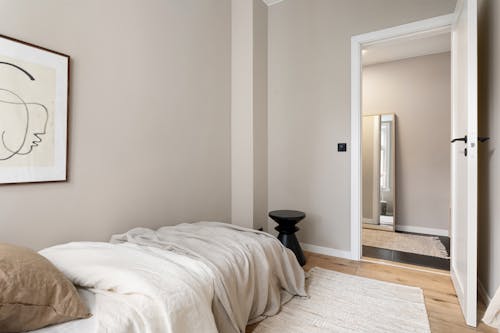
Beige, greige, and white are staples of the Instagram aesthetic because they look clean and consistent in photos. But living in an entirely neutral space can feel sterile or uninspired over time. If you’ve stripped away color because it’s “safer,” you may have sacrificed personality for polish. Real homes thrive on warmth, not just balance.
Color psychology research shows that hues influence mood—blue can calm, yellow can energize, green can restore focus. When you avoid color altogether, you might unintentionally dull the emotional feel of your space. Neutrals have their place, but they shouldn’t replace joy. A pop of color can make your home feel lived in, not just liked.
6. You Buy Decor Just for Photoshoots
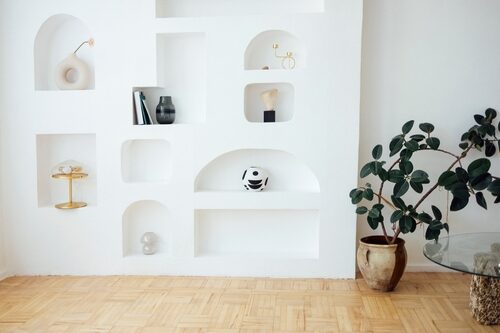
If you’ve ever purchased something purely because it’ll “look good in pictures,” you’re probably in influencer mode. Maybe it’s an aesthetic kitchen gadget you never use or a neon sign that doesn’t match your vibe. These items often end up collecting dust once the novelty fades. It’s a costly way to decorate, both financially and emotionally.
Experts in consumer behavior point out that social media encourages “aspirational buying”—purchasing for the lifestyle you want to project rather than the one you have. That cycle creates clutter and dissatisfaction. Real design starts with need and function, not optics. If it doesn’t make your day-to-day easier or happier, it probably doesn’t belong.
7. Your Space Feels Inhospitable to Kids or Pets
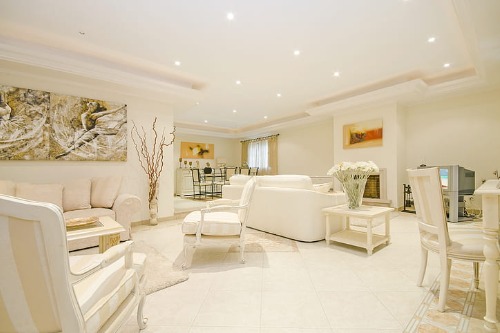
If you’re constantly shooing the dog off the couch or telling kids not to touch anything, your space might be too precious. Instagram rooms often feature delicate materials like linen, glass, and white upholstery. While beautiful, they’re not realistic for busy households. A home that can’t handle real life isn’t serving its purpose.
Designers often recommend balancing beauty and durability—performance fabrics, washable rugs, and rounded edges. These choices still look good, but they also hold up to the messiness of living. When your decor makes you anxious instead of relaxed, that’s a sign of misplaced priorities. A little imperfection often makes a home feel more human.
8. You Have Decor That Serves No Purpose
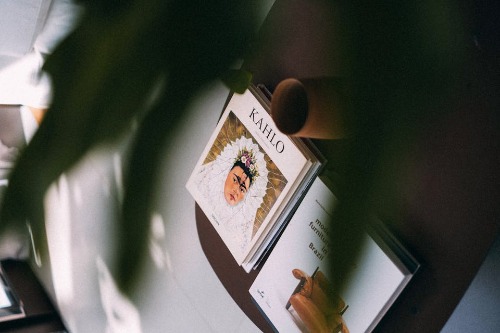
Those stacks of decorative books you’ve never opened? They’re a classic example. Instagram loves props that suggest sophistication, but real homes value meaning and function. When your shelves are filled with “stuff” instead of stories, they stop reflecting who you are.
Interior stylists say that purposeful decorating creates emotional connection. A vintage clock from your grandparents or a souvenir from a trip tells a story photos can’t capture. When every item exists just to fill a frame, your space starts to feel hollow. Decor should be a reflection of life, not a placeholder for it.
9. You Use Lighting for Aesthetic, Not Ambiance
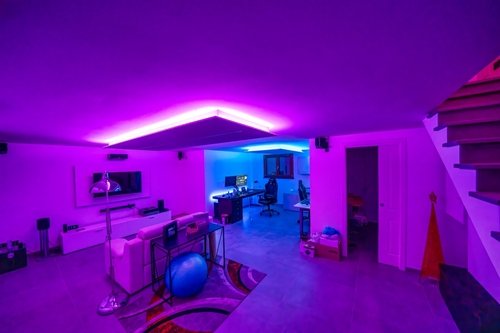
Fairy lights, LED strips, and neon signs might make your feed sparkle—but they can make real rooms feel cold or harsh. Proper lighting supports both function and mood, not just aesthetics. If your living room looks good only at one specific hour of golden light, it’s probably been staged for photos. Real homes need layered lighting that works all day long.
Lighting designers emphasize the importance of variety: ambient, task, and accent light. Instagram trends often skip this, opting instead for purely decorative glows. That might look whimsical online but won’t help you read, cook, or relax comfortably. Good lighting should make life easier, not just prettier.
10. You Avoid Showing Real Signs of Life
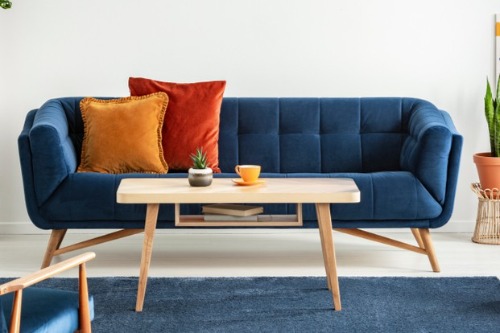
Blankets are folded perfectly, plants are always thriving, and there’s never an open laptop in sight. If your home feels too perfect, it might not be reflecting your actual lifestyle. Real homes tell stories through lived-in details—a half-burned candle, a coffee stain, or a slightly crooked frame. Those imperfections make spaces feel authentic.
Cultural psychologists note that people often curate their homes to match an “ideal self-image.” Social media amplifies that by rewarding perfection over personality. But when your home hides evidence of living, it stops being relatable—even to you. A little mess can actually make your space more inviting.
11. You Prioritize “Vibes” Over Comfort
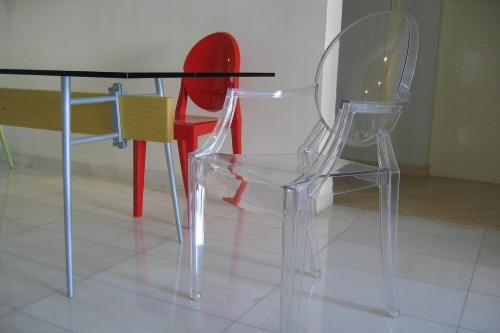
That sleek minimalist chair might look stunning on camera—but how long can you actually sit in it? Design that values form over comfort tends to age poorly. If you’ve ever avoided using something because it’s too fragile or uncomfortable, it’s decor for display, not for life. And that’s a missed opportunity for real joy.
Comfort-based design isn’t anti-aesthetic—it’s pro-human. Ergonomic furniture, plush fabrics, and cozy lighting can still photograph beautifully when styled intentionally. The key difference is that you’ll actually want to be there. When comfort and style coexist, your home becomes truly livable.
12. You Think of Your Home as “Content”
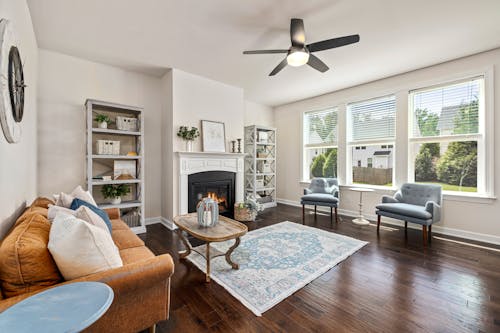
If you mentally frame your space through a camera lens before making changes, you’re treating your home like a backdrop. It’s easy to do in the influencer era, where everything from a dinner table to a bookshelf can become a post. But a home isn’t a marketing set—it’s a personal ecosystem. Decorating for content can disconnect you from your own comfort.
Psychologists suggest that constant self-curation can increase stress and reduce satisfaction with personal spaces. When you view your environment as a product, it’s hard to relax in it. Homes should evolve with your needs, not your feed’s expectations. The best spaces aren’t “content-worthy”—they’re life-worthy.
This post 12 Signs You’re Decorating for Instagram — Not for Real Life was first published on Greenhouse Black.
