
1. Quiet Nights That Didn’t Need Sound Machines
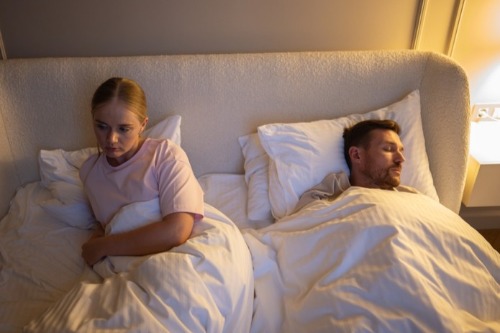
At one point, most neighborhoods actually got quiet at night. Traffic volumes were lower, delivery trucks stopped earlier, and fewer people idled outside with engines running. That made open windows practical for sleeping in warm months. The comfort wasn’t silence, but the predictable lull that told your body it was time to rest.
As cities densified and on-demand services expanded, night noise became normalized. Rideshares, late deliveries, and constant road use stretched daytime sounds into 24 hours. People adapted with white-noise machines and sealed windows. What disappeared was the effortless calm that didn’t require technology to manage.
2. Appliances You Could Actually Repair

Home appliances used to be designed with repairs in mind. Parts were standardized, manuals were included, and local shops could fix most problems. That meant a broken washer was an inconvenience, not a crisis. The comfort came from knowing one failure wouldn’t cascade into a big expense.
Many modern appliances are cheaper upfront but harder to repair. Proprietary parts, sealed components, and short support windows changed expectations. People now replace instead of fix because repair often costs more than new. The lost comfort is the financial and mental predictability repairs once provided.
3. Physical Knobs and Switches

Physical knobs and switches gave instant feedback. You could adjust heat, lights, or volume without looking or waiting. Muscle memory made these actions automatic over time. That ease reduced friction in daily routines.
Touchscreens and app-based controls added flexibility but also delays. Interfaces change, updates break things, and simple actions require attention. Even small lags accumulate into annoyance. The comfort that faded was effortless control without cognitive load.
4. Front Porches as Social Glue
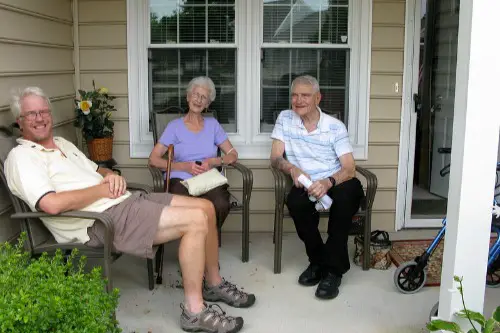
Front porches and stoops once functioned as social buffers. People sat outside in the evening and naturally chatted with neighbors passing by. These low-stakes interactions built familiarity without commitment. They made neighborhoods feel watched over and friendly.
Air conditioning, garages, and screen-based entertainment pulled life indoors. Many newer homes minimize porch space entirely. Social interaction now requires planning instead of coincidence. What’s missing is the comfort of casual community presence.
5. Reliable Local Newspapers

Local newspapers delivered consistent, place-specific information. They covered school boards, zoning changes, and small community events. Reading them anchored people to where they lived. That awareness created a sense of stability and continuity.
As local papers closed or shrank, coverage gaps widened. Online news skews national or algorithmic rather than neighborhood-focused. Important local decisions often happen with less public notice. The lost comfort is feeling informed about your immediate surroundings.
6. Paying With Cash Everywhere

Paying with cash used to be routine for small purchases. It worked during outages, didn’t require accounts, and made spending tangible. Handing over bills created a natural pause to assess cost. That friction helped people feel in control of money.
Digital payments are faster but abstract. Outages, fees, or app changes can suddenly block access. Spending becomes easier to ignore until statements arrive. What people miss is the simple reliability and awareness cash provided.
7. Paper Maps and Spatial Confidence

Paper maps offered a big-picture view of where you were going. You could see alternate routes and nearby towns at a glance. Getting slightly lost often led to discoveries. The comfort came from understanding geography, not just following directions.
GPS navigation optimized routes but narrowed attention. Turn-by-turn prompts discourage spatial learning. When systems fail, many feel disoriented quickly. The lost comfort is confidence rooted in comprehension rather than instructions.
8. Low-Pressure Third Places
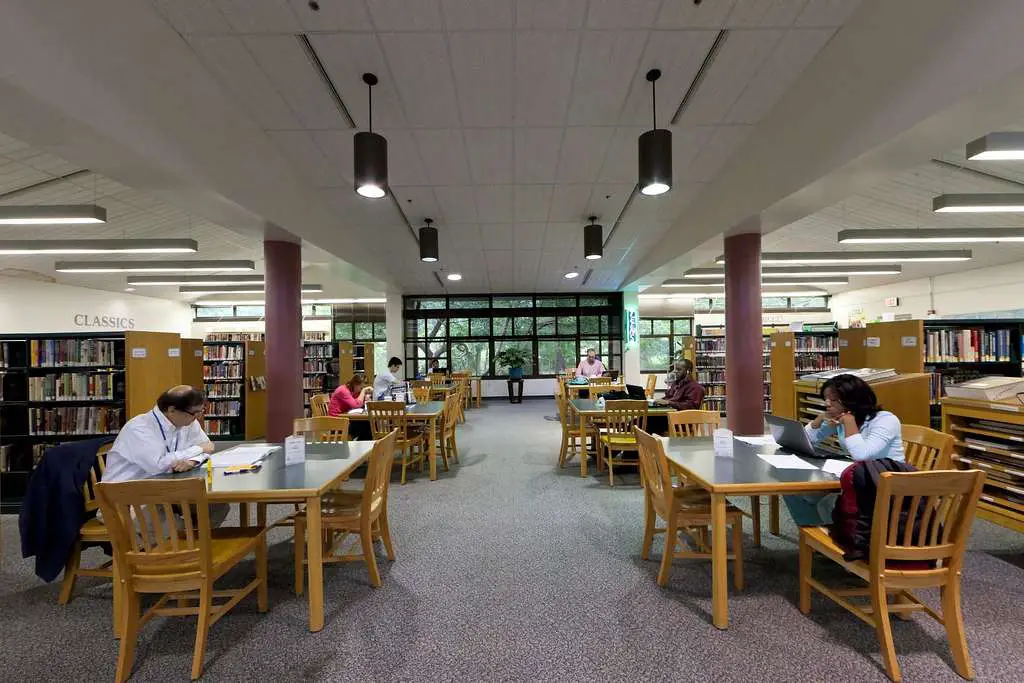
Regular, inexpensive third places once anchored daily life. Diners, libraries, and cafés welcomed lingering without pressure to spend much. You could exist there without an agenda. That availability reduced loneliness in subtle ways.
Rising costs and faster turnover changed these spaces. Many now require constant purchasing or time limits. Remote work also reduced routine foot traffic. What faded is the comfort of neutral spaces where presence alone was acceptable.
9. Being Unreachable by Default
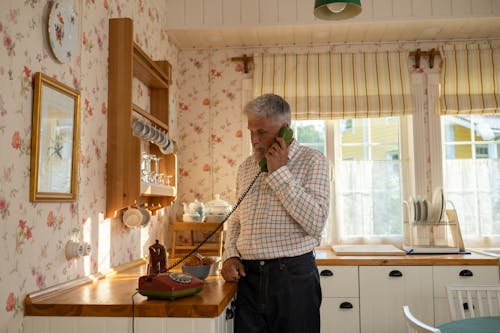
Being unreachable used to be normal. If you left the house, messages waited until you returned. That gap protected focus and personal time. It made rest feel legitimate rather than delayed.
Smartphones collapsed those boundaries. Notifications follow people everywhere by default. Ignoring them can feel socially risky. The lost comfort is guilt-free disconnection.
10. Fresh Air Through Open Windows
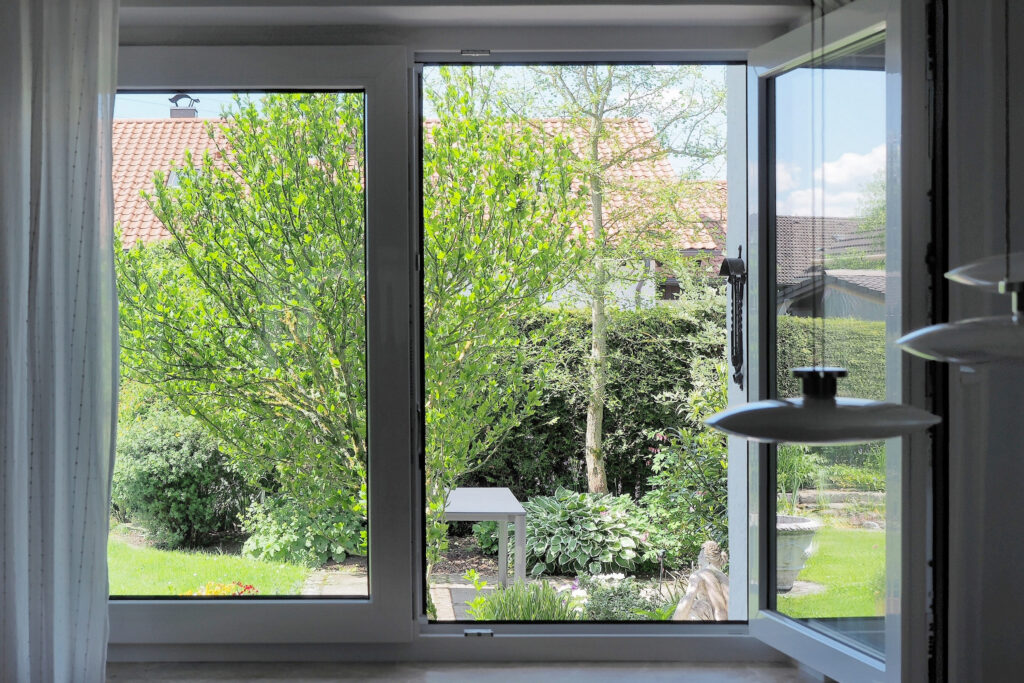
Homes were often designed for cross-ventilation. Window screens allowed fresh air without insects. Seasonal breezes cooled rooms naturally. That made indoor air feel alive and variable.
Sealed buildings prioritize efficiency and climate control. Windows may not open, or opening them is discouraged. Mechanical systems replace natural airflow. What’s missing is the comfort of fresh air as a default, not a feature.
11. Human Customer Service

Customer service once meant talking to a local employee. They had authority to solve problems on the spot. You could explain context instead of selecting options. That human interaction reduced stress.
Automation and centralized support changed that experience. Chatbots, scripts, and long queues are common. Resolution often requires persistence rather than conversation. The lost comfort is feeling heard and helped efficiently.
This post Simple Home Comforts People Didn’t Realize They Were Losing was first published on Greenhouse Black.
