
1. First Aid and Home Care

Families once handled minor injuries and illnesses at home. Basic first aid, wound cleaning, and fever management were common knowledge. Access to doctors could be limited or expensive. Knowing what to do immediately mattered.
Households kept supplies like bandages, thermometers, and poultices. People learned to recognize when something was serious. This reduced unnecessary travel or costs. Expanded healthcare access shifted these skills to professionals.
2. Sewing and Mending Clothes

For most households, owning clothes also meant knowing how to keep them wearable. People routinely hemmed pants, replaced buttons, and patched worn elbows because buying new garments was expensive and infrequent. Sewing skills were practical, not creative hobbies, and were taught early at home. This mattered because clothing represented a significant household investment.
Being able to mend meant a shirt could last years instead of months. Families stretched limited wardrobes by repairing rather than replacing items. Even simple skills like darning socks reduced recurring expenses. The decline came as ready-made clothing got cheaper and faster to replace.
3. Food Preservation by Canning or Drying

Before refrigeration was widespread, preserving food was essential. Families canned fruits, vegetables, and meats to last through winter months. Drying, pickling, and fermenting were common ways to prevent spoilage. These skills ensured food security when fresh options were unavailable.
Preservation required knowledge of timing, cleanliness, and storage. Mistakes could ruin an entire season’s supply. This made accuracy and repetition critical household knowledge. As refrigeration and supermarkets expanded, fewer households needed these methods.
4. Basic Home Repairs

Households once expected to fix everyday problems themselves. Leaky faucets, loose hinges, and broken steps were handled with basic tools. Hiring specialists was costly or impractical, especially in rural areas. Knowing how things worked was part of maintaining a home.
These skills saved money and prevented small issues from becoming major ones. People learned by watching parents or neighbors repair things. Manuals and diagrams were common references. Today, specialized trades and appliances reduced the need for general repair knowledge.
5. Budgeting Without Digital Tools

Managing money once meant writing everything down by hand. Households tracked expenses in ledgers and balanced accounts manually. This skill was crucial when income was fixed and credit was limited. Mistakes had immediate consequences.
People developed a strong sense of spending limits through constant tracking. Planning for rent, food, and emergencies required careful foresight. This made budgeting a daily habit rather than an occasional task. Automation later replaced much of this hands-on awareness.
6. Laundry Without Machines

Doing laundry once involved significant physical effort and planning. Clothes were washed by hand, wrung out, and hung to dry. This required knowledge of fabrics, soaps, and weather conditions. Mistakes could permanently damage clothing.
Laundry days were scheduled events, not background tasks. Knowing how to remove stains or whiten fabric mattered. These skills extended the life of garments. Washing machines gradually removed the need for this level of involvement.
7. Gardening for Food

Many households grew at least some of their own food. Vegetable gardens supplemented staples and reduced grocery costs. Knowing planting seasons and soil conditions was practical knowledge. This skill increased self-reliance during hard times.
Gardening also required planning months in advance. Crop rotation and pest management were learned through experience. Yields directly affected household meals. Modern supply chains reduced dependence on home-grown food.
8. Cooking Meals Completely from Scratch
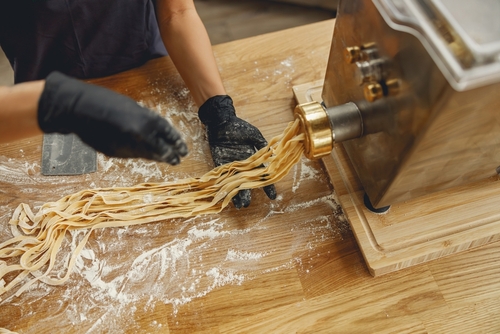
Cooking once meant starting with raw ingredients rather than packaged shortcuts. Home cooks regularly made soups, breads, and sauces without mixes or premade components. This skill was necessary because processed foods were limited or nonexistent. Meals depended on technique and planning rather than convenience.
Knowing how to cook from scratch also allowed households to adapt to shortages or seasonal ingredients. Recipes were flexible rather than brand-specific. This skill supported better use of leftovers and less waste. Over time, convenience foods replaced the need to know foundational cooking methods.
9. Making and Maintaining Fires

Heating and cooking often depended on fire. Households needed to build, control, and maintain wood or coal fires safely. This required understanding airflow, fuel types, and timing. Mistakes could be dangerous or inefficient.
Fire skills affected comfort and survival in cold months. People learned how to store fuel and clean chimneys. These tasks were routine responsibilities. Central heating and electric stoves eliminated the need for this knowledge.
10. Tool Maintenance
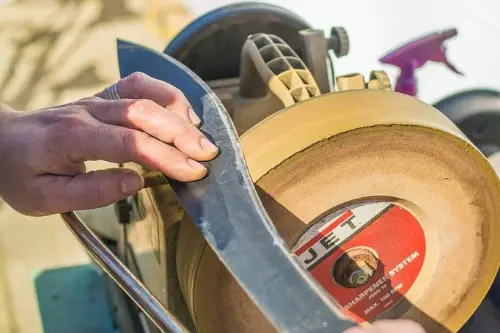
Owning tools once meant knowing how to care for them. Knives were sharpened regularly, and wooden handles were maintained. Tools were expected to last for decades. Replacing them was not easy or cheap.
Maintenance ensured tools worked when needed. Skills like sharpening improved efficiency and safety. People learned to recognize wear before failure. Mass-produced tools later reduced the emphasis on upkeep.
11. Planning Meals Around Seasons

Households once cooked based on what was available at the time of year. Seasonal planning affected recipes, portions, and preservation efforts. This required awareness of harvest cycles. It also shaped family traditions and routines.
Meal planning reduced waste and controlled costs. People adapted menus instead of searching for unavailable foods. This skill encouraged flexibility and creativity. Global food distribution made seasonal limits less visible.
12. Writing Formal Letters and Household Correspondence

Households relied on written letters for bills, disputes, and family matters. Knowing how to write clearly and politely was important. Written communication carried legal and social weight. Errors could cause misunderstandings or delays.
People kept copies and organized paperwork carefully. This skill supported record keeping and accountability. It required attention to tone and detail. Digital communication eventually replaced much of this practice.
This post 12 Skills Households Once Took for Granted was first published on Greenhouse Black.
