
1. Plastic Switch Plates
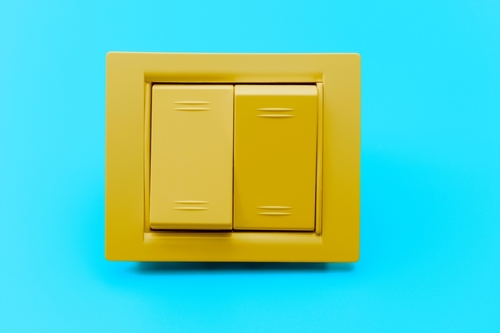
Light switches are one of those details you touch every day but rarely think about—until they look out of place. Cheap, glossy plastic switch plates stand out harshly against a freshly painted wall or high-end wallpaper. In luxury homes, this mismatch can make the space feel unfinished, even if the rest of the design is meticulous. Swapping them out for metal, wood, or matte-finish versions instantly elevates the look without much cost.
It’s a small change that says a lot about attention to detail. Designers often emphasize that consistency in materials matters as much as the materials themselves. When every touchpoint in your home feels deliberate, the entire space reads as higher-end. Think of it as jewelry for your walls—small but statement-making.
2. Builder-Grade Door Handles
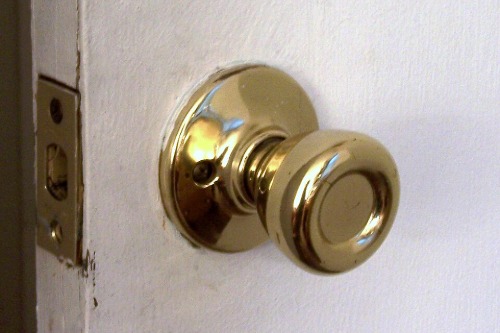
Standard shiny brass or brushed nickel knobs are functional but forgettable. They can make even a custom-built home feel like a developer’s template. Swapping them for modern matte black, antique bronze, or mixed-metal hardware gives your doors an instant upgrade. It’s one of those updates that people subconsciously associate with quality craftsmanship.
Luxury homes often feature hardware that feels substantial in hand. The weight and texture create a sense of permanence and intention. Upgrading door handles throughout your home also adds design continuity, which helps tie spaces together visually. It’s a tactile cue that says, “This home was thoughtfully designed.”
3. Low-End Light Fixtures
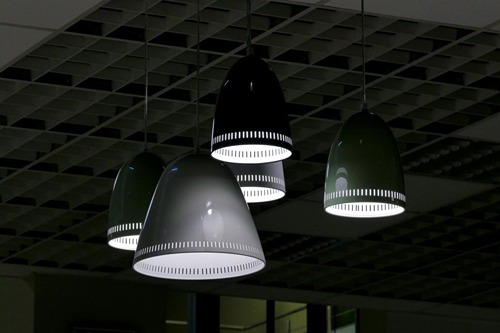
Lighting can make or break a space, and mass-produced, low-cost fixtures give away a home’s age fast. That brushed nickel dome light or generic chandelier might have been trendy in the early 2000s—but now, they scream “builder grade.” Replacing them with statement fixtures in timeless finishes like aged brass or glass elevates the entire mood. It’s one of the easiest ways to shift a room from “nice” to “wow.”
Beyond style, high-quality lighting distributes light more evenly and enhances your finishes and furnishings. Cheap fixtures can cast unflattering shadows or flicker, detracting from even the best décor. Thoughtful lighting layers—like sconces and pendants—add warmth and depth. When light feels intentional, your space feels intentional.
4. Overly Glossy Paint
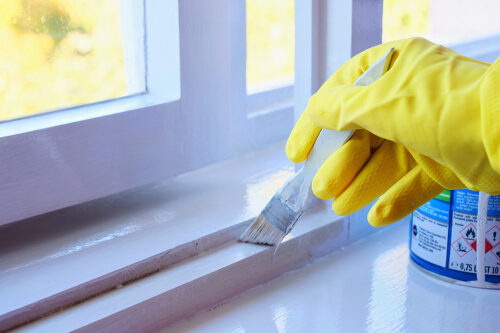
Shiny paint finishes reflect every flaw on your walls—uneven drywall, roller marks, and all. While gloss has its place (like on trim or doors), using it on large walls instantly cheapens the space. Luxury interiors typically favor matte or eggshell finishes for their soft, sophisticated look. They absorb light rather than bounce it, creating a calm, seamless backdrop.
Beyond aesthetics, matte finishes are easier on the eyes and help your furnishings stand out. Glossy paint often looks like a shortcut to “polish” but ends up highlighting imperfections instead. In well-designed homes, texture and sheen are carefully balanced. The wrong sheen can undo an otherwise flawless color choice.
5. Fake Crown Molding
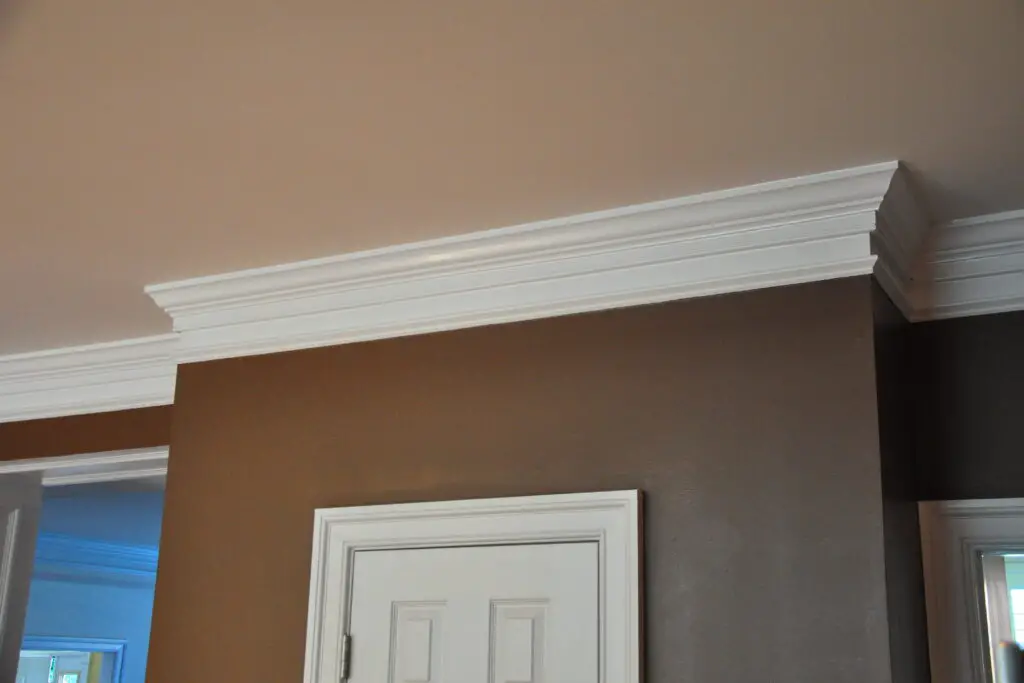
Crown molding adds elegance—when done right. But thin, plastic, or foam versions can warp, show seams, and draw attention for the wrong reasons. In high-end spaces, real wood or plaster moldings are proportioned to the ceiling height and room size. When molding feels flimsy, it visually lowers the ceiling and cheapens the architecture.
Quality trim is one of those subtle cues of craftsmanship. Even if most people can’t name what’s “off,” they sense it. If you’re on a budget, it’s better to skip molding entirely than install poorly made versions. Authenticity almost always looks more expensive than imitation.
6. Cheap Cabinet Hardware
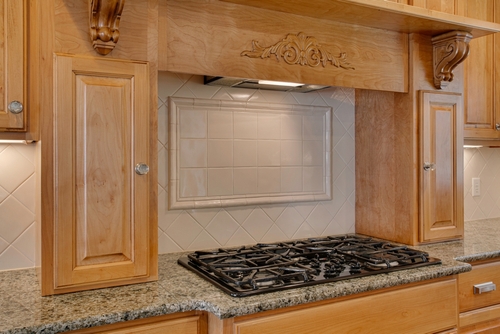
Kitchen and bathroom hardware is like the handshake of a home—it’s small, but it leaves an impression. Flimsy, lightweight handles or knobs can instantly make cabinetry look dated or low-quality. Heavier, well-finished pieces in timeless metals elevate even basic cabinets. It’s one of the simplest ways to make a space feel bespoke.
Quality hardware also tends to wear better, developing a patina rather than peeling or tarnishing. Poor finishes, on the other hand, chip quickly and expose the base metal underneath. When your hardware looks tired, your whole kitchen or bath does too. Swapping it out is an easy weekend project with a major payoff.
7. Plastic or Yellowed Outlet Covers
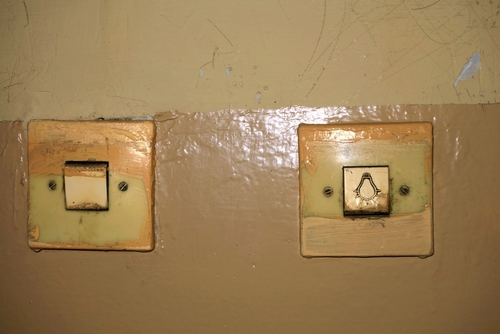
Nothing ruins a crisp, modern wall faster than yellowed or mismatched outlet covers. Over time, UV exposure and cleaning products discolor plastic, giving an otherwise clean home a dingy look. In luxury homes, these small details are updated regularly or chosen in finishes that blend with the wall. Even painting them to match the wall color is a huge improvement.
People might not consciously notice perfect outlet covers, but they definitely notice the bad ones. Consistency and cleanliness are visual markers of care and quality. When every outlet looks fresh and intentional, it reinforces the overall design. It’s one of those fixes that costs almost nothing but instantly refreshes a space.
8. Faux Granite or Laminate Countertops

Laminate counters that mimic stone rarely fool anyone. Their repeating patterns and plastic edges give away their budget origins immediately. Real materials—like quartz, solid surface, or butcher block—add depth and authenticity that laminate just can’t replicate. Even mid-range options now come in elegant, natural finishes that feel high-end.
Surface texture plays a big role in perceived quality. Laminate feels hollow and looks flat under light, while stone has dimension and subtle veining. Homebuyers and guests alike associate weight and texture with luxury. Upgrading your countertop can transform an entire kitchen or bath from dated to desirable.
9. Hollow-Core Interior Doors
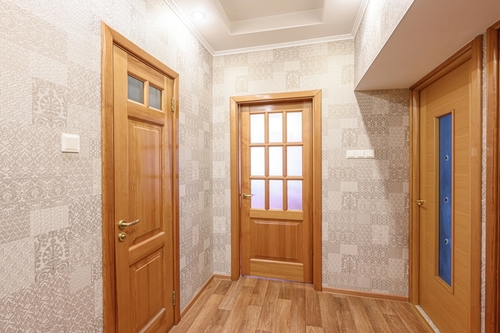
Light, hollow doors are one of the fastest ways to make a house feel cheap. They don’t block sound, they flex when you close them, and they lack that satisfying heft of solid wood. In luxury spaces, doors are often heavier, smoother, and fitted with better hardware. That difference is something people feel every time they enter a room.
Solid-core or solid-wood doors not only look richer but also improve acoustics and privacy. They add to the tactile experience of a home—quiet, solid, and secure. Replacing them is an investment, but it pays off in both comfort and resale value. It’s a subtle luxury that sets high-end homes apart.
10. Sloppy Caulking and Grout
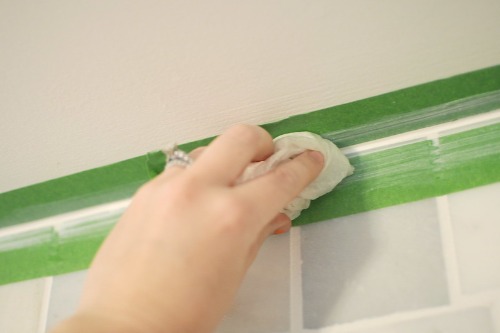
Even the most expensive tile looks bad with messy grout lines or cracked caulk. Poor finishing work immediately signals cut corners, no matter how nice the materials are. Crisp, even grout and clean caulk seams show craftsmanship and care. In bathrooms and kitchens especially, these lines define the difference between “builder basic” and “custom.”
Beyond looks, bad caulking leads to mildew, water damage, and costly repairs. Luxury homes maintain clean, tight seals that protect as well as impress. If your grout is discolored or crumbling, refreshing it can make the entire space feel new. It’s one of the least glamorous fixes—but one of the most impactful.
11. Cheap Vent Covers and Registers
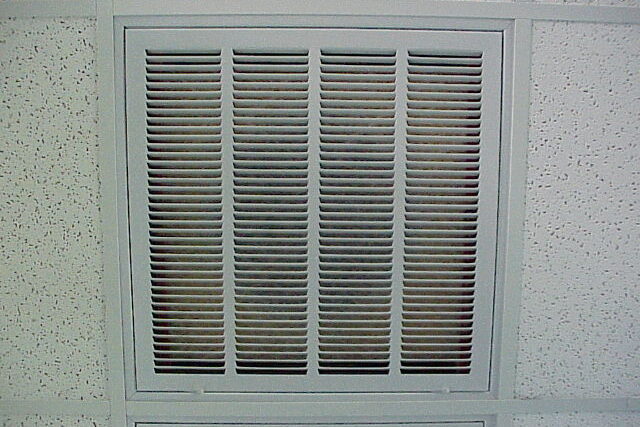
Vents and air returns often go unnoticed until they clash with the rest of the room. Basic stamped-metal grilles in bright white or beige can stick out against premium floors or dark walls. Swapping them for decorative or minimalist versions in finishes that match your trim instantly upgrades the space. It’s a subtle touch that feels custom without breaking the bank.
In high-end homes, these small fixtures are chosen with the same care as lighting or hardware. They blend in seamlessly or serve as design elements in their own right. It’s all about continuity—when every visible piece feels intentional, nothing reads as cheap. Even HVAC details contribute to an atmosphere of quality.
12. Mismatched Metal Finishes
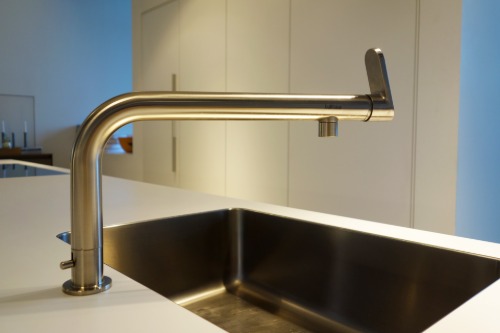
Mixing metals can look intentional and stylish—but only when it’s done carefully. Randomly pairing chrome faucets with brass lighting and black hardware looks more like leftovers than design. Cohesion in finishes gives a sense of flow and purpose throughout the home. Even subtle differences in sheen can create visual noise that distracts from the overall elegance.
Luxury interiors typically stick to one dominant metal and one accent. That repetition feels harmonious and grounded. When everything from cabinet pulls to towel bars relates visually, the space feels curated, not chaotic. Consistency is the difference between “eclectic” and “inconsistent.”
This post 12 Small Finishes That Instantly Cheapen Expensive Homes was first published on Greenhouse Black.
