
1. A Messy Bathroom Counter
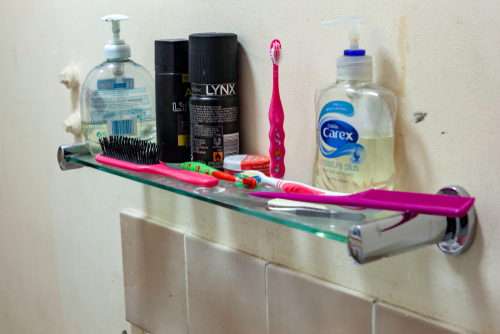
Bathrooms reveal a lot about daily habits, and cluttered counters can seem unintentional. When toiletries, makeup, or grooming tools are scattered, it can feel too personal for guests. People judge bathrooms more critically because hygiene is a sensitive area. A crowded counter can make the entire room feel less clean.
Clearing most items into drawers helps the space feel calmer and more sanitary. A simple hand soap and maybe one decorative item are usually enough. This creates a more guest-friendly environment without losing functionality. A tidy counter suggests you take care of the space consistently.
2. An Overstuffed Entryway

Guests notice clutter immediately because it signals how the rest of the home might feel. When shoes, coats, and bags pile up, it can unintentionally create a chaotic first impression. Even if the rest of your space is tidy, the entryway sets the tone. People naturally judge this spot because it’s the first thing they walk into.
A well-organized entryway feels welcoming and thoughtful. Small touches like a designated shoe area or hooks show that you’ve considered how people enter your home. This makes guests feel more at ease as soon as they arrive. It’s a simple detail, but it shapes their expectations of everything else.
3. Dirty or Scuffed Floors
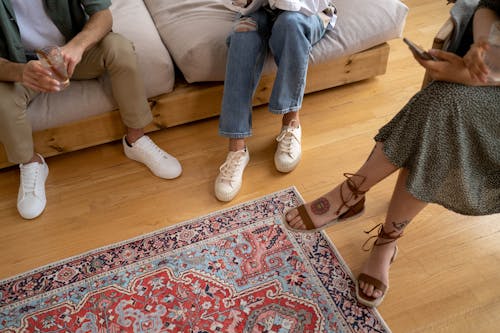
Floors draw the eye because they take up so much visual space. When they’re dusty or scuffed, guests may assume the rest of the home isn’t well-maintained. Even small debris can stand out, especially on hard flooring. People often judge cleanliness by how the floor looks because it’s easy to compare to their own standards.
Quick sweeping or vacuuming before guests arrive ensures a more polished feel. Spot-cleaning stains or smudges helps keep the space looking intentional. When floors look clean, the whole home feels more put-together. It’s a simple way to elevate your overall impression.
4. A Cluttered Coffee Table
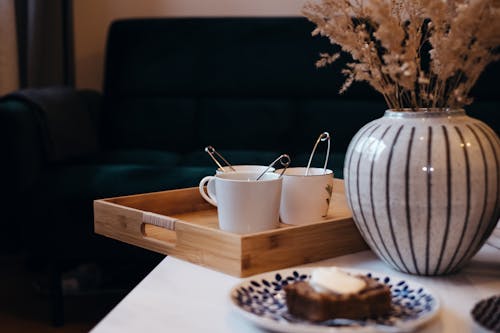
A coffee table tends to become a catch-all, and guests notice when it’s overloaded. Random papers, remotes, and mugs can make the living room feel chaotic. People naturally scan this surface because it’s centrally located. A cluttered table can distract from the comfort of the space.
Keeping just a few curated items helps the room feel calmer. A small tray or single decorative piece adds structure without feeling staged. When everything has a place, guests feel more relaxed sitting down. It shows that the home is both lived-in and thoughtfully arranged.
5. Visible Dust on Surfaces

Dust is a small detail, but it stands out quickly on dark or glossy furniture. Guests often subconsciously check surfaces like shelves, side tables, or TV stands. When dust is visible, it can give the impression of infrequent cleaning. This judgment happens even in otherwise neat spaces.
Wiping surfaces regularly keeps the home feeling fresh and cared for. Microfiber cloths make it easy to catch buildup before it’s noticeable. Guests read this as a sign of general attentiveness. Even minimal effort helps maintain a tidy and inviting environment.
6. Strong or Lingering Odors
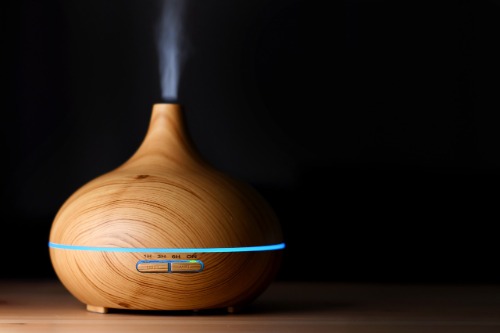
Smell is one of the fastest senses to trigger judgment, and guests notice it before they register anything else. Lingering cooking smells, pets, or overly heavy air fresheners can all give the wrong impression. Even if the home is clean, an unexpected odor can make guests wonder about hygiene. This happens because humans instinctively link scent to cleanliness.
Light, neutral scents are generally more welcoming and easier for guests to tolerate. Opening windows briefly before someone arrives helps refresh the air naturally. Consistent cleaning routines also prevent buildup of stubborn smells. Good airflow and subtle fragrance choices make a big difference.
7. Unkempt Guest Towels
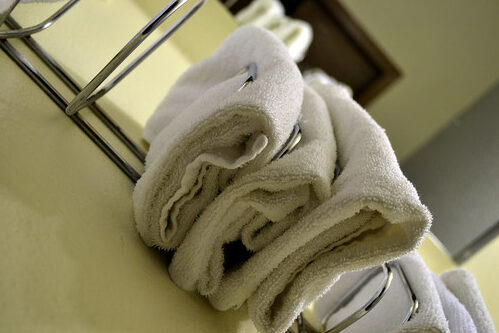
Frayed, mismatched, or musty towels are something guests notice instantly. Towels signal how prepared you are for their comfort. Even if they don’t use them, their appearance makes an impression. Poorly maintained linens can make the bathroom feel less inviting.
Keeping a small set of clean, presentable towels reserved for guests is helpful. Freshly washed towels with a mild scent feel welcoming and intentional. Rolling or neatly folding them elevates the presentation. It shows thoughtful hospitality without requiring much effort.
8. Poor Lighting
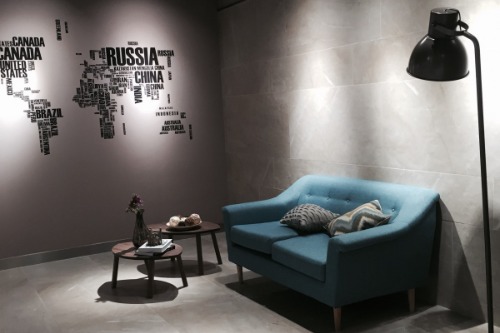
Lighting affects mood, and guests feel it immediately when a room is too dim or too harsh. Bad lighting can make a clean home seem gloomy or uninviting. Conversely, overly bright, cool-toned bulbs can feel sterile. People judge lighting because it impacts comfort subconsciously.
Warm, layered lighting helps rooms feel cozier. Using lamps instead of relying only on overhead fixtures creates a more balanced atmosphere. Adjustable bulbs allow you to tailor brightness to the occasion. Small lighting tweaks can dramatically improve how guests experience your home.
9. Pet Hair on Furniture
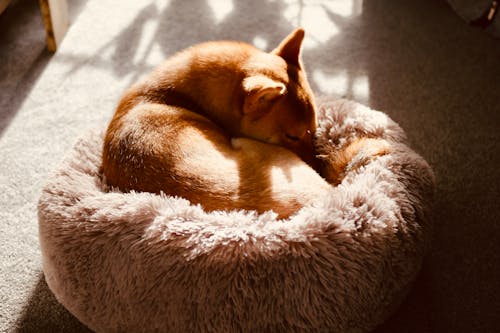
Even pet lovers notice when furniture is covered in fur. Guests may interpret pet hair as a sign of infrequent cleaning. It can also be uncomfortable if they’re wearing dark clothing or have allergies. This detail stands out quickly because it affects physical comfort.
Regularly brushing pets and vacuuming upholstery helps minimize shedding. Using washable throws on frequently used seating areas adds a layer of protection. Lint rollers are an easy last-minute fix before someone arrives. These small steps help guests feel more at ease around pets.
10. Smudged Mirrors or Windows
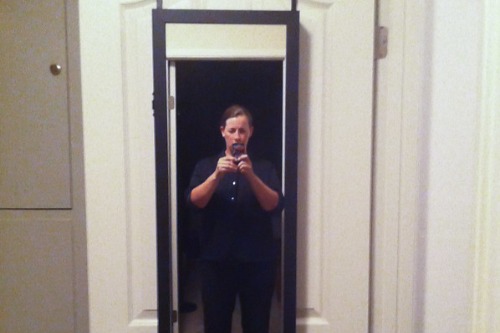
Fingerprints and streaks are more noticeable than people realize. When guests see them, they may assume other surfaces are similarly overlooked. Mirrors, especially in bathrooms, often reflect light that highlights imperfections. This makes smudges stand out instantly.
A quick wipe with glass cleaner keeps these areas looking polished. Clean mirrors brighten the room and make it feel more spacious. Windows free of streaks let in natural light more effectively. These details contribute to a sense of overall cleanliness.
11. Disorganized Kitchen Counters
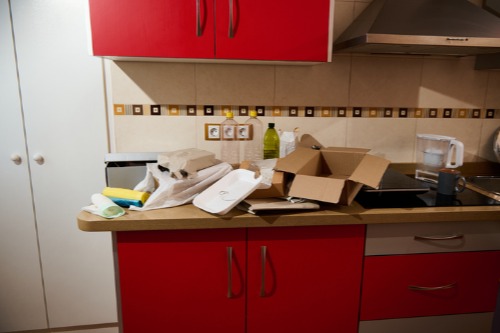
Kitchen counters can easily become cluttered with appliances, mail, or dishes. Guests often end up in the kitchen, so they notice the state of these surfaces. A busy counter can feel overwhelming and less sanitary. People associate kitchen organization with food safety and general order.
Stowing away items you don’t use daily helps open up the space. Keeping only essentials gives the counter a fresher, more functional look. Wiping them down just before guests arrive adds a finishing touch. A tidy kitchen feels welcoming without needing to be spotless.
12. Worn or Dirty Doormats
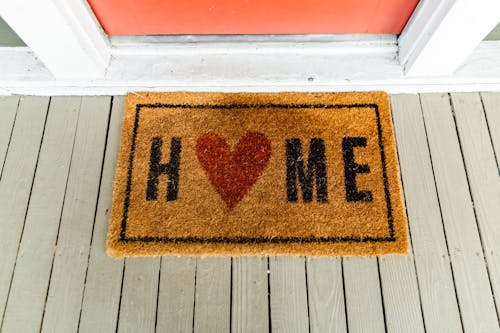
The doormat is literally the first thing guests see, and they do judge it. A worn, muddy, or frayed mat signals neglect, even if the interior is clean. Guests subconsciously read it as a hint of what’s inside. A fresh, intact mat feels more welcoming and intentional.
Replacing or shaking out the mat regularly maintains a neat entry point. Choosing one with a simple, neutral design makes it feel universally inviting. It also helps keep dirt from being tracked inside. This small detail makes the entrance feel cared for and complete.
This post 12 Small Household Details Guests Quietly Judge the Moment They Walk In was first published on Greenhouse Black.
