
1. Ignoring Gutters and Downspouts
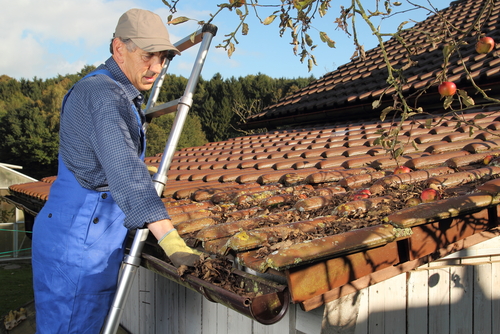
Clogged gutters may not look urgent, but they quietly let water pool where it shouldn’t. Over time, that overflow can damage fascia boards and seep into your home’s foundation. Many homeowners put this off because the gutters “seem fine,” but leaves and debris build up faster than expected. By the time you notice stains or sagging, repairs can get pricey.
Keeping gutters and downspouts clear helps water flow away from your house rather than into it. Neglecting that drainage invites basement leaks and soil erosion. Even small clogs can force water under shingles, leading to early roof decay. A quick clean twice a year can save you from thousands in structural repairs later.
2. Skipping HVAC Filter Changes
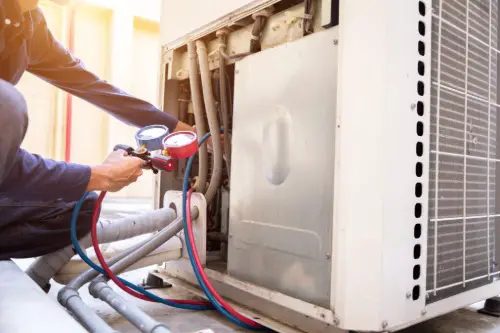
A dirty air filter makes your HVAC system work harder than it should. When airflow is restricted, the system strains to heat or cool your home, which speeds up wear on the components. Most people forget because the filter is out of sight, but its impact on efficiency is huge. Over time, that stress can shorten the life of the entire system.
Changing filters regularly keeps energy bills down and prevents dust buildup inside the ductwork. It also reduces the risk of overheating or freezing coils that lead to emergency repair calls. When filters go unchanged, motors can burn out faster. A few dollars every few months is far cheaper than replacing an HVAC unit.
3. Not Flushing the Water Heater
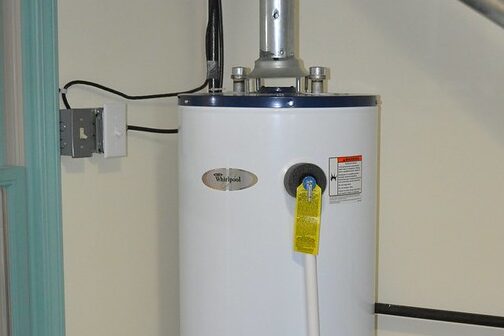
Sediment naturally settles at the bottom of your water heater tank. If it’s never flushed out, the buildup forces the heater to work harder to maintain temperature. This extra strain reduces efficiency and can even cause the tank to overheat. Eventually, the sediment can crack the tank, leading to a sudden and costly failure.
Flushing the tank helps maintain consistent heating and prolongs the heater’s lifespan. It prevents buildup from insulating the heating element and making the heater inefficient. When ignored, you’ll notice slower hot-water recovery and rising utility bills. A simple annual flush can delay the need for a full replacement.
4. Overlooking Caulk Around Windows and Doors
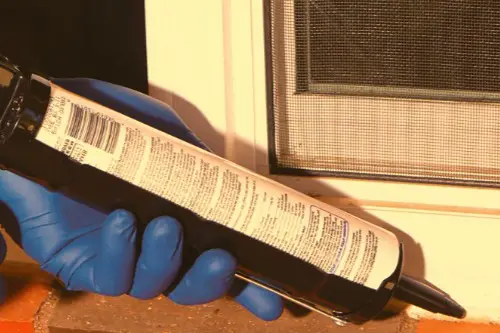
Caulk doesn’t last forever, and when it cracks, gaps let conditioned air escape. That makes your heating and cooling system work harder and raises energy bills. People skip this job because the gaps are small, but those tiny openings add up. Over years, moisture can also sneak in and damage wood framing.
Refreshing caulk maintains a tight seal that improves comfort and efficiency. It also keeps out drafts, insects, and water. When moisture gets into window frames, rot can develop without you noticing. A few tubes of caulk now can prevent replacement windows later.
5. Forgetting to Clean the Refrigerator Coils

Those coils behind or beneath your fridge collect dust continually. When they get coated, the fridge can’t release heat properly and has to run longer to stay cool. That strain leads to higher energy use and can shorten the life of the compressor. Most homeowners don’t think about it until the fridge starts running loudly.
Cleaning the coils improves efficiency almost immediately. It helps the appliance maintain temperature without overworking. A stressed compressor is one of the most expensive parts to replace. A five-minute vacuum can prevent a multi-thousand-dollar refrigerator replacement.
6. Neglecting Dryer Vent Cleaning
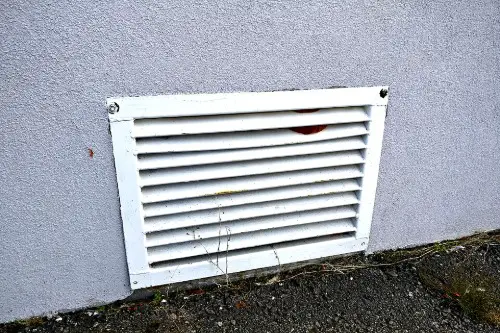
Lint builds up inside dryer vents even if you clean the removable lint trap. When the vent clogs, the dryer takes much longer to do its job and overheats. This can burn out internal components or, in serious cases, become a fire hazard. Homeowners often forget because the buildup is hidden in the wall.
A clean vent lets moist air escape freely, improving drying times and lowering energy use. It also reduces stress on the heating element and motor. When vents clog badly, dryers can fail prematurely. An annual cleaning can help you avoid both repairs and safety risks.
7. Not Checking for Toilet Leaks
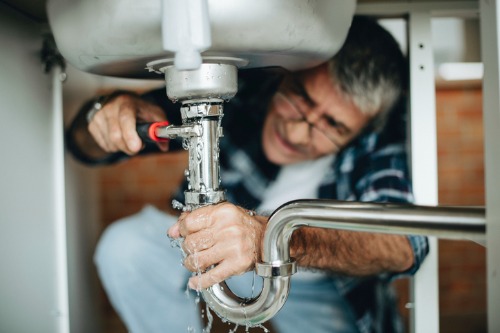
Even a tiny toilet leak can waste a surprising amount of water. Internal components like flappers wear out slowly, making leaks easy to miss. Homeowners often ignore the occasional “ghost flush,” assuming it’s harmless. Over months, that wasted water shows up as a higher water bill.
Catching leaks early keeps water usage in check and prevents long-term damage. A running toilet can also cause tank parts to degrade faster. If the leak spreads outside the toilet, it can damage flooring and subflooring. A quick dye test can help you spot issues before they escalate.
8. Avoiding Roof Inspections
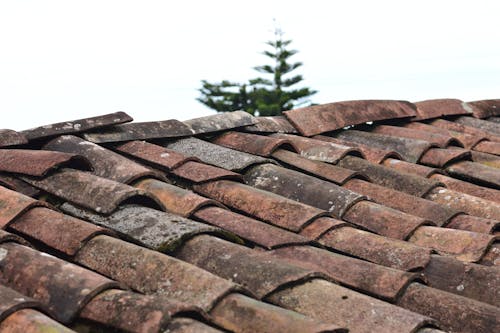
Roofs can look fine from the ground while hiding loose shingles or small punctures. These small weaknesses let water seep into the attic and insulation over time. Most homeowners only check after a storm, but seasonal wear matters too. Catching damage early is far cheaper than replacing half the roof.
Regular inspections help prevent mold growth and structural issues inside the home. Leaks often spread quietly until stains appear on ceilings. By then, the repair usually involves both roofing and drywall. A simple annual inspection can stop small issues before they turn into major repairs.
9. Ignoring Cracks in Driveways or Walkways
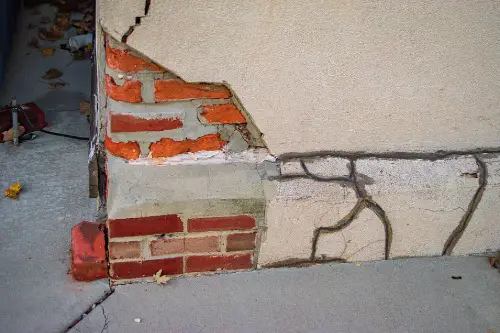
Small cracks seem cosmetic, but they widen as water freezes and thaws. Over a few seasons, those cracks can turn into uneven or crumbling surfaces. Homeowners often shrug them off until the shifting becomes noticeable. By then, a minor patch won’t cut it.
Sealing cracks early stops water from getting underneath the concrete. It prevents soil from washing out and reduces the chance of full-slab movement. Once the damage spreads, replacement becomes the only option. A little filler now can prevent a full tear-out later.
10. Skipping Exhaust Fan Cleaning
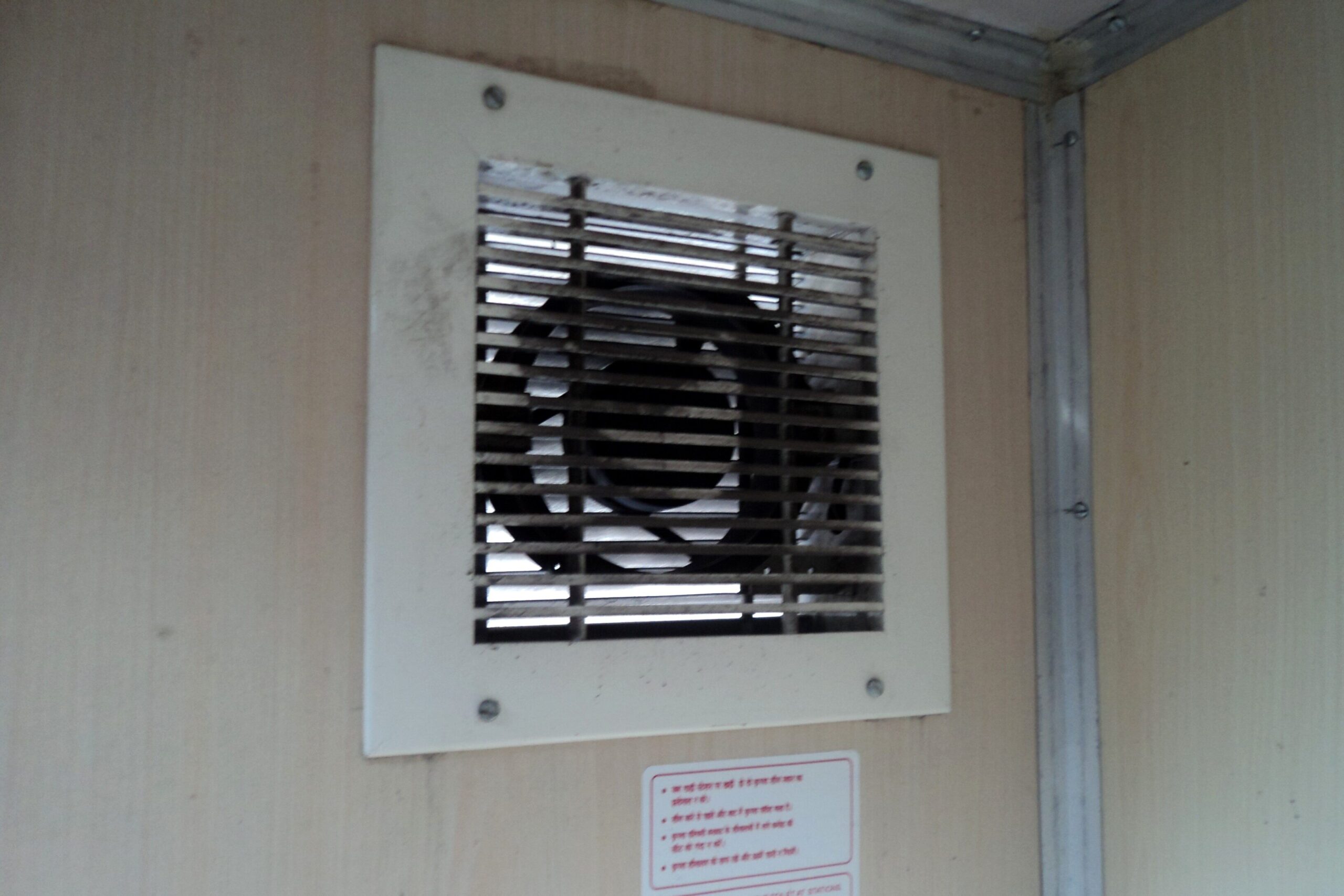
Bathroom exhaust fans collect dust that reduces airflow. When airflow drops, humidity lingers and can lead to mold on ceilings or walls. Many people assume the fan is just noisy, not struggling. Over time, the motor can burn out from overworking.
Cleaning the fan keeps moisture moving out of the bathroom efficiently. It helps maintain air quality and reduces mold-related repairs. A clean fan also runs more quietly and uses less energy. A quick cleaning twice a year can keep your bathroom dry and healthy.
11. Not Lubricating Garage Door Hardware
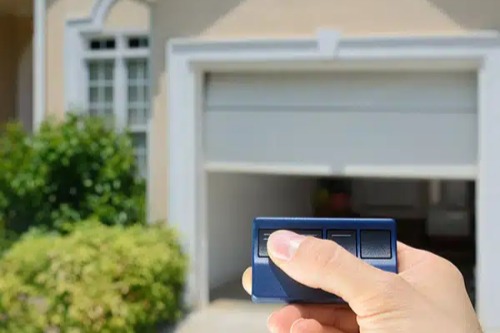
Garage door rollers and hinges need occasional lubrication to move smoothly. Without it, the opener strains to lift the door. This strain wears out the motor and can cause the door to go off track. Homeowners often wait for loud noises before investigating.
Lubricating the hardware keeps the door operating safely and quietly. It also extends the life of both the opener and the metal components. Ignoring the noise can lead to bent tracks or broken springs. A small maintenance habit can prevent a costly service call.
12. Forgetting to Inspect Sump Pumps
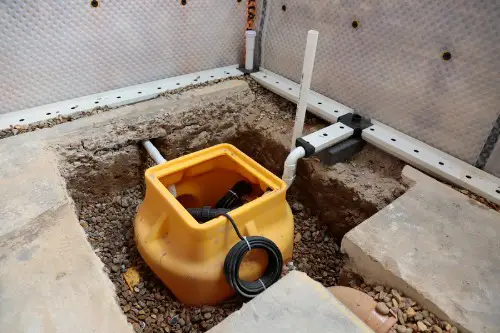
Sump pumps usually sit quietly until they’re needed, which makes them easy to forget. If they fail during heavy rain, the basement can flood quickly. Homeowners often assume the pump works because it worked last season. Mechanical components, however, can seize or clog without warning.
Testing the pump ensures it activates and drains water properly. It also lets you check the backup power source if you have one. When pumps fail, the resulting water damage can be extensive. A quick test every few months helps keep your basement dry.
13. Putting Off Exterior Paint Touch-Ups
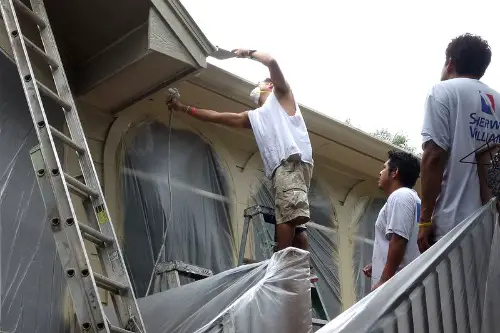
Paint does more than make your house look good—it protects siding from moisture. When paint peels, wood and other materials become vulnerable to rot. Many homeowners delay repainting because the damage seems minor. Over time, exposed surfaces can deteriorate beyond a simple fix.
Touching up paint seals out water and sun damage. It keeps siding intact and prevents deeper structural issues. Letting the exterior go too long often means you’ll need full siding repair, not just paint. Regular touch-ups keep your home protected and your long-term costs down.
This post 13 Small Maintenance Jobs Homeowners Skip That Later Become Budget Breakers was first published on Greenhouse Black.
