
1. Installing an Unpermitted Fence
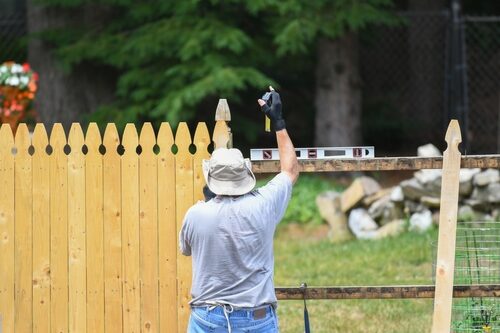
Cities often step in when a homeowner installs a fence that exceeds local height limits or sits outside permitted boundaries. Even a few extra inches can prompt an inspector to stop by, especially if a neighbor complains. Many municipalities require permits for anything over a certain height, often around six feet. A simple mismeasurement can turn into a surprise notice on your door.
The reason this gets attention is that fences can affect visibility, drainage, and property lines. Cities want to avoid disputes that might escalate, so they intervene early. If your fence encroaches on public right-of-way, they’ll act even faster. It’s one of the most common outdoor changes that catches people off guard.
2. Adding a Small Shed Without a Permit

A small shed might feel harmless, but many cities regulate accessory structures closely. Even portable or prefabricated sheds sometimes need permits depending on size and location. If it’s too close to a property line, the city may issue a correction notice. People are often surprised because retail stores rarely mention these rules.
The concern for cities is fire safety and lot coverage. Sheds too near fences can create hazards during emergencies. Some local codes also limit impervious surface area to manage flooding. That’s why a casual weekend project can quickly get official attention.
3. Converting Part of Your Yard Into Parking
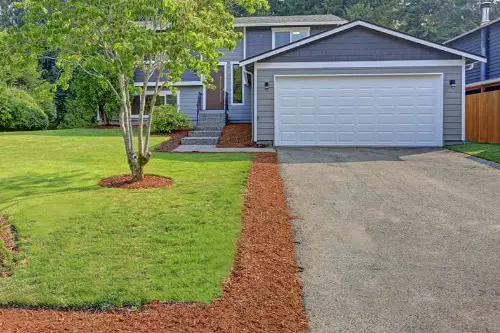
Turning a patch of lawn into a makeshift parking spot can seem practical. However, many cities regulate where vehicles can be parked on residential lots. Paving or graveling an area without permission can trigger enforcement. Neighbors often report it if it changes the look of the street.
Cities intervene because informal parking spots can damage sidewalks, increase runoff, or block utilities. Some towns also restrict front-yard parking to maintain neighborhood character. If a utility line runs below the area, they may respond even faster. What starts as a convenience can become a code issue quickly.
4. Installing Outdoor Lighting That’s Too Bright

Overly bright or misdirected lighting is one of the most frequent neighbor complaints. Cities increasingly enforce “dark sky” ordinances to reduce light pollution. A bright floodlight aimed across a property line can lead to a notice or required adjustment. Many people don’t realize that the bulb’s brightness matters as much as the fixture.
The reason cities care is because harsh lighting can affect wildlife, disrupt sleep, and create safety concerns. Excessive glare can even pose a driving hazard in some areas. Inspectors usually try to resolve it with simple fixes, but they’ll step in if needed. A small change in lighting can unexpectedly put you on their radar.
5. Planting a Tree Too Close to the Curb

Cities often regulate trees planted near sidewalks or streets because they can affect infrastructure. A new tree with invasive roots can damage concrete or underground pipes over time. Even planting in the wrong zone of the right-of-way can prompt a city visit. Homeowners often don’t realize that the first few feet of their yard may not be fully their property.
The motivation is long-term maintenance and safety. Cities want to avoid trip hazards from lifted sidewalks and blocked sightlines. Many also require specific approved tree species. That means an innocent planting project can unintentionally violate local rules.
6. Putting Up an Unapproved Sign
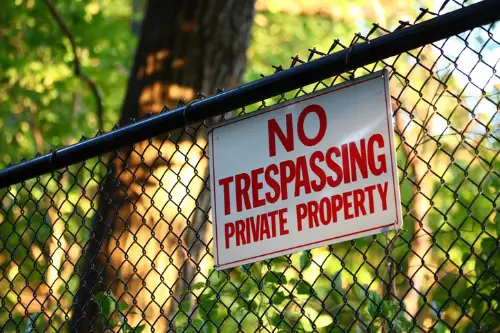
Simple signs—like “private parking” or “beware of dog”—can sometimes fall under city sign ordinances. Some areas restrict signage size, placement, or wording on residential properties. Even temporary signs can draw complaints if they’re perceived as obstructive. A small sign near the street can cross into regulated public space.
Cities intervene to maintain visual consistency and avoid sign clutter. They also want to prevent misleading or unsafe signage. If a sign appears to regulate public property, officials often respond quickly. It’s an easy oversight that can surprise homeowners.
7. Blocking Drainage Flow With Landscaping

Changing the slope of your yard or adding new landscaping features can affect water flow. Cities act quickly when runoff impacts neighboring properties. Even a small berm or raised garden bed can redirect water in ways you didn’t expect. A neighbor discovering water pooling in their yard often triggers an inspection.
The reason cities step in is to prevent erosion and property damage. Poor drainage control can also overload stormwater systems. Regulations often require grading plans for even modest changes. A well-intentioned garden upgrade can therefore lead to unplanned intervention.
8. Adding a Security Camera Pointed at the Street
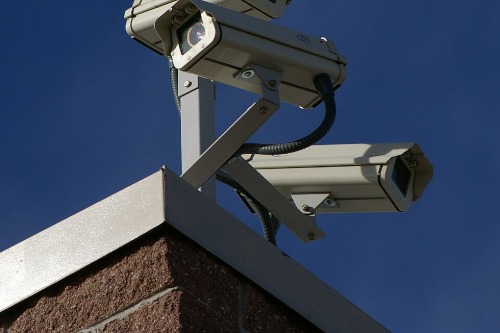
While security cameras are usually allowed, some cities regulate placement when they capture large areas of public space. Excessive coverage can raise privacy complaints from neighbors. Officials may intervene if a camera seems intrusive or poorly positioned. Most people don’t realize that angle and zoom capability can factor into enforcement.
Cities act to balance personal security with community privacy norms. Some localities have guidelines meant to prevent harassment or misuse. Even if you have good intentions, a complaint can prompt a review. Sometimes a small repositioning solves the problem, but it still brings the city to your doorstep.
9. Expanding a Patio Without Approval
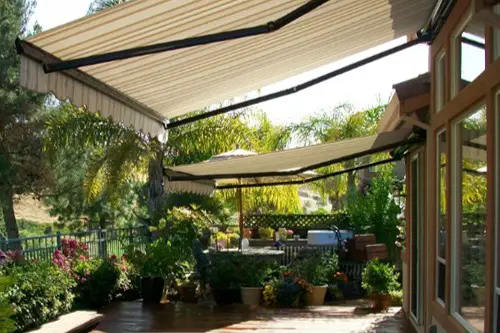
Extending a patio by a few feet may feel minor, but cities often regulate hardscaping. Additional concrete or pavers can affect drainage and impervious surface limits. If the work is visible from the street, it’s more likely to draw attention. Contractors may not remind you about permits for small expansions.
The city’s concern is environmental impact and neighborhood conformity. Too much hardscape can strain stormwater infrastructure. Some municipalities also have setback rules for patios. That means even a modest upgrade can require official review.
10. Changing Your Exterior Paint Color in a Regulated Area
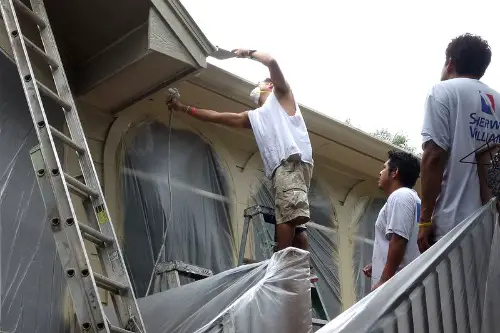
Most cities don’t care about paint colors, but neighborhoods with historic overlays or special zoning often do. If you repaint without approval, enforcement can be swift. A color deemed “out of character” may trigger a notice. Homeowners usually assume paint is always unregulated.
Cities enforce these rules to preserve architectural heritage and tourism value. Coordinated façades help maintain the district’s identity. Even minor exterior changes can require a review board’s sign-off. It’s a surprising area where small choices matter.
11. Installing a Temporary Carport

Pop-up carports or canopy structures sold online often violate local codes. Many cities restrict fabric structures or require setbacks similar to permanent buildings. Complaints usually arise if the structure blocks sightlines or looks unstable. City officials then follow up to assess safety.
Their priority is preventing wind hazards and maintaining neighborhood aesthetics. Light structures can collapse or blow into streets during storms. Cities also want consistent rules for accessory buildings. A quick weather-related fix can therefore turn into a compliance visit.
12. Building a Fire Pit Too Close to a Fence

A small fire pit seems like a harmless backyard feature, but many cities regulate distance from structures. If it’s too close to a fence or overhanging tree limbs, inspectors may intervene. Neighbors concerned about smoke or sparks often report it. Even portable fire pits can fall under spacing rules.
Cities do this to reduce fire risk and ensure safe operation. Spark-producing features can threaten neighboring properties. Fire departments sometimes conduct these inspections themselves. A cozy backyard addition can unexpectedly bring official attention.
This post 12 Small Outdoor Changes That Can Trigger City Intervention Without Warning was first published on Greenhouse Black.
