
1. Assuming everyone wants to chat

Many new RVers think campground life automatically means constant socializing. While some folks are friendly, others are camping specifically for quiet or privacy. Walking up uninvited or lingering too long can feel intrusive. This mistake happens because RV culture is often portrayed as universally social, which isn’t always true in practice.
Seasoned RVers usually read cues like body language, headphones, or closed doors. A quick wave or brief hello gives people space to opt in or out. This approach keeps interactions comfortable for everyone. It’s included here because unwanted social pressure is one of the most common unintentional annoyances in campgrounds.
2. Letting noise travel farther than expected
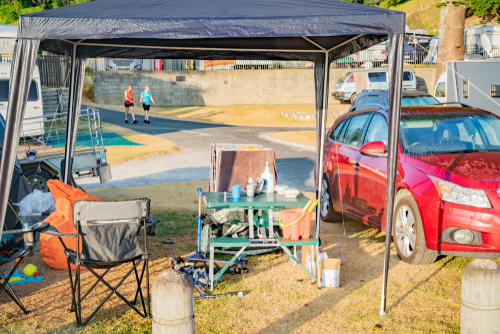
New RVers often underestimate how far sound carries outdoors. Generators, music, TVs, and even loud conversations can travel across multiple sites. Campgrounds amplify noise because there are fewer sound barriers. People may feel disrespected even if the noise seems reasonable to you.
Quiet hours are posted for a reason, and they’re taken seriously. Many RVers plan their day around peaceful mornings and evenings. Being mindful of volume shows basic campground courtesy. This mistake matters because noise complaints are one of the top sources of campground tension.
3. Walking through someone else’s campsite
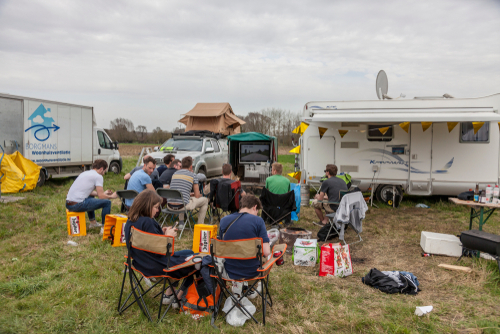
It can feel efficient to cut through empty-looking campsites. To long-term RVers, that space is temporary “private property.” People may have pets, kids, or equipment set up that you don’t immediately see. The issue often comes from not realizing campsite boundaries are socially respected.
Most RVers expect others to stay on roads or common paths. Even if no one is outside, walking through can feel invasive. This behavior is included because it’s an easy habit to break once you know it’s frowned upon. Respecting site boundaries builds instant goodwill.
4. Offering unsolicited RV advice
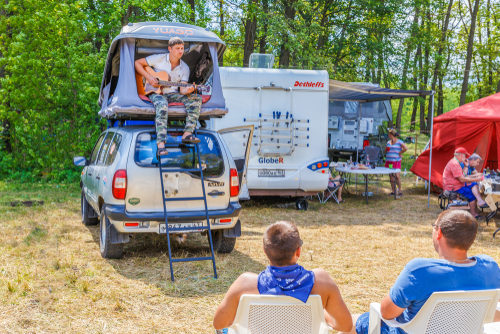
New RVers are often excited to share what they’ve learned so far. Unfortunately, advice given without being asked can come across as condescending. Many RVers have years of experience and specific systems that work for them. The social misstep happens when enthusiasm overrides awareness.
RV life attracts independent personalities who value autonomy. A better approach is to wait for questions or frame advice as optional. This keeps conversations friendly rather than awkward. It’s included because unsolicited advice is one of the fastest ways to sour an otherwise pleasant interaction.
5. Not managing pets socially
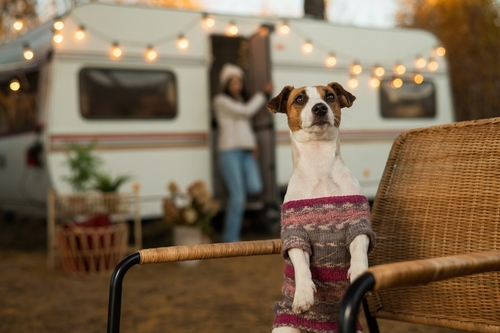
New RVers may focus on their pet’s comfort and forget about neighbors. Barking dogs, long leashes, or unattended pets can cause friction quickly. Even friendly animals can make others uneasy. This mistake usually stems from assuming everyone loves pets as much as you do.
Most campgrounds have clear pet rules for noise and control. Experienced RVers appreciate owners who clean up promptly and respect leash expectations. Good pet etiquette signals consideration for shared space. This is included because pet-related issues are a frequent source of complaints.
6. Leaving bright exterior lights on at night
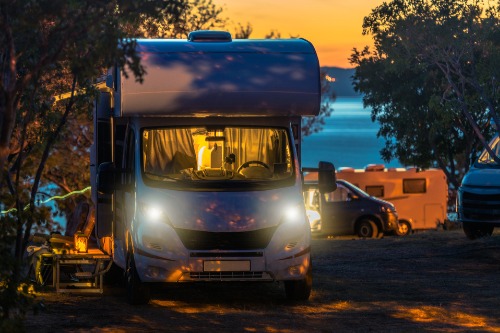
RV exterior lights feel helpful for safety and visibility. At night, those same lights can shine directly into neighboring rigs. Many people camp to enjoy darkness and stargazing. New RVers often don’t realize how disruptive lighting can be.
Seasoned RVers use minimal, downward-facing lights when needed. Turning lights off before bed is considered basic courtesy. This mistake matters because light pollution is surprisingly irritating in close quarters. Being mindful of lighting shows awareness of your surroundings.
7. Blocking roads or shared access points
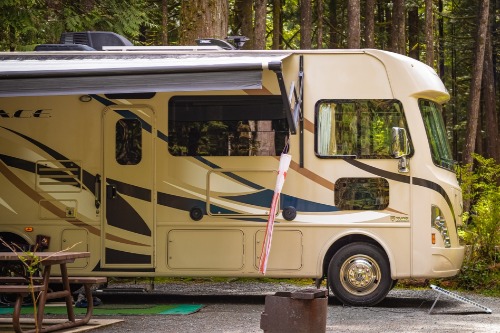
New RVers may stop briefly to set up, unload, or figure out directions. In campgrounds, even short blocks can cause backups. Large rigs need space to maneuver safely. The social issue arises when convenience outweighs shared access.
Experienced RVers plan stops to avoid blocking traffic. They also quickly move if someone needs to pass. This behavior is included because it affects safety as well as courtesy. Small delays can ripple into big frustrations in tight campground roads.
8. Treating dump stations like private space
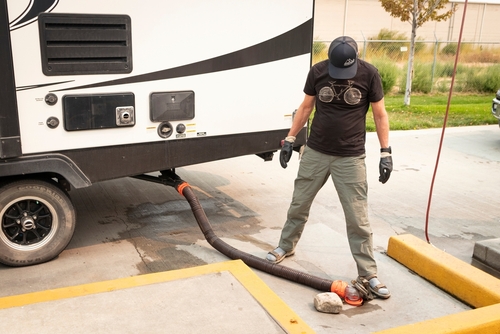
Dump stations are functional, not social, areas. New RVers sometimes linger while organizing gear or double-checking steps. Others may be waiting in line with limited time. The mistake usually comes from nerves rather than rudeness.
Efficient dumping is considered polite and expected. Most RVers prep before pulling in and move out promptly when finished. This keeps lines short and stress low. It’s included because dump station etiquette is a shared pain point for many campers.
9. Letting kids roam unsupervised
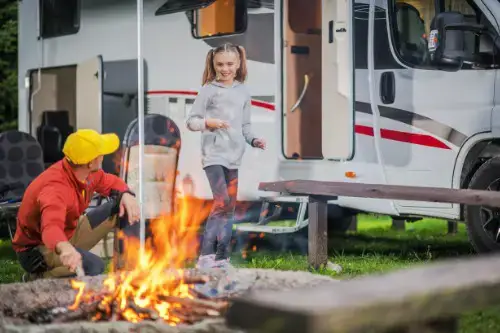
Campgrounds can feel safe and community-oriented. New RVers may relax supervision too quickly. Other campers may not want kids running through their sites or touching their gear. The social tension often goes unnoticed until someone is annoyed.
Experienced RV families set clear boundaries for where kids can play. They also teach campground-specific manners early. This mistake matters because everyone’s campsite is their personal space. Respecting that helps keep the campground friendly.
10. Assuming campfires are always welcome
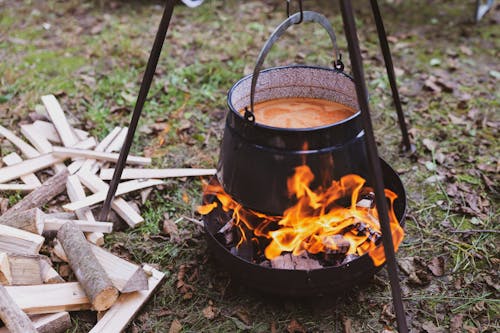
Campfires are a classic RV experience. Smoke, however, travels unpredictably and can bother neighbors. People with allergies or open windows may be affected. New RVers often don’t think beyond their own site.
Many RVers check wind direction or ask nearby campers first. Keeping fires small and manageable is appreciated. This is included because fire etiquette varies and requires extra awareness. A little consideration prevents lingering resentment.
11. Ignoring campground-specific culture
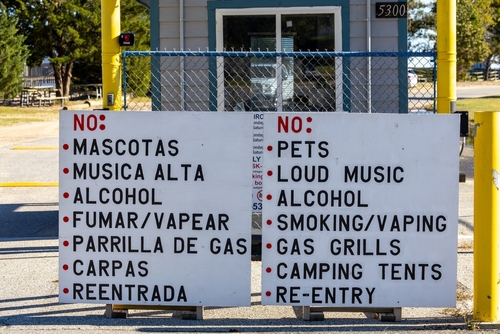
Every campground has its own vibe and unspoken norms. New RVers may apply rules from one place to another. What’s fine at a resort-style park may feel rude at a quiet state campground. The mistake comes from assuming all RV spaces operate the same way.
Seasoned RVers observe before acting or socializing. They notice patterns in noise, interaction, and routines. This adaptability is a key social skill in RV life. It’s included because understanding local culture helps avoid many of the other mistakes on this list.
This post The Social Mistakes New RVers Make Without Realizing was first published on Greenhouse Black.
