
1. Florida
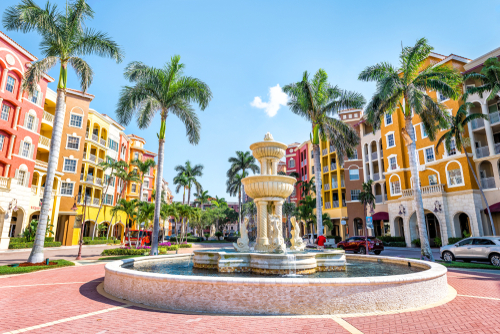
Many retirees arrive expecting endless sunshine and low taxes, and on paper Florida still delivers on income tax. After settling in, some are surprised by soaring homeowners insurance premiums and deductibles tied to hurricane risk. Property taxes and HOA fees in popular retirement communities can also climb faster than expected. Add increasingly intense heat and storms, and the lifestyle can feel more stressful than advertised.
Healthcare access is another common concern once people get past the postcard phase. While Florida has excellent hospitals in major metros, wait times for specialists can be long because of the state’s large senior population. Snowbird seasons strain medical systems even more. For retirees with complex health needs, that reality can be a dealbreaker.
2. Texas
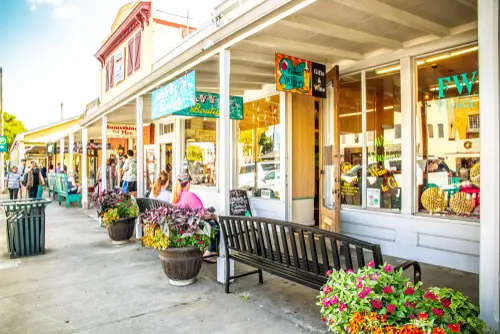
Texas often attracts retirees with its lack of state income tax and relatively affordable housing. After moving, many are caught off guard by high property taxes that continue to rise as home values increase. Summers are brutally hot in much of the state, limiting outdoor activity for months at a time. Utility costs can spike during extended heat waves.
The state’s infrastructure challenges also come as a surprise to some newcomers. Power grid reliability has been a concern during extreme weather events, both hot and cold. Healthcare quality varies widely between urban and rural areas. Retirees outside major cities sometimes find themselves driving long distances for specialized care.
3. Arizona
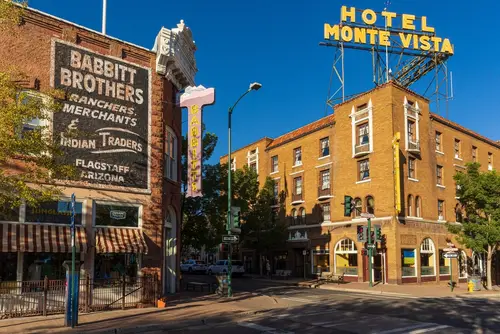
Arizona is a longtime favorite for retirees seeking dry heat and scenic desert landscapes. Over time, the extreme summer temperatures can feel less manageable, especially for older adults. Water scarcity concerns also weigh on some residents as drought conditions persist. These environmental factors can add anxiety to day-to-day living.
Healthcare access is strong in Phoenix and Tucson but thins out quickly elsewhere. Retirees who choose smaller towns for affordability may later rethink that tradeoff. Rapid population growth has also pushed up housing costs in popular areas. What once felt like a bargain can start to feel tight on a fixed income.
4. Nevada

Nevada’s tax-friendly reputation draws retirees, particularly around Las Vegas and Reno. After settling in, many realize healthcare options are more limited than expected for a state with fast growth. Specialist shortages can mean long waits or out-of-state travel. That becomes more concerning as health needs increase with age.
The climate is another adjustment retirees don’t always anticipate. Summers are extremely hot, and the dry environment can be hard on respiratory health. Housing costs in desirable areas have risen sharply in recent years. For some, the overall value proposition no longer feels as strong.
5. South Carolina

South Carolina appeals to retirees with its mild winters and coastal charm. Once moved in, some find the humidity and summer heat more oppressive than anticipated. Flooding and hurricane risks along the coast can also increase insurance costs. These factors add ongoing expenses and stress.
Healthcare access varies significantly by region. Charleston and Columbia have solid medical centers, but rural areas can feel underserved. Retirees who move for quiet, low-cost living sometimes end up far from specialists. That distance becomes more noticeable over time.
6. Tennessee
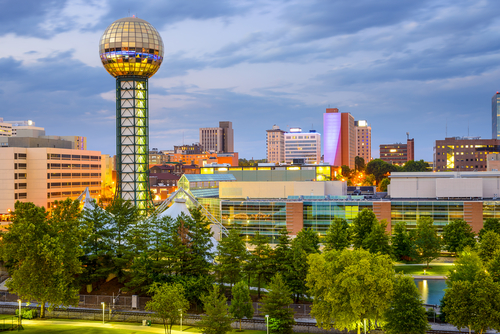
Tennessee’s lack of state income tax makes it attractive to retirees. However, the state relies heavily on sales taxes, which can hit fixed-income households harder than expected. Until recently, groceries were fully taxed, and even now the overall sales tax burden is high. Daily expenses can quietly add up.
Healthcare quality is excellent in cities like Nashville and Memphis, but less consistent elsewhere. Retirees in smaller towns may struggle to find nearby specialists. Rapid population growth has also driven up housing prices in popular areas. What looked affordable during the move may change quickly.
7. Idaho
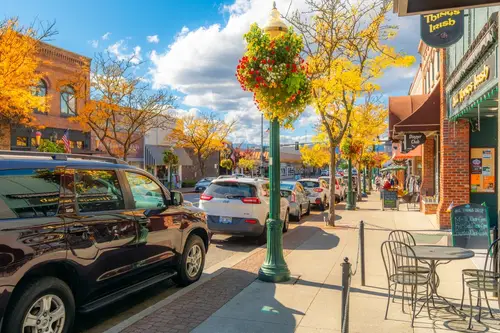
Idaho has drawn retirees seeking natural beauty and a quieter pace of life. In recent years, rapid in-migration has driven up housing costs dramatically. Retirees who moved for affordability sometimes feel priced out sooner than expected. Property taxes and everyday expenses have followed that upward trend.
Winters can also be harsher than newcomers anticipate. Snow, ice, and cold temperatures limit mobility for months in some regions. Healthcare access is concentrated in a few metro areas. Those in rural settings often face long travel times for care.
8. Montana

Montana’s wide-open spaces and scenic landscapes are a major draw for retirees. The reality of long, cold winters can be more challenging than expected. Snow and icy roads can make daily errands difficult and isolating. Heating costs also add to monthly expenses.
Healthcare access is a common concern in such a large, sparsely populated state. Specialized care is often only available in a handful of cities. Retirees in smaller communities may need to travel hours for appointments. That logistical burden grows heavier with age.
9. Maine
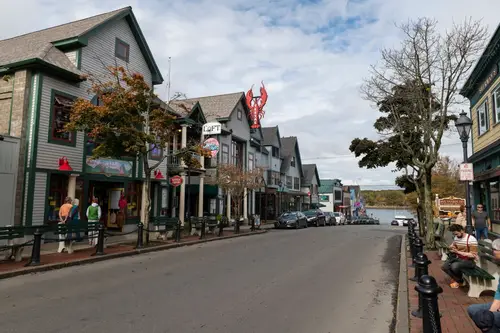
Maine attracts retirees with its coastline and slower pace of life. Winters, however, are long, cold, and dark, which can take a toll over time. Snow removal and heating costs add ongoing expenses. Seasonal isolation can also be difficult for newcomers.
The state has one of the oldest populations in the country, which strains healthcare systems. Access to specialists can involve long wait times. Taxes on income and property are higher than many expect. Together, these factors cause some retirees to reconsider staying long term.
10. New Jersey

New Jersey often appeals to retirees who want proximity to major cities and family. After moving, many are shocked by the nation-leading property taxes. Even modest homes can come with very high annual tax bills. That can strain retirement budgets quickly.
The overall cost of living is also higher than many anticipate. Everyday expenses like utilities and transportation add up. While healthcare quality is excellent, it comes at a price. Some retirees eventually look for more affordable neighboring states.
11. Illinois
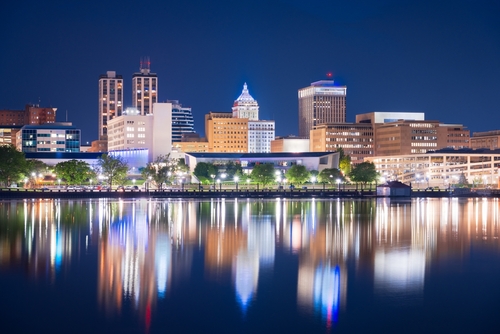
Illinois retains retirees with cultural amenities and access to top-tier medical care. Over time, concerns about high taxes and the state’s fiscal health weigh on residents. Property taxes in particular can be a heavy burden. Those costs tend to rise even when incomes do not.
Weather is another factor retirees reconsider. Cold winters and unpredictable conditions limit outdoor activity. While Chicago offers great healthcare, retirees outside metro areas have fewer options. For some, the financial and climate tradeoffs become too much.
12. California

California draws retirees with its climate, scenery, and lifestyle options. The reality of high housing costs often hits harder after the move. Property taxes, insurance, and maintenance can stretch even well-funded retirements. Everyday expenses are consistently higher than national averages.
State income taxes are another surprise for retirees relocating from lower-tax states. Wildfire risk in many regions adds insurance and safety concerns. While healthcare access is excellent, it can be expensive. Some retirees eventually decide the lifestyle isn’t worth the cost.
13. New York

New York attracts retirees who value culture, transit, and top medical facilities. Over time, high taxes on income and property become a growing concern. Even outside New York City, costs remain elevated. Fixed incomes can feel increasingly squeezed.
Winters are also a factor many underestimate. Snow, ice, and cold weather limit mobility and increase maintenance costs. While healthcare is strong, navigating large systems can be overwhelming. Some retirees ultimately look south or west for relief.
14. Alaska
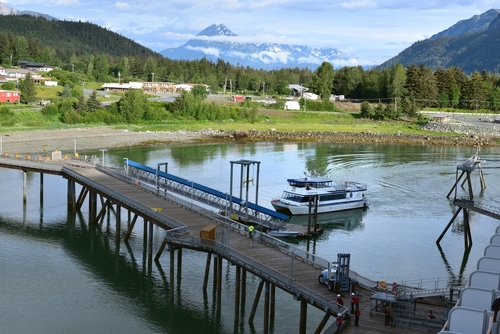
Alaska appeals to adventurous retirees drawn to natural beauty and independence. The reality of isolation can become more challenging with age. Travel to see family or access specialized healthcare is expensive and time-consuming. Everyday goods also cost more due to shipping.
Winters are long and dark, which can affect mental health. Limited road access in many communities adds to the sense of isolation. Healthcare options are concentrated in a few hubs. These factors cause some retirees to rethink staying permanently.
15. Hawaii

Hawaii’s climate and scenery make it a dream destination for many retirees. After moving, the high cost of living becomes impossible to ignore. Groceries, utilities, and housing all cost significantly more than on the mainland. Fixed incomes stretch thin quickly.
Healthcare access is another challenge outside Oahu. Specialized care may require inter-island travel. Distance from family can feel more pronounced over time. For some retirees, paradise comes with too many practical tradeoffs.
16. North Carolina

North Carolina is popular with retirees for its mild climate and varied geography. Rapid growth has driven up housing prices in many desirable areas. Property taxes are moderate, but rising home values still affect budgets. Traffic and development can also change the small-town feel retirees sought.
Healthcare quality is strong in major metros but less consistent elsewhere. Retirees in rural or coastal areas may face limited access to specialists. Hurricane risks along the coast increase insurance concerns. Over time, these issues prompt some to reconsider their choice.
This post States Retirees Are Rethinking After Moving There was first published on Greenhouse Black.
