
1. New Mexico

New Mexico frequently ranks low in physician-to-population ratios. While Albuquerque and Santa Fe offer established healthcare systems, many rural areas face significant shortages. Long travel distances and limited specialty coverage are common realities. For retirees, that can mean fewer choices when selecting providers.
The state also has a higher rate of residents relying on public insurance programs, which can increase system strain. Some practices limit the number of new Medicare patients they accept. Behavioral health services are particularly stretched. Altogether, that creates a competitive environment for consistent care.
2. Arizona

Arizona has long attracted retirees with its dry climate and lower winter costs, but that appeal comes with trade-offs. Maricopa County, home to Phoenix and sprawling retirement communities, has seen rapid population growth among older adults. As a result, healthcare systems often operate near capacity. Wait times for appointments, particularly with specialists, can stretch longer than newcomers expect.
Outside the Phoenix and Tucson areas, provider shortages become even more pronounced. Rural counties in northern and western Arizona have limited hospital access and fewer practicing physicians per resident. That can mean longer drives for routine care, not just emergencies. For retirees seeking frequent follow-ups or chronic disease management, that geographic reality matters.
3. Nevada

Nevada consistently ranks near the bottom nationally for primary care physicians per capita. While Las Vegas and Reno have grown rapidly, healthcare infrastructure hasn’t always kept pace. Retirees relocating for tax advantages may find that competition for doctors is real. New patient intake can be limited in high-growth neighborhoods.
The situation is tougher outside Clark and Washoe counties. Rural Nevada has vast distances between facilities, and some counties rely on small critical access hospitals. Specialist care often requires travel to urban centers. For older adults managing multiple conditions, that can translate into logistical hurdles and longer wait times.
4. Alaska
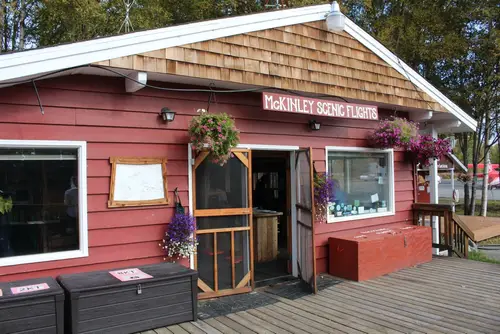
Alaska’s beauty is undeniable, but its healthcare landscape presents unique challenges. The state has a limited number of hospitals and specialists spread across enormous distances. In many communities, access to advanced care requires air travel. That can create bottlenecks, especially for retirees with complex medical needs.
Even in Anchorage, specialist availability can be constrained compared to similarly sized cities in the Lower 48. Harsh weather and workforce recruitment difficulties make staffing an ongoing issue. Smaller towns rely heavily on regional hubs for care. For retirees, that means planning ahead and sometimes waiting longer for appointments.
5. Montana
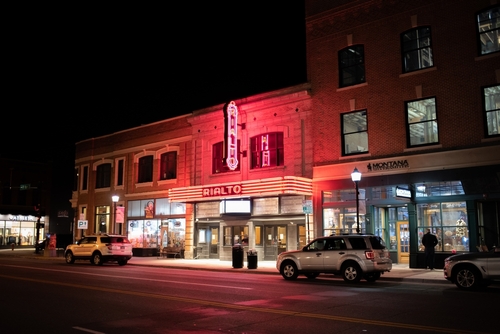
Montana appeals to retirees seeking space and quiet, but its rural character shapes healthcare access. Large portions of the state are designated as health professional shortage areas. Many counties have few or no practicing specialists. That scarcity increases demand for the limited providers who are available.
Urban centers like Billings and Missoula offer more robust services, yet they serve wide surrounding regions. Patients from smaller towns frequently travel hours for consultations. During peak seasons, appointment slots can fill quickly. Retirees accustomed to big-city access may notice the difference.
6. Maine
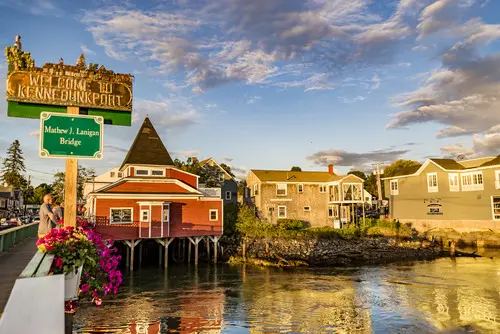
Maine is one of the oldest states by median age, and that demographic reality puts pressure on healthcare systems. A high proportion of residents are over 65, which increases demand for primary care and chronic disease management. At the same time, the state faces workforce shortages in key medical fields. Recruitment can be difficult in more remote coastal and inland areas.
Portland has major medical centers, but they serve patients from across the state. Rural hospitals have struggled financially, and some have reduced services. That combination means retirees may compete for limited appointment availability. Planning and flexibility become part of everyday healthcare navigation.
7. Florida
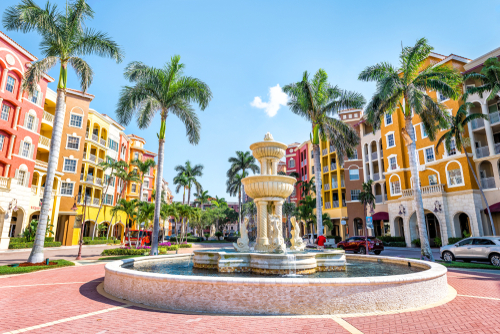
Florida is practically synonymous with retirement, which means its healthcare system carries a heavy load. The state has one of the highest percentages of residents over 65 in the country, and that concentration drives constant demand for primary care and specialists. Snowbirds who spend part of the year there only intensify seasonal strain. In popular retirement hubs like The Villages and coastal communities, new patient appointments can book out weeks in advance.
The challenge isn’t just volume, but provider distribution. Rural parts of the Panhandle and inland counties have fewer physicians per capita than metro areas. Even in cities like Miami and Tampa, certain specialties such as geriatrics face shortages. Retirees moving in often discover that finding a long-term primary care doctor takes persistence.
8. South Carolina

South Carolina’s coastal communities have become magnets for retirees from the Northeast and Midwest. Rapid growth in areas like the Grand Strand and Hilton Head has outpaced some local healthcare resources. Primary care practices in high-demand zip codes often have waiting lists. Specialist appointments can require patience.
Rural inland counties face their own provider shortages. The state has multiple federally designated health professional shortage areas. Hospitals in smaller towns sometimes struggle with staffing. Retirees moving in are joining an already stretched system.
9. Idaho
Idaho’s population growth has been among the fastest in the country, including a surge of older newcomers. Healthcare infrastructure has worked to expand, but growth has been swift. In some regions, physician supply hasn’t kept up with demand. That can show up as longer waits for both primary and specialty care.
Boise offers the most comprehensive services, yet it also draws patients from across the state. Rural areas may have limited hospital access and fewer specialists. Winter weather can complicate travel for appointments. Retirees seeking a quieter lifestyle should factor in these realities.
10. Texas

Texas is massive and diverse, which means healthcare access varies widely. Major metros like Houston and Dallas have world-class medical centers, but they also serve enormous populations. High patient volume can lead to scheduling delays. In fast-growing suburbs popular with retirees, demand continues to rise.
Rural West Texas and parts of the Rio Grande Valley face notable provider shortages. Some counties have limited specialist coverage or rely on traveling physicians. Transportation distances can be significant. Retirees relocating for lower costs should research local provider availability closely.
11. Wyoming

Wyoming has one of the smallest populations in the country, but that doesn’t automatically translate into easy healthcare access. The state has relatively few hospitals and a limited number of specialists. Many counties are federally designated shortage areas. That scarcity means patients often travel for routine care.
Cheyenne and Casper provide more options, yet they serve wide rural regions. Severe winter weather can delay travel and appointments. Recruitment and retention of healthcare professionals remain ongoing challenges. For retirees, limited local choice can feel restrictive.
12. North Carolina

North Carolina blends strong academic medical centers with rapidly growing retirement regions. Cities like Raleigh and Charlotte have robust systems, but they’re also absorbing steady population growth. Coastal and mountain retirement areas have expanded quickly. That growth increases demand for primary and specialty care.
Rural eastern counties and parts of the Appalachians face provider shortages. Some community hospitals have reduced services over time. As a result, retirees in certain regions may compete for appointment slots or travel farther for specialized treatment. It’s a state of contrasts, and location makes all the difference.
This post States Where Retirees Compete for Limited Healthcare was first published on Greenhouse Black.
