
1. Ultra-Trendy Kitchen Backsplashes
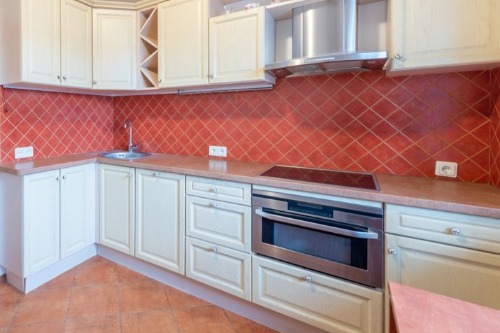
The moment a specific tile pattern floods Instagram, it shows up in renovated kitchens everywhere. Think fish-scale tiles, bold Moroccan prints, or hyper-glossy metallic finishes that scream “this was expensive.” They’re chosen less for function and more for visual impact during the first reveal. At the time, they signal design literacy and disposable income.
The problem is that trend cycles in tile move fast, and kitchens are not easy to redo. A backsplash that felt fresh five years ago can make the whole kitchen feel dated today. Practical choices like simple subway tile or slab stone age more slowly because they don’t anchor the room to a specific moment. Since backsplashes are visually central, their aging effect is amplified.
2. Open Shelving Instead of Upper Cabinets
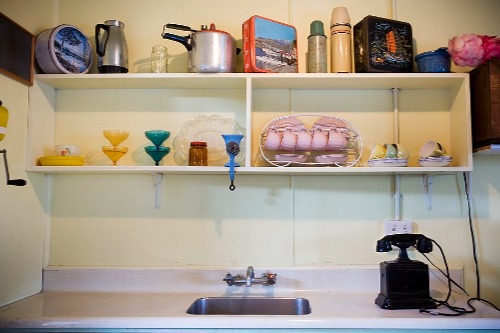
Open shelves photograph beautifully and make kitchens feel airy and curated. They’re often filled with matching dishware and carefully placed plants to project effortless style. The choice signals confidence, as if the homeowner lives an uncluttered, design-forward life. It’s a subtle flex that says you don’t need to hide anything.
In daily use, open shelving demands constant maintenance to look good. Dust, grease, and visual clutter accumulate faster than most people expect. As lifestyles change, the shelves often become crowded and stressful rather than chic. Traditional cabinets age better because they adapt quietly to real storage needs.
3. Smart Appliances With Proprietary Apps
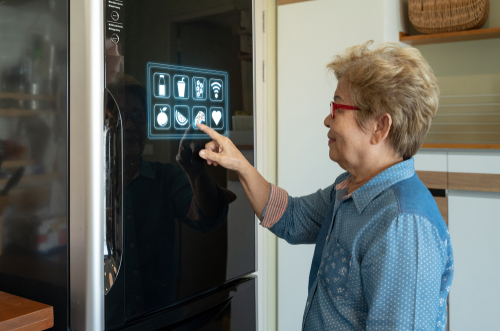
High-end fridges with giant touchscreens and app-controlled ovens feel futuristic at first. They suggest a household that’s ahead of the tech curve and willing to pay for innovation. Features like internal cameras and custom software dashboards impress guests immediately. The upgrade feels like a glimpse into the future of living.
The issue is that software ages faster than hardware. Apps lose support, interfaces look dated, and updates stop long before the appliance wears out. A perfectly functional fridge can feel obsolete simply because its screen looks old. Simpler appliances with reliable core functions tend to outlast the novelty.
4. All-White Interiors
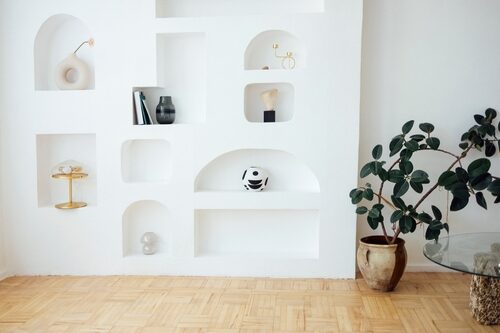
An all-white home signals minimalism, cleanliness, and a magazine-ready lifestyle. It reflects light beautifully and makes spaces feel larger at first glance. The look became especially popular in luxury flips and social media tours. It quietly communicates refinement and restraint.
Over time, white shows every scuff, stain, and sign of living. Maintaining it requires constant touch-ups and professional cleaning. As trends shift toward warmer tones, all-white spaces can feel cold or sterile. Neutral but forgiving palettes tend to age with the occupants rather than against them.
5. Vessel Sinks in Bathrooms
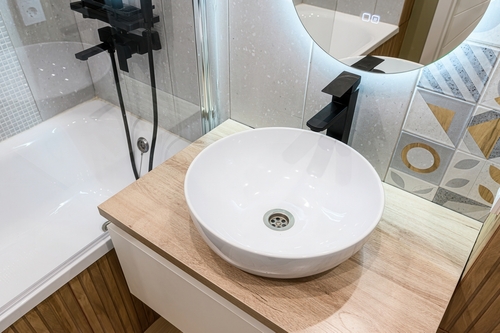
Vessel sinks sit on top of vanities like sculptural objects, instantly elevating a bathroom’s look. They’re often paired with waterfall faucets and stone counters for maximum visual impact. The design reads as spa-like and upscale. It’s a clear departure from builder-grade fixtures.
Functionally, vessel sinks splash more and are harder to clean around. Their height can be awkward, especially for kids or shorter users. As bathroom trends evolve, they often look like a timestamp from a specific renovation era. Undermount sinks quietly outperform them in longevity and usability.
6. Home Gyms Built Around Single-Purpose Machines
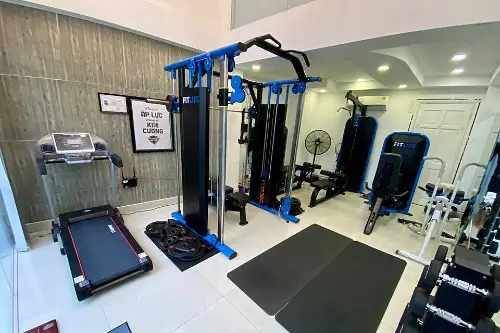
A dedicated Peloton room or oversized treadmill setup signals discipline and wellness investment. These spaces are designed to impress and suggest a highly optimized lifestyle. The equipment is often expensive and visually dominant. It feels like a long-term commitment to fitness.
In reality, workout habits change faster than floor plans. Large machines can become expensive coat racks within a few years. When tastes shift, the room loses flexibility and appeal. Open, adaptable spaces age better because they can evolve with the household.
7. Barn Doors Indoors
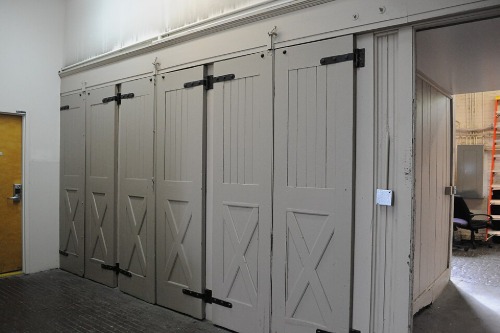
Sliding barn doors exploded in popularity as a rustic-meets-modern statement. They’re often used where traditional doors would suffice, purely for visual interest. The exposed hardware and oversized panels make them feel custom and bold. At their peak, they signaled design savvy.
Barn doors rarely seal sound or light properly. In bedrooms and bathrooms, that becomes a daily annoyance. As the trend cools, they can feel gimmicky rather than intentional. Standard doors with quality hardware quietly stand the test of time.
8. Luxury Wine Storage for Casual Drinkers

A temperature-controlled wine wall looks impressive and expensive. It implies connoisseurship, entertaining, and a certain level of cultural capital. Even modest collections look elevated behind glass and lighting. The feature often dominates the room visually.
For households that don’t regularly cellar wine, the space is underused. It’s also highly specific, limiting future buyers’ interest. As drinking habits change, the feature can feel unnecessary or indulgent. Flexible storage solutions adapt better to evolving lifestyles.
9. Overbuilt Home Theaters
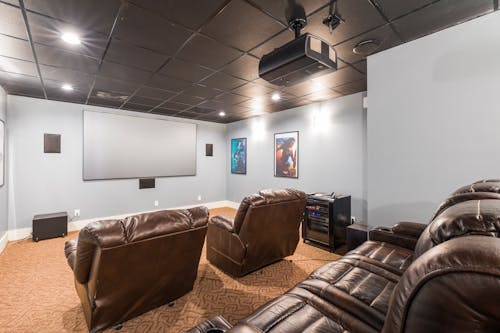
Tiered seating, heavy drapes, and built-in speaker systems once defined luxury media rooms. They suggest serious commitment to entertainment and technology. The setup feels cinematic and exclusive. At installation, it’s a major status marker.
Media consumption habits have shifted toward casual, mobile viewing. Dedicated theaters can feel unused and isolated compared to flexible living spaces. Technology advances also make older systems feel outdated quickly. Multi-purpose rooms with adaptable tech age more gracefully.
10. Statement Lighting That Dominates the Room
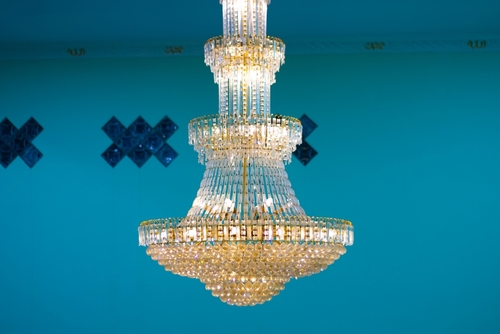
Oversized chandeliers or sculptural pendants create instant drama. They often become the most talked-about feature in a space. Choosing one signals bold taste and confidence. The fixture can define the entire room’s identity.
Lighting trends change faster than furniture. What once felt daring can later feel overwhelming or dated. Because lighting is so visually central, its aging effect is immediate. Simple, well-scaled fixtures allow rooms to evolve more naturally.
11. High-Maintenance Landscaping for Curb Appeal
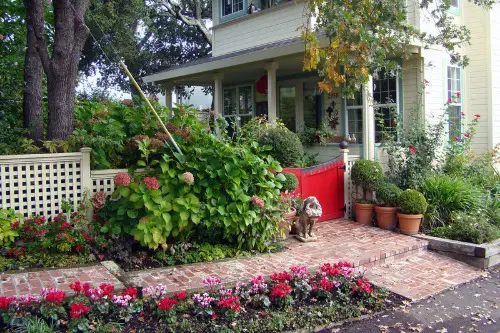
Manicured hedges, exotic plants, and intricate garden designs project wealth and care. They’re often installed to make a strong first impression. The look suggests time, money, and professional upkeep. Initially, it elevates the entire property.
As schedules and priorities shift, maintenance becomes a burden. Missed care quickly makes the yard look worse than a simpler design would. Climate changes and water restrictions also affect viability. Practical landscaping ages better because it works with real life, not against it.
This post Status Upgrades That Age Faster Than Practical Ones was first published on Greenhouse Black.
