
1. First-Edition Books With Dust Jackets

Many people keep old books without realizing the dust jacket can be more valuable than the book itself. Collectors focus on first editions with original jackets, especially from the early to mid-20th century. Authors like Hemingway, Steinbeck, and Agatha Christie are especially sought after. The reason is simple: dust jackets were often discarded, making surviving originals relatively rare.
You can usually identify first editions by checking the copyright page for specific printing indicators. Even worn jackets can add substantial value if they’re authentic and complete. The jacket artwork often reflects the original marketing and cultural context of the book. That historical snapshot is what collectors are paying for.
2. Vintage Pyrex in Discontinued Patterns
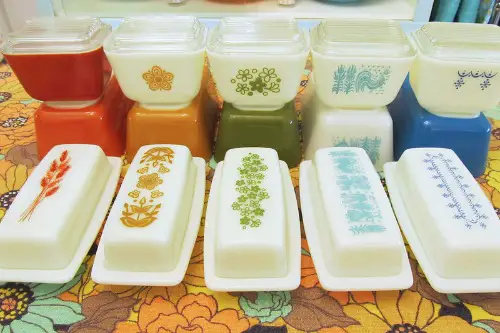
Collectors actively hunt for mid-century Pyrex bowls and casseroles in patterns like Gooseberry, Butterprint, and Pink Daisy. These designs were produced mainly in the 1950s–1970s and many were heavily used, making clean examples harder to find. Complete nesting bowl sets are especially desirable because pieces were often separated over time. The reason these matter is that Corning discontinued these patterns decades ago, and demand consistently outpaces supply.
If you have Pyrex with opaque white interiors and colorful exteriors, it’s worth flipping it over to check the stamp. Pieces marked “PYREX” in all caps typically date earlier and are more collectible than later lowercase versions. Condition is crucial, as dishwasher damage can dull the finish and reduce value significantly. Collectors want pieces that still look display-worthy, not just functional.
3. Early Pokémon Cards (1999–2000 Era)
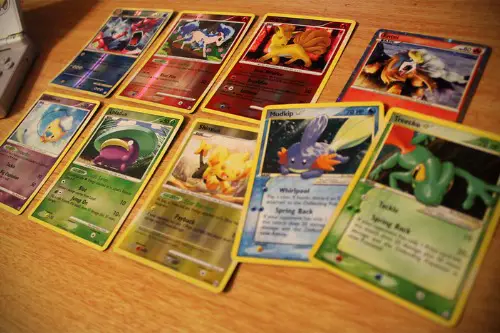
Pokémon cards from the original English release are heavily collected, especially Base Set cards from 1999. First Edition and Shadowless cards are particularly desirable due to their limited print runs. Even common cards can have value if they’re in excellent condition. Collectors include both nostalgic adults and serious investors, which keeps demand high.
Check the card for a “1st Edition” stamp or the absence of a drop shadow on the artwork box. Condition matters more than almost anything else, as grading dramatically affects price. Cards that were stored carefully rather than played with are the ones collectors want. That’s why childhood binders are often treasure troves.
4. Vintage Levi’s Jeans With Redline Selvedge
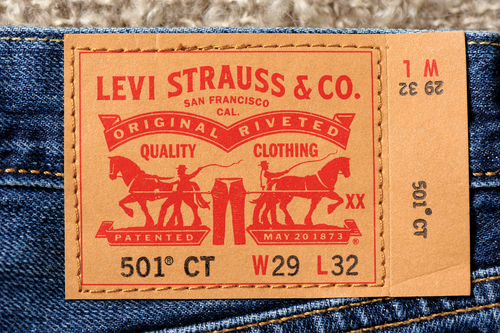
Old Levi’s jeans, especially those made before the mid-1970s, are highly collectible. Collectors look for redline selvedge denim and specific tags like the Big E label. These jeans were made in the U.S. with construction methods no longer used. Their durability and aging patterns make them appealing to both fashion historians and denim enthusiasts.
You’ll usually find identifying details on the inside seam and care tags. Even heavily worn pairs can be valuable if they show authentic wear rather than damage. The reason collectors care is that these jeans represent a specific era of American manufacturing. Modern reproductions haven’t replaced the originals in collector circles.
5. Old Toolboxes With Original Tools
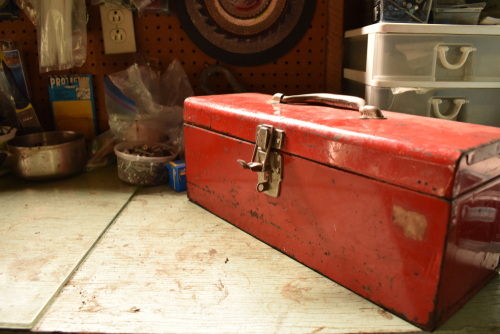
Vintage toolboxes, especially those still containing original tools, attract serious collectors. Brands like Stanley, Craftsman (older U.S.-made), and Snap-on are especially desirable. These tools were built to last and often feature materials and craftsmanship no longer standard. Collectors appreciate both the utility and the history behind them.
Wooden tool chests and metal cantilever boxes are particularly popular. Original patina is preferred over restored finishes in many cases. The reason for their appeal is that they tell a story of working life from another era. A complete set suggests careful ownership, which collectors value highly.
6. Mid-Century Modern Lamps
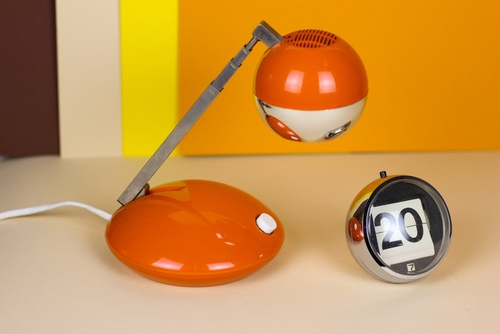
Table and floor lamps from the 1950s and 1960s are hot items among design collectors. Brands and designers like Gerald Thurston, Laurel Lamp Company, and Modeline are frequently sought. Even unmarked lamps can be valuable if the design matches known styles. The clean lines and sculptural forms define a popular design movement.
Collectors often look for original wiring, shades, or hardware. Lamps that haven’t been modified are more desirable. The reason these hide in plain sight is that many people see them as just old lighting. In reality, they’re functional art pieces tied to a major design era.
7. Vintage Christmas Ornaments

Glass Christmas ornaments from the early to mid-20th century are actively collected. German-made ornaments and early Shiny Brite examples are especially popular. Many were fragile and didn’t survive decades of storage. That scarcity is a big reason collectors hunt them down.
Original boxes increase value significantly because they help date and authenticate the ornaments. Collectors care about hand-painted details and unusual shapes. These ornaments reflect changing holiday aesthetics over time. What looks like a dusty decoration box can actually be a curated slice of history.
8. Early Apple Computer Packaging
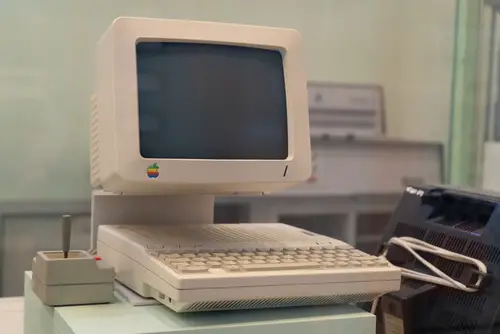
Boxes and manuals from early Apple products are surprisingly collectible. Items related to the Apple II, Macintosh 128K, and early iPods are especially sought after. Many users threw packaging away, making surviving examples rare. Collectors value these because they document the company’s early branding and design philosophy.
Even flattened boxes can be valuable if they’re complete. Original manuals, inserts, and receipts add to the appeal. The reason collectors hunt these is that they represent pivotal moments in tech history. The packaging often matters more than the hardware itself.
9. Vintage Board Games With All Pieces

Board games from the 1960s through 1980s are collectible if they’re complete and in good condition. Titles like Risk, Monopoly variants, and strategy-heavy games attract attention. Many games were played hard and lost pieces over time. Complete sets are therefore much harder to find.
Collectors also look for original boxes with intact corners and artwork. Instruction manuals and inserts matter more than people expect. These games reflect changing social trends and family entertainment. That cultural context is what keeps collectors interested.
10. Old Cameras and Lenses

Film cameras and lenses from brands like Leica, Nikon, Canon, and Hasselblad are in constant demand. Collectors and photographers alike seek them for both display and use. Mechanical cameras, in particular, are prized for their build quality. Many still function perfectly decades later.
Lenses often hold value even if the camera body does not. Serial numbers and mount types help determine age and compatibility. The reason collectors hunt these is that modern gear doesn’t replicate the same shooting experience. They represent a hands-on era of photography.
11. Vintage Advertising Signs
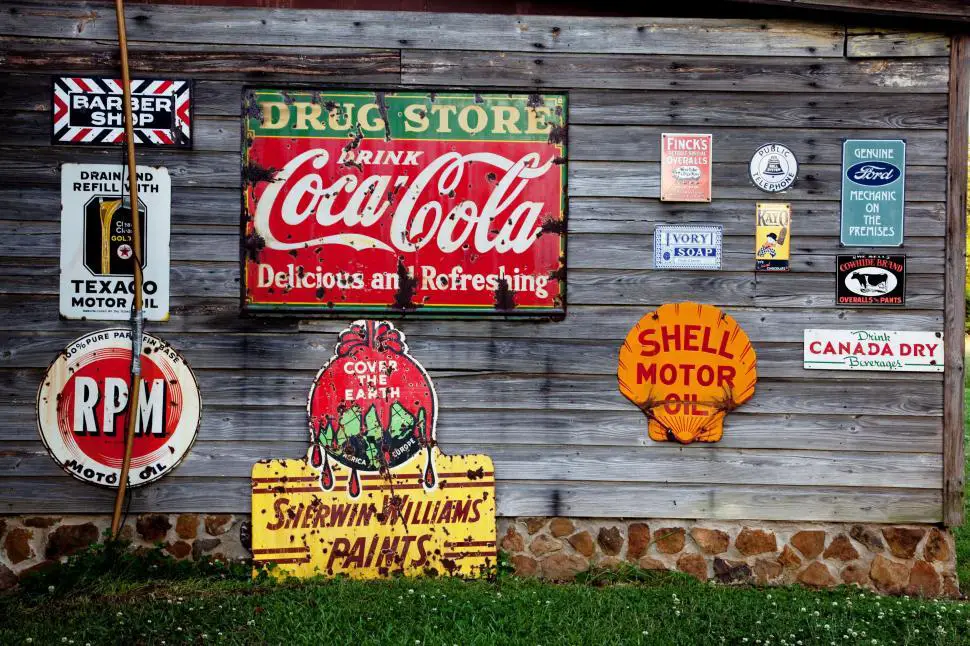
Old metal, porcelain, and cardboard advertising signs are highly collectible. Gas stations, soda brands, and tobacco companies are especially popular categories. These signs were never meant to last, which makes surviving examples rare. Condition and originality are key factors for collectors.
Signs with bold graphics and legible text are most desirable. Reproductions exist, so authenticity matters. Collectors value these signs because they capture everyday commercial art from the past. They’re snapshots of how brands once spoke to consumers.
12. Original LEGO Minifigures

Early LEGO minifigures from the late 1970s and 1980s are actively collected. Collectors look for specific torsos, head styles, and accessories. Some minifigures were produced for a short time before designs changed. That limited availability drives interest.
Condition matters, especially for printing and color consistency. Cracks in arms or torsos reduce value. These minifigures appeal because they represent LEGO’s early storytelling approach. What looks like a toy bin could hold surprisingly valuable figures.
13. Vintage Concert T-Shirts
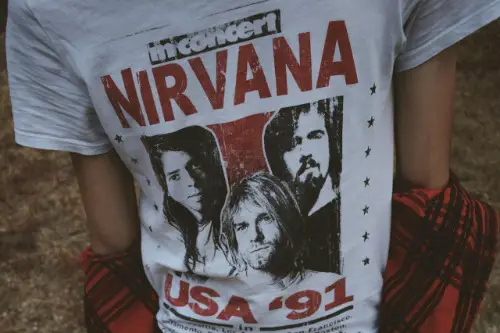
Original concert shirts from major bands are highly sought after. Shirts from tours in the 1970s through early 1990s are especially collectible. Authenticity is key, as modern reprints are common. Collectors value original shirts because they were worn and produced in limited numbers.
Single-stitch construction often helps date older shirts. Fading and wear can actually add appeal if it looks natural. These shirts document music history and fan culture. That personal connection is why collectors hunt them down.
14. Antique Maps and Atlases
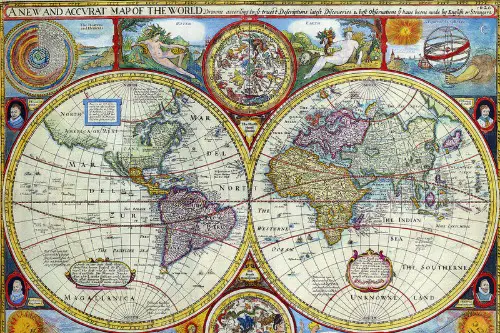
Old maps and atlases are collectible due to their historical and artistic value. Collectors look for hand-colored maps, unusual projections, or outdated borders. Even damaged maps can be valuable depending on rarity. They provide insight into how people once understood the world.
Framing-ready examples are especially desirable. Original folds and paper texture help authenticate age. The reason collectors care is that maps combine geography, politics, and art. They’re historical documents that also function as décor.
15. Vintage Wristwatches
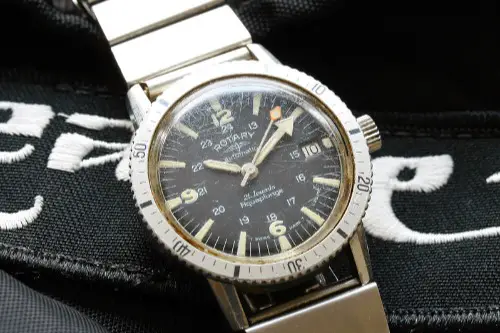
Mechanical wristwatches from the mid-20th century are in constant demand. Brands like Omega, Rolex, Longines, and Seiko are especially collectible. Original dials and parts matter more than polished cases. Collectors want watches that reflect their true age.
Even lesser-known brands can be valuable if the movement is high quality. Boxes and papers increase desirability but aren’t required. These watches are hunted because they represent precision engineering from another era. They also remain wearable, which keeps interest strong.
This post Stuff Hiding in Plain Sight That Collectors Are Hunting was first published on Greenhouse Black.
