
1. Minimal storage beyond the closets

You can tell a home wasn’t designed for the long haul when storage feels like an afterthought. There may be bedroom closets, but no linen closet, no pantry, and nowhere obvious for cleaning supplies. That usually means the designer assumed people would own less, or stay for a shorter time. Over years, everyday items quietly multiply, and the lack becomes impossible to ignore.
This matters because adding storage later is often expensive and awkward. Retrofitting built-ins can require structural changes or stolen floor space. Homes meant for long-term living usually plan for bulky, boring things like vacuums and holiday décor. When those items have no home, daily life gets cluttered fast.
2. A front door that opens straight into the living room
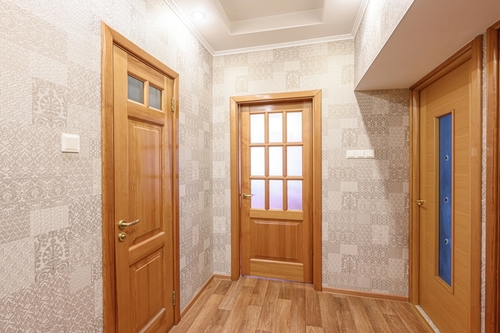
When the front door drops you directly into the main living space, it’s a subtle design tell. There’s no buffer zone for coats, shoes, bags, or guests arriving all at once. This layout is common in homes optimized for staging or short-term occupancy. It looks clean in photos but struggles in real life.
Long-term living generates daily mess at the threshold. An entryway helps manage dirt, weather gear, and privacy. Without one, furniture placement becomes tricky and wear concentrates in one area. Over time, that constant traffic takes a visible toll.
3. Steep or unusually narrow staircases
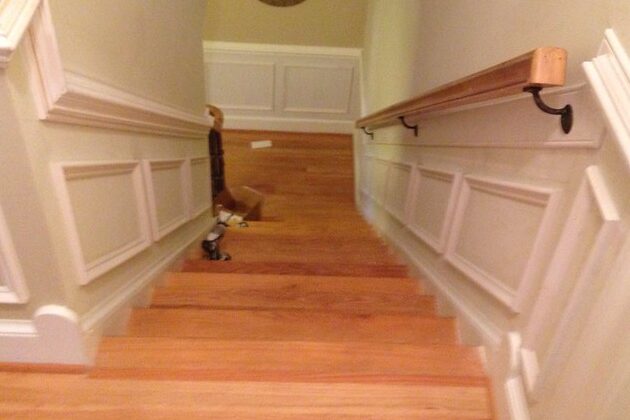
Stairs that feel tight, steep, or awkward often signal short-term thinking. They technically meet code but ignore how people age or move furniture. Carrying laundry, groceries, or a sleeping child becomes a chore. The design works until it very suddenly doesn’t.
For long-term living, stairs need forgiveness built in. Wider treads and gentle rises reduce injury risk over decades. Narrow stairs also complicate future renovations or accessibility upgrades. If the staircase feels like a ladder now, it won’t improve with time.
4. A kitchen with little continuous counter space
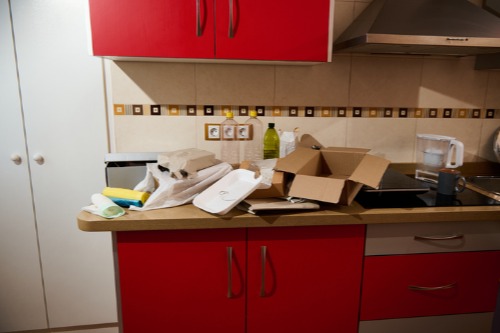
Some kitchens look stylish but fall apart under daily use. You’ll see plenty of appliances but very little uninterrupted counter area. That suggests the space was designed to photograph well, not to cook in regularly. Real meals require room to prep, stage, and clean.
Over time, inadequate counters create friction. People end up covering dining tables or stovetops just to function. Long-term kitchens prioritize workflow, not just finishes. When counter space is scarce, it’s a daily reminder of a short-sighted plan.
5. Bathrooms with no storage or landing space
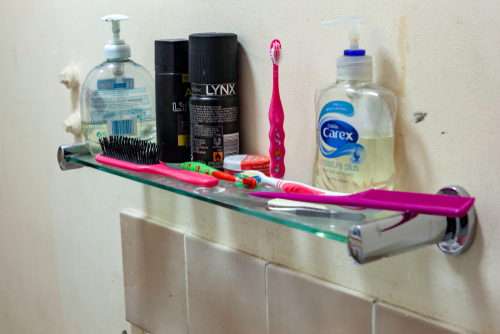
A bathroom without drawers or counter room is a quiet red flag. There’s nowhere for toiletries, medications, or extra towels. The assumption seems to be that users will bring only the bare minimum. That rarely matches real life.
Long-term living requires bathrooms that handle routines, not just quick visits. People accumulate products, and some need medical or mobility aids. Adding storage later often means wall demolition or bulky furniture. Good bathroom design anticipates years of use by different people.
6. Bedrooms sized just big enough for the bed
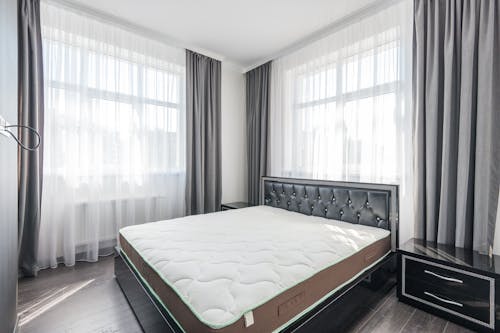
When a bedroom barely fits a bed and two nightstands, it was likely designed to meet minimums. There’s no room for a desk, chair, or future flexibility. This works fine for staging or rentals. It struggles once life changes.
Long-term bedrooms often need to adapt. People work from home, add cribs, or need space to move comfortably. Tight rooms limit furniture options and airflow. Over time, they can feel more like storage units than retreats.
7. Few electrical outlets in practical locations
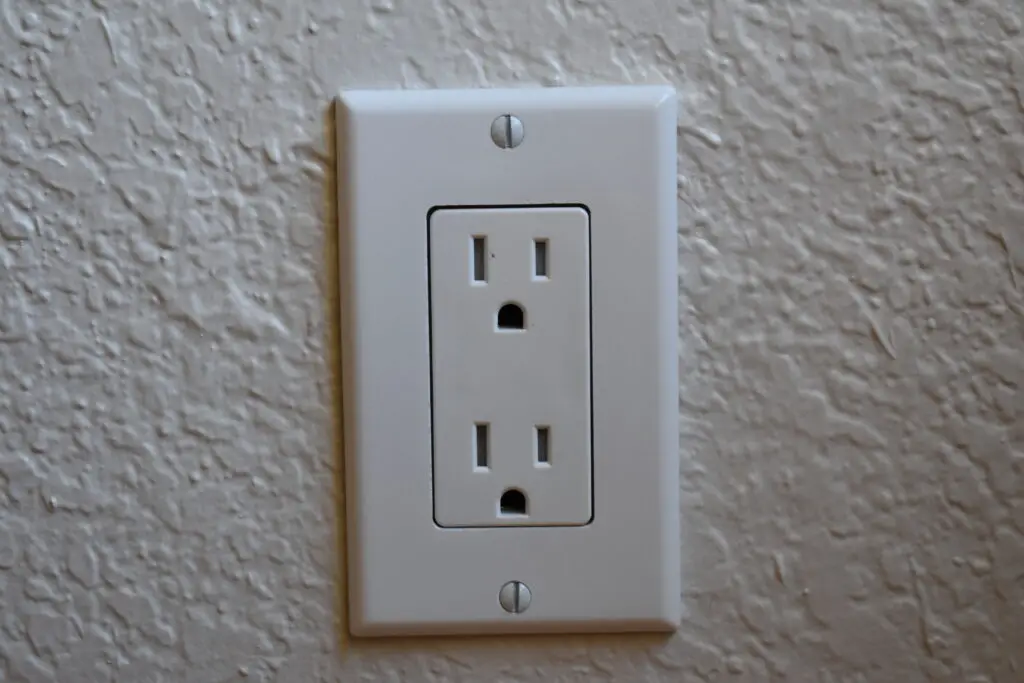
A lack of outlets, or outlets placed far from where furniture naturally goes, is a common clue. Older short-term designs assumed fewer devices and less daily charging. Extension cords quietly take over the room. That’s never a great sign.
Homes designed for longevity anticipate evolving technology. More outlets reduce fire risk and improve flexibility. Retrofitting electrical systems is invasive and costly. When power access feels inconvenient now, it will only get worse.
8. No dedicated laundry space or awkward placement
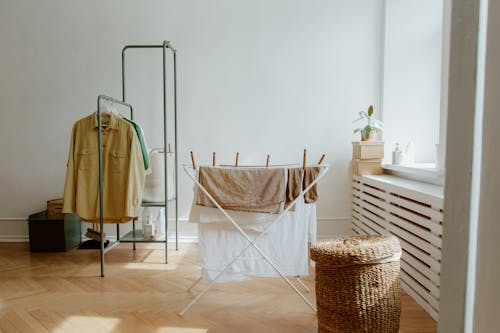
Laundry tucked into a hallway, garage corner, or kitchen closet often signals compromise. It works on paper but ignores noise, ventilation, and daily rhythm. Carrying loads across the house gets old quickly. This is especially true in multi-level homes.
Long-term living benefits from laundry being accessible and contained. Proper space reduces humidity, wear, and household friction. Poor placement can also hurt resale value later. It’s a detail that matters more every year.
9. Finishes that look good but wear quickly

Ultra-thin flooring, delicate countertops, or scuff-prone walls are telling choices. They photograph beautifully and keep initial costs down. Daily life, however, is not gentle. Wear shows up fast.
Designs meant for long-term living prioritize durability over flash. Materials should handle spills, pets, and repeated cleaning. Replacing finishes every few years is expensive and disruptive. When everything feels fragile, the house wasn’t built for staying.
10. Little consideration for natural light over time
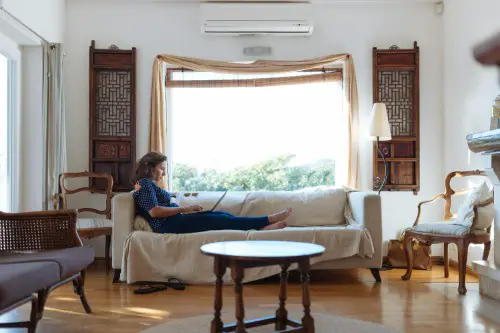
Some homes rely on a single orientation or minimal windows. They may feel bright at certain hours but dim the rest of the day. This often happens when layout efficiency trumps comfort. Long-term occupants notice the imbalance quickly.
Natural light affects mood, energy use, and livability. Homes designed for years of use usually balance light across rooms. Fixing poor daylight later is difficult without major renovation. A house that feels gloomy half the day wears on people.
11. Landscaping that demands constant upkeep

Outdoor spaces with high-maintenance plants and little shade can be another clue. They look impressive at first but require significant time and money. This suggests a focus on curb appeal over sustainability. Long-term residents pay the price.
Thoughtful long-term design considers maintenance as part of living. Durable plantings and practical layouts age better. Over time, demanding landscapes are often ripped out or neglected. That cycle points back to short-term thinking from the start.
This post Subtle Clues That a Home Was Designed Without Long-Term Living in Mind was first published on Greenhouse Black.
