
1. Your awning is spilling into your neighbor’s space

It feels harmless to stretch your awning a little extra to enjoy some shade, but campgrounds are strict about boundaries. If your awning crosses into the neighboring site, it could block walkways or invade someone else’s privacy. Campground staff may view this as encroaching on another camper’s space. Being aware of your site lines helps keep everyone comfortable.
Even a small overhang can cause complaints, especially in crowded campgrounds. People value their personal space when they’re camping. Observing markers or pins at the edge of your lot can prevent accidental trespass. It’s better to retract your awning slightly than risk a confrontation or fine.
2. You’re constantly running your generator
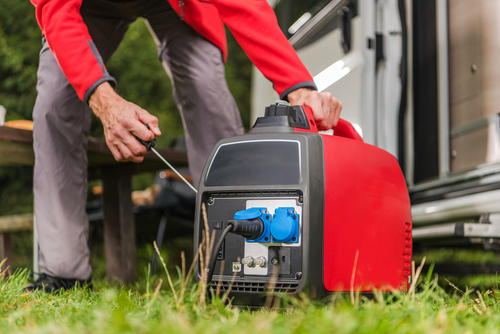
Generators are lifesavers for power, but running one too often or at the wrong times can break rules. Most campgrounds restrict generator use to certain hours to avoid noise disruption. Running it outside these hours can annoy neighbors and attract attention from staff. It’s easy to lose track of time when you’re busy with chores or cooking.
Even if your RV needs electricity, planning around campground quiet hours shows consideration. Using battery power or solar energy during quiet times can help. Staff may issue warnings or fines if your generator becomes a recurring nuisance. Checking the campground’s posted hours before you turn it on is a simple way to stay compliant.
3. You’ve set up extra chairs or tables outside your designated space

Spreading out beyond your assigned site might feel cozy, but it can violate campground rules. Extra furniture in walkways or adjacent lots can create safety hazards or block access for maintenance vehicles. Campgrounds typically expect your setup to stay within marked boundaries. Being aware of your footprint keeps your neighbors happy.
It’s tempting to create an outdoor living room, especially on nice days. But even small items, like folding chairs or a grill, can push the envelope. Staff may ask you to remove them or restrict their placement. Sticking to your designated area ensures everyone has equal space to enjoy.
4. You’re leaving trash outside your bin
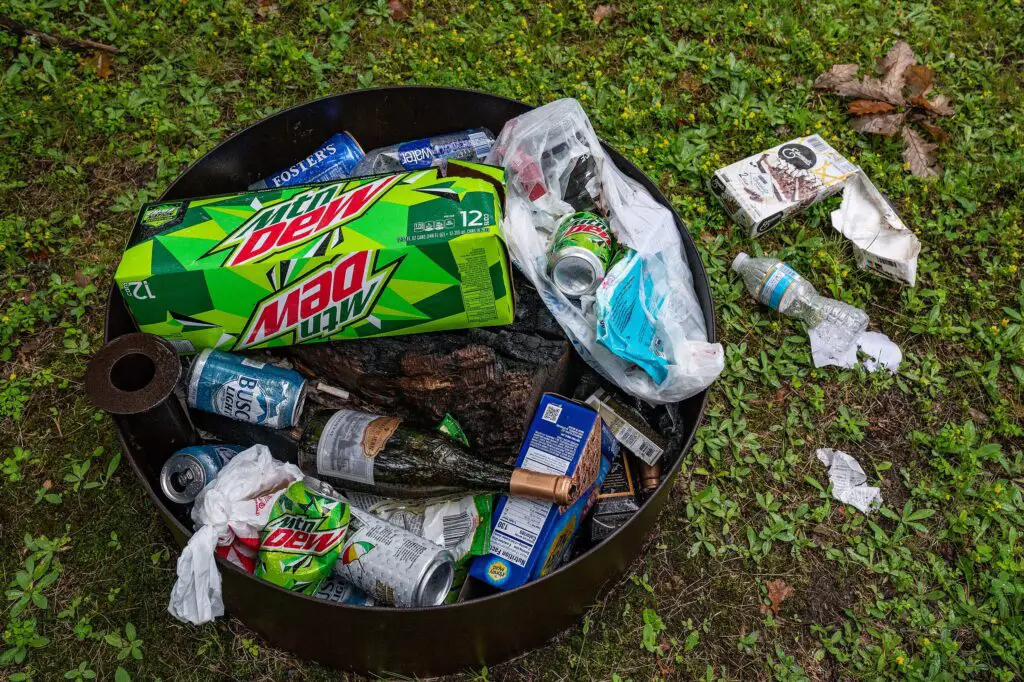
Leaving bags of garbage on the ground, even temporarily, is a subtle way you might break rules. Campgrounds require trash to be stored in proper containers to prevent wildlife encounters and maintain cleanliness. Overflowing bins or improperly secured trash can attract animals or create unpleasant odors. It might seem minor, but staff take this seriously for safety reasons.
Some campers assume a few minutes outside the bin won’t matter. But even short periods can lead to messes or complaints. Always double-check that your trash is securely placed in the provided containers. Following these rules protects both wildlife and your fellow campers.
5. Your RV is extending beyond your parking pad
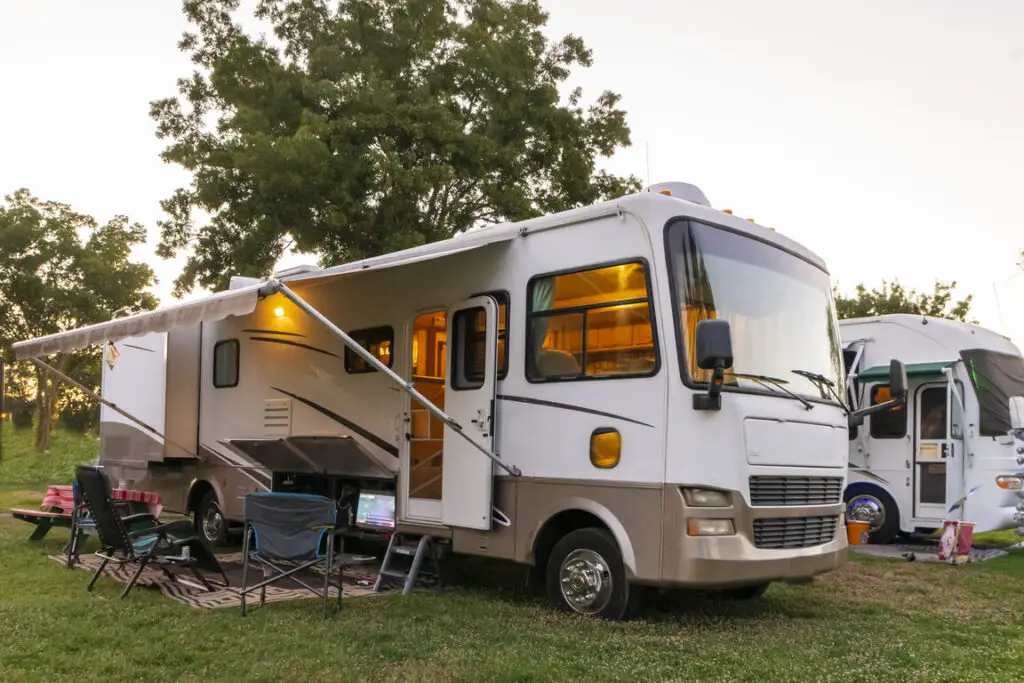
Parking beyond your assigned space might seem like a minor tweak for convenience. But campsites are designed with specific dimensions to allow for vehicle access and safety. Overhanging roads or neighboring lots can be flagged by staff. It also makes it tricky for other campers to navigate through the area.
When your RV sticks out, you risk being seen as inconsiderate. Extra length can block emergency access or create tight turns for others. Measuring your site before arrival helps prevent unintentional violations. It’s a small adjustment that makes a big difference in campground harmony.
6. You’re using open flames outside designated fire areas

Campgrounds typically restrict campfires and grills to approved fire pits. Ignoring this rule can risk forest fires and lead to fines. Flames outside the designated area are considered a safety hazard, even if contained in a portable stove. Some campers assume a little flame won’t matter, but rules exist for very good reasons.
Fire danger varies with season and location, so staff enforce this strictly. Even small charcoal grills need to follow placement rules. Using the designated area keeps everyone safe and reduces potential complaints. Following fire guidelines is one of the most important rules in any campground.
7. You’re letting your pets roam off-leash

Campground rules almost always require pets to stay leashed. Allowing dogs to wander may disturb wildlife or bother other campers. Even well-behaved pets can cause unexpected accidents or stress. Staff usually enforce leash rules consistently, and violations can result in fines.
Some campers think a friendly dog is harmless. But others may have allergies, fears, or simply want peace while relaxing. Always keeping pets on a leash ensures safety and shows respect for your neighbors. It’s a simple step that avoids unnecessary conflicts.
8. You’re parking extra vehicles in unauthorized spots
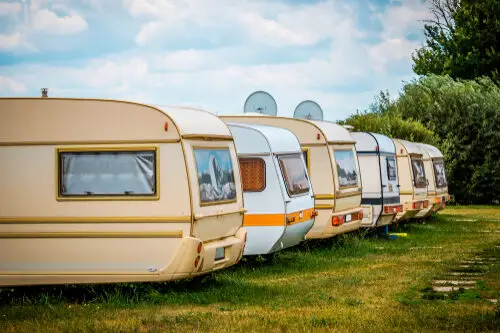
Bringing more vehicles than your site allows is a common subtle violation. Extra cars or trailers can block roads, emergency access, or other campers’ views. Campgrounds have specific limits to prevent overcrowding and ensure safety. Ignoring these limits can result in warnings or being asked to move vehicles.
It’s tempting to bring every family member’s car along. But planning parking carefully is part of responsible camping. Use designated overflow areas if they exist. Keeping to your site’s limits keeps traffic flowing smoothly.
9. Your outdoor lighting is too bright or persistent
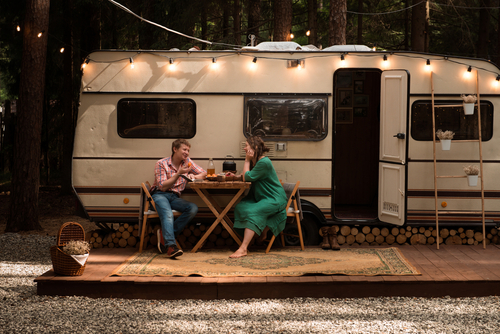
Some RVers string up extra lights or leave bright lamps on all night. While it creates ambiance, it can be intrusive to neighbors trying to sleep. Campgrounds often ask for low, shielded lighting during nighttime hours. Excessive light can lead to complaints or requests to turn them off.
Even small LED setups can disrupt the peaceful nighttime environment. Using motion sensors or dimmers is a considerate alternative. Respecting the dark hours helps everyone enjoy nature. Bright lights might look pretty, but they’re not always allowed.
10. You’re leaving your sewer or water hoses in unsafe ways

Improperly routed hoses can create tripping hazards or damage campground infrastructure. Stretching hoses across roads or paths can be flagged as unsafe and noncompliant. Staff expect hoses to be neatly positioned within your site boundaries. It’s not just a rule—it’s about safety for everyone walking nearby.
Ignoring hose placement can cause accidents or complaints. Simple rerouting along edges of your site often solves the problem. Investing in hose ramps or covers is an easy way to stay compliant. Keeping your hookups organized avoids subtle rule-breaking.
11. You’re hanging laundry or items outside in non-designated areas

Campgrounds usually specify where outdoor drying is allowed. Hanging towels or clotheslines outside your site might seem harmless, but it’s often a violation. Non-designated areas can obstruct paths or annoy neighbors. Staff will ask you to remove items left outside boundaries.
It’s tempting to dry gear in the open sun. But respecting the rules prevents conflicts. Some campgrounds even have specific posts or racks for laundry. Using them keeps your campsite organized and compliant.
12. You’re overusing your satellite or TV dish in shared spaces

Some RVers aim for the perfect signal by extending dishes or antennas in ways that cross boundaries. This can block views or infringe on neighbor space. Campgrounds may restrict placement or require compact setups to maintain a shared environment. Misusing these devices can draw attention from staff or cause complaints.
Even when you’re just trying to watch a show, it’s important to be mindful. Compact or retractable setups often solve the problem. Checking the campground’s media policies helps you avoid subtle violations. Being considerate keeps the community atmosphere pleasant.
13. You’re ignoring quiet hours
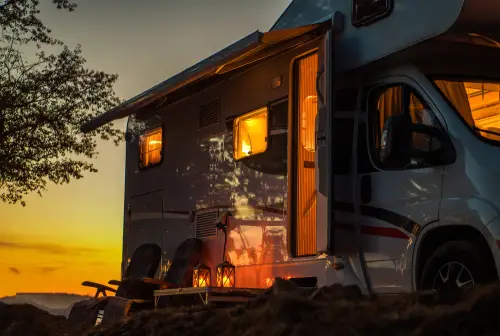
Quiet hours are perhaps the most enforced rule, yet campers sometimes overlook them. Playing music, running generators, or chatting loudly late at night can disturb neighbors. Campground quiet hours are designed to ensure everyone gets rest and peace. Ignoring them can result in a polite warning or formal notice.
Respecting quiet hours is easy if you plan ahead. Setting timers for music or lights, and keeping conversations low, goes a long way. Even small disruptions can affect families or others who value tranquility. Following this simple rule fosters a respectful and relaxed environment for all.
This post 13 Subtle Signs Your RV Setup Is Breaking Campground Rules was first published on Greenhouse Black.
