
1. Cookie-Cutter Housing Tracts

When new suburban developments go up, builders often use the same handful of floorplans and exterior finishes across hundreds of houses. At first, it feels clean and uniform, but within a decade, the sameness starts to feel sterile rather than stylish. Homeowners add different paint colors or yard decorations in an attempt to break the monotony, which can clash instead of harmonize. What once looked like a shiny new neighborhood can quickly come off as bland and uninspired.
Another issue is that architectural trends shift faster than expected. Stone veneers or stucco facades that once felt fresh can start to scream “2000s suburbia” a few years later. Unlike historic districts that age gracefully, mass-produced neighborhoods don’t gain the same charm. They can feel outdated without ever developing a sense of authenticity.
2. Overly Wide Streets
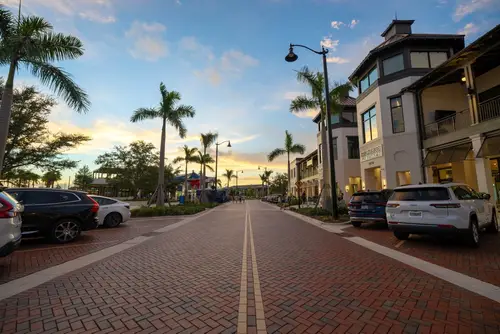
Developers often design wide, car-centric streets to give a sense of openness and accommodate traffic. For the first few years, this can seem like a perk: there’s plenty of room to drive and park. But over time, those streets become heat islands with little tree cover and long, unfriendly stretches for pedestrians. The lack of shade and greenery makes the area less inviting and less walkable.
As families age or shift toward more active lifestyles, residents start to notice how impractical these streets feel. Parents don’t want kids biking along wide, empty roads with speeding cars. Joggers and dog walkers find it uncomfortable, too. What was once marketed as “spacious design” ends up being hostile to community life.
3. Cheap Construction Materials
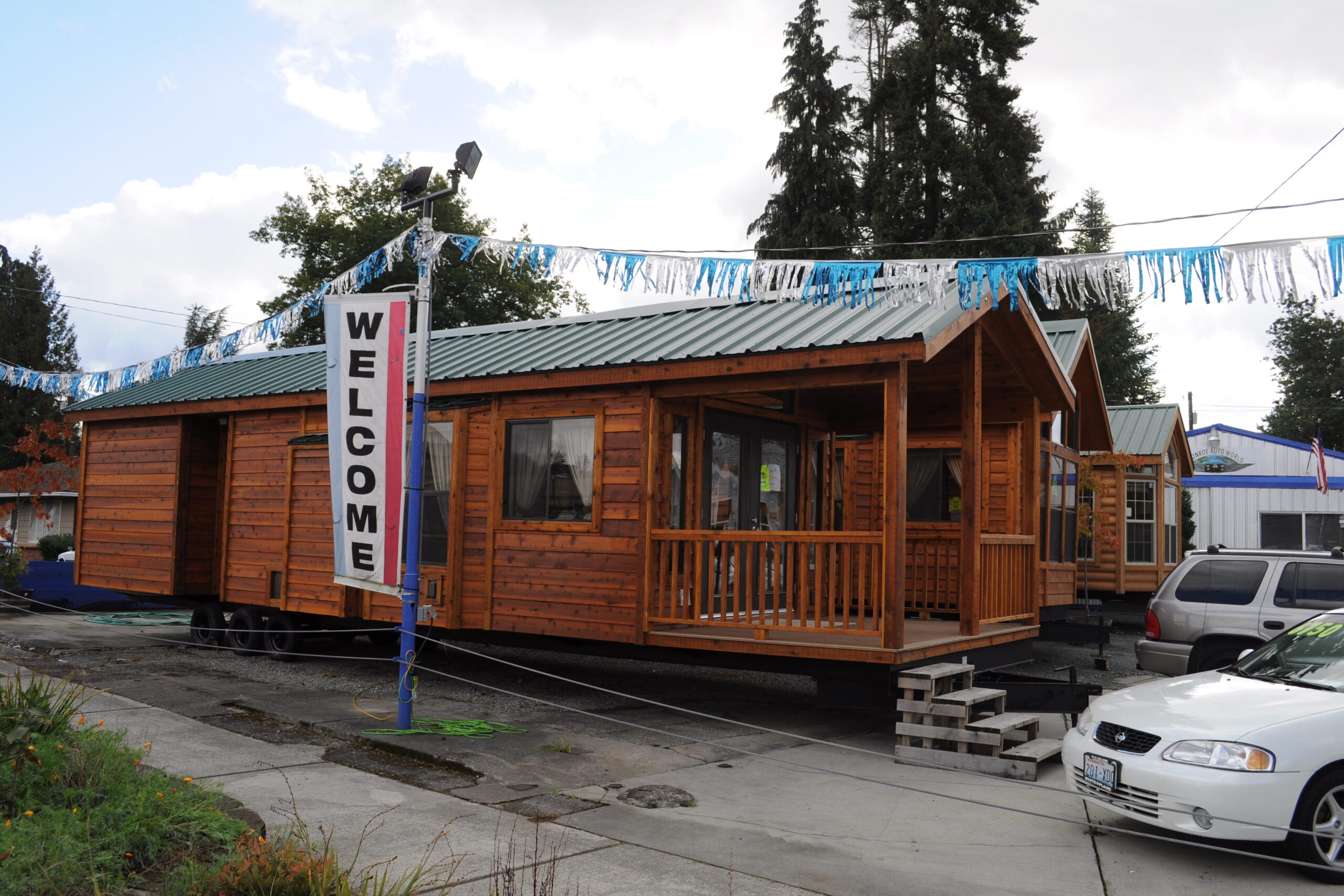
To keep costs low, builders often rely on materials like vinyl siding, particleboard cabinetry, and asphalt shingles. These look fine when brand new but rarely hold up more than a decade without significant wear. Siding can warp or fade, cabinets chip and swell, and roofs need replacing sooner than homeowners expected. Maintenance costs arrive earlier than advertised.
This leads to entire developments showing signs of decline at the same time. When dozens of homes in a neighborhood suddenly look worn, it drags down curb appeal. Owners either face expensive repairs or live with the decline. What once seemed like affordable luxury ends up being a constant financial burden.
4. Oversized Lawns
In many suburban plans, big front and backyards were considered selling points. They gave buyers a sense of privacy and space compared to urban living. But after about a decade, many residents realize how much maintenance those sprawling lawns demand. Mowing, watering, and treating pests take time and money.
Changing water restrictions in certain regions only make the upkeep harder. In drought-prone states, keeping grass green becomes an environmental and financial challenge. Lawns that once looked lush and inviting can quickly turn patchy and brown. What was once a dream feature becomes a hassle to manage.
5. Car-Dependent Layouts
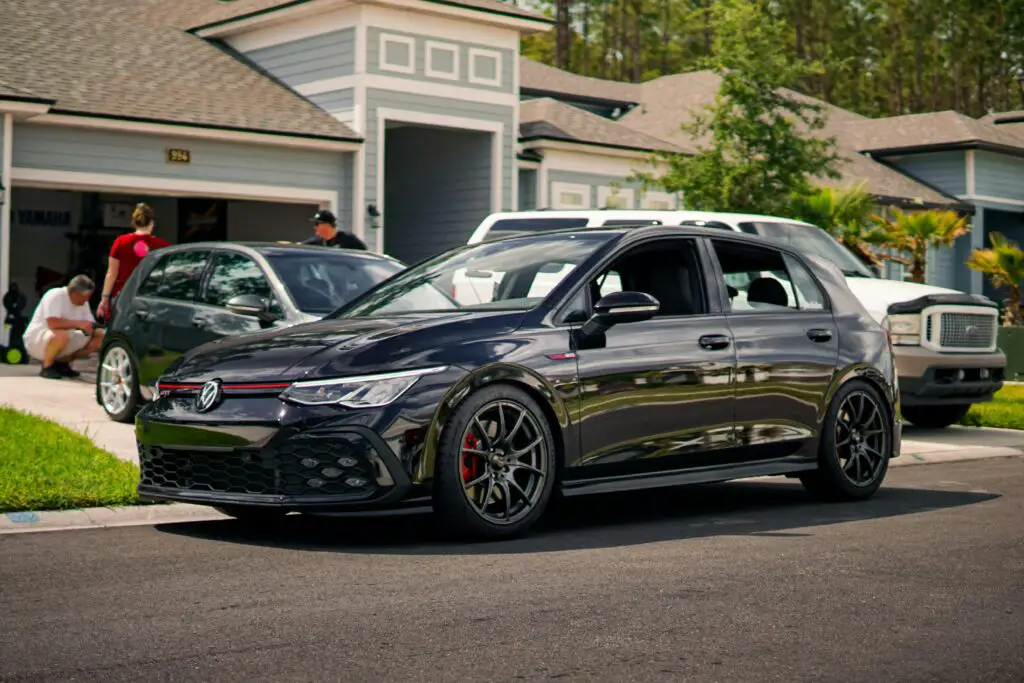
A hallmark of many suburban developments is how far homes are from stores, schools, or workplaces. At first, driving everywhere might not seem like a problem, especially for younger families with multiple cars. But over time, constant driving wears people down, especially as traffic grows worse. Residents start to notice how isolating it is without walkable options.
When kids get older or older adults want more independence, the lack of transit becomes a glaring issue. Teenagers can’t get around without rides, and retirees may struggle if they can’t drive. The entire community depends on cars for every errand. What was pitched as peaceful separation ends up feeling like frustrating isolation.
6. Homeowners Association Rules
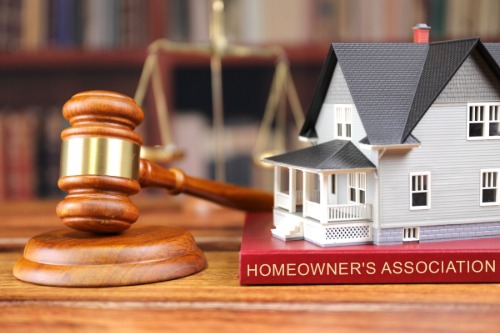
At first, HOAs appeal to buyers by promising order, neatness, and rising property values. They enforce lawn standards, exterior paint rules, and community upkeep. But after years of living under them, many residents find the rules restrictive or arbitrary. Conflicts with boards can escalate quickly.
As neighborhoods age, the HOAs don’t necessarily adapt to changing needs. A rule about fencing or exterior colors might have made sense in year one but feels outdated a decade later. Disputes over fees or fines create resentment. The organization meant to preserve harmony can become a source of constant tension.
7. Empty or Underused Clubhouses
New developments often advertise community centers, gyms, or clubhouses as a lifestyle perk. In the early years, these amenities may see frequent use during neighborhood gatherings or holiday events. But after a decade, enthusiasm wanes, and many of these spaces sit empty. Maintenance costs for unused buildings become a drain.
As families move or children grow up, the demand for such amenities shifts. A clubhouse designed for young parents may not serve the needs of retirees or child-free households. Instead of fostering community, the building feels like wasted space. What was once a selling point becomes an awkward liability.
8. Playground Equipment
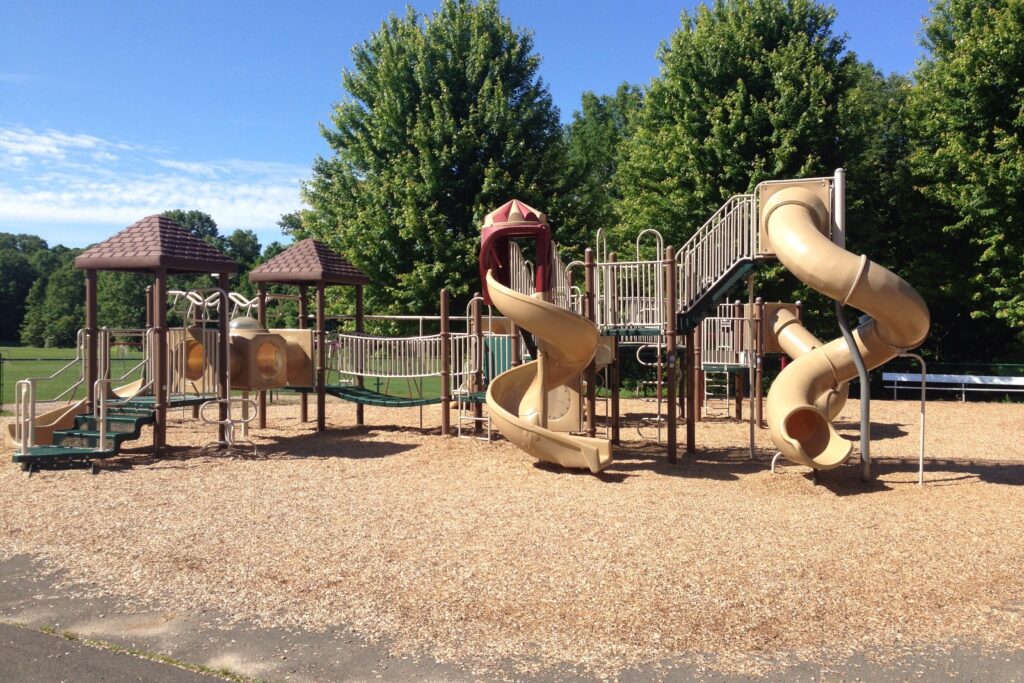
Brand-new playgrounds are often a highlight for families with small kids. They’re bright, modern, and give the impression of a family-friendly community. But as the original wave of children grows older, the playgrounds start to sit unused. Equipment gets weathered and safety standards evolve, making old structures look dated.
Eventually, the area becomes more of an eyesore than an attraction. Parents may not want to send kids to equipment that looks faded or rusty. Meanwhile, younger families moving in don’t always find the same appeal in outdated setups. What was once a vibrant hub becomes a forgotten corner.
9. Retail Pads Near Entrances
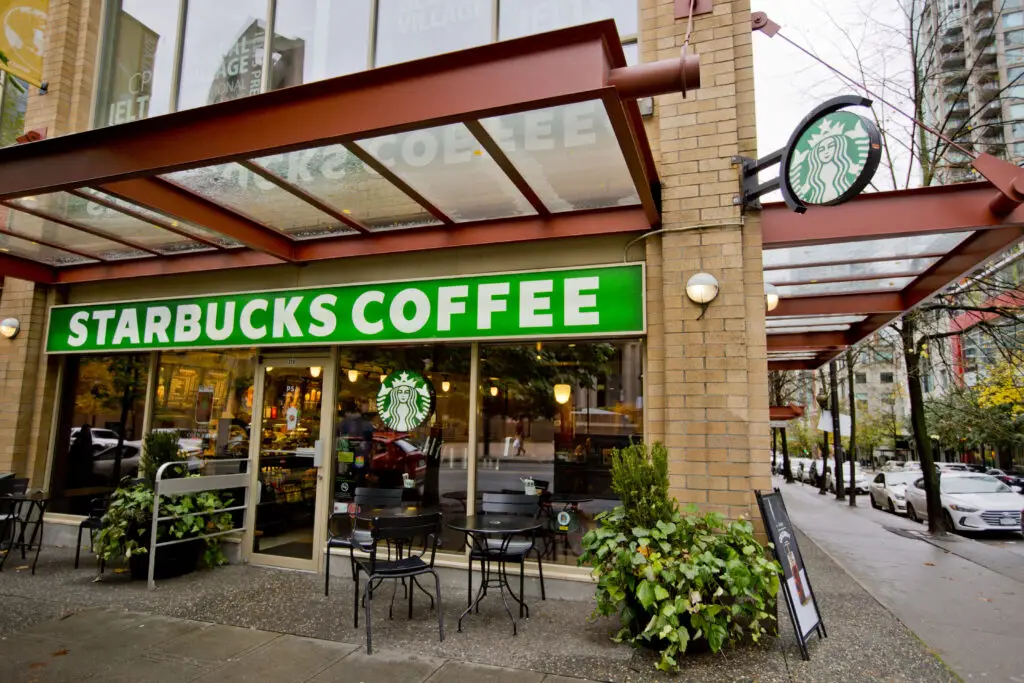
Developers often build retail spaces near the entrances of suburban neighborhoods, expecting them to fill with grocery stores or coffee shops. In the first few years, these spots may land a tenant or two, but many sit half-empty. Chains relocate or close, leaving behind vacant storefronts. Residents drive past empty buildings daily, which hurts the neighborhood’s image.
These underused retail spaces don’t age well architecturally either. Flat-roof strip mall designs start to look outdated, and weeds sprout in empty parking lots. Instead of creating convenience, they project decline. What was intended as a community anchor ends up being a reminder of stagnation.
10. Lack of Mature Trees
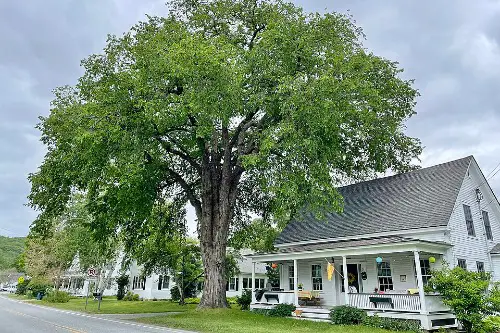
In new suburbs, landscaping usually means a sapling in every yard and a couple along the streets. At first, everything looks fresh and manicured, but it takes decades for trees to offer shade and character. By the ten-year mark, many developments still look bare and exposed. Summers feel hotter, and yards lack the privacy residents hoped for.
Without tree cover, neighborhoods also feel less inviting for walking or outdoor play. Heat radiates from the pavement, making the streets uncomfortable. The contrast with older, tree-lined neighborhoods is stark. What was supposed to be picturesque landscaping feels more like unfinished business.
11. Big Box Anchors That Leave

Some suburban areas are planned around a major anchor store, like a supermarket or home improvement chain. For a few years, this makes shopping convenient and gives the neighborhood a focal point. But retail trends change quickly, and anchors often close or relocate. The empty big box becomes a blight.
It’s not easy to repurpose a massive retail shell, so it can sit vacant for years. The huge parking lots add to the sense of abandonment. Residents lose both convenience and appeal when driving past a ghost store every day. What started as a major draw turns into a major drawback.
12. Fenced Subdivisions
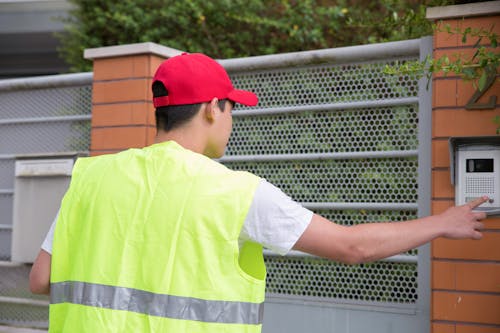
Gated or fenced subdivisions often market exclusivity and security. In the beginning, residents may feel safer with controlled access and manicured entrances. But as years pass, the fences and gates themselves begin to deteriorate. Rust, malfunctioning keypads, and cracked walls create an impression of decline.
The exclusivity factor also fades when nearby developments adopt the same model. Instead of feeling special, the subdivision feels like just another closed-off neighborhood. Repairing gates and fences costs homeowners, adding to frustration. What was once prestigious begins to look worn and unnecessary.
13. Oversized Houses
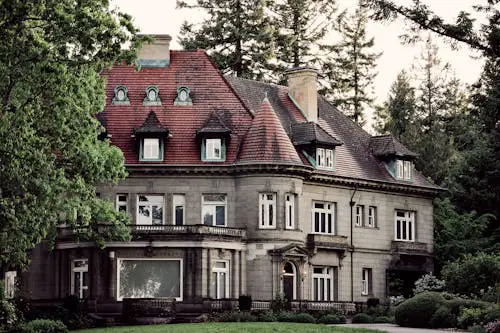
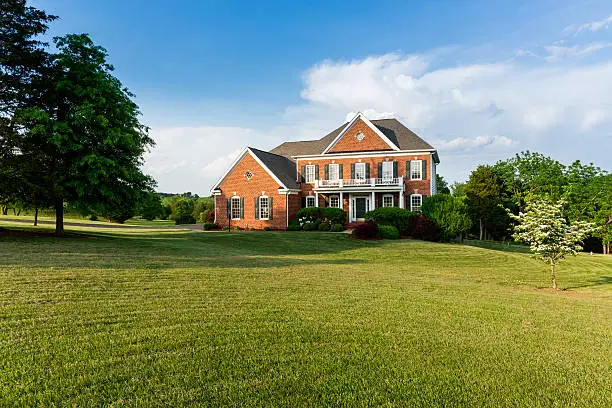
McMansions and oversized homes dominate many suburban developments built in the 1990s and 2000s. At first, buyers were drawn to big spaces, high ceilings, and sprawling layouts. But after a decade, maintaining and heating these homes becomes expensive. Empty nesters or smaller families often feel burdened by the unused space.
Resale value also suffers as buyer preferences shift toward smaller, more energy-efficient homes. Huge layouts can feel wasteful and outdated, especially with changing sustainability trends. Families who once loved the extra rooms often regret the upkeep. What once signaled success now signals impracticality.
This post 13 Suburban Developments That Age Poorly After a Decade was first published on Greenhouse Black.
