
1. Home battery storage systems
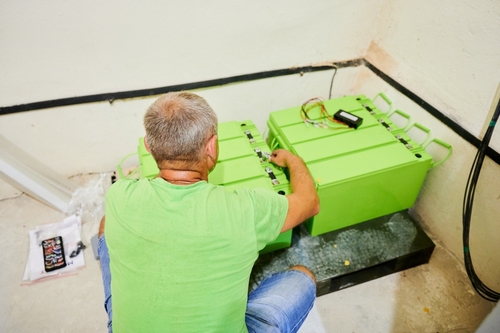
Battery systems have been gaining traction, especially as a companion to rooftop solar. Because outages and peak-demand spikes have been more common, policymakers see storage as a way to strengthen grid resilience. Tax incentives for storage already exist today, so extending or updating them in 2026 would be a natural next step. It also supports the broader push for decentralized clean-energy infrastructure.
For homeowners, batteries add a sense of independence since they can store their own electricity. They also make solar more useful by shifting energy to nighttime hours. With costs gradually trending downward, incentives can help close the affordability gap. That mix of reliability and savings makes storage a good bet for future tax support.
2. Heat pumps for heating and cooling

Heat pumps are already a major focus of U.S. energy policy, so it’s very plausible they’ll stay tax-incentivized in 2026. They cut both heating and cooling energy use, which makes them appealing for long-term emissions goals. Policymakers like them because they deliver big efficiency gains without forcing homeowners to change daily habits. And for households, the promise of lower utility bills makes the upgrade feel practical rather than trendy.
Extreme weather patterns are also pushing interest in more efficient climate-control systems. Many states are rolling out their own heat-pump programs, and federal policy often follows those trends a year or two later. That momentum makes continued tax incentives easy to imagine for 2026. If that happens, more homes may shift away from gas furnaces and older AC units.
3. Rooftop solar panel installations
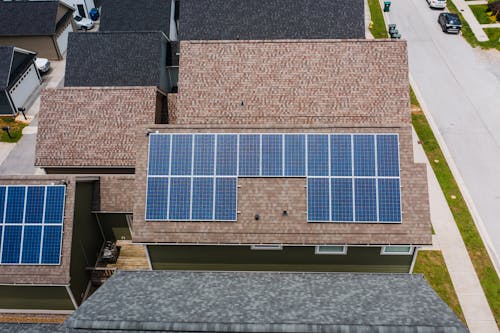
Rooftop solar has been one of the most consistent recipients of federal tax support, so an extension into 2026 seems likely. It aligns with national goals to expand renewable energy and reduce fossil-fuel dependence. Solar also has strong public awareness, which helps keep it politically durable even when broader energy legislation gets complicated. Plus, it’s one of the few upgrades where homeowners can clearly see an economic payoff.
Utilities and regional grid operators are also encouraging distributed solar as a way to support grid reliability. With electricity demand expected to rise, expanding rooftop generation becomes even more appealing. That’s why a 2026 incentive extension would fit both economic and environmental goals. Homeowners would likely continue adopting solar as a way to lock in predictable energy costs.
4. Heat-pump water heaters
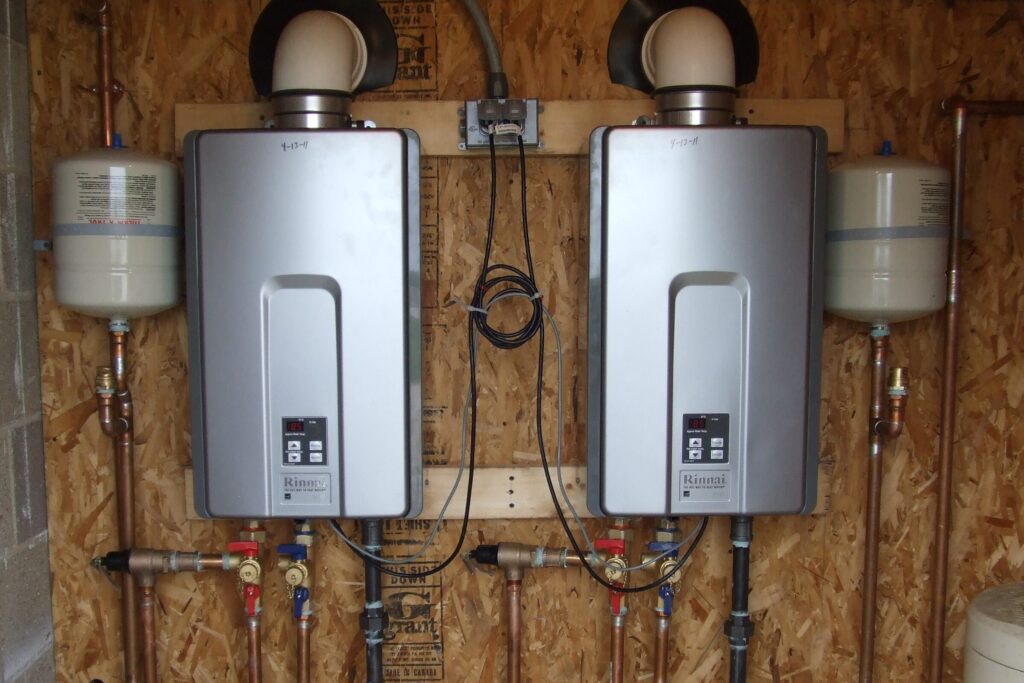
Heat-pump water heaters are gaining attention because they use far less energy than traditional electric or gas models. They’re already part of today’s efficiency incentives, and continuing them into 2026 would help reduce household energy use even further. Water heating is one of the largest energy loads in a home, so improving it has measurable climate benefits. From a policy standpoint, it’s an easy upgrade to support because it’s widely applicable.
Homeowners often find that switching water heaters feels less overwhelming than upgrading a whole HVAC system. Because these units save money month after month, the payback can be easier to justify. If incentives remain in place, more families may replace aging tanks with efficient models before failure. That predictability makes them a practical target for future legislation.
5. Energy-efficient windows and doors
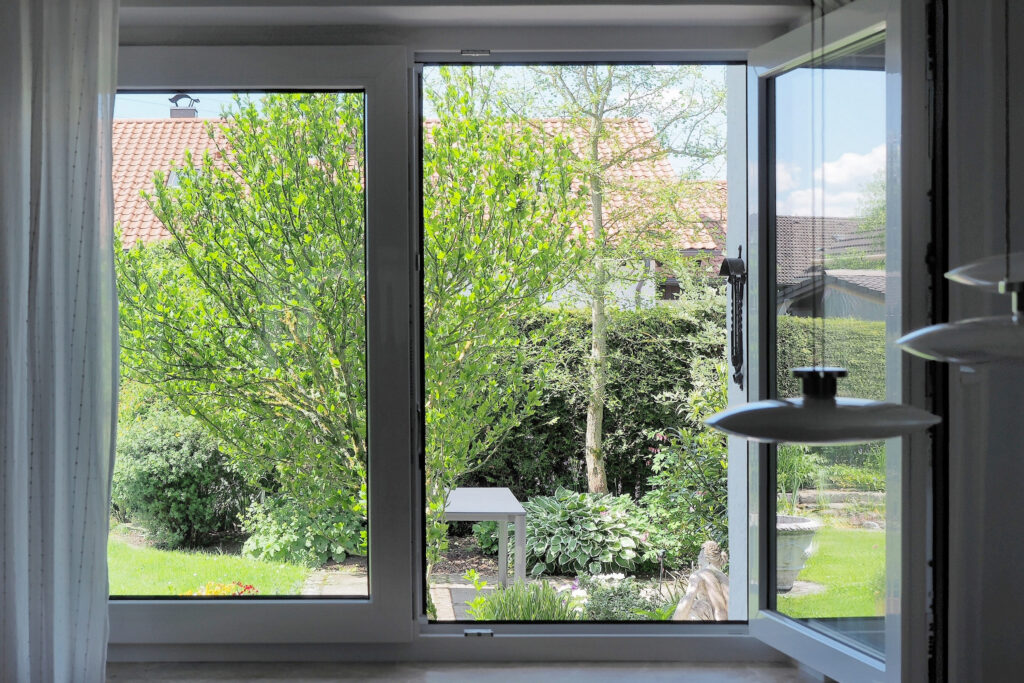
Windows and doors play a big role in keeping conditioned air inside, so upgrading them can significantly reduce energy waste. They’re already eligible for certain credits, and that pattern could easily continue in 2026. Improving the “building envelope” is one of the most cost-effective ways to lower emissions across millions of homes. Policymakers often favor these upgrades because they’re simple, scalable, and easy for homeowners to understand.
People also tend to notice immediate comfort improvements when drafts are eliminated. That makes efficiency feel tangible rather than abstract. With energy prices fluctuating unpredictably, better windows and doors can buffer households against high heating or cooling bills. Continued incentives would make these upgrades more accessible for older homes.
6. Whole-home insulation improvements
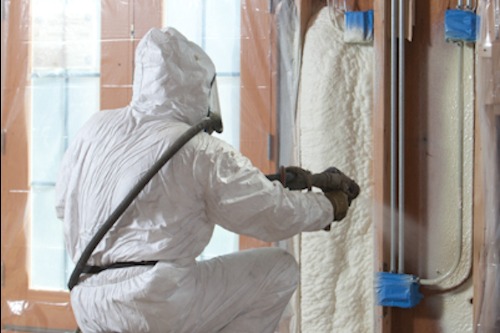
Insulation often gets overlooked, but it’s one of the best ways to reduce a home’s overall energy load. Because current incentives already support insulation upgrades, continuing them into 2026 is a reasonable expectation. Well-insulated homes demand far less heating in winter and less cooling in summer, cutting both emissions and costs. From a policy point of view, this helps reduce nationwide energy demand at scale.
Homeowners benefit because insulation upgrades often provide comfort improvements immediately. Lower bills also mean the investment pays off steadily over time. As states update building codes, federal incentives typically follow with complementary policies. That makes insulation a persistent contender for future tax credits.
7. EV-ready home charging equipment
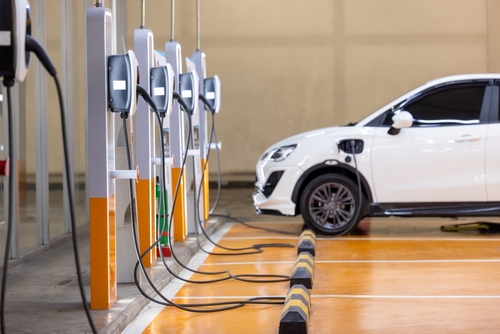
Electric vehicles are becoming more common, and many states are strengthening EV adoption policies. That creates a strong argument for expanding incentives for home charging installations in 2026. Making homes EV-ready supports the national shift toward cleaner transportation. It also reduces the barrier for households considering their first electric car.
Preparing a home for charging infrastructure helps future-proof the property. It also spreads out demand on public charging networks, easing pressure on shared infrastructure. Because charging equipment can be expensive to install, incentives help soften the upfront cost. As EV adoption accelerates, promoting home charging becomes increasingly strategic.
8. Smart thermostats and advanced controls
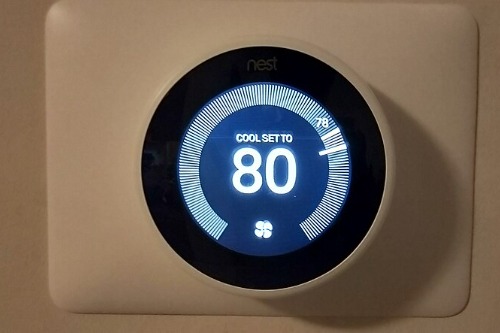
Smart thermostats are relatively low-cost upgrades that can deliver meaningful energy savings. They’re already included in some efficiency programs, and federal incentives could be renewed or expanded in 2026. Since they help shift energy use automatically, policymakers like them for peak-demand management. Homeowners appreciate that they can save money with almost no effort.
These devices also integrate well with utility-run demand-response programs. That makes them valuable tools for controlling grid strain during extreme heat or cold. Incentives could push adoption in older homes that haven’t yet upgraded. Because of their simplicity and affordability, they’re often considered “entry-level” sustainability improvements.
9. Induction cooktops
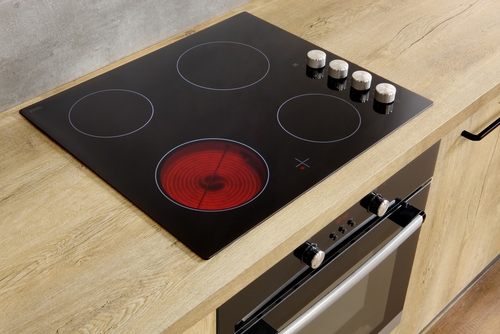
Induction cooktops have been gaining popularity as an alternative to gas stoves. They improve indoor air quality and use less energy, which aligns well with public-health and climate goals. While incentives have been patchy so far, 2026 could bring more unified federal support as policymakers focus on reducing residential gas use. This shift would mirror ongoing state-level electrification efforts.
Homeowners often like induction because it heats quickly and keeps kitchens cooler. Safety features, such as automatic shutoff, also appeal to families. As prices come down, an incentive could make induction far more accessible. That combination of health, safety, and efficiency strengthens its case for future tax benefits.
10. Greywater recycling systems
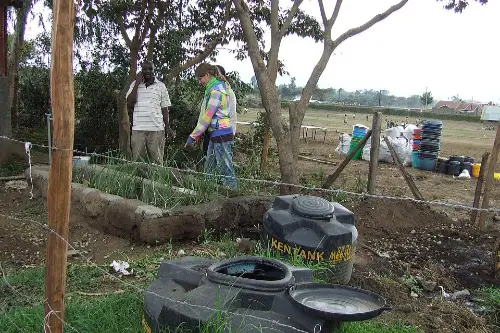
Greywater systems are still relatively niche, but growing drought concerns could change that. Some states already encourage water-recycling measures, and federal incentives could follow in 2026 if water scarcity remains a national focus. These systems reuse water from sinks, showers, and laundry for irrigation or toilet flushing. That reduces strain on municipal water supplies and lowers household usage.
Homeowners may appreciate that these systems can cut water bills while supporting landscape needs during dry seasons. As climate patterns shift, policies often respond with new conservation tools. If incentives appear, greywater systems could move from experimental to mainstream. They fit well into a larger strategy of making homes more resilient.
11. Home micro wind turbines
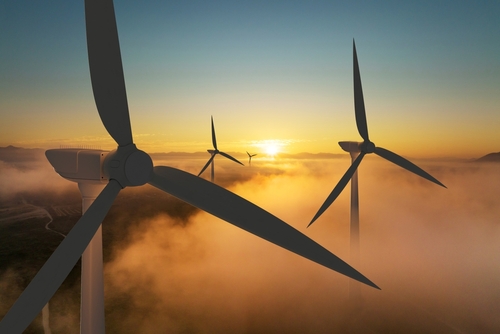
Small-scale wind power isn’t as common as solar, but interest is growing for properties in windy regions. If federal policy in 2026 aims to diversify renewable options, micro wind could become newly incentivized. These systems can complement solar by generating power at different times, especially during stormy or overcast weather. That versatility makes them attractive for energy-resilient homes.
Homeowners with rural or semi-rural lots may find small turbines appealing because they don’t require as much roof space as solar. Falling equipment costs could also push policymakers to support them more aggressively. Incentives would help offset installation costs that still tend to be high today. As clean-energy portfolios expand, micro wind becomes a more realistic candidate.
12. Home energy-auditing and diagnostic services

Energy audits help homeowners understand where their homes waste the most energy. They’re often required before or during larger upgrade programs, so incentives in 2026 would make sense. By subsidizing audits, policymakers can steer households toward the most impactful improvements rather than guesswork. This ensures that tax dollars used on upgrades produce real energy savings.
Audits also make the process feel less overwhelming for homeowners. Instead of tackling random fixes, they get a clear roadmap of what will pay off. As more states adopt benchmarking and efficiency-tracking rules, federal support could expand to match. Incentivizing audits helps set the stage for all other sustainability improvements to follow.
This post 12 Sustainability Upgrades Likely To Become Tax-Incentivized in 2026 was first published on Greenhouse Black.
