
1. Color temperature and how it nudges your energy
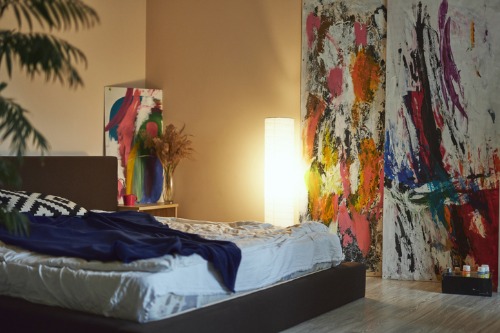
The color temperature of your lighting quietly tells your brain what time it is. Cooler, bluish light mimics midday sun and can increase alertness in measurable ways. Warmer light signals evening and relaxation, helping your nervous system slow down. When you mismatch lighting to the time of day, your mood can feel strangely wired or foggy.
Sleep researchers, including those discussed in Why We Sleep, explain how light directly affects circadian timing. Bright, cool light suppresses melatonin more strongly than warm light. That hormonal shift changes how awake, calm, or irritable you feel. Designing your lighting around daily rhythms can make your emotional baseline feel steadier.
2. Furniture layout and your sense of control
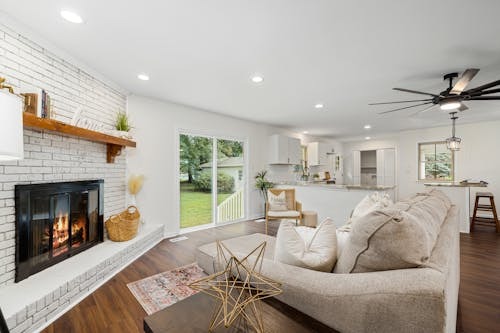
How furniture is arranged shapes how easily you move and interact with a space. Clear pathways reduce low-level stress because your brain doesn’t need to constantly navigate obstacles. Crowded layouts subtly increase tension and decision fatigue. Open, intentional layouts support a feeling of agency and ease.
Retail designers like those at IKEA use flow psychology to guide how people feel in a room. When movement feels intuitive, your body relaxes even if you don’t consciously notice it. That physical ease feeds into emotional comfort. Rearranging a room can genuinely change how welcoming or draining it feels day to day.
3. Visual simplicity and cognitive load

Visual clutter competes for your attention even when you’re not actively focusing on it. Your brain continuously scans environments, so excess detail increases background cognitive load. That load can translate into irritability or mental fatigue. Cleaner visual fields give your mind more breathing room.
Design traditions like those popularized by Bauhaus emphasize functional simplicity for a reason. Reduced visual noise helps working memory operate more efficiently. You spend less energy filtering distractions. The result is a calmer, more focused emotional state throughout the day.
4. Interface feedback and emotional reassurance

Digital interfaces constantly communicate whether your actions are successful. Immediate feedback reduces uncertainty, which lowers stress responses. Delayed or unclear feedback creates micro-moments of frustration. Those moments accumulate into a surprisingly real mood drag.
Companies like Apple invest heavily in tactile and visual feedback design. Subtle animations and confirmations reassure users that systems are behaving predictably. Predictability is deeply tied to feelings of safety and competence. When tools feel responsive, you feel more capable and less tense.
5. Background visuals and emotional priming
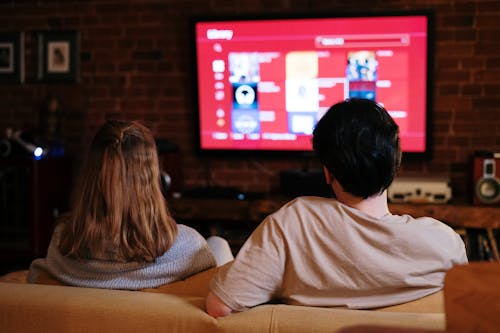
The images and colors you passively consume can prime emotional tone. Bright, saturated visuals tend to stimulate, while muted palettes calm. This effect happens even when you’re not consciously analyzing what you see. Your perceptual system still reacts.
Streaming platforms such as Netflix carefully design thumbnails and interfaces to influence viewer engagement. Those visual cues can subtly elevate excitement or relaxation. Repeated exposure reinforces those emotional patterns. Designing your personal spaces with intention can harness the same principles.
6. Sound design and stress regulation

Sound textures influence heart rate and perceived stress levels. Harsh, unpredictable noise activates vigilance systems in the brain. Softer, rhythmic sounds promote parasympathetic relaxation. Even low-volume background audio shapes emotional tone.
Music platforms like Spotify curate playlists specifically for mood regulation. Consistent tempos and tonal qualities guide physiological responses. That guidance can make environments feel energizing or soothing. Thoughtful sound design turns space into an emotional ally.
7. Information hierarchy and decision fatigue
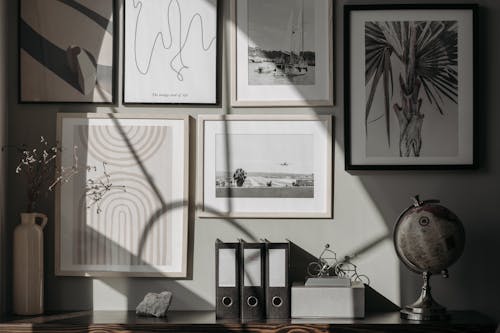
When information is poorly organized, your brain works harder to interpret it. That extra effort increases decision fatigue and irritability. Clear hierarchy lets you process choices quickly and confidently. Confidence reduces emotional friction.
Design systems used by Google prioritize readability and predictable structure. Consistency lowers the mental cost of navigation. Lower cost means less cognitive strain over time. That strain reduction supports a steadier daily mood.
8. Personalization and emotional ownership
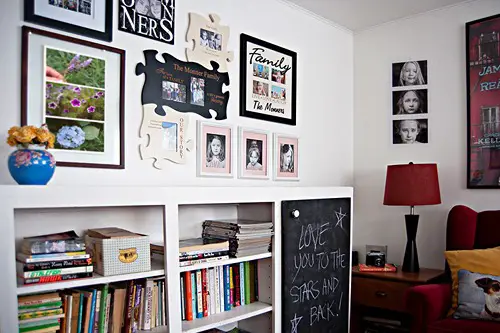
Spaces that reflect personal identity strengthen emotional attachment. When environments feel “yours,” they support psychological safety. That safety encourages relaxation and authentic expression. Generic spaces rarely produce the same effect.
Life simulation games like The Sims demonstrate how customization boosts engagement and satisfaction. The act of choosing colors and layouts reinforces agency. Agency is closely tied to positive mood regulation. Bringing that mindset into real spaces deepens comfort.
9. Spatial lighting and social warmth
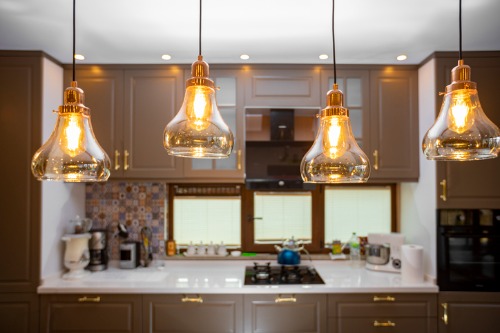
Lighting placement changes how faces and gestures are perceived. Even illumination encourages openness and connection. Harsh overhead lighting can make interactions feel clinical. Softer layered lighting promotes warmth.
Hospitality-focused companies such as Airbnb emphasize ambient lighting to improve guest experience. Comfortable lighting reduces social tension. Reduced tension supports friendlier interactions. That social ease feeds back into personal mood.
10. Color palettes and emotional association
Colors carry learned and physiological associations. Blues and greens are often perceived as calming because they echo natural environments. Reds and oranges can feel stimulating and urgent. These reactions are consistent enough to influence everyday mood.
Color authorities like Pantone study how palettes affect perception and behavior. Strategic color choices guide emotional tone in predictable ways. Repeated exposure conditions expectations and feelings. Your environment becomes a quiet emotional script.
11. Ergonomics and physical comfort
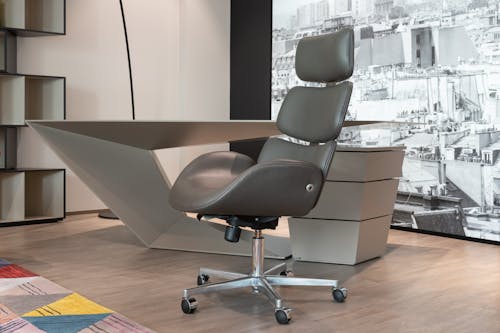
Physical discomfort is a fast track to irritability. Poor posture increases muscle tension and fatigue. That tension feeds into stress hormones and mood dips. Comfortable design supports sustained emotional balance.
Human factors research, including work informed by NASA, shows how ergonomics directly affect performance and well-being. Proper alignment reduces strain on joints and muscles. Reduced strain frees mental resources. When your body feels supported, your mood follows.
This post The Areas Where Design Choices Affect Daily Mood was first published on Greenhouse Black.
