
1. Lighting Temperature and Layering
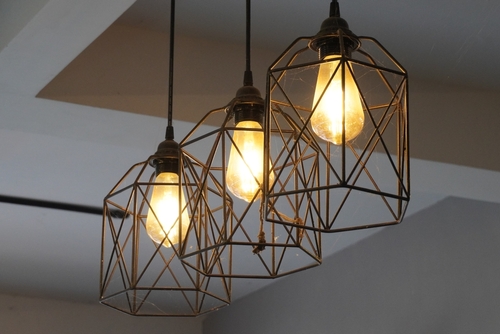
The quickest way a home feels drained is when all the light comes from a single, harsh source. Cool white bulbs can feel efficient, but they flatten skin tones and make rooms feel clinical. Warm bulbs, especially in the 2700K–3000K range, mirror the glow of firelight and sunset. That subtle warmth signals rest and safety to the brain.
Layered lighting matters just as much as bulb choice. A mix of overhead lights, table lamps, floor lamps, and wall sconces creates depth and flexibility. It allows a room to shift from daytime function to evening comfort without effort. Homes that feel lived-in usually let light pool softly rather than blast everything at once.
2. Furniture That’s Touched, Not Tiptoed Around
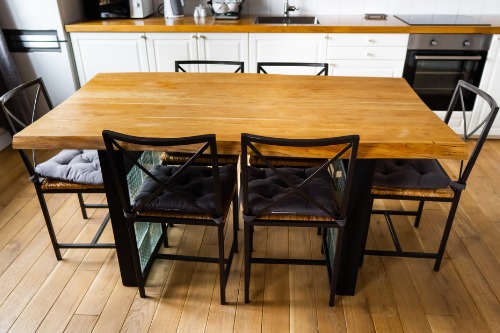
Rooms feel drained when furniture looks unused, like it’s waiting for guests who never arrive. Overly delicate or precious pieces can create a museum effect that keeps people from relaxing. A sofa with visible creases or a chair with worn arms tells a story of real use. That visual evidence of comfort makes people sit down without hesitation.
This isn’t about neglect, but about permission. Furniture meant for daily life should invite bodies, not intimidate them. Materials like leather, wood, and tightly woven fabrics tend to age in a way that feels earned rather than messy. When wear looks intentional, a space feels human instead of staged.
3. Real Objects on Flat Surfaces
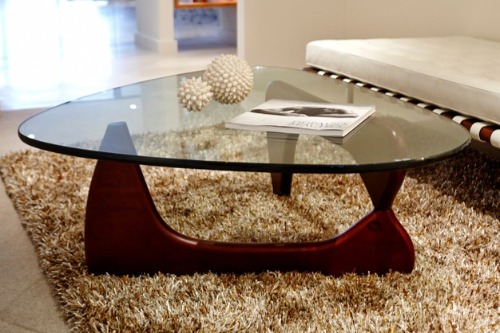
Empty coffee tables and spotless counters can read as impersonal, even if they look neat. A drained room often feels like it’s been reset after every moment of living. A few well-chosen objects signal that someone actually spends time there. Think books mid-read, a ceramic bowl that catches keys, or a mug that’s clearly in rotation.
The key is specificity, not clutter. Objects should reflect habits, not trends pulled from a catalog. When surfaces show evidence of routine, a home feels active even when no one is in it. That sense of ongoing life is what makes a space feel warm instead of paused.
4. Sound Absorption and Soft Materials
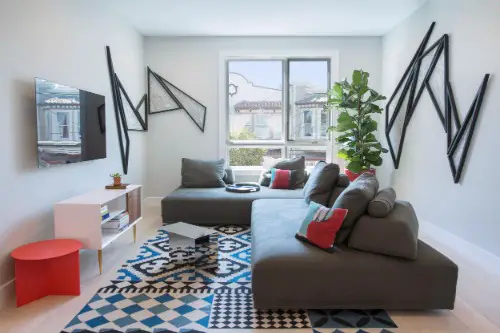
Hard, echoing rooms tend to feel cold no matter how beautiful they look. Sound bouncing off bare walls, floors, and ceilings subtly increases stress and fatigue. Rugs, curtains, upholstered furniture, and books all absorb sound in measurable ways. The result is a quieter, more grounded environment.
This matters more than people realize. Homes that feel lived-in often have a gentle hush that makes conversation easier and silence more pleasant. Soft materials also slow movement and encourage lingering. When a room sounds calm, it usually feels calm too.
5. Art Hung at Human Height
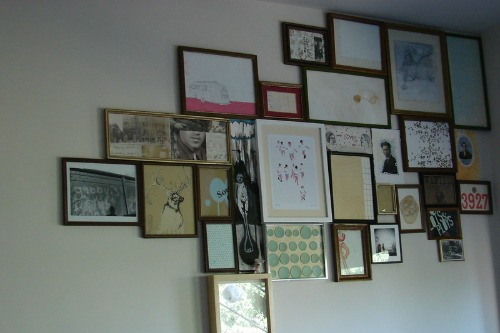
Art placed too high can make a room feel like a waiting area or gallery. Standard practice is to hang art so the center sits around 57–60 inches from the floor, which aligns with average eye level. When art floats too close to the ceiling, it disconnects from the people in the room. That subtle mismatch drains warmth from the space.
Lived-in homes tend to treat art as part of daily life, not decoration alone. Art at eye level invites engagement, even subconsciously. It encourages people to stop, look, and feel something. That interaction brings energy into a room.
6. Curtains That Do More Than Frame Windows
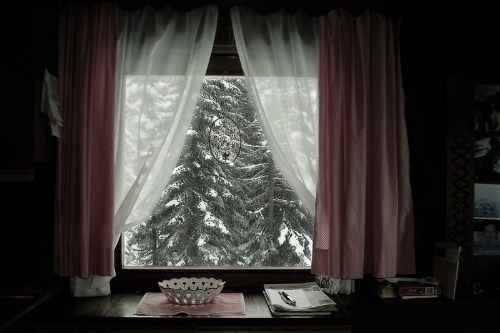
Bare windows or stiff, undersized curtains can make rooms feel exposed and unfinished. Curtains that skim the floor and extend beyond the window frame make spaces feel settled and intentional. They also improve insulation and light control, which directly affects comfort. These are practical benefits with emotional payoff.
Fabric at the windows softens the hardest architectural lines in a room. It changes how light enters and moves throughout the day. Homes that feel drained often ignore this layer entirely. Homes that feel lived-in treat windows as part of the room, not just openings.
7. Plants That Are Alive, Not Perfect
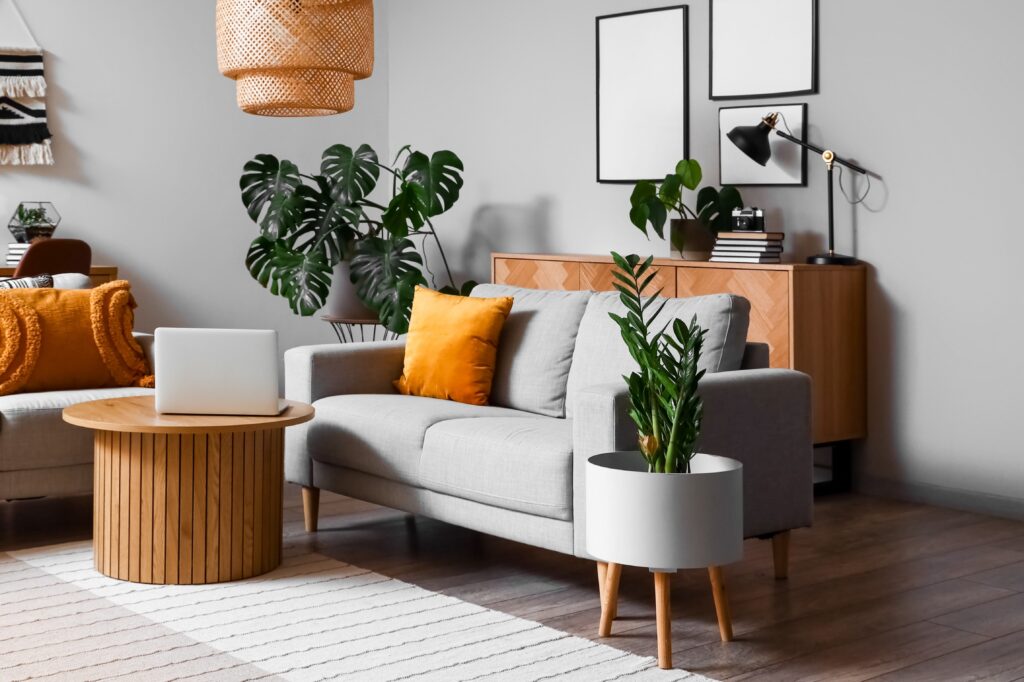
A home without any living elements can feel oddly static. Plants introduce subtle movement, color variation, and seasonal change. Even a single healthy plant can shift the emotional temperature of a room. The key is choosing plants you can realistically keep alive.
Overly fake or obviously struggling plants can have the opposite effect. Lived-in spaces embrace growth that’s a little imperfect. A leaf with a blemish feels more human than plastic perfection. Life, even messy life, makes a home feel awake.
8. Storage That Balances Hidden and Visible
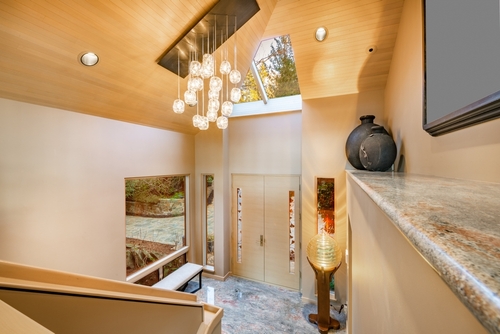
When everything is hidden, a home can feel anonymous. When everything is visible, it can feel chaotic. Lived-in homes strike a balance between closed storage and open display. This allows personality to show without overwhelming the eye.
Visible storage works best when it’s curated. Shelves with books, framed photos, or meaningful objects tell you who lives there. Closed storage handles the less poetic parts of life. Together, they create a sense of order that still feels personal.
9. Color Choices That Acknowledge Time
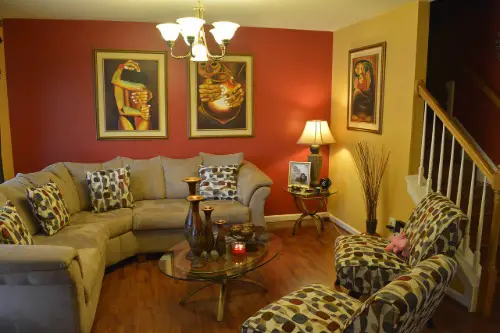
All-neutral spaces can feel calm, but they can also feel drained if there’s no variation. Color adds visual rhythm and helps rooms feel anchored. This doesn’t require bold walls, just thoughtful accents. Pillows, art, and worn textiles can all carry color gently.
Lived-in homes often show colors that age well. Earth tones, softened hues, and layered shades tend to feel stable over time. Trend-driven colors used everywhere can date a space quickly. When color feels patient, the home feels grounded.
10. Scents That Come From Real Life
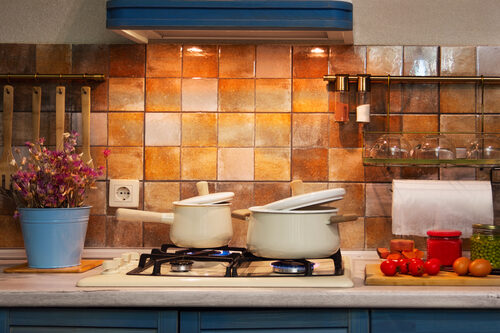
A completely scentless home can feel sterile, while overpowering artificial fragrances feel aggressive. Lived-in homes usually smell faintly of something familiar. Cooking, clean laundry, wood, or a lightly scented candle all register as comforting. These smells signal care without performance.
Scent is closely tied to memory and emotion. When it feels authentic, it reinforces a sense of belonging. Plug-ins and sprays used too heavily can feel like they’re covering something up. Real, gentle scents feel honest and calming.
11. Seating That Faces People, Not Just Screens
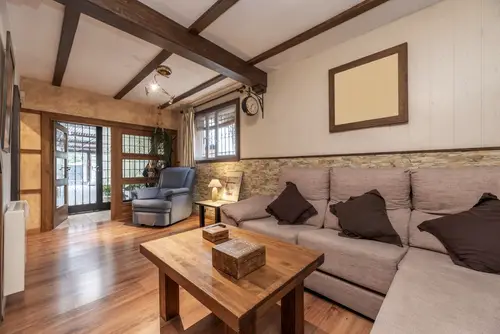
Furniture arranged solely around a television can drain a room of social energy. Lived-in homes usually allow people to face each other easily. Chairs angled inward and sofas placed for conversation change how a space is used. This arrangement subtly encourages interaction.
Even if screens are important, they don’t have to dominate. Rooms feel warmer when human connection is prioritized in the layout. The ability to sit, talk, and linger matters more than perfect sightlines. When people come first, the home feels alive.
This post The Choices That Make a Home Feel Lived-In — or Drained was first published on Greenhouse Black.
