
1. Portland, Oregon
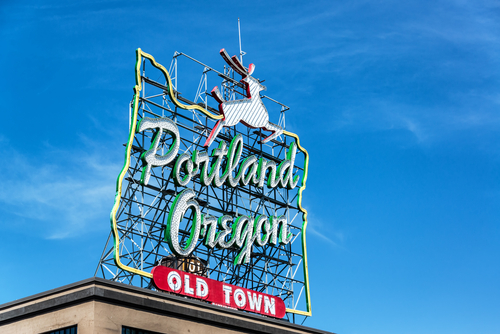
Portland’s charm has shifted for many longtime homeowners. Rising property taxes and utility costs strain fixed incomes. Insurance and maintenance expenses have climbed alongside home values. Weather-related repairs are becoming more common.
Quality-of-life concerns weigh heavily on residents. Public safety perceptions and downtown vacancies affect daily habits. Traffic and road conditions feel more frustrating over time. Some homeowners say the city feels less cared for than it once did.
2. Miami, Florida
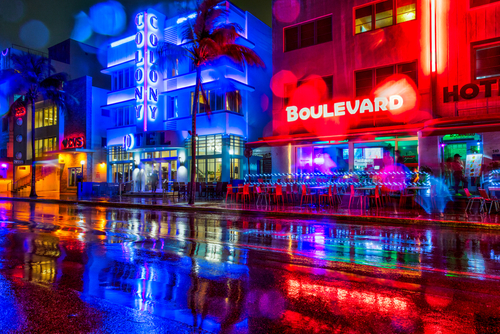
For many older homeowners, Miami no longer feels like the carefree retirement dream it once was. Rising homeowners insurance premiums, driven by hurricanes and flooding risk, have become a persistent source of stress. Property taxes and condo association fees have also climbed, especially in coastal neighborhoods. Even longtime residents say the cost of simply staying put feels heavier every year.
On top of the financial pressure, daily life has grown more complicated. Traffic congestion has worsened, making routine errands feel exhausting rather than convenient. Heat and humidity are becoming more intense and longer-lasting, which can be especially taxing with age. Some homeowners quietly admit they now spend more time planning an exit than enjoying the view.
3. Las Vegas, Nevada
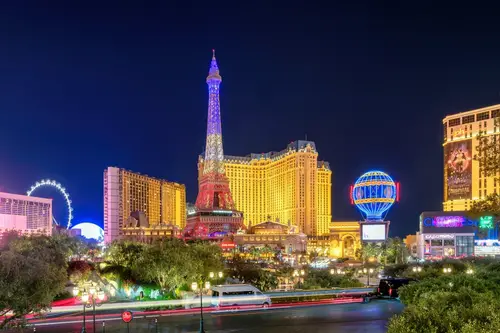
Las Vegas appealed to older homeowners for its tax advantages and entertainment options. Today, rising housing costs and insurance rates are chipping away at those benefits. Extreme heat has become more intense, pushing utility bills higher each summer. Water restrictions and long-term supply worries also weigh on residents’ minds.
The city’s growth has brought more traffic and longer travel times. Neighborhoods that once felt quiet now feel busier and more transient. Some homeowners say the constant tourism energy has lost its charm over time. What once felt exciting can now feel draining.
4. Austin, Texas
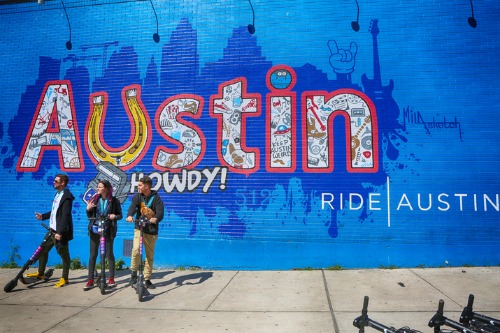
Austin’s transformation has been dramatic, and older homeowners have felt it firsthand. Property taxes have surged alongside rising home values, even for those who bought decades ago. Rapid development has changed familiar neighborhoods almost beyond recognition. Insurance costs have also increased due to weather volatility.
The city’s infrastructure has struggled to keep up with growth. Traffic congestion is now a daily frustration rather than an occasional inconvenience. Hotter summers are making outdoor activities less appealing. Many older residents say Austin feels younger, louder, and more expensive than it used to.
5. San Francisco, California
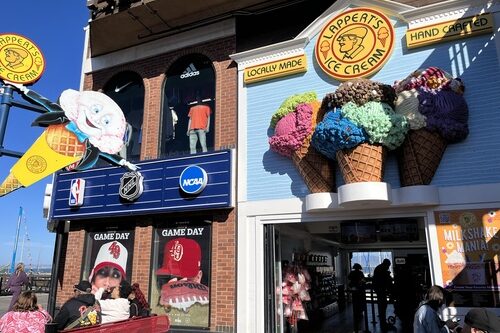
San Francisco still offers beauty and culture, but older homeowners are increasingly conflicted. The cost of living remains extraordinarily high, even for those who own their homes outright. Property taxes, maintenance, and insurance costs add up quickly. Earthquake risk also looms larger with age.
Quality-of-life concerns have become harder to shrug off. Issues like visible homelessness and retail closures affect daily routines. Steep hills and dense crowds can feel more physically demanding over time. Some homeowners quietly wonder if the city still fits their stage of life.
6. Los Angeles, California
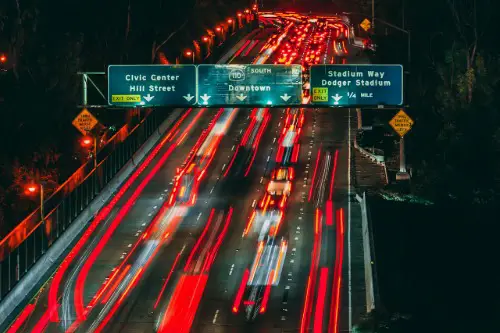
Los Angeles has long promised sunshine and variety, but the reality has shifted for many older homeowners. Wildfire risk has driven up insurance costs or eliminated coverage altogether in some areas. Traffic remains a constant challenge, making appointments and social visits feel like ordeals. Rising utility and maintenance costs compound the pressure.
The sheer scale of the city can feel overwhelming with age. Air quality concerns linger, especially during fire season. Longtime residents often say the city feels less predictable than it once did. The appeal hasn’t vanished, but the effort required has increased.
7. New York City, New York

New York City offers unmatched energy, yet older homeowners are feeling worn down. Property taxes, co-op fees, and maintenance costs continue to rise. Everyday expenses like groceries and services add to the financial strain. Even small cost increases matter more on fixed incomes.
The physical demands of city living also play a role. Crowded subways, stairs, and long walks can become harder to manage. Noise and constant activity feel less exciting over time. Some homeowners find themselves craving quiet more than culture.
8. Chicago, Illinois
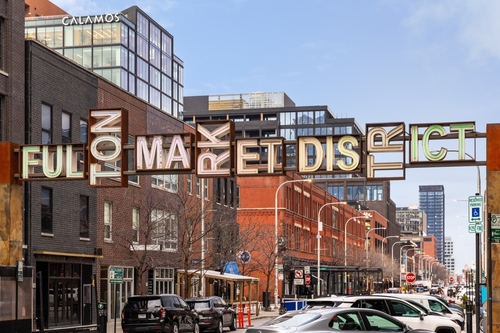
Chicago has long been valued for its architecture and neighborhoods. However, high property taxes are a growing burden for older homeowners. Harsh winters bring additional heating and maintenance costs. Insurance and repair expenses can spike after severe weather.
Concerns about public safety and service reliability have also grown. Some residents feel city leadership struggles to address everyday issues. Snow removal and infrastructure upkeep matter more with age. For many, the city feels less stable than it once did.
9. Seattle, Washington
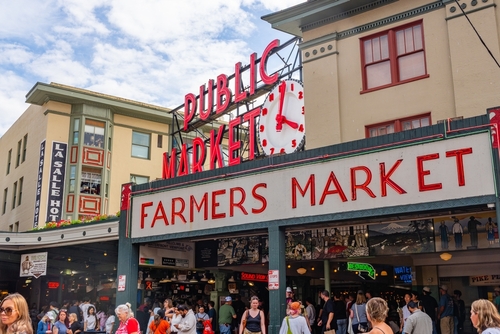
Seattle attracted homeowners with its scenery and strong economy. Rising property taxes and home prices have made staying more expensive over time. Utility costs and home maintenance add to the financial load. Earthquake risk is also part of the long-term calculation.
The city’s rapid growth has altered its personality. Traffic congestion has worsened significantly in recent years. Dark, wet winters feel more taxing as homeowners get older. Some quietly admit the city feels less livable than it once did.
10. Denver, Colorado

Denver once offered a balance of affordability and outdoor access. Rapid population growth has driven up home values and property taxes. Insurance costs have risen due to wildfire and hail risks. Even routine maintenance has become more expensive.
Traffic and crowding have increased as the metro area expands. Accessing nature now often requires longer drives and more planning. Winter weather can be unpredictable and physically demanding. Older homeowners say the city feels busier and less relaxed.
11. Phoenix, Arizona

Phoenix once attracted older homeowners with sunshine and relatively affordable housing. In recent years, extreme summer heat has intensified, making outdoor life uncomfortable for months at a time. Higher electricity bills from nonstop air conditioning are hitting fixed incomes hard. Water scarcity concerns have also become harder to ignore.
The city’s rapid growth has changed its pace and feel. Traffic has increased, and longtime residents often feel crowded out by new development. Healthcare access can involve longer drives as suburbs continue to sprawl outward. For some older homeowners, the city no longer feels manageable or relaxing.
12. Tampa, Florida
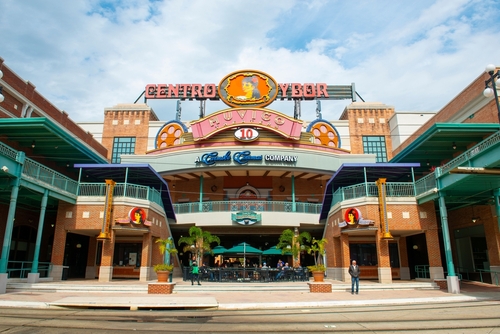
Tampa has been a popular destination for retirees, but the shine is fading for some. Homeowners insurance premiums have surged due to storm risk. Property taxes and flood-related costs add to the burden. Even non-coastal areas feel the financial impact.
Growth has brought congestion and longer wait times for services. Summers are hotter and more humid than many expected. Evacuation planning becomes more stressful with age. Some older homeowners quietly consider cooler, calmer alternatives.
13. New Orleans, Louisiana
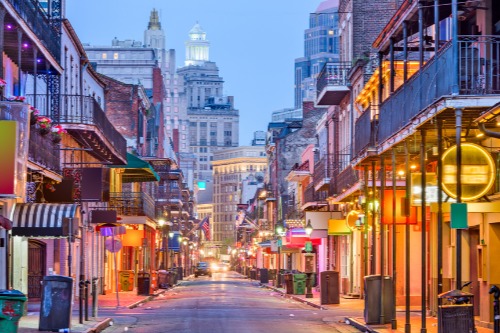
New Orleans offers culture and history that many homeowners deeply love. However, insurance costs tied to hurricanes and flooding have soared. Home maintenance is expensive due to humidity and storm damage. Property taxes and utilities add to ongoing costs.
Infrastructure challenges affect daily life more as people age. Power outages and street conditions feel less tolerable over time. Healthcare access can require careful planning. Even devoted residents admit the city asks a lot in return for its magic.
This post The Cities Older Homeowners Are Quietly Falling Out of Love With was first published on Greenhouse Black.
