
1. Family Photos on Display

A few framed family photos can make a house feel lived-in and warm. Covering every surface with portraits turns a tour into a genealogy lesson. Buyers often struggle to imagine themselves in a space when someone else’s life dominates the walls. That’s why stagers recommend editing photos down to one or two neutral locations.
Tasteful looks like a small grouping in a hallway or bedroom. Telling is a staircase wall packed with school portraits from kindergarten to senior year. The difference matters because buyers subconsciously map their own memories onto a home. Too many personal images interrupt that mental process.
2. Bookshelves and What They Say
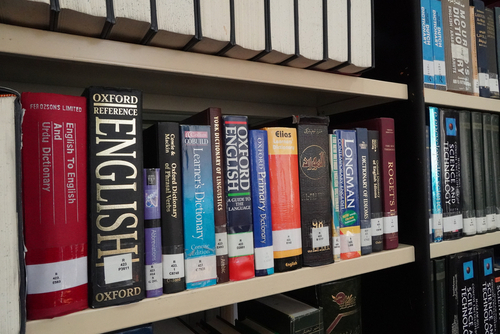
Books add character and signal how a space is used. They can also reveal more than intended during a walk-through. Titles about niche politics, extreme health claims, or very personal topics can distract buyers. This isn’t about censorship, but about keeping focus on the room.
Tasteful shelving mixes books with objects and leaves some breathing room. Telling shelves are crammed edge to edge with highly specific or controversial titles. Buyers notice these details even if they don’t comment. Reducing visual noise helps the architecture speak louder.
3. Bathroom Counters
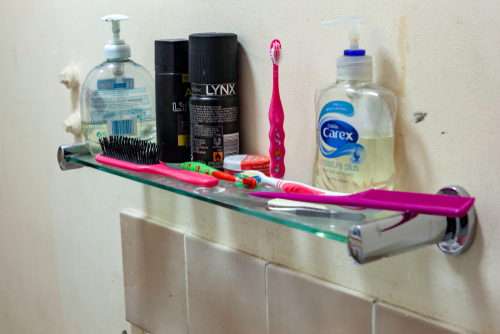
Bathrooms are scrutinized closely on house tours. A clean counter suggests good maintenance and hygiene. Prescription bottles, makeup piles, and grooming tools feel intrusive to visitors. They also raise practical concerns about storage and cleanliness.
Tasteful bathrooms show a soap dispenser, hand towels, and little else. Telling bathrooms display daily routines in full view. The reason this matters is that buyers imagine their own morning habits there. Clutter makes the room feel smaller and less functional.
4. Closets Left Open
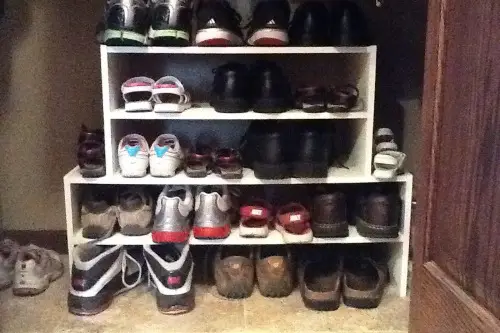
Open closets invite judgment whether you intend them to or not. Buyers open doors to assess space, not to audit wardrobes. Overstuffed or chaotic closets suggest insufficient storage. That impression can outweigh actual square footage.
Tasteful closets are edited, with matching hangers and visible floor space. Telling closets are jammed tight or spilling onto shelves. This detail matters because storage is a top priority for many buyers. An organized closet reads as a more generous one.
5. Paperwork on Surfaces
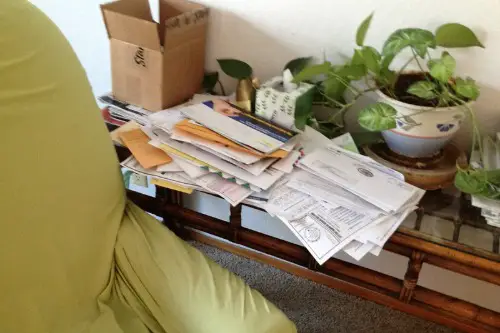
Mail and paperwork pile up easily in lived-in homes. On a tour, they signal stress and disorganization. Visible bills, calendars, or documents can also expose personal information. That makes visitors uncomfortable, even subconsciously.
Tasteful surfaces are mostly clear, with one intentional tray or book. Telling surfaces look like a to-do list exploded. The distinction matters because buyers read surfaces as usable space. Clear areas feel calmer and more functional.
6. Children’s Artwork Everywhere
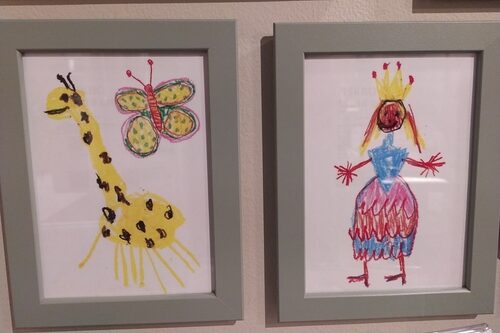
Children’s art adds joy and personality to a home. It can also overwhelm a space when unchecked. Walls covered corner to corner distract from layout and light. Buyers without kids may struggle to look past it.
Tasteful display means a rotating frame or a single bulletin area. Telling display turns the entire house into a gallery. This matters because buyers want to see the bones of the house. Focused displays keep charm without chaos.
7. Pet Evidence

Pets are beloved members of many households. They also leave visible and olfactory clues. Beds, toys, litter boxes, and odors can be off-putting on a tour. Even pet lovers notice these things.
Tasteful homes minimize pet items during showings. Telling homes leave food bowls and fur in plain sight. The reason is simple: buyers imagine maintenance and smell. Reducing pet presence keeps attention on the home itself.
8. Kitchen Counter Appliances
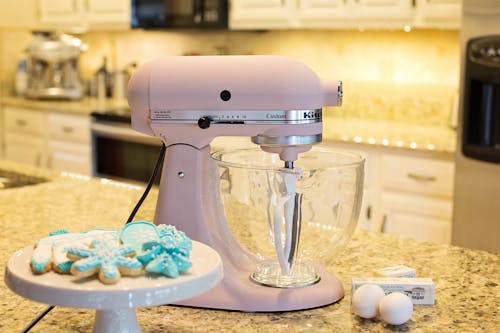
Kitchens sell houses, and counters are prime real estate. Every appliance left out competes for attention. Too many gadgets make the kitchen feel cramped. They also suggest limited storage.
Tasteful kitchens leave out one or two attractive, frequently used items. Telling kitchens line the counters with every appliance owned. This distinction matters because buyers equate space with value. Clear counters photograph and show better.
9. Scent Choices
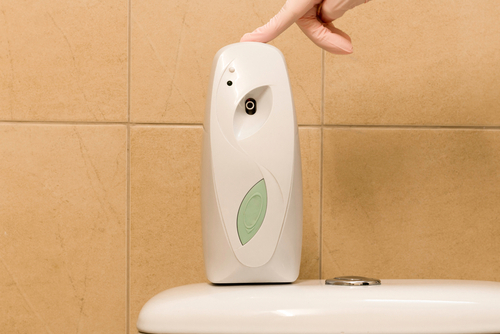
Smell is one of the strongest memory triggers. Overpowering scents can raise suspicion. Buyers may wonder what you’re trying to cover up. This reaction is well documented in real estate feedback.
Tasteful scenting is subtle and clean, like fresh air or light citrus. Telling scenting relies on heavy candles or plug-ins. The reason it matters is trust. Neutral smells let buyers relax.
10. Technology and Screens
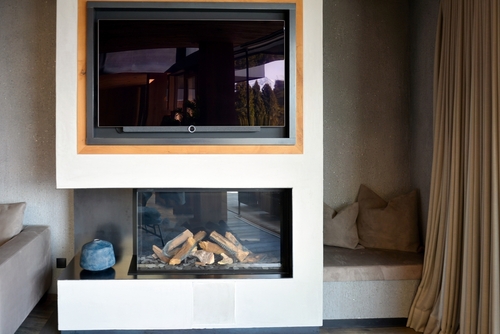
Televisions and screens anchor how rooms are perceived. Content left playing can unintentionally shape impressions. News, loud music, or personal videos distract buyers. They also make conversation harder during tours.
Tasteful tours have screens off or set to neutral imagery. Telling tours leave personal content running. This matters because buyers need to focus on space, not programming. Quiet rooms feel larger and calmer.
11. Hobby Overflow
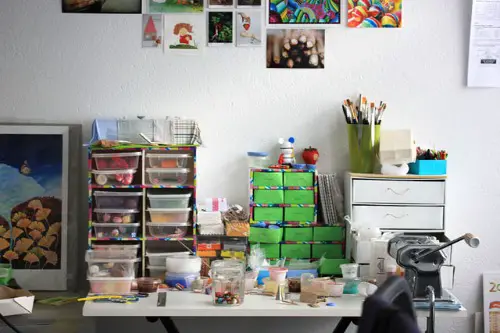
Hobbies show how a home supports real life. They can also dominate rooms meant for broader use. Exercise equipment, instruments, or craft supplies can skew perception. Buyers may mislabel rooms based on what they see.
Tasteful homes edit hobbies down to a suggestion. Telling homes let hobbies define entire rooms. The distinction matters because flexibility sells. Rooms that feel adaptable appeal to more people.
This post The Difference Between Tasteful and Telling on a House Tour was first published on Greenhouse Black.
