
1. Cooking a Few Reliable Meals From Scratch
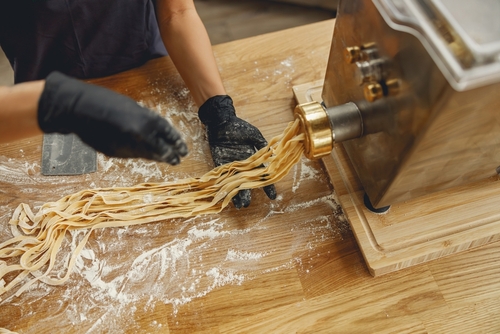
For years, cooking was framed as optional thanks to takeout apps and meal kits. That attitude shifted fast when restaurants closed, delivery windows stretched, or budgets tightened. Knowing how to cook a handful of basic meals meant eating well without panic or dependence. It also made people less vulnerable to price spikes and supply hiccups.
This isn’t about gourmet skills or fancy plating. It’s about understanding heat, seasoning, and timing well enough to feed yourself consistently. People who can cook a few staples adapt more easily to dietary needs or limited ingredients. The payoff is daily, not theoretical.
2. Sewing a Button Back On
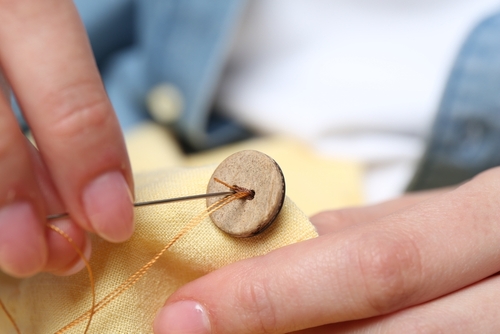
People used to joke that sewing was a lost art reserved for grandparents and costume departments. Then a coat button popped off ten minutes before a job interview, and suddenly YouTube felt very far away. Being able to sew on a button takes five minutes and prevents perfectly good clothes from being sidelined. It also quietly saves money by extending the life of garments people would otherwise replace.
There’s a reason this skill keeps resurfacing in surveys about self-sufficiency. Buttons fall off most often under stress, like during travel, cold weather, or formal events. Knowing how to fix one avoids emergency shopping or awkward wardrobe malfunctions. It’s small, practical, and disproportionately useful.
3. Budgeting and Tracking Expenses
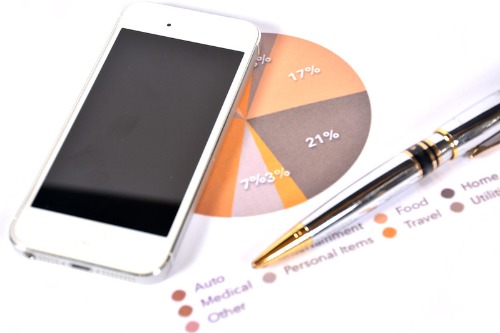
Budgeting has long been dismissed as either restrictive or unnecessary for people who “make enough.” That confidence evaporates when rent jumps, hours get cut, or a surprise bill lands. Knowing where your money actually goes creates options when circumstances change. It turns financial stress into something concrete and manageable.
This skill matters because numbers don’t lie, even when optimism does. Tracking expenses reveals patterns that feelings alone miss. It helps people make intentional trade-offs instead of reactive ones. When money gets tight, this knowledge becomes leverage.
4. Basic First Aid
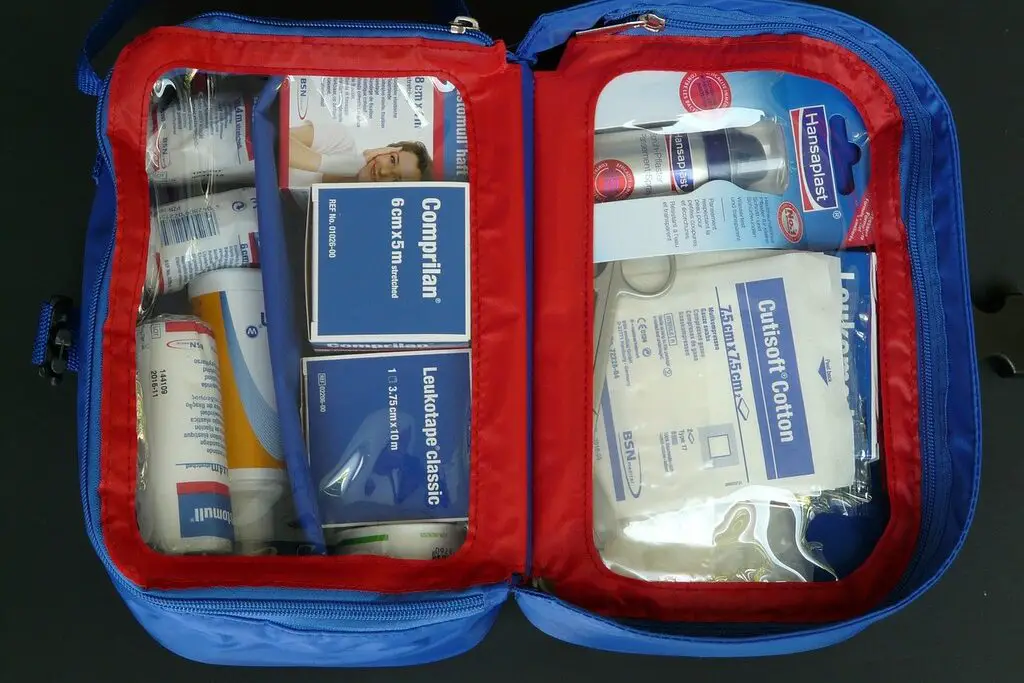
First aid was often treated as a workplace checkbox or something parents handled. Then accidents happened at home, during travel, or when medical help was delayed. Knowing how to clean a wound, manage a burn, or recognize a concussion changed outcomes in real time. Those minutes before professional care matter more than people expect.
This skill earns its keep precisely because emergencies are unpredictable. It reduces panic and prevents small injuries from becoming big problems. People who know first aid act faster and with more confidence. That can mean less pain, fewer complications, and sometimes far worse avoided.
5. Cleaning and Stain Removal
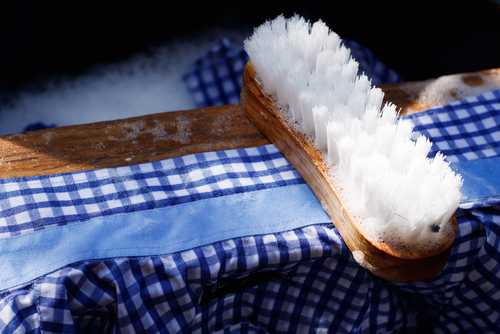
Cleaning used to be framed as low-skill or mindless work. That myth collapses the first time red wine hits a light couch or mold appears in a bathroom corner. Knowing how different materials and stains behave saves furniture, clothes, and deposits. It also prevents damage caused by using the wrong products.
There’s chemistry and timing involved, not just elbow grease. Acting quickly and correctly often determines whether something is salvageable. People who understand this avoid unnecessary replacements. Over time, that knowledge quietly adds up.
6. Changing a Tire and Jump-Starting a Car
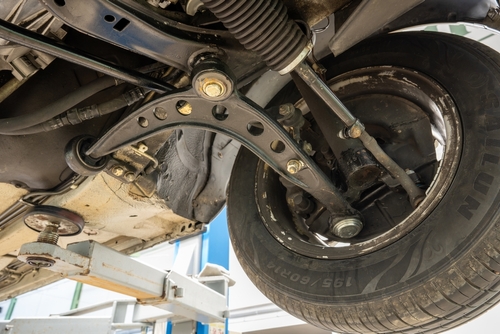
Roadside assistance made this skill feel obsolete for a while. Then phones died, wait times ballooned, or service wasn’t available where the car actually broke down. Knowing how to change a tire or jump-start a battery turned a crisis into a delay. It also made people less dependent on strangers.
This skill matters because cars fail at inconvenient times by definition. Being able to handle the basics improves safety and reduces stress. It’s especially valuable in bad weather or remote areas. The confidence alone changes how people approach travel.
7. Basic Home Plumbing Fixes
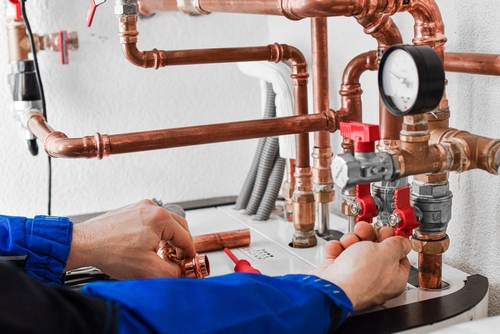
Minor plumbing issues were often ignored or outsourced immediately. That approach gets expensive fast when a sink won’t drain or a toilet keeps running. Knowing how to clear a trap or shut off a valve prevents water damage and wasted money. It also buys time before professional help is needed.
These fixes don’t require advanced tools or expertise. They do require understanding how household systems work. People who have that knowledge spot problems earlier. Early action is often the difference between a cheap fix and a costly repair.
8. Reading Maps and Navigating Without GPS

Navigation skills were widely mocked once smartphones took over. Then batteries died, signals dropped, or apps rerouted people into lakes and closed roads. Knowing how to read a map or orient yourself prevented long detours and genuine danger. It turned confusion into problem-solving.
This skill relies on spatial awareness and basic geography. It’s especially useful during travel, emergencies, or outdoor activities. People who can navigate independently feel more confident exploring new places. Technology helps, but it’s not infallible.
9. Food Storage and Preservation Basics
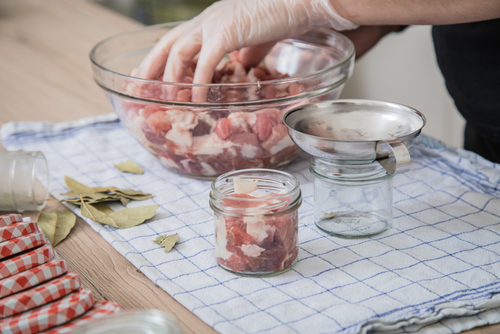
Food preservation sounded old-fashioned in the era of constant grocery access. That perception changed during shortages, busy periods, or tight budgets. Knowing how to freeze, store, or properly reheat food reduced waste immediately. It also made bulk buying practical instead of risky.
This skill hinges on food safety and planning. Improper storage leads to spoilage and illness, not just inconvenience. People who understand expiration dates and storage methods eat better for less. The benefits show up every week.
10. Writing Clear, Polite Household Communication

Leaving notes or sending messages about shared spaces once seemed trivial. Then passive-aggressive texts, misunderstandings, and roommate conflicts piled up. Being able to communicate clearly about chores, bills, or boundaries prevented tension. It also kept small issues from becoming personal fights.
This is a domestic skill because homes run on cooperation. Clear communication saves time and emotional energy. It sets expectations without escalating conflict. People who master this tend to live more peacefully with others.
11. Doing Basic Clothing Care

Clothing care was often reduced to “just throw it in the wash.” That approach ruins fabrics, shrinks sweaters, and fades colors quickly. Knowing how to read labels and adjust settings keeps clothes wearable longer. It also protects items that are expensive or hard to replace.
This skill matters because laundry mistakes are permanent. Proper care preserves fit, appearance, and comfort. Over time, it reduces how often people need to shop. That’s practical, not precious.
This post The Domestic Skills People Laughed At — Until They Needed Them was first published on Greenhouse Black.
