
1. Children’s Artwork and School Projects
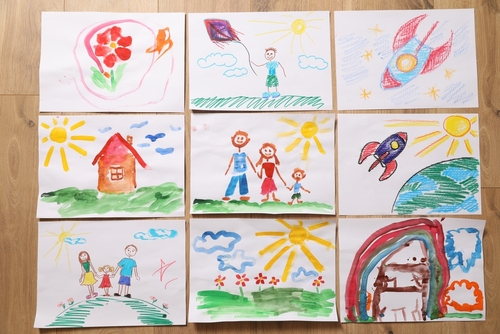
Parents trying to declutter often toss piles of finger paintings, clay sculptures, and poster boards from school projects. At the time, it can feel like clearing out a mountain of paper and glitter. Years later, though, those pieces often become cherished snapshots of a child’s personality at a specific age. Many adults say they wish their parents had saved at least a few more examples.
These items also capture developmental milestones that photos don’t always show. A messy crayon drawing from kindergarten can show early interests, handwriting, and imagination. When children grow up, they sometimes enjoy seeing how their skills and ideas evolved. Even a small curated box of these creations can feel like a time capsule.
2. Family Photo Albums and Printed Pictures
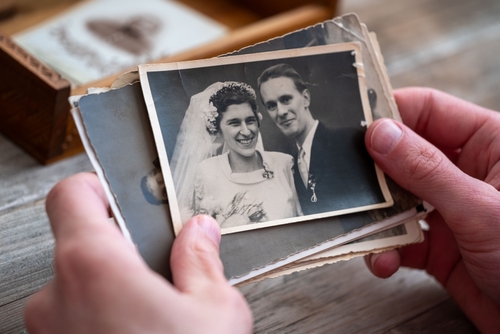
Photo albums are often among the first things people cut when downsizing because they take up shelf space and feel redundant in the age of digital photos. The problem is that many of those old prints were never scanned, backed up, or saved anywhere else. Once they’re gone, they’re usually gone for good. People frequently realize too late that those albums contained the only photos of grandparents, childhood homes, or long-gone family gatherings.
Printed photos also carry a tactile quality that digital images can’t quite replace. Flipping through an album invites conversation in a way scrolling a phone rarely does. Families often discover that older relatives had handwritten notes or dates on the back of pictures that added valuable context. Those little details become surprisingly meaningful years later.
3. Handwritten Letters and Cards
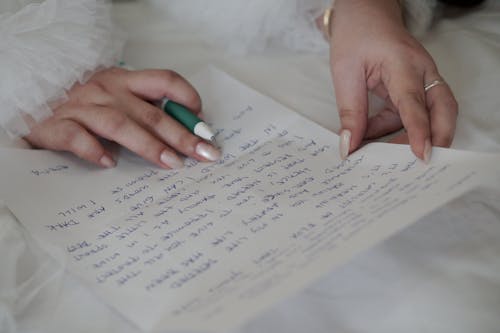
Handwritten letters are easy to underestimate while decluttering because they look like simple stacks of paper. But once discarded, the unique handwriting and personal messages can never be recreated. Many people regret tossing letters from relatives who have since passed away. Those words often become one of the most personal connections left behind.
Greeting cards can carry similar emotional weight, especially ones with thoughtful messages written inside. Over time, they document friendships, family relationships, and important life moments. Some people even rediscover details about events they had forgotten entirely. A small bundle of meaningful cards can hold decades of personal history.
4. Vintage Furniture with Sentimental Value
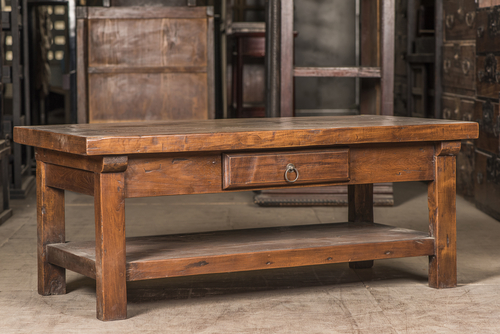
Large furniture pieces are common casualties during downsizing, especially when moving into smaller homes or apartments. A bulky dresser or dining table may feel impractical at the time. Later on, people often realize that these pieces carried family stories along with them. Furniture that once belonged to grandparents can become irreplaceable heirlooms.
Older furniture is also often built more solidly than many modern mass-produced pieces. Solid wood construction, traditional joinery, and handcrafted details are harder to find today. Some families regret letting go of these items once they see how expensive comparable quality has become. What once seemed like a space-saving decision can later feel like losing a piece of family heritage.
5. Old Home Movies and Videotapes

Boxes of VHS tapes and camcorder recordings are frequently tossed because people assume the footage exists somewhere else. In many cases, it doesn’t. If those tapes were never digitized, they may contain the only video recordings of weddings, birthdays, or childhood moments. Once discarded, those memories are effectively erased.
Even when the technology feels outdated, the content is often priceless. Home videos capture voices, laughter, and everyday moments that photos alone can’t preserve. Families who digitize their tapes later are often amazed by how emotional it feels to watch them again. Many wish they had kept every tape they once thought was clutter.
6. Holiday Decorations with History
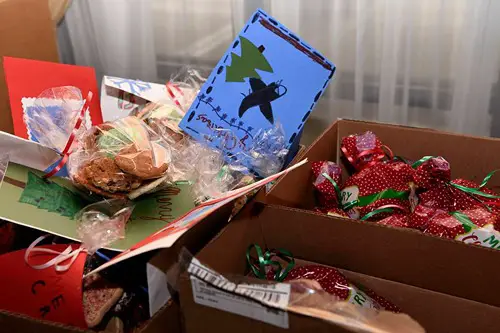
Holiday decorations are easy to trim when someone is trying to simplify their belongings. People may donate ornaments, handmade stockings, or old decorations that seem dated. Years later, those items often turn out to be the ones that held the most emotional value. They were part of traditions repeated year after year.
A specific ornament might have marked a child’s birth year or commemorated a family trip. Handmade decorations from relatives often carry even deeper meaning. When holidays come around, many people realize those items helped create the atmosphere they remember. Without them, celebrations can feel a little less personal.
7. Specialized Kitchen Tools
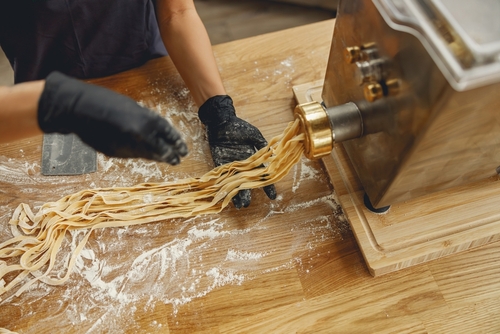
Downsizing kitchens often means eliminating gadgets that seem rarely used. Pasta makers, cast-iron waffle irons, or old family roasting pans may be among the first things to go. Later, people sometimes rediscover recipes that relied on those tools. Replacing them can be surprisingly expensive or difficult.
Some kitchen items also carry strong family associations. A particular baking pan might have been used every year for birthday cakes or holiday desserts. When those tools disappear, the tradition can become harder to recreate. Many cooks later wish they had stored these items rather than parting with them.
8. Old Books with Personal Notes
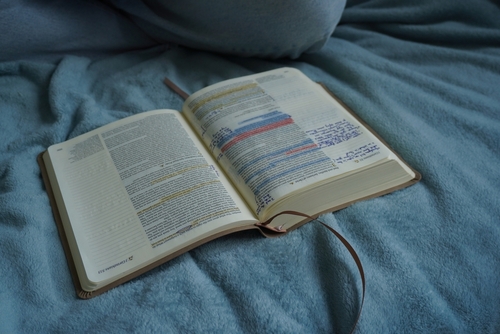
Books often get donated during downsizing because they’re heavy and easy to replace digitally. What people forget is that some books contain personal notes, inscriptions, or annotations. Those small details can turn an ordinary book into a meaningful keepsake. A novel with a handwritten message from a loved one becomes one of a kind.
Marginal notes can also capture a moment in time. Students sometimes regret giving away textbooks that contained their thoughts from earlier years. Parents may leave messages inside children’s books they read together. Those markings quietly document personal history in a way a brand-new copy never could.
9. Hobby Equipment You Thought You’d Outgrown
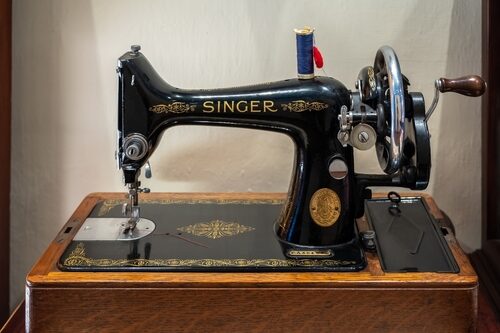
Hobbies often fade in and out over the course of a lifetime. During downsizing, it’s easy to assume certain interests are permanently in the past. People might donate musical instruments, sewing machines, or art supplies to free up space. Years later, many rediscover those passions and wish they still had the original equipment.
Rebuying hobby gear can be expensive, especially if the items were high quality. Some equipment also carries sentimental value tied to lessons, mentors, or creative milestones. A guitar used during teenage years or a camera from early photography experiments can hold memories beyond its practical use. That emotional connection is difficult to replace.
10. Childhood Toys with Strong Memories
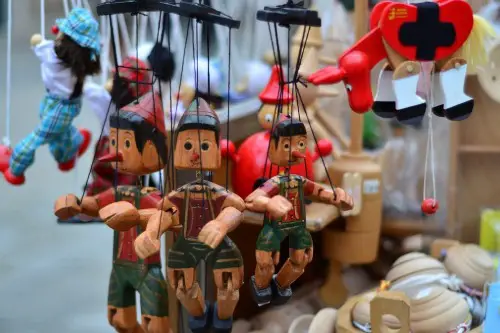
Parents frequently donate or discard toys once their children grow older. While many toys truly are disposable, some become powerful memory triggers later in life. Adults often feel nostalgic when they see toys they once loved. Realizing those items are gone can bring unexpected regret.
Certain toys also become meaningful when the next generation arrives. Grandparents sometimes wish they had saved a few favorites to share with grandchildren. Even a single doll, stuffed animal, or building set can carry decades of family stories. Keeping a small selection can preserve that connection.
11. Personal Journals and Diaries

Journals may feel intensely private, which is why some people throw them away during major life transitions. At the time, it can seem like clearing out old emotions or embarrassing memories. Years later, those pages can provide a valuable record of personal growth. They capture thoughts and experiences that would otherwise be forgotten.
Reading old entries can also help people understand how their perspectives have changed. Life events that once felt overwhelming may look very different with time and distance. Some people even pass selected journals on to family members as part of their personal history. Losing them means losing a firsthand account of one’s own life story.
This post The Downsizing Items People Wish They Had Stored Instead was first published on Greenhouse Black.
