
1. Old Tools and Hardware
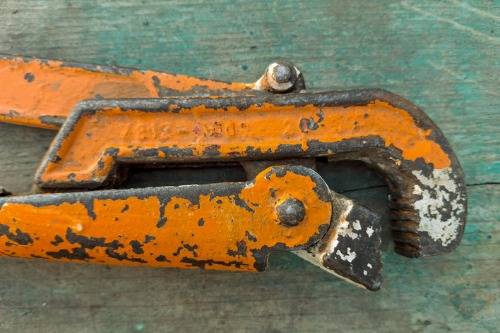
A table piled high with rusty hand tools might not look glamorous, but it’s a magnet for knowledgeable shoppers. Brands like Stanley and Disston produced tools that are still prized for their craftsmanship. Cast-iron planes, hand-forged wrenches, and early measuring tools often outperform modern equivalents. Condition matters, but surface rust is usually manageable.
Pickers check for cracked handles, missing parts, and clear manufacturer stamps. They know certain tool models were made during specific decades, which helps with dating and pricing. Many tools can be restored with minimal effort, increasing their resale value. Even if resale isn’t the goal, a high-quality vintage tool can still be put back to work.
2. Vintage Costume Jewelry
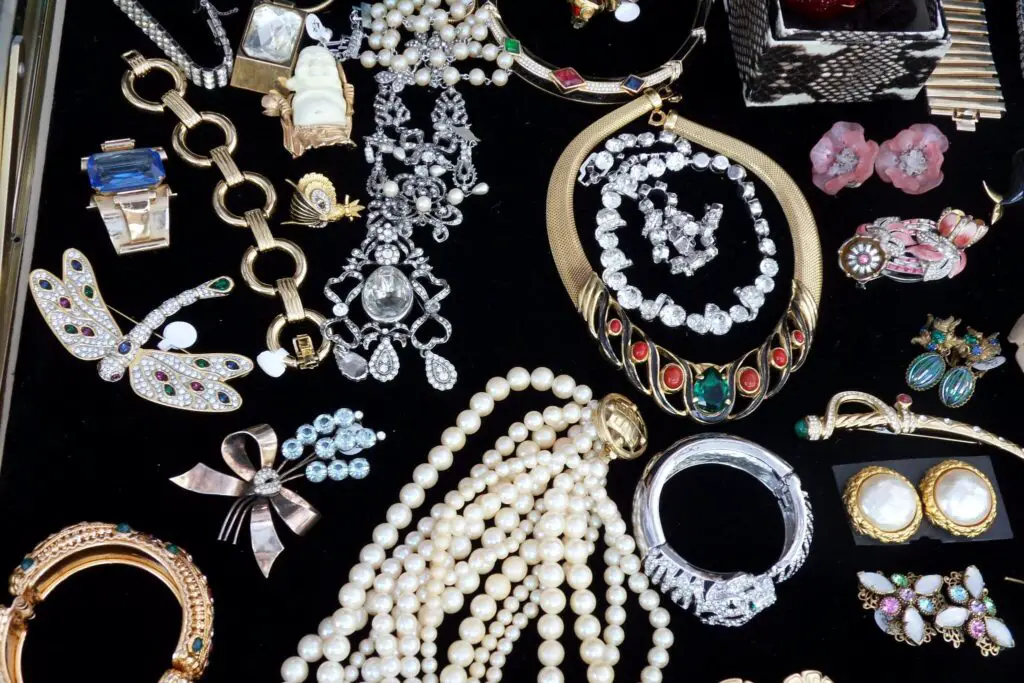
Seasoned pickers almost instinctively drift toward tables covered in tangled necklaces and mismatched earrings. They know that mid-century costume jewelry from makers like Trifari and Coro can hide in plain sight among dime-store pieces. Even unsigned designs can be valuable if the craftsmanship is solid and the stones are intact. The trick is to look past the clutter and focus on construction details like clasps and settings.
Experienced buyers flip pieces over to check for maker’s marks, patent numbers, and quality plating. They also test for weight, because older pieces often feel heavier due to better materials. Rhinestones that are prong-set rather than glued usually signal higher quality. It’s a table that rewards patience, a sharp eye, and a willingness to untangle a mess.
3. First-Edition and Vintage Books
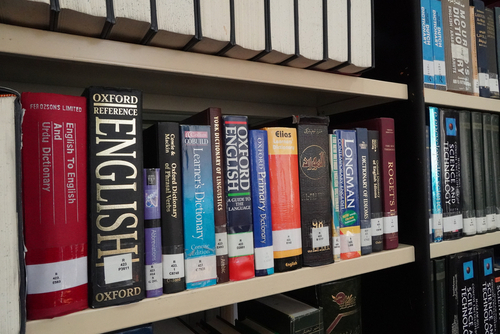
Book tables can look chaotic, but experienced pickers head straight for hardcovers with intact dust jackets. First editions from publishers like Charles Scribner’s Sons are especially desirable when clearly marked. A true first edition typically has specific points of issue that collectors recognize. The presence of an original dust jacket can dramatically affect value.
Pickers check the copyright page for edition statements and number lines. They gently open the cover to inspect for foxing, loose bindings, or library markings. Even lesser-known titles can be valuable if they’re scarce or tied to a significant historical moment. Knowledge of authors, publishers, and printing history turns this messy table into a gold mine.
4. Mid-Century Modern Kitchenware
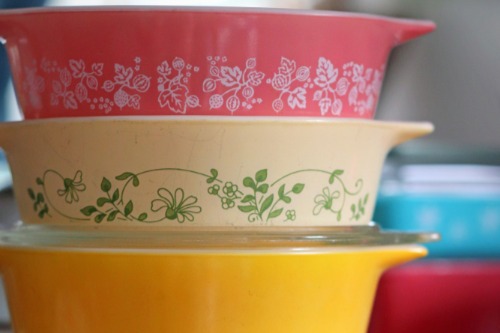
Bright colors and sleek lines draw experienced pickers to mid-century kitchen tables. Brands like Pyrex and Fire-King produced patterned bowls and dishes that remain collectible. Certain patterns and colorways are more sought after than others. Condition, especially the absence of chips and fading, is crucial.
Pickers flip pieces over to check stamps and pattern numbers. They know that some limited runs or discontinued designs command higher prices. Lids that match original bases can significantly increase value. What looks like your grandmother’s casserole dish might actually be a highly collectible piece of design history.
5. Vinyl Records
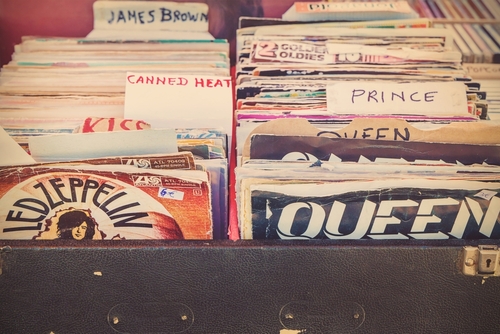
Tables stacked with records often draw a small crowd of serious collectors. Albums from artists like The Beatles and Miles Davis can be especially valuable in early pressings. Original sleeves, inserts, and labels matter just as much as the vinyl itself. Condition grading can make or break a sale.
Experienced pickers inspect the runout grooves for matrix numbers. They hold records up to the light to check for scratches and warping. Certain small-label releases and regional pressings can be surprisingly rare. It’s not just about famous names, but about understanding pressings, variations, and demand.
6. Military Memorabilia
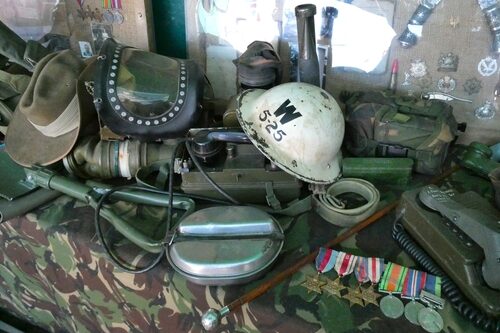
Military tables can be sensitive territory, but knowledgeable pickers approach them with care and respect. Items from conflicts such as World War II are often the most sought after. Authentic patches, medals, and field gear can carry both monetary and historical value. Provenance, when available, adds significant credibility.
Pickers examine stitching, materials, and wear patterns to determine authenticity. Reproductions are common, so experience makes a big difference. Official markings and correct period construction are key indicators. For many, the appeal lies not just in resale potential but in preserving tangible pieces of history.
7. Antique Silver and Silverplate
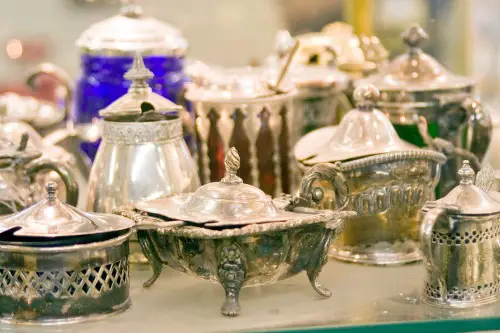
Seasoned shoppers are quick to scan tables filled with tarnished flatware and serving trays. Sterling pieces marked by companies like Gorham Manufacturing Company can be worth far more than their dusty appearance suggests. Hallmarks indicating sterling content are essential. Silverplate has value too, but it’s generally lower.
Pickers look for clear “925” or “sterling” stamps. They check for dents, heavy wear, and monograms that might affect desirability. Weight is another important factor, especially for scrap value considerations. A little polishing can reveal whether that dull gray spoon is treasure or just table filler.
8. Vintage Advertising Signs

Old metal and porcelain signs have a way of pulling experienced pickers in from across the aisle. Signs featuring brands like Coca-Cola and Texaco are particularly popular. Original signs often show age in specific, consistent ways. Reproductions, on the other hand, tend to look artificially distressed.
Pickers check for maker’s marks, correct mounting holes, and period-appropriate typography. They inspect edges for natural wear rather than modern grinding. Porcelain signs should have a certain thickness and layered enamel look. When authentic, these pieces combine graphic design, nostalgia, and solid market demand.
9. Cast Iron Cookware
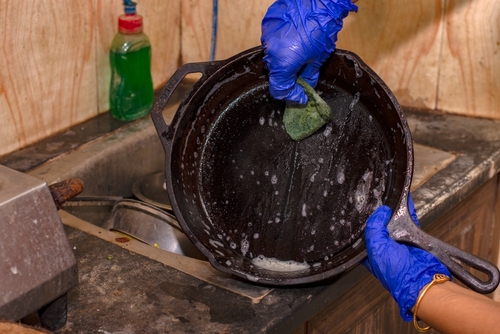
A stack of heavy, blackened pans might not seem glamorous, but experienced buyers know better. Pieces from Griswold Manufacturing and Wagner Manufacturing Company are highly regarded among collectors. Older cast iron was often lighter and smoother than many modern versions. Clear logos and heat rings can help with identification.
Pickers flip pans over to check for cracks, pitting, or excessive wobble. They look for distinct logos that changed over different production eras. Even pieces needing restoration can be valuable if the brand and markings are right. With a little care, these pans can last for generations.
10. Vintage Cameras
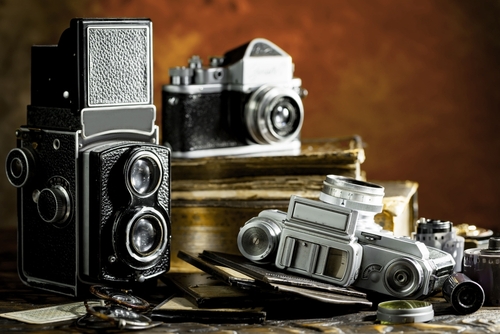
Camera tables draw in pickers who appreciate mechanical precision. Models from companies like Leica and Nikon can command strong prices, especially if lenses are included. Mechanical film cameras from the mid-20th century are particularly collectible. Working condition adds significantly to value.
Pickers test shutter movement and inspect lens glass for haze or fungus. They check serial numbers to confirm production periods. Original cases, caps, and manuals increase appeal. Even non-working models can be valuable for parts or display.
11. Handmade Quilts and Textiles
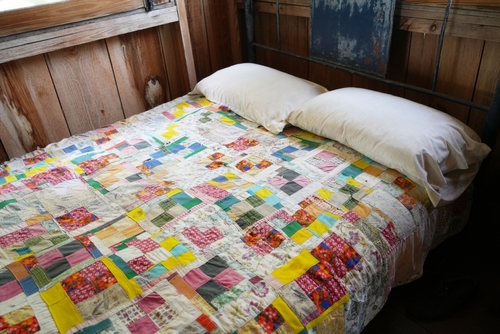
Textile tables may look soft and unassuming, but they attract sharp-eyed collectors. Handmade quilts from the 19th and early 20th centuries often feature distinct regional patterns. Certain patterns, like the Log Cabin design, are widely recognized and documented. Hand stitching is usually more desirable than machine stitching.
Pickers carefully examine stitching, fabric condition, and signs of repair. They look for fading, staining, or fabric breakdown that could affect value. Provenance, such as family history or regional origin, adds interest. Beyond resale, these pieces offer craftsmanship and stories stitched into every square.
This post The Flea Market Tables Experienced Pickers Head Straight Toward was first published on Greenhouse Black.
