
1. Opening the windows daily

Cracking your windows for even ten minutes used to be a standard part of morning routines, and it still earns its place. Fresh air exchange helps dilute indoor pollutants that naturally build up from cooking, cleaning products, and off-gassing furniture. Modern homes are tighter than ever, which makes intentional ventilation more important, not less. You don’t need a breeze, just consistent air turnover.
This habit can also help regulate humidity, which affects both comfort and mold growth. Brief ventilation reduces stale odors without relying on sprays that only mask smells. Many people notice they feel more alert after a quick air-out, likely due to improved oxygen flow. It’s a small ritual that resets the feel of a room almost instantly.
2. Line drying clothes when possible
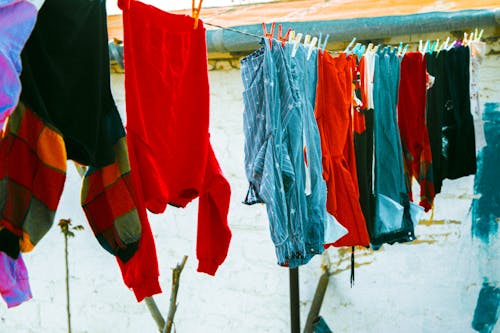
Before dryers were common, line drying was the norm, and it’s surprisingly gentle on fabrics. Heat and tumbling cause fibers to break down faster, which is why air-dried clothes often last longer. Sunlight can also help reduce odor-causing bacteria, especially in towels and athletic wear. Even partial line drying cuts energy use.
The slower drying process also minimizes shrinkage and color fading. Hanging garments encourages you to smooth wrinkles while they’re wet, which reduces ironing later. Many fabrics maintain their shape better without mechanical stress. It’s a simple way to extend the life of your wardrobe.
3. Sunning bedding and pillows

Regularly placing bedding in direct sunlight was once routine housekeeping. Ultraviolet light and heat help reduce moisture that dust mites thrive in. While sunlight isn’t a sterilizer, it does create a drier environment that’s less friendly to allergens. Fresh air also helps dissipate trapped odors.
This practice is especially helpful in humid climates where bedding holds moisture. Even a short sun exposure can leave fabrics feeling fresher. The warmth fluffs fibers naturally without chemicals. It’s a low-tech refresh between washes.
4. Rotating your mattress seasonally
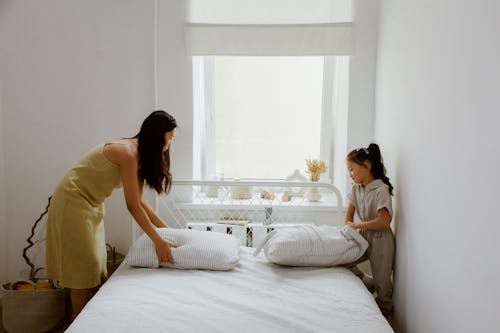
Older households treated mattress rotation as calendar maintenance. Turning and rotating distributes wear more evenly across support layers. This reduces sagging in the spots you sleep on most. A more even surface supports better spinal alignment.
Consistent rotation can extend the usable life of a mattress. It also gives you a chance to inspect the bed frame and clean underneath. Dust accumulation under beds affects indoor air quality. Treating it as a routine check keeps the sleep area healthier.
5. Keeping a shoe-off entryway
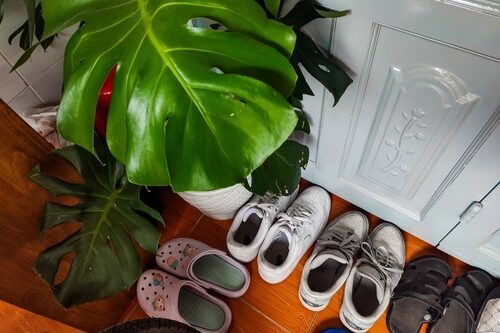
Removing shoes indoors has long been common in many homes. Outdoor footwear tracks in soil, pesticides, and bacteria from public surfaces. Leaving shoes at the door significantly reduces what spreads across floors. That matters most where children play or people sit.
Cleaner floors mean less frequent deep cleaning. It also reduces abrasive grit that scratches flooring. Over time, that protects finishes and carpets. The habit creates a natural transition between outside and inside.
6. Sharpening and honing kitchen knives regularly
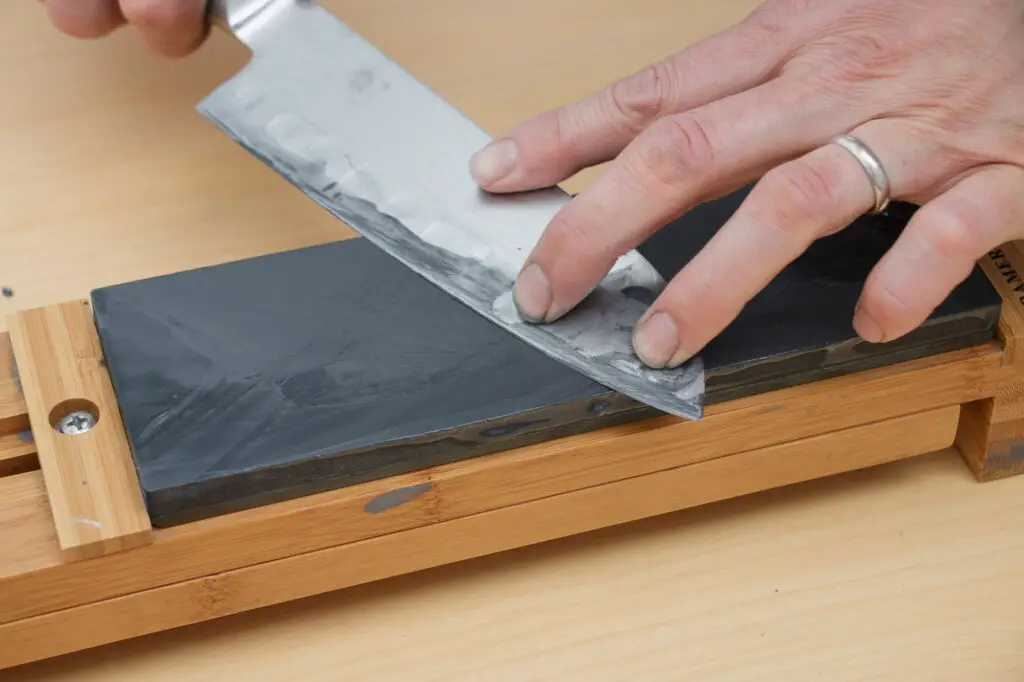
Older kitchens treated knife maintenance as normal upkeep. Honing realigns the blade edge, keeping cuts clean and controlled. Sharp knives require less force, which actually reduces slipping accidents. Clean cuts also preserve food texture.
Regular maintenance prevents the need for aggressive grinding later. It keeps prep work efficient and less tiring. Consistent performance encourages safer cutting habits. A well-kept knife simply behaves more predictably.
7. Weekly fridge clean-outs
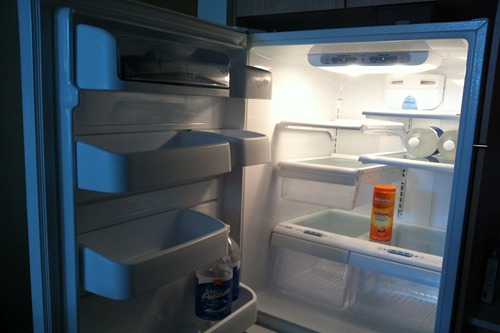
A scheduled refrigerator reset used to be part of weekly housekeeping. Removing aging leftovers prevents bacterial growth and odor transfer. It also makes food inventory visible, reducing waste. You cook more intentionally when you know what you have.
Wiping shelves removes sticky residue that harbors microbes. A clean fridge maintains more consistent airflow and cooling. That helps food stay fresh longer. The habit turns food safety into a routine, not a reaction.
8. Using vinegar for mineral buildup
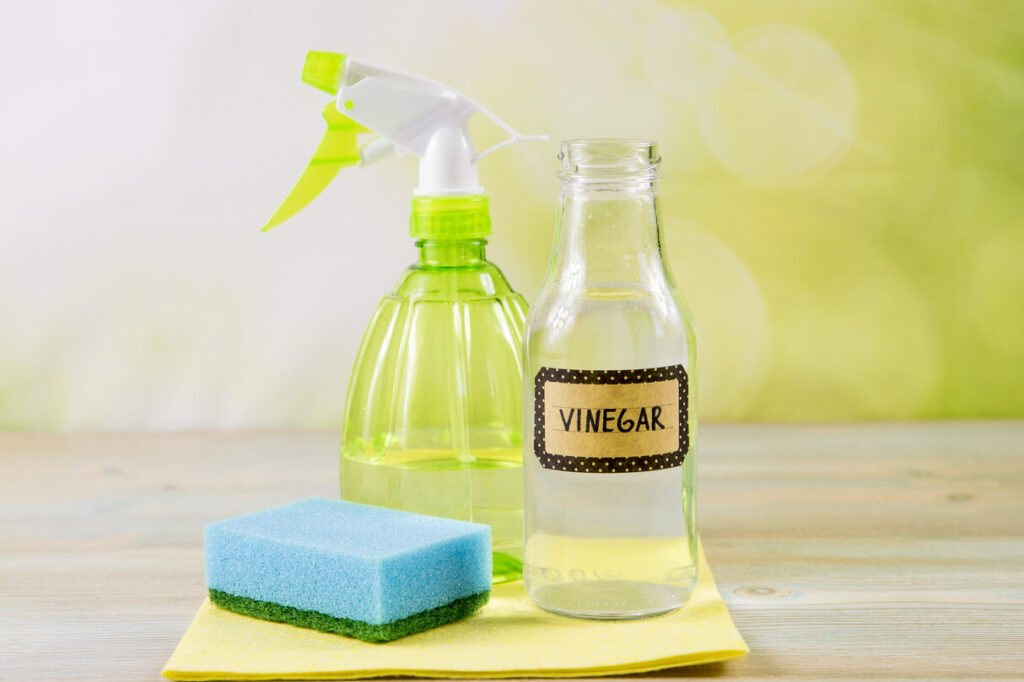
Vinegar has long been used to dissolve scale on kettles and fixtures. Its mild acidity reacts with mineral deposits, loosening buildup safely. This improves appliance efficiency where scale affects heating surfaces. Regular descaling prevents long-term performance loss.
It’s especially useful in hard-water areas. Removing buildup helps faucets flow evenly. Appliances run more consistently when heating surfaces stay clean. The process is simple and repeatable.
9. Daily sweeping of high-traffic areas

Frequent sweeping was once a normal end-of-day task. Grit and dust act like sandpaper on floors when left in place. Removing debris preserves finishes and reduces airborne particles. Small cleanings prevent large messes.
This habit is faster than occasional deep cleaning. It limits how much dirt migrates into other rooms. Regular sweeping also discourages pest attraction. A few minutes daily protects surfaces long term.
10. Batch cooking simple staples
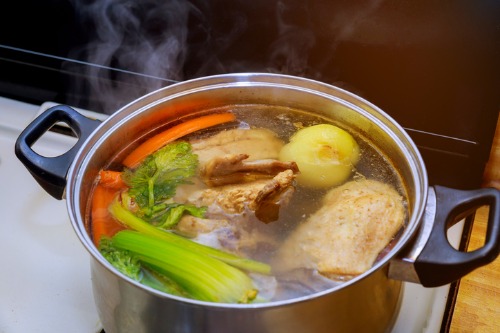
Cooking larger quantities of soups or grains was a time-saving tradition. Batch preparation ensures ready-to-eat food without relying on packaged meals. This improves portion awareness and ingredient control. It also reduces weekday decision fatigue.
Leftovers cool and store safely when handled properly. Having staples ready encourages balanced meals. It cuts down on last-minute takeout. The habit turns cooking into a system instead of a scramble.
11. Handwashing delicate garments
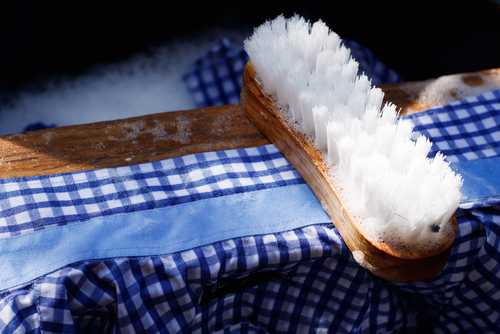
Before specialized cycles, delicate clothing was routinely washed by hand. Gentle washing reduces fiber stress and seam strain. This is especially important for knits, lace, and structured items. Controlled handling prevents stretching.
Handwashing also allows precise stain treatment. You use less agitation and heat. Fabrics retain their shape and finish longer. The practice protects pieces that machines can damage.
12. Keeping a simple household ledger

Maintaining a written expense record was once standard budgeting practice. Recording spending increases awareness of financial patterns. It reveals recurring costs that digital summaries sometimes hide. Seeing numbers in your own handwriting reinforces accountability.
A ledger encourages intentional purchasing. You can quickly compare months and spot trends. The habit builds a realistic picture of household cash flow. It turns budgeting into an active process instead of guesswork.
This post The Forgotten Home Habits That Still Work was first published on Greenhouse Black.
