
1. Original Craftsmanship Shines Through
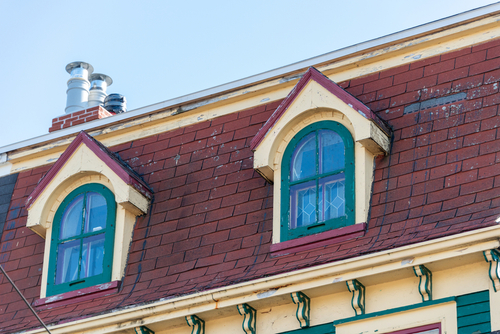
Walking into a home that hasn’t been updated in decades often feels like stepping back in time. The woodwork, moldings, and built-ins were crafted by hand in an era when attention to detail mattered more than speed. Unlike today’s mass-produced finishes, these features are often solid, durable, and full of character. That kind of craftsmanship can be a hidden selling point for buyers who appreciate authenticity.
Maintaining these original elements can save money on expensive custom replacements. They also provide a unique aesthetic that can’t be replicated in modern homes. Even if the finishes are outdated, careful restoration can highlight their value. Collectors and design enthusiasts often see this as a rare opportunity to own a piece of history.
2. Vintage Fixtures Add Unique Charm
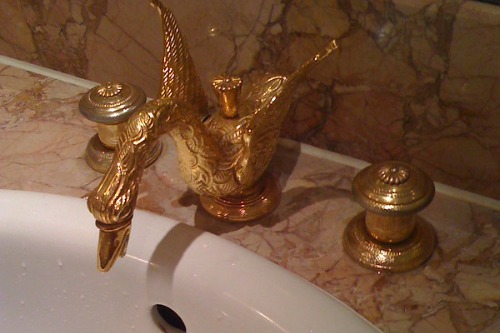
Old homes often come with lighting, doorknobs, or faucets that you just don’t see anymore. These original fixtures can be surprisingly high-quality, made of brass or porcelain, and built to last. They carry a story and add personality that a modern reproduction can’t capture. Keeping them intact can make a home feel curated rather than cookie-cutter.
For someone willing to clean or restore them, vintage fixtures can elevate a space instantly. They also allow for a mix of eras, pairing old-world charm with modern conveniences. Buyers sometimes pay a premium for homes that still have these authentic touches. It’s a detail that makes a property memorable rather than forgettable.
3. Solid Materials That Stand the Test of Time
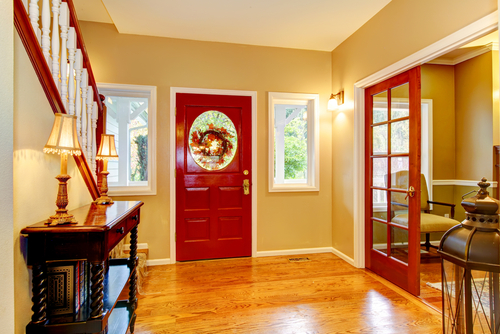
Homes built decades ago often use materials that aren’t common today, like hardwood floors, plaster walls, or full brick foundations. These materials are incredibly durable and often age better than modern alternatives. Plaster, for instance, resists cracks differently than drywall, and hardwood floors can be refinished repeatedly. The longevity alone makes them valuable in the long term.
Investing in these original materials can also mean fewer repairs down the road. Builders today sometimes cut corners to reduce costs, so older materials can actually be more resilient. Even minor upgrades around them often have a greater impact because the foundation is so solid. It’s a combination of beauty and practicality that modern homes can struggle to match.
4. Historical Layouts Encourage Creativity
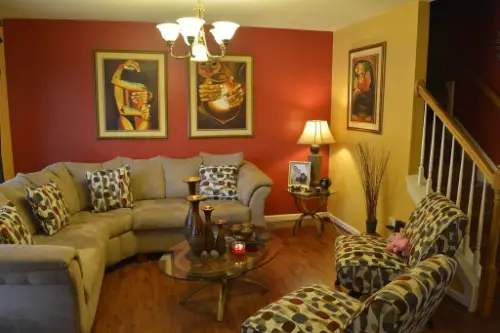
Older homes frequently feature layouts that differ from today’s open-concept trends. Rooms might be smaller or more compartmentalized, but that creates opportunities to reimagine spaces creatively. A dining room could become a home office, or a sunroom might turn into a studio. The possibilities often inspire buyers to think outside the box rather than just replicate a cookie-cutter floor plan.
These layouts also reflect the lifestyle of the era, offering a glimpse into daily life decades ago. Restoring or repurposing these spaces adds a story to the home that new builds rarely have. It’s a subtle value many overlook, but it can make the home feel more personal. For design-minded buyers, this is often a major selling point.
5. Rare Architectural Details
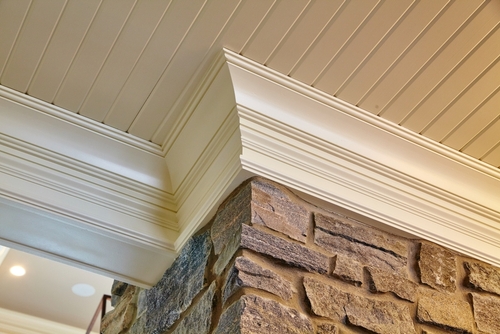
Crown moldings, archways, and stained-glass windows are often hidden in homes that haven’t been updated in decades. These details were expensive to produce and weren’t included in every house. When preserved, they give a home a level of sophistication that’s hard to replicate today. They’re subtle statements of elegance and craftsmanship.
Architectural details can also become the centerpiece of interior design. Even a simple room can feel grand when highlighted with original woodwork or a unique window. Buyers who value character often gravitate toward these homes. Restoring them carefully enhances both beauty and property value.
6. Mature Landscaping Comes Standard

Older homes often have trees and shrubs that have been growing for decades. These mature plants provide shade, privacy, and curb appeal that new landscaping simply can’t achieve. A hundred-dollar sapling takes years to reach the effect of a mature tree already on the property. That natural investment is a hidden gem for prospective buyers.
Landscaping also helps define the personality of the home and neighborhood. Large trees can frame the house beautifully, and well-established gardens offer a sense of tranquility. For buyers who love outdoor spaces, this can be a major draw. It’s one of those invisible values that isn’t in the listing but immediately felt in person.
7. Potential for High ROI on Renovations
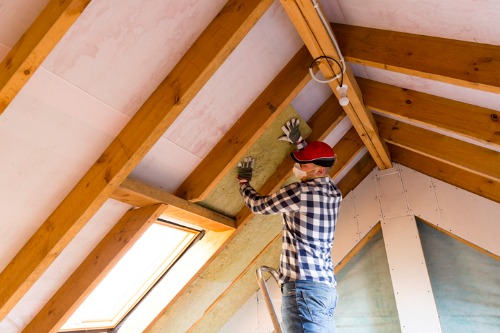
Homes that haven’t been touched in decades often need cosmetic updates, but that’s actually an opportunity. Buyers can tailor renovations to modern tastes without tearing down high-quality original elements. With thoughtful updates, the return on investment can be surprisingly high. Each project becomes a chance to add both comfort and value.
Renovating with care preserves character while incorporating efficiency. Kitchens, bathrooms, and lighting are often the first things updated, and modernizing these spaces can dramatically increase market value. The untouched nature of the home means there’s a blank canvas for buyers. It’s a creative playground with financial upside.
8. Energy Efficiency Potential
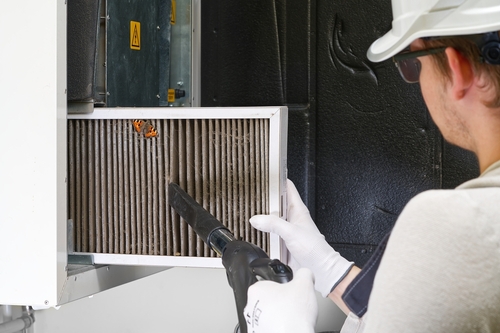
While older homes weren’t built with modern energy standards, many have thick walls, solid windows, or high ceilings that lend themselves to efficiency upgrades. With proper insulation, new HVAC systems, or updated windows, energy costs can drop dramatically. The sturdy bones of the house mean these upgrades are often easier to implement than on poorly built modern homes. For eco-conscious buyers, this combination of old and new is attractive.
Energy efficiency also adds resale value and comfort. You’re not starting from scratch—the structure already provides advantages like natural shading, airflow, and thermal mass. Strategic upgrades can turn a dated home into a modern, efficient sanctuary. This is an overlooked value in homes that appear “old-fashioned.”
9. Built-In Storage Saves Money
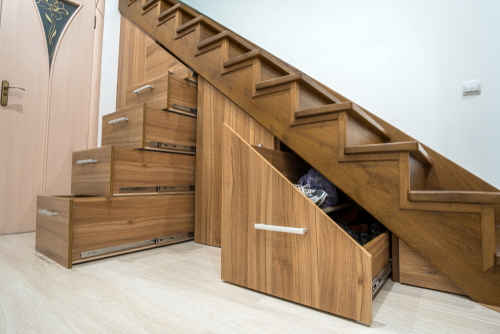
Many older homes come with built-in cabinets, shelving, and wardrobes. These functional features were often custom-made and perfectly fitted to each space. Buyers today often spend thousands adding storage to new builds. In a home that hasn’t been renovated, these built-ins are like ready-made, high-quality storage solutions.
They also reduce the need for bulky furniture, keeping rooms more open and visually appealing. Restoring or updating them can be simple, and the craftsmanship usually surpasses modern equivalents. Smart storage solutions are a subtle but major selling point. For families or collectors, this is a huge hidden benefit.
10. Strong Neighborhood Roots
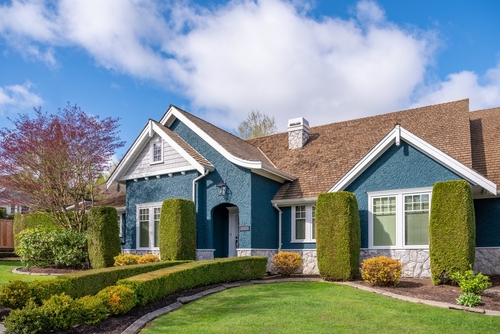
Homes untouched for decades are often part of long-established neighborhoods with deep community ties. Streets lined with mature homes can indicate stability, lower turnover, and a strong sense of identity. Buyers often value these intangible qualities as much as the home itself. A neighborhood with history adds social and financial security.
These areas often have local traditions, events, and a sense of continuity that new developments struggle to replicate. Being part of a community that has thrived for decades can increase property desirability. It’s a type of hidden value that rarely appears in listings but is felt immediately. Long-term residents often become lifelong advocates for the area.
11. A Story You Can Own
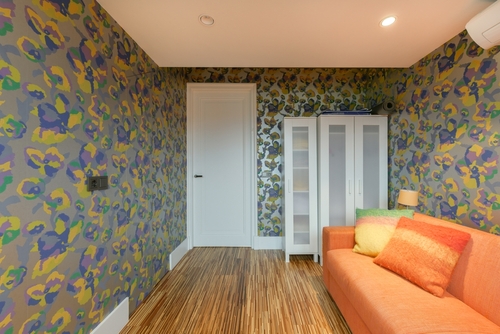
Finally, a home untouched for decades carries a story—sometimes written in original wallpaper, old photographs, or even the way the floors creak. This narrative adds emotional value that no new build can replicate. Buyers can feel connected to the past and inspired to continue the story in their own way. Owning such a home is like holding a piece of living history.
The story of a home makes it memorable, giving it personality beyond square footage or finishes. It becomes more than an investment; it’s a conversation starter and a personal statement. Restoring, preserving, or even reimagining the space allows homeowners to participate in that story. This human connection is often the most hidden and valuable aspect of all.
This post The Hidden Value of Homes That Haven’t Been “Touched” in Decades was first published on Greenhouse Black.
