
1. Thoughtful storage placement

Most people say they just want “more storage,” but where it lives matters just as much. Storage that’s placed near the activity it supports cuts friction out of daily routines. A coat closet by the door or deep drawers near the stove prevents clutter from migrating. That small design decision keeps your home functioning instead of fighting you.
When storage is intuitive, you spend less time tidying and more time living. It reduces visual noise, which has a measurable calming effect in busy households. Good placement also prevents overstuffing single closets that become chaotic black holes. The result is a home that feels organized without constant effort.
2. Natural light orientation
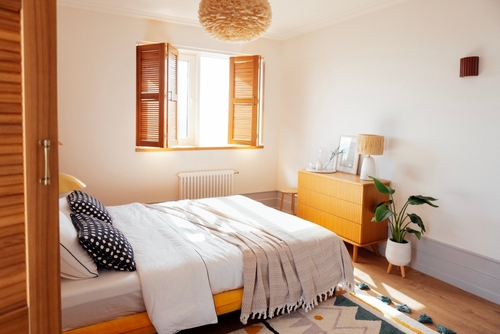
People love to talk about big windows, but the direction your home faces quietly does most of the work. Orientation determines how sunlight moves through your rooms across the day. South- or west-facing exposures can dramatically change how bright a space feels without adding a single fixture. That shift affects mood, perceived space, and even how colors read on your walls.
Better daylight reduces your dependence on artificial lighting during peak hours. It also helps regulate your circadian rhythm, which can subtly improve sleep and daytime energy. Homes with balanced daylight tend to feel cleaner and more open, even when square footage is modest. You notice the difference every single day, not just when guests come over.
3. Electrical outlet density
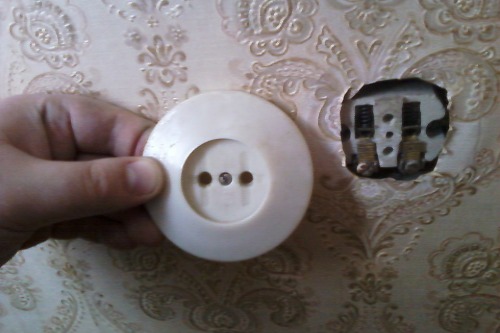
Outlets are invisible until you don’t have enough of them. Modern living requires charging stations, lamps, and appliances in nearly every room. Too few outlets leads to extension cords and power strips that create clutter and safety concerns. A well-planned layout anticipates how people actually use space.
Convenient power access supports flexible furniture arrangements. It also reduces wear on cords and minimizes tripping hazards. Kitchens, offices, and bedrooms especially benefit from higher outlet density. You’ll appreciate it every time you don’t have to crawl behind furniture to plug something in.
4. Sound insulation between rooms

Open layouts get attention, but sound control is what makes them livable. Walls and floors that dampen noise protect sleep, work, and downtime. Without insulation, everyday sounds travel farther than most people expect. That constant background noise adds stress over time.
Good acoustic separation allows multiple activities to happen at once. Someone can watch TV while another person takes a call without conflict. It’s particularly valuable in multi-generational or remote-work households. Quiet spaces feel like a luxury, but they’re really just smart construction.
5. Entryway transition space
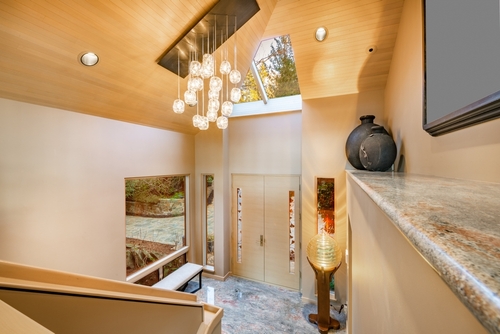
A proper entryway acts as a pressure valve between outside chaos and indoor calm. Even a small landing zone gives shoes, bags, and mail a home. Without it, clutter spreads immediately into living areas. That makes your entire home feel messier than it is.
Defined transitions also help maintain cleanliness. Dirt, moisture, and debris get stopped at the door instead of traveling inward. Psychologically, it signals a shift from public to private space. That tiny pause improves how your home feels the moment you walk in.
6. Task lighting in work zones
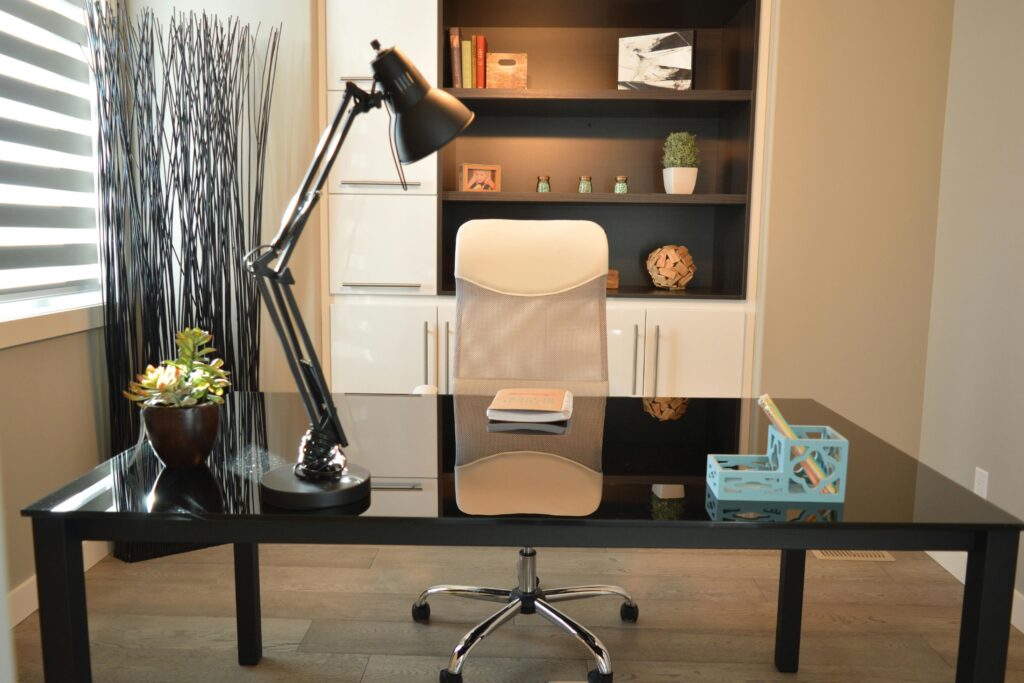
Overhead lighting alone rarely serves detailed tasks well. Kitchens, desks, and vanities benefit from focused illumination. Poor lighting strains your eyes and reduces precision. Targeted fixtures solve that problem without flooding the entire room.
Layered lighting improves both safety and comfort. You can see cutting surfaces, paperwork, or grooming details clearly. It also adds depth, making rooms feel intentionally designed. Once you have it, going back to a single ceiling light feels primitive.
7. Ventilation and air flow
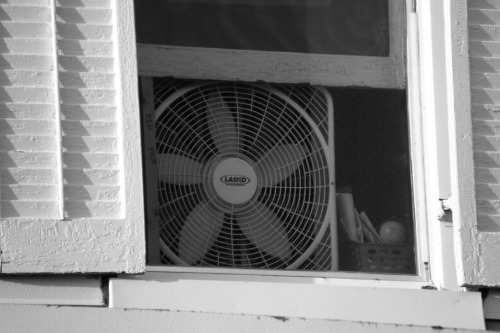
Air movement is easy to ignore until a room feels stuffy. Cross-ventilation helps regulate temperature and indoor air quality. Proper airflow reduces lingering odors and excess humidity. That keeps spaces fresher with less mechanical intervention.
Good ventilation also supports healthier indoor environments. It helps limit moisture buildup that can damage materials over time. Strategically placed windows or vents create natural cooling opportunities. You end up using climate control more efficiently without sacrificing comfort.
8. Flexible multipurpose space
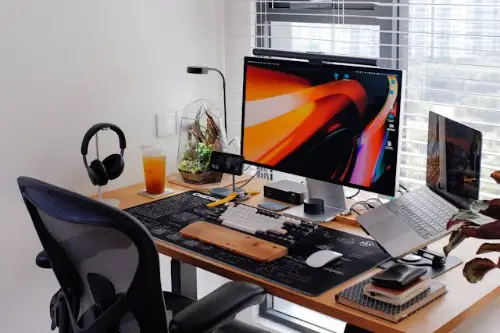
A room that can change roles extends your home’s usefulness. Today it might be an office, tomorrow a guest room or workout area. Flexible spaces adapt as life circumstances shift. That makes your floor plan more resilient over time.
This adaptability reduces the need for costly renovations. Furniture and layout choices can redefine the room quickly. Families grow, work patterns change, and hobbies evolve. A versatile space absorbs those changes instead of forcing a move.
9. Kitchen workflow layout
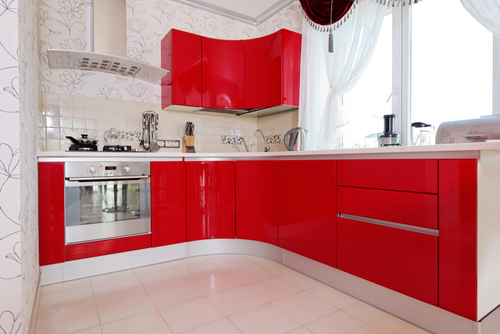
A beautiful kitchen can still be frustrating if movement feels awkward. Efficient layouts minimize unnecessary steps between sink, stove, and prep zones. That flow reduces fatigue during cooking. It turns meal prep into a smoother experience.
Good workflow also improves safety. Fewer cross-traffic patterns mean fewer collisions and spills. Storage placed near relevant work areas speeds everything up. You feel the benefit every night, not just when entertaining.
10. Bathroom surface durability
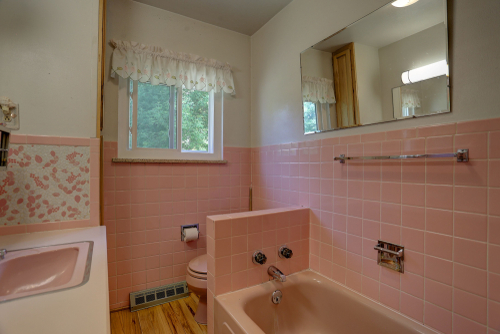
Bathrooms experience constant moisture and temperature swings. Materials that resist warping, staining, and mold perform better long term. Cheap finishes often show wear quickly in this environment. Durable surfaces preserve both appearance and hygiene.
Easy-to-clean materials reduce maintenance time. They also help prevent hidden water damage that can become expensive. Choosing resilience upfront saves money and frustration. Your bathroom keeps looking intentional instead of tired.
11. Sightlines from key living areas

What you see when you look up matters more than people expect. Clear sightlines create a sense of openness and connection. Being able to see into adjacent spaces improves awareness and social interaction. It subtly shapes how you move through your home.
Thoughtful sightlines also influence perceived size. Even compact homes feel larger when views extend beyond a single room. Parents can monitor activity while cooking or working. That visual continuity makes everyday living feel more fluid and connected.
This post The Home Features People Pretend Don’t Matter — But Are Game Changers was first published on Greenhouse Black.
