
1. Visual Pathways That Tell Guests Where to Walk
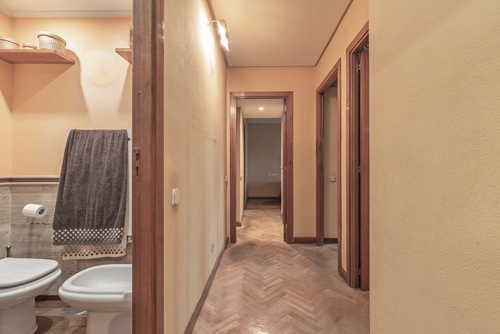
Guests look for visual cues the moment they step inside. The direction your entry rug or hallway lighting points subtly suggests where to walk. People tend to follow lines and light because it reduces uncertainty. This is a basic navigation instinct seen in public spaces and homes alike.
If your foyer funnels toward the living room, most guests will drift there without asking. When the path is cluttered, they slow down or hesitate. That pause is their brain checking for social permission to continue. A clear visual path keeps movement smooth and comfortable.
2. Seating Arrangements That Signal Social Expectations
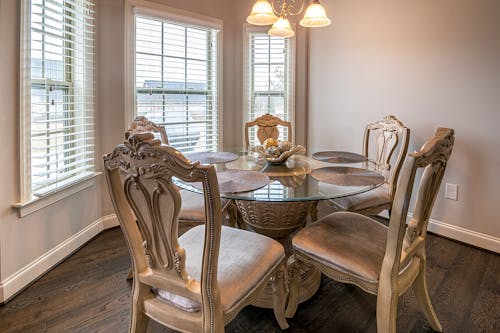
Seating layouts quietly signal where guests are supposed to land. Chairs angled toward each other imply conversation is expected. A lone chair off to the side reads like private territory. Humans read these spatial arrangements almost instantly.
Guests usually choose seats that feel socially endorsed. They avoid spots that seem like someone’s “usual” place. This behavior mirrors how people pick seats in meeting rooms. Thoughtful arrangement reduces awkward shuffling.
3. Doors That Define Invisible Boundaries
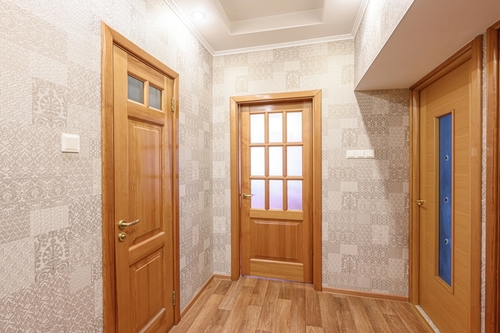
Open doors act like invitations while closed doors act like boundaries. Most guests interpret a closed door as a clear do-not-enter sign. This convention is learned early through social norms. It helps people avoid accidental privacy breaches.
Leaving a door slightly ajar creates ambiguity. Some guests will peek while others will steer clear. Clear signals prevent that mental debate. Consistency keeps everyone relaxed.
4. Lighting That Sets Energy and Direction
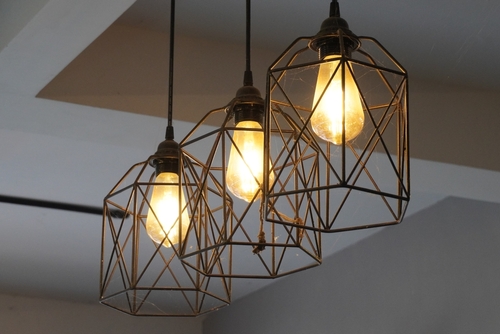
Lighting levels guide how long guests linger in a space. Bright lighting encourages alert, social behavior. Dim lighting signals winding down or intimacy. These effects are well documented in environmental psychology.
Guests subconsciously match their energy to the light. A brightly lit kitchen attracts gathering and standing. Softer lighting pulls people toward sitting areas. Light becomes a silent host directing flow.
5. Floor Textures That Control Pace
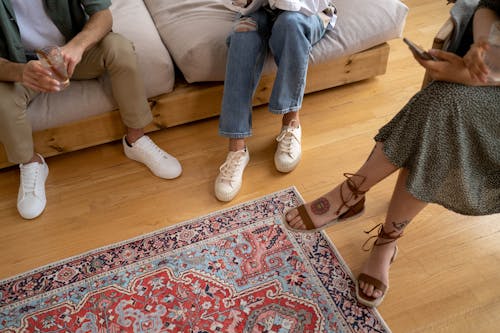
Floor texture changes subtly slow or speed movement. Rugs create psychological zones within a room. People step more carefully on soft or patterned surfaces. This alters pacing without verbal instruction.
Guests often pause at the edge of a rug-defined area. That moment signals a transition between spaces. Designers use this trick in hotels and galleries. At home, it gently organizes circulation.
6. Personal Items That Mark Territory
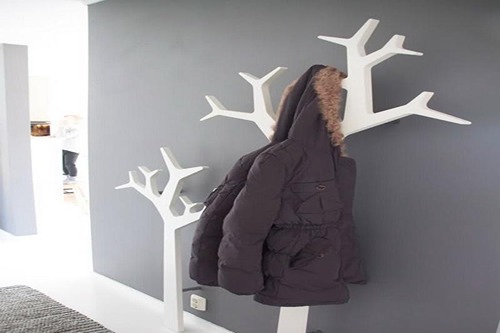
Personal items broadcast territorial boundaries. A jacket draped over a chair reads as claimed space. Guests instinctively avoid encroaching. This behavior reflects respect for ownership cues.
Clear surfaces feel available to newcomers. Cluttered ones feel reserved or off-limits. People rely on these signals to avoid social missteps. The result is smoother seating decisions.
7. Sound That Pulls People Into Spaces
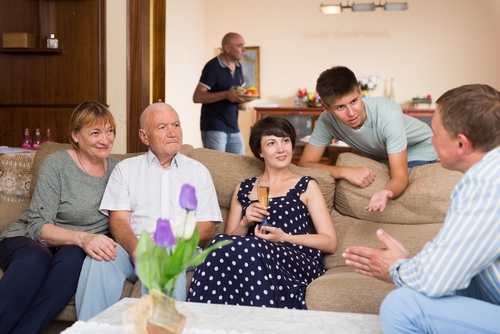
Sound draws movement just as strongly as sight. Conversation or music acts like a social magnet. Quiet rooms feel less inviting to enter. Humans orient toward activity to feel included.
Guests follow audible cues to find the group. Silence can signal privacy or inactivity. This mirrors how people navigate busy public venues. Sound helps map social hotspots.
8. Furniture Height That Signals Formality
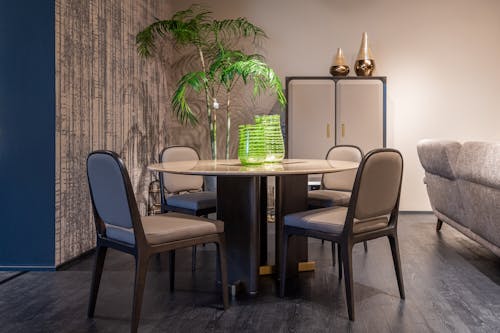
Furniture height subtly communicates formality. Upright seating promotes shorter, structured interactions. Deep couches invite lounging and lingering. These associations come from repeated social experiences.
Guests adjust posture based on the seat they choose. Their body language follows the furniture’s cue. That posture influences conversation length. The room’s tone shifts without a word spoken.
9. Sightlines That Define Public vs. Private Space
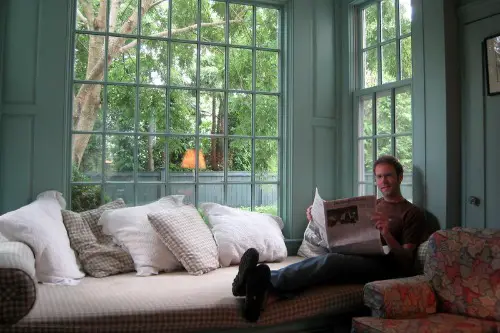
Sightlines tell guests what parts of the home are public. Visible spaces feel accessible and shared. Hidden corners feel private or secondary. People prefer moving where they can see context.
Clear sightlines reduce social guesswork. Guests can anticipate who and what is ahead. This lowers anxiety about entering a space. Openness encourages confident movement.
10. Social Hubs That Naturally Attract Clusters
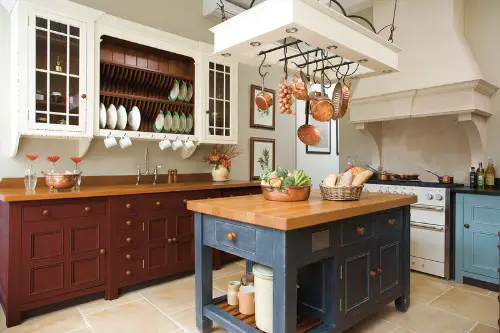
Kitchen islands naturally become social anchors. Their central placement invites standing and chatting. People gravitate toward surfaces that support casual interaction. This pattern shows up consistently in modern homes.
Guests cluster where they can rest a drink or plate. The island provides that functional comfort. Convenience reinforces social gravity. Movement flows outward from that hub.
11. Temperature Zones That Guide Comfort
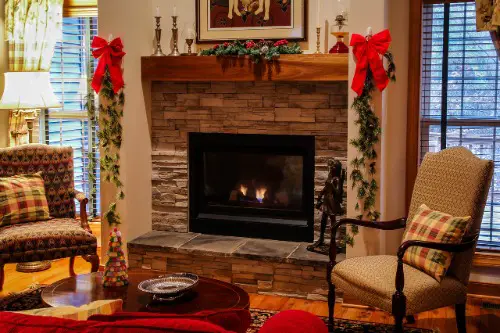
Temperature subtly influences where guests settle. Warmer zones feel cozy and welcoming. Cooler spots encourage shorter stays. Thermal comfort shapes behavior more than people realize.
Guests drift toward areas that match their comfort level. They may not articulate why they prefer that spot. Their bodies are making the decision first. Climate becomes an invisible traffic controller.
This post The Invisible Rules That Shape How Guests Move in Your House was first published on Greenhouse Black.
