
1. Arriving After Quiet Hours and Making Noise
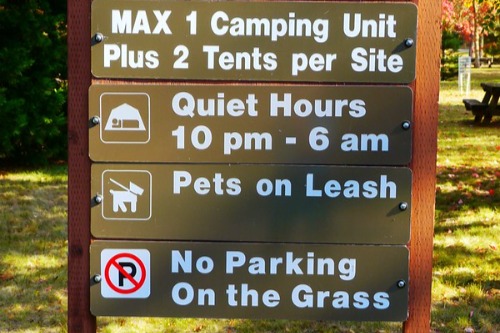
Rolling into a campground late happens, but slamming doors, running slides, and chatting loudly makes people mentally erase you fast. Most parks set quiet hours, often from around 10 p.m. to 7 a.m., and experienced RVers take those norms seriously. When someone breaks that expectation, neighbors tend to avoid eye contact the next day. It becomes easier for them to pretend you are not there.
Noise late at night signals that you are not tuned into campground culture. People who value sleep will choose distance over conversation. Camp hosts may also reduce interaction after noise complaints. The end result is a stay where no one feels inclined to engage with you.
2. Treating the Dump Station Like a Parking Spot
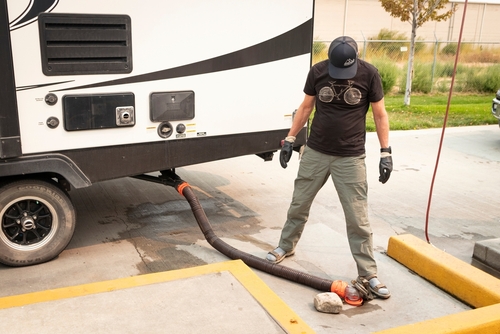
Dump stations are designed for quick in-and-out use, not extended cleanup sessions. When someone blocks the lane while reorganizing hoses or washing mats, other RVers notice immediately. Many parks post signs asking users to be efficient, and for good reason. Ignoring that shared courtesy makes others quietly write you off.
RVing depends on shared infrastructure working smoothly. When one person slows everyone down, frustration replaces friendliness. Other campers are less likely to offer help or conversation later. You become the rig everyone avoids lining up behind.
3. Ignoring the Universal Campground Wave
The small wave or nod while walking the loop is a long-standing RV park custom. It is a low-effort way of acknowledging shared space and mutual respect. When someone repeatedly avoids eye contact or looks through people, it feels intentional. That subtle disconnect adds up quickly.
Social interaction in campgrounds often starts small. Skipping that basic courtesy tells others you are not interested. Most people will respect that boundary and stop trying. In doing so, they effectively make you invisible.
4. Encroaching on Other Campsites
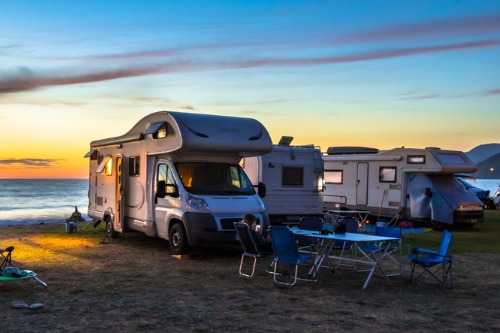
Parking too far over the line or letting gear spill into neighboring space is more noticeable than you might think. Campsites are sized deliberately to give everyone room. When one rig takes more than its share, it creates silent tension. That tension discourages friendly interaction.
People camp to relax, not to negotiate boundaries. If they feel crowded, they pull inward rather than reaching out. Campers will reroute walks and conversations to avoid your site. Over time, you fade from the social map of the campground.
5. Running a Generator When It Is Not Needed
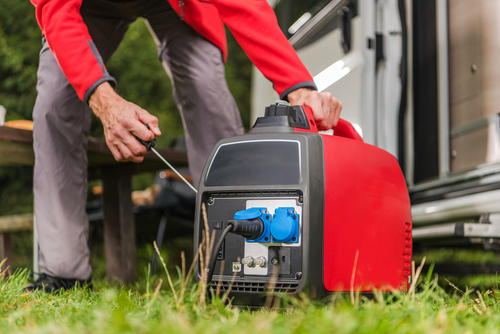
Many campgrounds restrict generator use by time of day, and some prohibit it entirely. Running one in a full-hookup site or during restricted hours raises eyebrows. Even permitted generator noise carries far in quiet settings. Repeated use marks you as inconsiderate.
Generators are one of the most common complaints among RVers. Campers who dislike the noise will not confront you directly. Instead, they disengage and steer clear. That avoidance quickly turns into social invisibility.
6. Letting Pets Disrupt the Peace
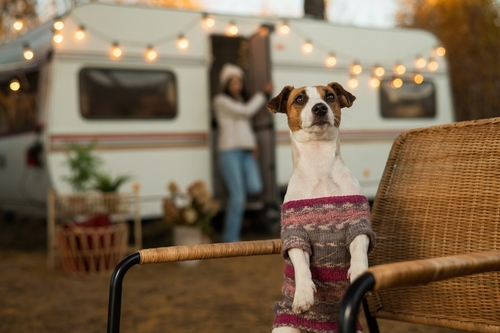
Barking dogs or roaming pets are a fast way to lose goodwill. Most parks require pets to be leashed and under control at all times. When animals disturb neighbors, owners are often blamed more than the pets. That perception sticks.
Other campers may love animals, but they still value quiet and safety. If your pet becomes a nuisance, people adjust their routines to avoid you. Conversations stop before they start. You become known only as the site to walk past quickly.
7. Arriving Unprepared and Needing Constant Rescue
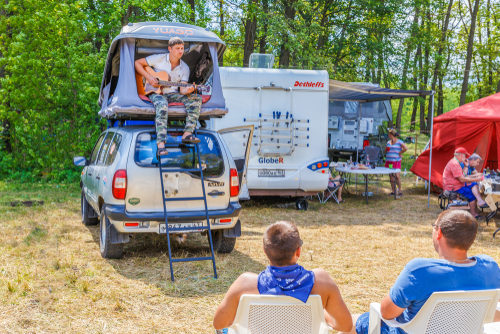
Everyone needs help occasionally, and RVers are usually generous. Problems arise when someone repeatedly asks for basic assistance they could have prepared for. Forgetting adapters, hoses, or leveling blocks becomes a pattern others notice. Over time, goodwill wears thin.
Seasoned RVers respect self-sufficiency. When that expectation is ignored, people stop offering help. They may still be polite, but they keep their distance. That quiet withdrawal leaves you socially sidelined.
8. Leaving Bright Exterior Lights On All Night
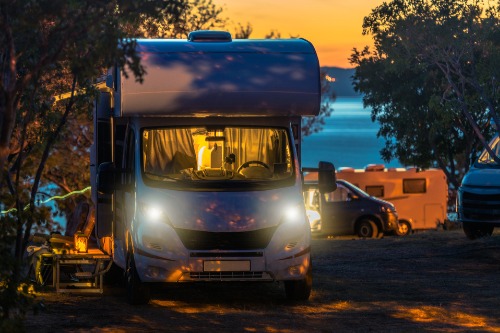
Exterior LEDs and awning lights are useful, but they can overwhelm neighboring sites after dark. Many campers prefer low light to enjoy the night sky. When one rig stays brightly lit, it breaks that shared experience. The glow can travel farther than expected.
Light pollution is a common campground complaint. Rather than asking you to turn lights off, people often adapt by avoiding your area. They choose darker paths and quieter corners. In the process, you disappear from their awareness.
9. Blocking Roads or Sites During Setup

Setup takes time, but blocking internal roads or adjacent sites creates backups. Campgrounds are designed with limited maneuvering space. When one rig halts traffic, it affects everyone nearby. That disruption is remembered.
Most RVers plan setups to minimize impact on others. When that effort is missing, patience runs out quickly. Fellow campers move on without engaging. You become the rig people reference, not the people they talk to.
10. Mishandling Gray or Black Water
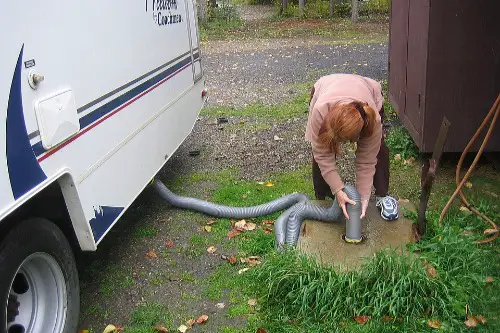
Improper disposal of wastewater is taken very seriously in RV parks. Dumping gray water on the ground is often prohibited and can violate local regulations. Even the perception of poor sanitation makes people uneasy. No one wants to be nearby when hygiene is in question.
Cleanliness is a core expectation in shared spaces. When it is compromised, trust disappears. Campers will quietly distance themselves. Social interaction ends almost immediately.
11. Publicly Complaining About the Park or Staff
Every campground has quirks, and not all stays are perfect. Loud or repeated complaints signal negativity to everyone around you. Staff and hosts notice who amplifies problems rather than resolving them. That reputation spreads faster than you think.
Most RVers camp to relax and keep things light. When someone brings persistent criticism into shared spaces, others disengage. Conversations dry up to avoid the mood shift. Before long, you are effectively invisible.
This post The Mistakes That Make RVers Instantly Invisible was first published on Greenhouse Black.
