
11. Books with notes in the margins
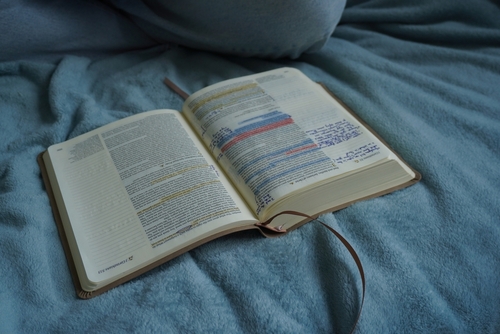
They don’t look special to anyone else. Marginal notes record how someone thought at a particular time. They show what mattered, confused, or changed the reader. That context disappears in a clean copy.
These books document intellectual history on a personal scale. They can be valuable to family members, students, or researchers. Even when the book itself is common, the annotations aren’t. The value lives in the conversation between reader and page.
2. The deed, title, or property survey
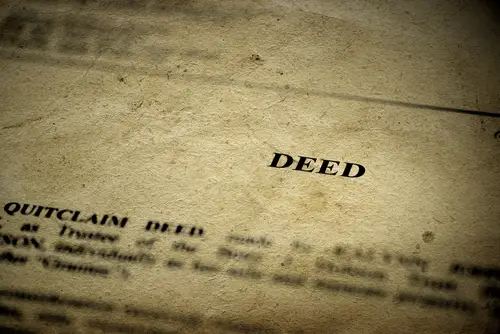
This paperwork usually looks like boring legal filler. In reality, it’s the proof that you own what you think you own. Property deeds and titles define boundaries, rights, and responsibilities. If something goes wrong, these documents matter more than the building itself.
They’re especially valuable during sales, disputes, or inheritance. Replacements are possible, but they can be slow and expensive. Errors or missing pages can cause real legal headaches. That makes the original documents quietly powerful.
3. Old family photos and film negatives
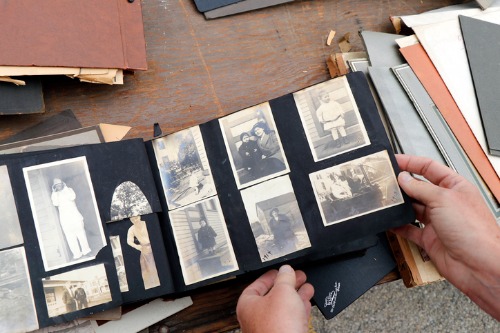
They often live in shoeboxes or dusty albums. What makes them valuable is that they capture moments no one can recreate. Once a negative or original print is gone, the image is usually gone forever. Digital copies help, but they’re not the same as the source.
Photos also hold historical value for families. They document relationships, places, and events with context no database can supply. Many older photos contain details that weren’t written down anywhere else. That combination of memory and evidence is rare.
4. An external hard drive full of backups

It looks like a black plastic brick with a cable. Inside it might be years of photos, documents, and work. The value isn’t the device, but the data it holds. Data loss is one of the most common household disasters.
Backups protect against computer failure, theft, and accidental deletion. Recreating that information can be impossible or extremely costly. This makes the drive more valuable than most electronics around it. Its importance only becomes obvious when it’s missing.
5. A battered cast iron skillet
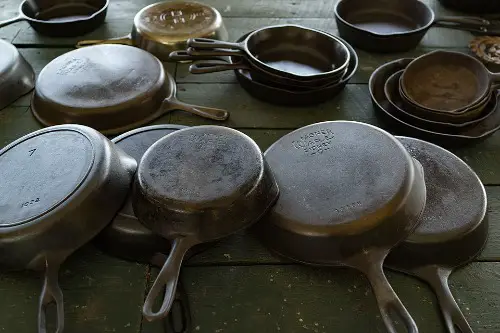
It often looks old, heavy, and replaceable. Cast iron cookware can last generations if cared for properly. Older pans are often smoother and better seasoned than new ones. They also perform consistently across heat sources.
Their value is practical, not flashy. A well-seasoned skillet can replace multiple modern pans. Vintage examples can also have resale value, depending on maker and condition. Mostly, though, it’s valuable because it just keeps working.
6. Handwritten recipes or a recipe box
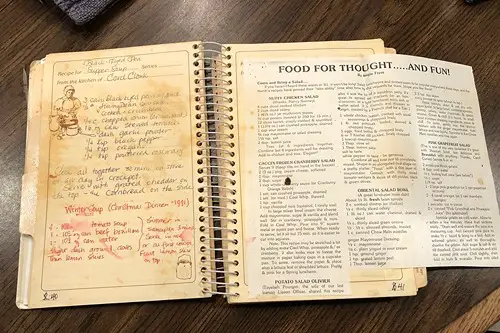
This is the kind of thing people don’t think to insure. Handwritten recipes often represent family knowledge passed down informally. They include techniques and adjustments that never made it into cookbooks. Once lost, they’re gone.
Their value comes from specificity. A recipe card might explain how someone actually cooked, not how they meant to. That makes it both cultural and personal history. No printed replacement can fully capture that.
7. Old hand tools in the garage
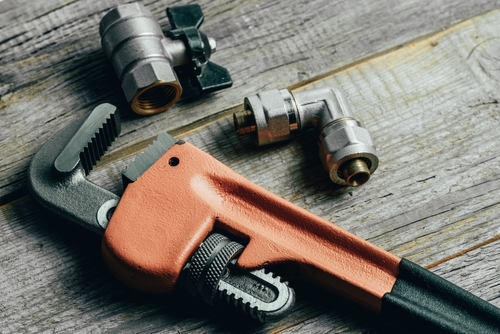
They often look like clutter from another era. Many older tools were made from higher-quality steel than modern mass-produced versions. Hand planes, chisels, and saws can still perform at a professional level. Some are also collectible.
Even when they’re not rare, they’re durable. A well-made tool can last a lifetime with minimal care. Replacing it with an equivalent modern tool can be expensive. That quiet reliability is the real value.
8. A jar of loose coins
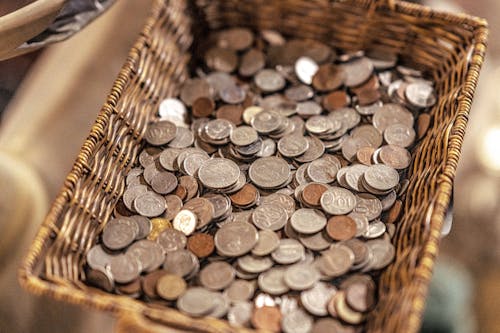
It feels like spare change, not savings. Older coins in many countries were made with higher silver content. Those coins are worth more than face value based on metal alone. People often spend them without realizing it.
Even modern coins add up slowly. A full jar can represent hundreds of small transactions. The value is hidden by familiarity. It’s money that never announces itself as money.
9. Keys, garage remotes, and access fobs
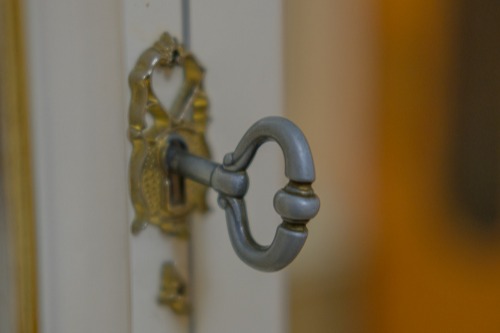
They’re small, unremarkable, and easy to misplace. What they represent is access to your home, vehicles, and storage. Replacing them can require rekeying locks or reprogramming systems. That gets expensive quickly.
Their value is tied to security. Losing control of them creates risk, not just inconvenience. That makes each key more valuable than its physical form suggests. It’s power in miniature.
10. Warranty paperwork and purchase receipts

These usually live in a folder no one opens. They prove ownership, purchase dates, and eligibility for repairs or replacements. Without them, companies often won’t honor claims. That can turn a small failure into a major expense.
They’re valuable because they save money later. A single receipt can mean a free repair instead of a full replacement. They also help with insurance claims. Boring paper, very real payoff.
11. Vital records tucked in a drawer
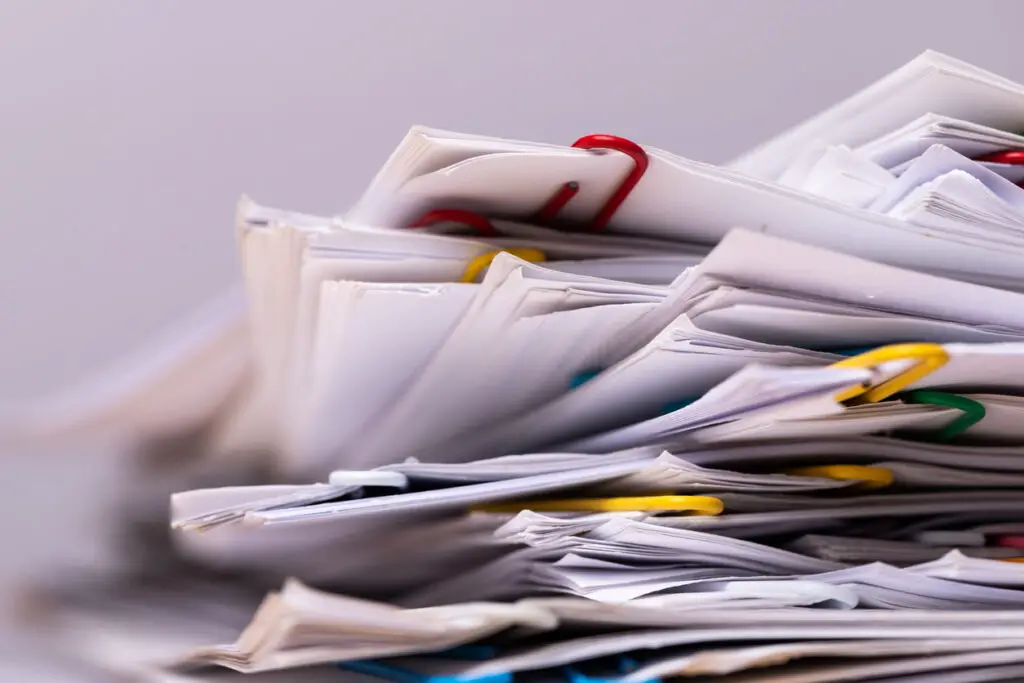
The most valuable paper in your house often lives in a plain envelope. Birth certificates, marriage licenses, and citizenship papers don’t look like much, but they are legally irreplaceable. Replacing them can take weeks or months and sometimes requires fees or court filings. They’re valuable because so many other parts of life depend on them.
These documents unlock jobs, travel, property ownership, and benefits. Without them, even simple tasks can grind to a halt. They’re also uniquely vulnerable to fire and water damage at home. That’s why people who lose them often realize their value the hard way.
This post The Most Valuable Objects in a House Rarely Look Valuable was first published on Greenhouse Black.
