
1. Cast Iron Bathtubs
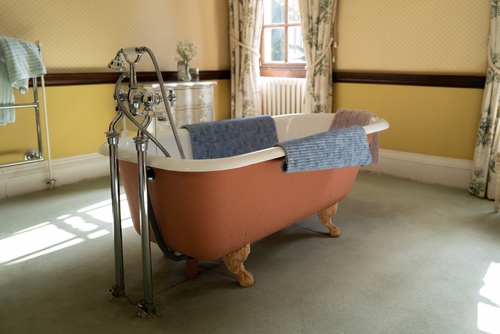
Cast iron tubs are frequently replaced with fiberglass or acrylic models during bathroom renovations. The newer tubs are lighter and easier to install, which makes them appealing during a remodel. Regret often follows when the new tub feels shallow, flexible, or less comfortable. Cast iron retains heat far better, making baths noticeably more enjoyable.
These older tubs were coated in porcelain enamel that can last generations. They are heavy because they were built for durability, not convenience. Modern tubs may scratch or discolor more easily over time. Many homeowners wish they had refinished instead of replaced.
2. Solid Wood Interior Doors
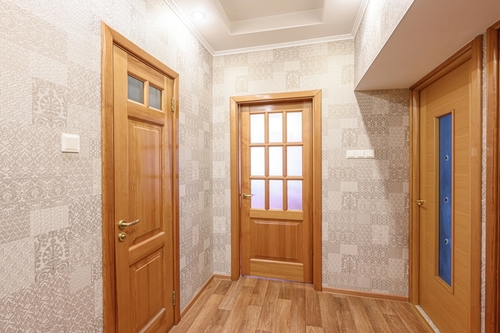
Swapping solid wood doors for hollow-core modern ones is a common update meant to save money or create a sleeker look. The regret usually shows up the moment the new doors are installed and feel noticeably lighter and flimsier. Solid wood doors help with sound insulation in a way hollow-core doors simply do not. Over time, people realize they downgraded function along with style.
Older wood doors were often made from higher-quality lumber than what is widely available today. They were built to last decades, if not centuries, with proper care. Modern replacements can warp, dent, or feel cheap surprisingly quickly. That contrast becomes more obvious the longer someone lives with the change.
3. Hardwood Floors Covered or Replaced
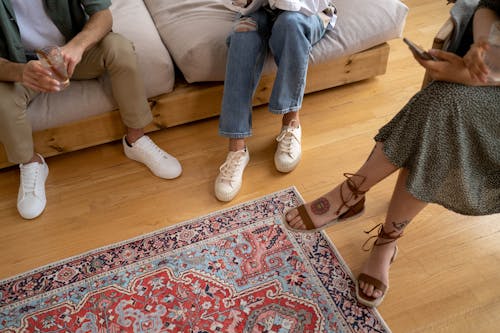
Many homeowners modernize by covering original hardwood floors with luxury vinyl plank or wall-to-wall carpeting. At first, the newer materials feel easier to maintain and more on-trend. Regret sets in when they discover the original floors underneath were a major value-add. Refinishing old hardwood is often cheaper long-term than replacing modern surfaces repeatedly.
Older hardwood floors were typically thicker and more durable than many contemporary options. They can be sanded and refinished multiple times without losing integrity. Once removed or damaged, that longevity is gone for good. People often realize too late that they traded permanence for convenience.
4. Built-In Cabinetry
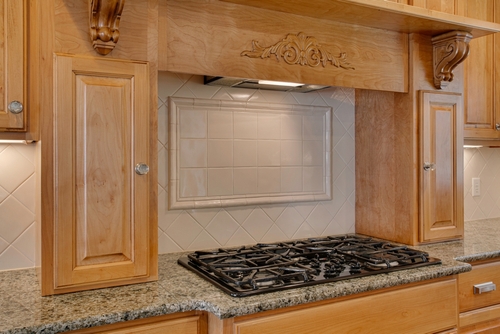
Removing built-in cabinets or shelves is often done to open up a space or make it feel more modern. The regret comes when storage suddenly becomes a daily problem. Built-ins were designed to maximize function in ways freestanding furniture rarely does. Once removed, recreating that level of customization is costly.
Older built-ins were often handcrafted to fit specific rooms and needs. They provided visual balance and a sense of purpose to walls that now feel empty. People frequently underestimate how much they relied on that storage. The loss is felt slowly, then all at once.
5. Original Fireplaces
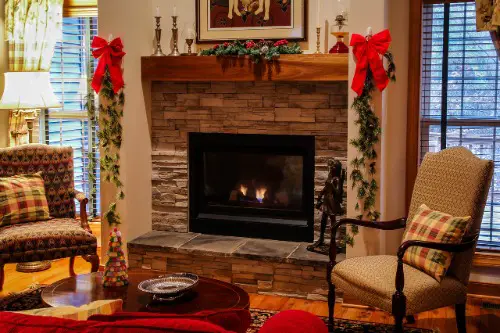
People often modernize fireplaces by sealing them up or replacing them with electric inserts to gain wall space or efficiency. The regret usually comes later, when they realize the fireplace was a key architectural anchor for the room. Even non-working fireplaces add visual warmth and a sense of history that modern replacements struggle to match. Once removed, restoring an original fireplace is expensive and sometimes impossible.
Older fireplaces were often designed as focal points with mantels, tilework, or stone that reflected the era of the home. When those details are lost, rooms can feel flatter and less intentional. Homeowners frequently report missing the ambiance more than the actual heat. It turns out character is harder to replace than people expect.
6. Original Windows
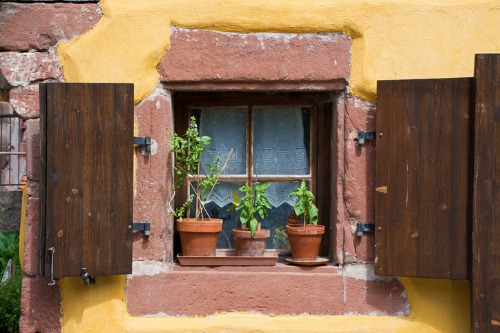
Replacing original windows with modern vinyl ones is often marketed as an energy-efficient upgrade. While efficiency can improve, people frequently regret the loss of craftsmanship and proportions. Older windows were designed specifically for the home’s architecture. Modern replacements can subtly but significantly change how a house looks from the outside.
Wood-framed windows can often be repaired rather than replaced. With proper storm windows, they can perform surprisingly well thermally. Once replaced, original glass and detailing are gone forever. That permanence makes the decision feel heavier in hindsight.
7. Natural Stone Countertops
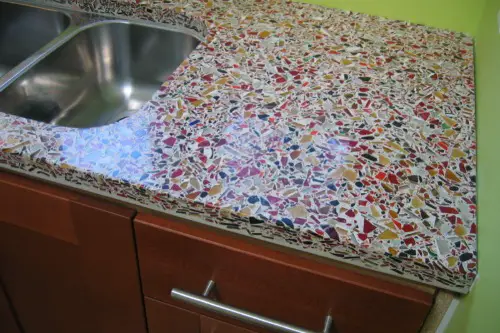
Some homeowners replace natural stone with engineered surfaces for uniformity and lower maintenance. The regret often stems from realizing how much character the natural variation added. Stone develops a patina over time that many people grow to love. Engineered surfaces can look static and dated once trends shift.
Natural stone has been used for centuries precisely because it ages well. Small imperfections tell a story rather than signaling wear. When replaced, kitchens can lose a sense of depth and authenticity. People often miss the uniqueness more than they expected.
8. Radiators
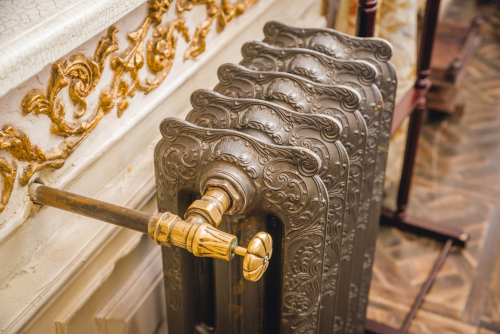
Old radiators are frequently removed in favor of forced-air systems during modernization. The promise is cleaner lines and more consistent heating. Regret comes when people realize radiators provide a more comfortable, even warmth. Forced air can feel dry and drafty by comparison.
Radiators also allow for quiet operation and individual room control. Many were designed with decorative elements that doubled as visual features. Removing them often means losing both function and charm. Reinstalling them later is rarely practical.
9. Plaster Walls
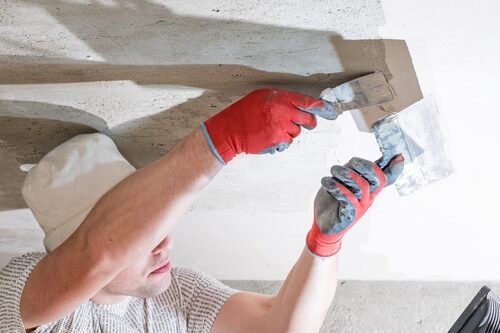
Replacing plaster walls with drywall is a common modernization choice during renovations. Drywall is cheaper and easier to repair, which makes the decision feel practical. Regret appears when people notice the loss of soundproofing and solidity. Plaster walls feel more substantial and dampen noise better.
Plaster also allows for subtle curves and textures that drywall cannot replicate. Older homes were designed with these qualities in mind. Once replaced, the acoustic and tactile differences are noticeable. Many homeowners realize they traded quality for speed.
10. Vintage Light Fixtures
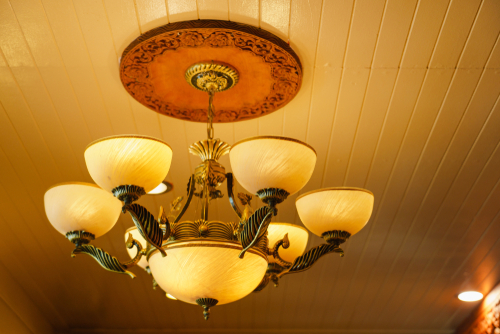
Swapping original light fixtures for minimalist modern ones is often done to update a space quickly. The regret comes when rooms start to feel generic or overly stark. Older fixtures were often scaled to the room and added visual interest. Modern replacements can feel temporary or trend-driven.
Vintage fixtures were typically made from heavier materials like brass or glass. They were built to last and to be repaired, not discarded. Once gone, finding period-appropriate replacements can be expensive. People often wish they had rewired rather than replaced.
11. Traditional Hardware
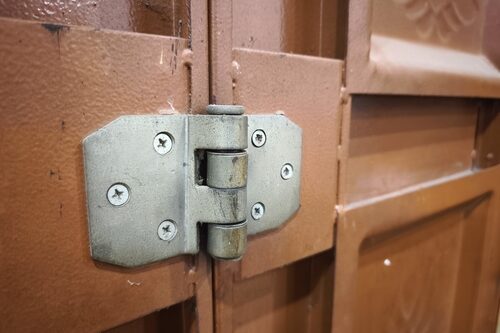
Replacing original knobs, hinges, and pulls with modern hardware seems like a small change. Over time, people regret losing the tactile quality of older pieces. Traditional hardware was often made of solid metal and designed for daily use. Modern versions can feel lighter and less satisfying.
These small details contribute more to a home’s feel than many expect. Original hardware often matched the era and style of the house perfectly. Once replaced, that cohesion can be lost. The regret usually comes from realizing how much those details mattered.
12. Formal Dining Rooms
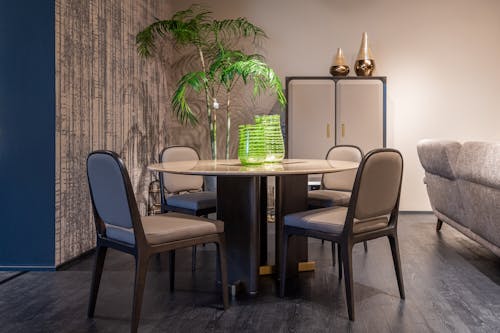
Modernizing by removing walls to eliminate formal dining rooms is a popular trend. Initially, open layouts feel airy and flexible. Regret often sets in during holidays or gatherings when dedicated space is missed. Dining rooms provided structure and a sense of occasion.
These rooms also acted as buffers for noise and mess. Once removed, it can be hard to host without disrupting the rest of the home. Rebuilding walls later is far more complex than removing them. People often realize some separation was a feature, not a flaw.
This post The Objects People Regret Modernizing was first published on Greenhouse Black.
