
1. Baking soda for stubborn odors
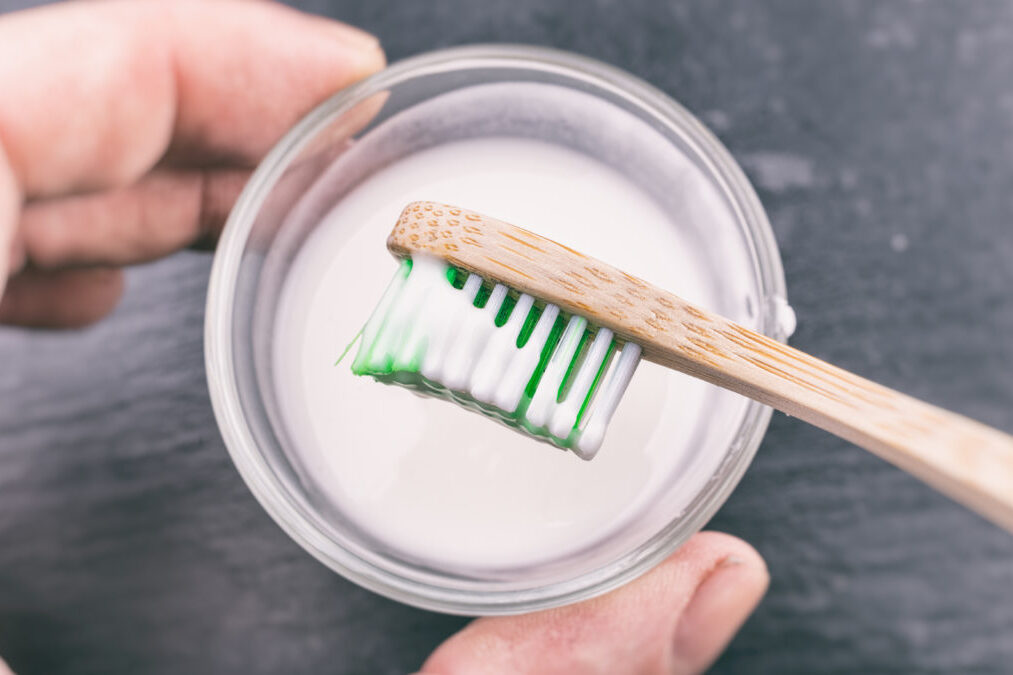
Baking soda has been neutralizing odors in homes long before specialty sprays filled store shelves. Its mildly alkaline chemistry reacts with acidic odor molecules instead of just masking them. That’s why a simple open box in the fridge can noticeably reduce lingering smells. Modern air fresheners often add fragrance, but baking soda actually tackles the source.
You can sprinkle it into carpets, let it sit, and vacuum to pull out trapped odors. It’s gentle enough for most fabrics when used dry and sparingly. Because it’s inexpensive, you can use a generous amount without worrying about waste. This practicality keeps it competitive with pricier enzymatic deodorizers.
2. Vinegar for mineral buildup
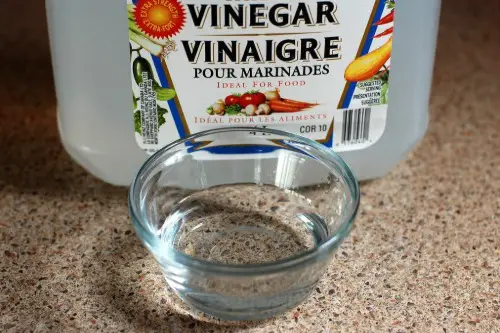
White vinegar has been a go-to for dissolving mineral deposits for generations. Its acetic acid reacts with calcium carbonate, which is what forms limescale. That reaction visibly loosens crusty buildup on faucets and showerheads. Many modern cleaners rely on the same acidic principle, just with added scents.
Soaking a clogged showerhead in vinegar can restore water flow without disassembly. It also cuts soap scum when paired with a bit of scrubbing. Because it rinses cleanly, it leaves fewer residues than some heavy cleaners. That simplicity makes it a reliable first line of defense against scale.
3. Duct tape as an emergency stabilizer
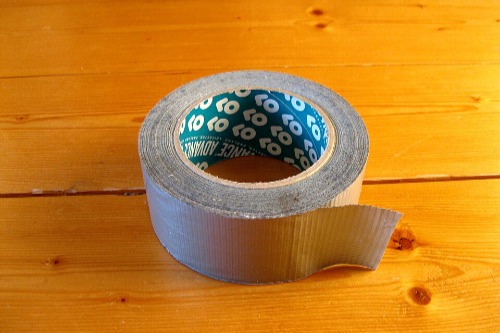
Duct tape earned its reputation as an all-purpose fixer for a reason. Its fabric-reinforced backing resists tearing under tension. That strength lets it temporarily stabilize cracked plastic or loose trim. Many specialty repair tapes are variations on this same layered design.
Wrapping a split hose or cable can buy you safe time until a proper repair. It adheres well to irregular surfaces where rigid patches fail. While not permanent, it reduces stress on damaged areas. That makes it a practical emergency solution in a modern toolkit.
4. Toothpicks for stripped screw holes

The toothpick trick for stripped screw holes has saved countless cabinets. By packing wood fibers into the hole, you recreate material for threads to bite. This increases friction and holding power without new hardware. Modern fillers work similarly but often require curing time.
A few glued toothpicks trimmed flush can stabilize a loose hinge quickly. The repair blends with existing wood once the screw is reinserted. It’s especially useful in softwoods that wear out easily. That immediacy keeps it relevant beside commercial repair kits.
5. Boiling water for greasy drains
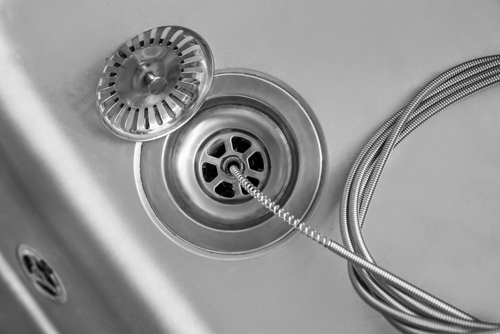
Pouring boiling water down a slow kitchen drain is an old plumber’s first step. Hot water melts and mobilizes grease that has congealed in pipes. This can restore flow when the blockage is primarily fatty residue. Chemical drain openers often rely on heat or reactions to achieve a similar effect.
Following dishwashing with hot water helps prevent buildup in the first place. It’s safest in metal pipes that tolerate temperature swings. Used judiciously, it reduces reliance on harsh chemicals. That makes it a simple maintenance habit with modern relevance.
6. Bar soap for sticky drawers
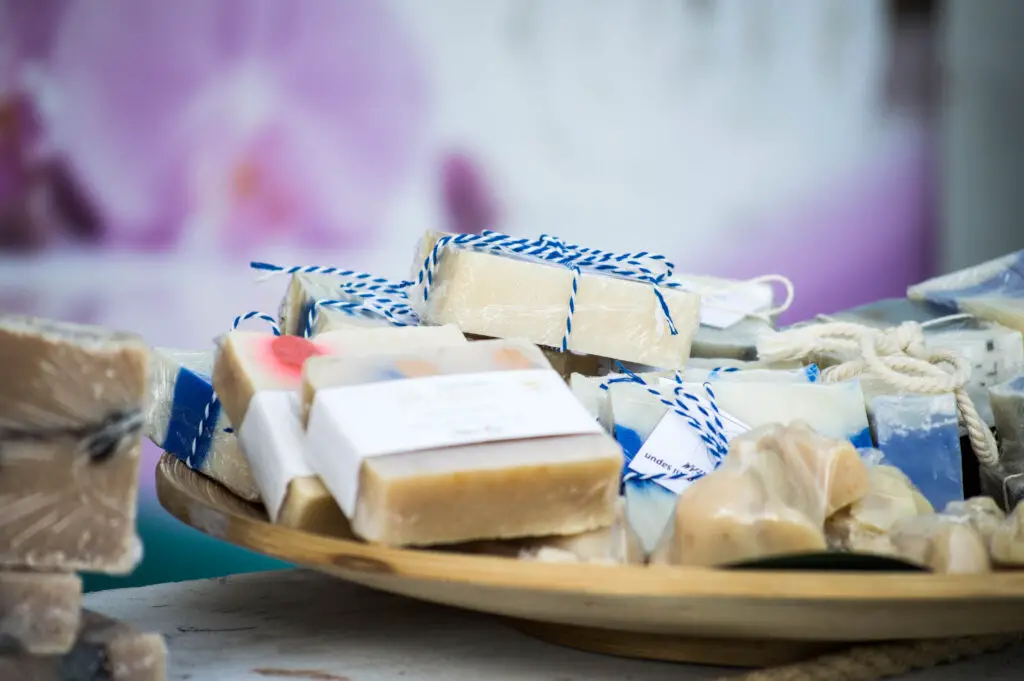
Rubbing a dry bar of soap on sticking drawers is a classic carpenter’s hack. Soap leaves a thin lubricating film on wood contact surfaces. This reduces friction without attracting as much dirt as oils. Many modern dry lubricants aim for the same low-residue glide.
A light pass along runners can quiet squeaks and ease movement. Because soap is solid, it’s easy to control where it goes. The effect lasts surprisingly long under normal household use. That balance of cleanliness and function keeps it in rotation.
7. Newspaper for streak-free glass

Cleaning windows with newspaper predates microfiber cloths by decades. The dense paper fibers provide mild abrasion without scratching glass. They also leave minimal lint compared to some paper towels. Modern glass cloths replicate this smooth, low-shed surface.
Paired with a simple cleaner, newspaper can produce streak-free finishes. The ink is typically soy-based and doesn’t smear like older formulas. Folding the sheets creates multiple clean wiping surfaces. That efficiency explains why the trick persists.
8. Coarse salt as a gentle scrubber
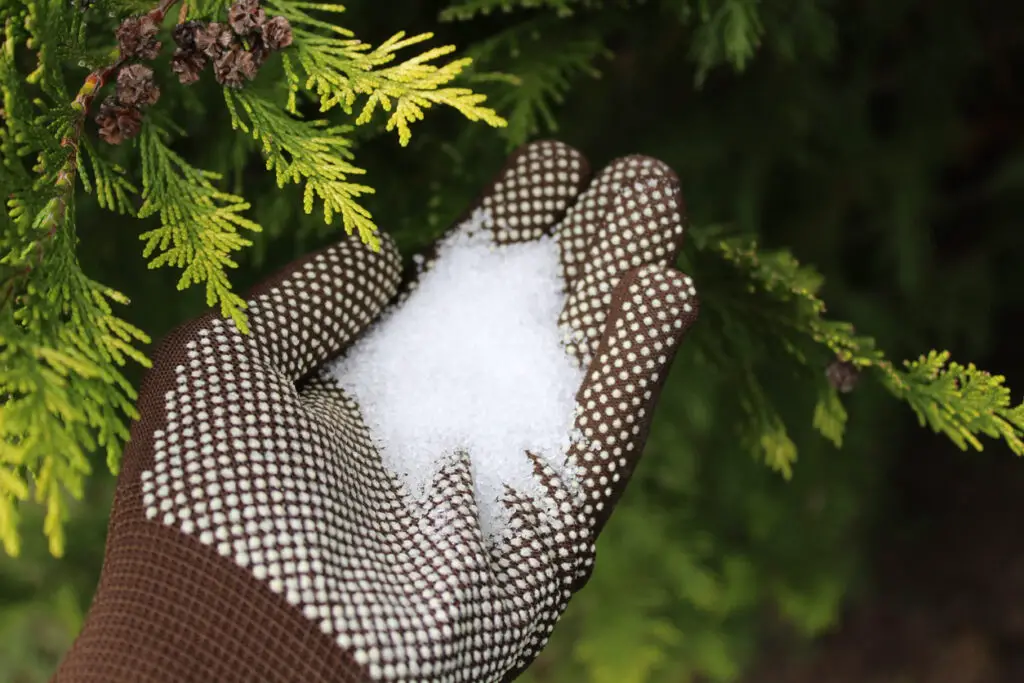
Coarse salt has long been used as a gentle abrasive for cookware. Its crystals scour stuck-on food without gouging metal. This preserves protective surfaces like seasoning layers. Many specialty scrubbers mimic this controlled abrasiveness.
Sprinkling salt into a warm pan loosens residue with minimal effort. It rinses away cleanly, leaving no synthetic fibers behind. Because it’s food-safe, there’s little worry about contamination. That practicality keeps it competitive with modern pads.
9. Rubber bands for stripped screws
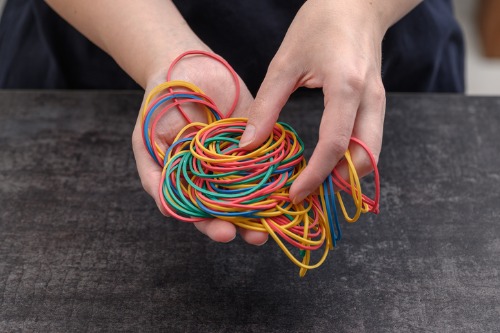
Using a rubber band to remove a stripped screw is a clever friction hack. The elastic material fills gaps between the driver and screw head. This increases contact and reduces cam-out. Specialized extractor bits pursue the same goal with metal teeth.
Stretching the band flat over the screw creates a temporary interface. It works best on lightly stripped fasteners. The method requires no extra tools beyond what’s already nearby. That accessibility makes it a handy first attempt.
10. Coffee grounds for odor control
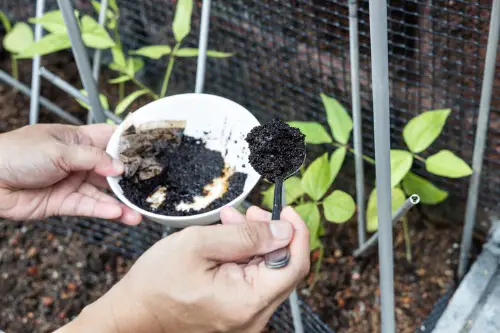
Used coffee grounds have been repurposed as odor absorbers for years. Their porous structure traps and binds smell-causing compounds. This can mellow strong trash or fridge odors. Commercial charcoal filters operate on a similar adsorption principle.
Drying the grounds first prevents excess moisture buildup. A small bowl placed near problem areas works passively. It’s an easy way to reuse a kitchen byproduct. That sustainability adds to its appeal.
11. Candle wax for stubborn screws

Rubbing candle wax on stubborn screws is an old builder’s lubricant trick. Wax reduces friction between threads and surrounding material. This lowers the torque needed to drive fasteners. Modern screw lubricants rely on the same sliding interface concept.
A quick pass over the threads is usually enough. It’s particularly helpful when working with hardwoods. The wax stays in place instead of dripping. That controlled lubrication keeps installations smoother.
This post The Old-School Home Fixes That Still Outperform Modern Solutions was first published on Greenhouse Black.
