
1. The Kitchen That’s a Showpiece vs. the Kitchen That Gets Used

In houses built for selling, the kitchen is often designed to photograph beautifully, with oversized islands and dramatic pendant lights. You’ll see trends pulled straight from model homes by companies like Toll Brothers, where the goal is broad appeal. The finishes are neutral, the countertops are pristine, and the staging includes a bowl of lemons that never move. It looks stunning in a listing, and that’s exactly the point.
In a house built for living, the kitchen layout is shaped by routine, not resale value. The trash pull-out is right where you actually chop vegetables, and the dishwasher opens without blocking a main walkway. There’s a drawer that sticks a little because it’s opened twenty times a day. It may not photograph like a catalog spread, but it works seamlessly at 6:30 on a Tuesday morning.
2. Open Concept Everywhere vs. Rooms With Doors
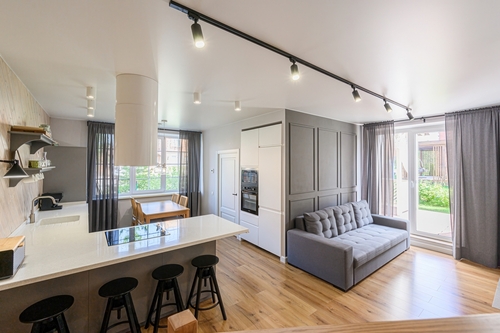
Homes built to sell often lean heavily into open-concept layouts because buyers consistently respond to airy, flexible spaces. Ever since open floor plans surged in popularity in the late 20th century, especially in postwar American suburbs, they’ve become a safe bet for developers. Walls come down to create sightlines from the front door to the backyard. It makes the square footage feel bigger, even if it hasn’t changed.
Homes built for living sometimes bring walls back into the conversation. A door that closes means someone can take a work call while another person watches television. Sound control becomes a priority once real life fills the space with noise. Privacy, not just flow, starts to matter in a tangible way.
3. Trend-Forward Finishes vs. Long-Term Materials
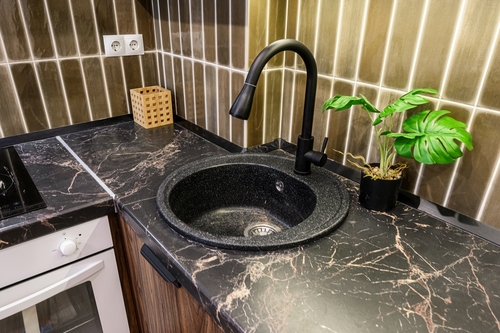
Selling-focused houses often feature what’s current right now, whether that’s matte black hardware or a particular shade of greige paint. Builders pay close attention to what design forecasts and retailers like Sherwin-Williams are promoting for the year. These choices help a home feel up-to-date the moment it hits the market. The goal is to avoid anything that might look dated before the closing papers are signed.
Living-focused homes prioritize durability over trend cycles. Solid wood floors might replace engineered ones because they can be refinished multiple times. Countertops are chosen for how they wear, not just how they gleam under listing photos. The materials tell a story over decades instead of trying to capture a single season of style.
4. Staged Closets vs. Functional Storage
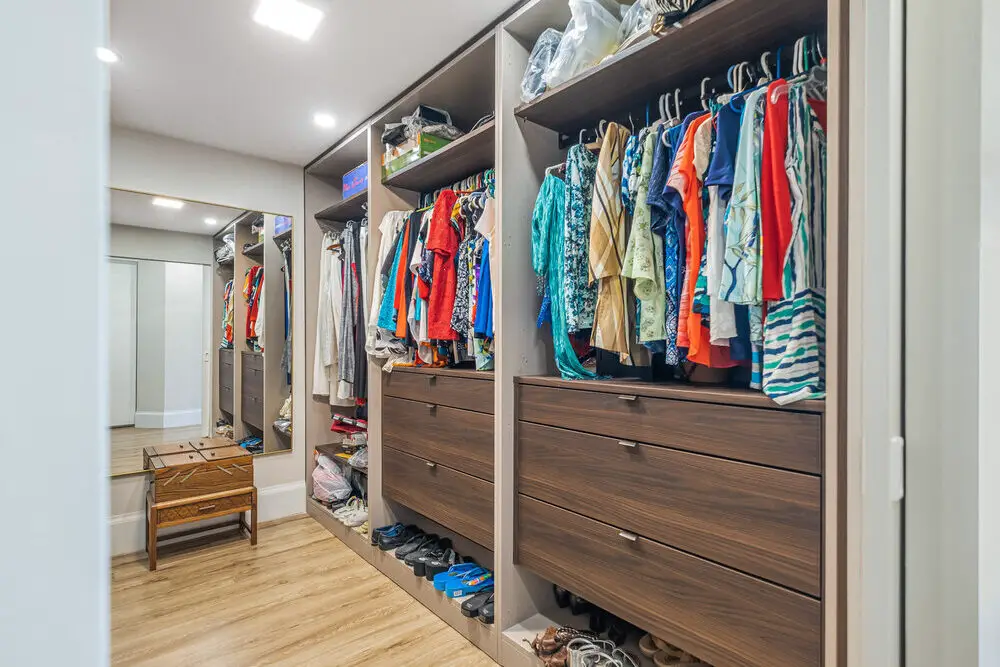
When a house is built to sell, closets are often designed to look expansive during showings. Clothing is spaced generously on hangers, and shelves hold a minimal number of coordinated boxes. The impression is that there’s more than enough room for everything. It’s a visual trick that works surprisingly well.
In a house built for living, storage is measured against real belongings. Hooks are installed at kid height, and bins are labeled for sports gear or holiday decorations. The pantry might be reorganized three times before it finally makes sense. Function evolves as the household does.
5. Curb Appeal vs. Everyday Maintenance
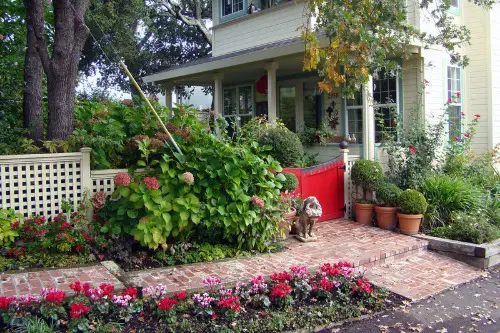
Selling-focused homes invest heavily in first impressions. Landscaping is manicured, often with symmetrical plantings and fresh mulch that frames the entryway. The front door might be painted a bold but broadly appealing color. It’s all about stopping a potential buyer in their tracks.
Living-focused homes consider how much time and money it takes to keep that look going. Native plants may replace high-maintenance shrubs because they require less water and trimming. The lawn might be smaller, or even partially replaced with hardscaping. The focus shifts from admiration at a glance to sustainability over years.
6. The Primary Suite as Retreat vs. Bedroom as Base Camp
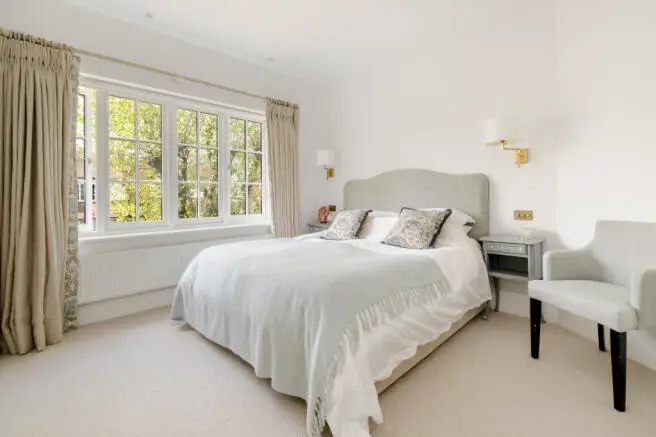
In houses built for selling, the primary suite is marketed as a retreat. Large square footage, a sitting area, and a spa-like bathroom are common selling points. Developers know that buyers often anchor their decision on this space. It becomes an emotional hook during showings.
In houses built for living, the bedroom supports daily rhythms. Blackout curtains matter more than vaulted ceilings. The path from bed to bathroom is considered at 3 a.m., not just during an open house. Comfort and practicality quietly outweigh spectacle.
7. The Home Office After 2020
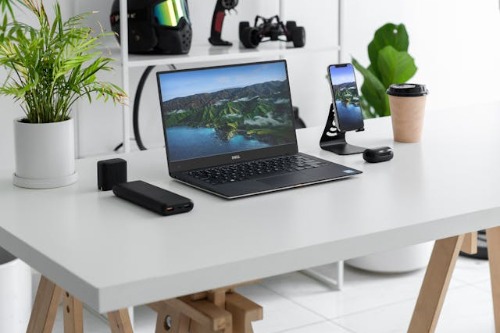
After the shift to remote work accelerated in 2020, many new builds began including designated office spaces. Builders responded quickly to demand, carving out nooks or small rooms labeled as studies. In listings, these spaces are styled with a sleek desk and a single laptop. The implication is productivity without distraction.
In homes built for living, the office evolves with actual work habits. Soundproofing, door placement, and natural light become deeply personal considerations. A second monitor, filing cabinets, and task lighting take up more room than staged photos suggest. The room adapts as careers and schedules change.
8. Builder-Grade Fixtures vs. Carefully Chosen Upgrades

Spec homes designed for selling often rely on builder-grade fixtures to control costs. These fixtures are functional and neutral, meant to offend no one. They’re selected in bulk to streamline construction timelines. Efficiency drives the decision-making.
In homes built for living, light fixtures and faucets are swapped out one by one. A homeowner might choose a specific brand for reliability, such as Delta Faucet Company, based on past experience. The choice reflects preference rather than package pricing. Over time, the house starts to feel distinctly personal.
9. Neutral Palettes vs. Expressive Walls
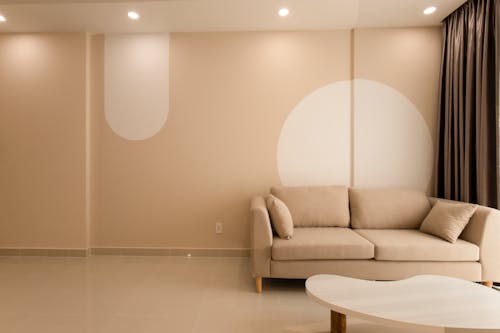
Houses built to sell are typically painted in safe, neutral tones. Soft beiges, off-whites, and light grays dominate because they help buyers imagine their own belongings in the space. Real estate professionals frequently recommend this approach for broader appeal. It minimizes objections during showings.
Houses built for living sometimes take color risks. A deep blue dining room or a patterned wallpaper might not please everyone. But it reflects the taste of the people who wake up there every day. The walls become part of the family narrative.
10. Perfectly Arranged Furniture vs. Lived-In Layouts
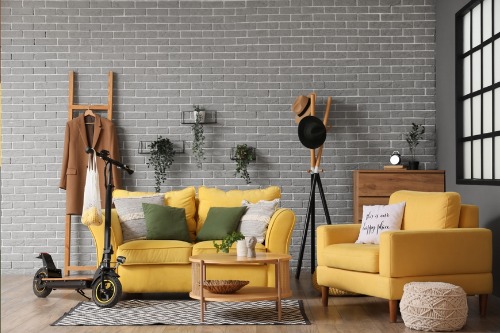
In selling-focused homes, furniture is arranged to highlight square footage and flow. Walkways are wide, and each room has a clearly defined purpose. Staging companies carefully measure and place every piece. The arrangement is optimized for impression, not habit.
In living-focused homes, furniture shifts to match routines. A chair migrates closer to a window because that’s where the light is best for reading. A side table accumulates mail because it’s conveniently near the door. The layout responds to real life rather than an idealized blueprint.
11. Resale Value vs. Emotional Value
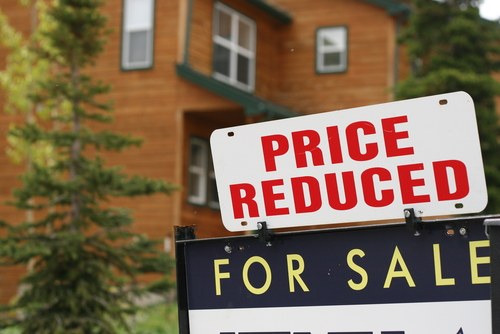
Ultimately, houses built for selling are shaped by market logic. Decisions are filtered through what comparable homes are doing and what buyers expect. Square footage, finishes, and amenities are calibrated to maximize price per square foot. It’s a strategic exercise.
Houses built for living operate on a different metric. The value shows up in pencil marks on a doorframe tracking a child’s height. It lives in the creak of a stair that everyone recognizes. Over time, the house becomes less of a product and more of a container for memory.
This post The Quiet Divide Between Houses Built for Living and Houses Built for Selling was first published on Greenhouse Black.
