
1. Phoenix, Arizona

Phoenix saw explosive growth as buyers chased warm weather and relative affordability. Rising interest rates quickly changed the math for many of those buyers. Monthly payments jumped, even as prices stayed elevated. That combination has cooled demand faster than sellers expected.
Investor activity is also easing in Phoenix. Many short-term and long-term rental buyers are facing softer rent growth. Insurance and maintenance costs in the desert are climbing too. Together, those pressures are making investors more cautious.
2. Austin, Texas
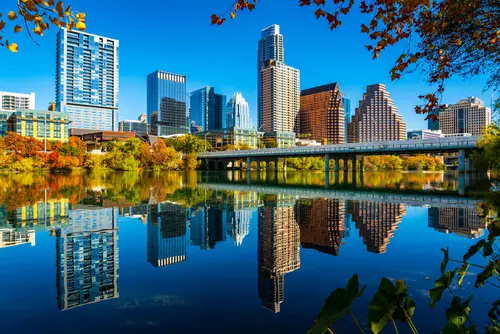
Austin’s housing market cooled after years of breakneck growth driven by tech expansion and in-migration. Higher mortgage rates hit especially hard here because prices had risen so far, so quickly. Many buyers who stretched to afford homes in 2021 and 2022 are now sidelined. The result is fewer bidding wars and noticeably longer days on market.
Another factor is a surge in new construction that finally caught up with demand. Builders added thousands of homes and apartments assuming growth would keep accelerating. When demand softened, inventory started to pile up. That extra supply is quietly shifting leverage away from sellers.
3. Boise, Idaho
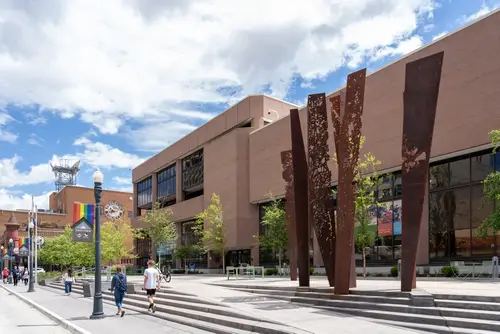
Boise became a poster child for pandemic-era migration, with prices soaring as remote workers flooded in. That influx has slowed, and so has buyer urgency. Many potential buyers are discovering that Boise no longer feels like a bargain compared to larger metros. Price expectations are adjusting downward as a result.
At the same time, local wages haven’t caught up to the earlier price spikes. That affordability gap is limiting local demand. Investors who once saw easy appreciation are stepping back. Without that investor pressure, the market feels calmer and slower.
4. Tampa, Florida
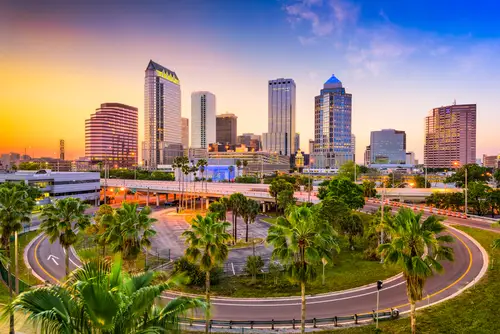
Tampa benefited from a massive wave of relocation during the pandemic. That wave has receded, leaving behind a market priced for constant inflows. Buyers are now more selective and less rushed. Homes that once sold instantly are sitting longer.
Florida’s insurance costs are another drag. Rising homeowners insurance premiums are changing affordability calculations. Some buyers are surprised by total monthly costs after going under contract. That sticker shock is slowing deals at the finish line.
5. Nashville, Tennessee

Nashville’s boom was fueled by job growth, lifestyle appeal, and a strong investor presence. As financing costs rise, investors are pulling back. Short-term rental rules have also tightened, reducing speculative demand. That has taken some of the heat out of the market.
New supply is part of the story as well. Apartments and new subdivisions have come online across the metro area. Rent growth has cooled, signaling less urgency among buyers. Sellers are slowly adjusting to a more balanced market.
6. Raleigh, North Carolina
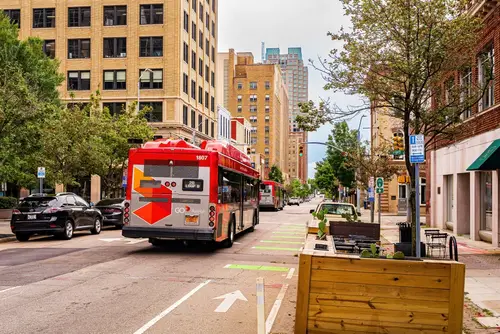
Raleigh attracted buyers with its tech and research jobs and relatively low prices. Those prices aren’t so low anymore, especially relative to local incomes. Higher rates have narrowed the buyer pool. The market is responding with slower sales and more negotiations.
The area has also seen a steady increase in housing supply. Builders anticipated continued population growth and delivered accordingly. With demand softening, that supply is more noticeable. Buyers now have options, which naturally slows things down.
7. Denver, Colorado
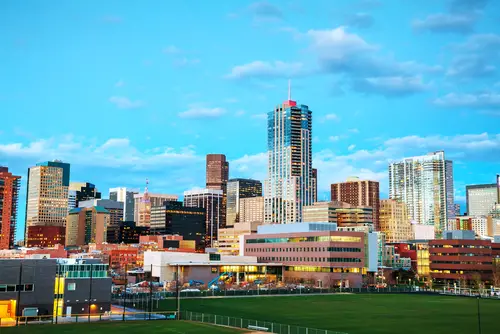
Denver’s housing market surged as remote workers and outdoor enthusiasts moved in. That demand has cooled as remote work decisions stabilize. Some buyers who moved temporarily are reconsidering long-term commitments. The urgency that once defined Denver has faded.
Affordability is a major constraint here. Prices rose faster than wages for years. Rising interest rates pushed many would-be buyers out. The result is a slower, more cautious market.
8. Salt Lake City, Utah
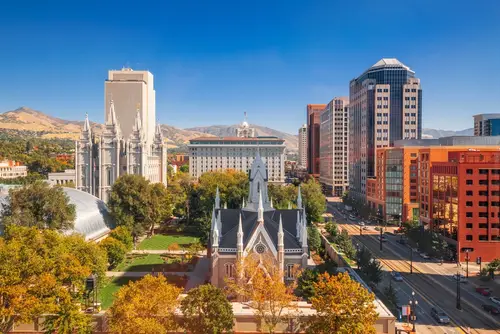
Salt Lake City experienced rapid growth thanks to a strong job market and quality of life. Prices climbed quickly, stretching affordability for local residents. Higher borrowing costs intensified that pressure. Buyers are now pausing rather than rushing in.
Construction has increased across the metro area. More new homes mean less competition for each listing. Sellers are facing buyers who expect concessions. That shift is slowing overall market momentum.
9. Miami, Florida
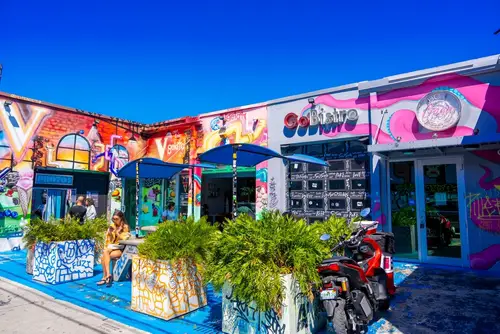
Miami’s boom was driven by high-income relocations and international buyers. While demand remains, it has become more price-sensitive. Rising insurance costs and condo fees are giving buyers pause. Transactions are taking longer to close.
Condos are a particular pressure point. New safety regulations have increased costs for older buildings. Some owners are listing to avoid future expenses. That added inventory is quietly cooling the condo market.
10. Atlanta, Georgia
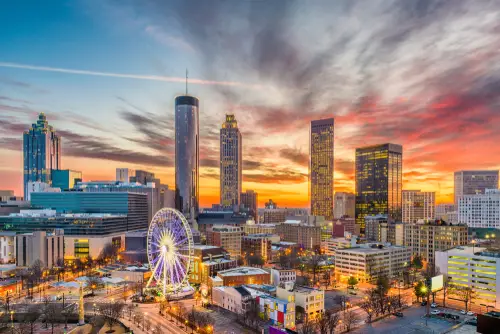
Atlanta benefited from strong job growth and relative affordability. That affordability edge is shrinking as prices rose quickly. Higher interest rates have amplified the slowdown. Buyers are no longer willing to waive inspections or overpay.
Investors are also rethinking Atlanta. Rent growth has normalized after a hot streak. Carrying costs are higher than expected. With less investor competition, the pace of sales has eased.
11. Charlotte, North Carolina
Charlotte’s growth was powered by finance jobs and population inflows. As job growth normalizes, housing demand is doing the same. Buyers are more cautious and budget-conscious. Listings are staying active longer.
New construction is another factor. The metro area added significant inventory over the past few years. That supply is now meeting softer demand. The balance has shifted toward a slower market.
12. San Antonio, Texas
San Antonio saw spillover demand from Austin’s price surge. As Austin cooled, that spillover slowed too. Buyers who once felt priced out are now waiting. The sense of urgency has faded.
Local wage growth hasn’t matched housing cost increases. Higher mortgage rates made that gap more visible. Investors are less aggressive than before. All of this contributes to a quieter market.
13. Las Vegas, Nevada
Las Vegas rebounded strongly after the early pandemic slowdown. Investors and second-home buyers played a big role. Rising rates and softer tourism-related income expectations are changing that outlook. Demand has cooled accordingly.
New home construction has ramped up in the metro area. Builders are offering incentives to move inventory. That’s a clear signal of a slowing market. Buyers are taking their time again.
14. Seattle, Washington
Seattle’s market is closely tied to the tech sector. Layoffs and hiring slowdowns have made buyers more cautious. Even high-income households are hesitating. That uncertainty is showing up in slower sales.
Affordability has long been a challenge in Seattle. Higher mortgage rates pushed monthly payments even higher. Buyers now expect price flexibility from sellers. The result is a quieter, more deliberate housing market.
This post The Quiet Housing Slowdown is Hitting “Boom Towns” First was first published on Greenhouse Black.
