
1. Buyers Are Paying Closer Attention to Materials, Not Just Square Footage
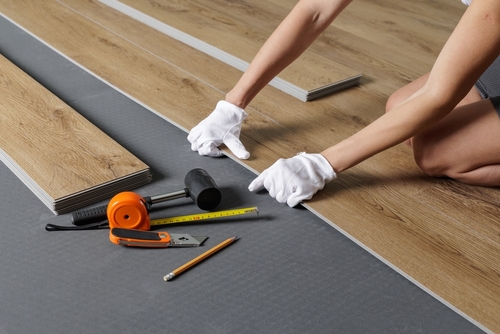
For years, home listings emphasized square footage as the headline metric, but buyers are increasingly asking what those square feet are made of. Materials like solid hardwood floors, natural stone, and well-engineered structural components signal durability and long-term value. This shift partly reflects the rising cost of repairs and renovations, which makes buyers more cautious about hidden shortcuts. A slightly smaller home built with high-quality materials often feels like a safer investment than a larger one filled with builder-grade finishes.
There’s also a growing awareness of lifecycle costs. A house with cheaper materials might look appealing at first, but it can require expensive fixes within a few years. Buyers who have lived through those repairs tend to prioritize construction quality the next time they shop. The result is a noticeable tilt toward craftsmanship and reliability rather than sheer size.
2. Energy Efficiency Is Becoming a Core Feature, Not a Bonus
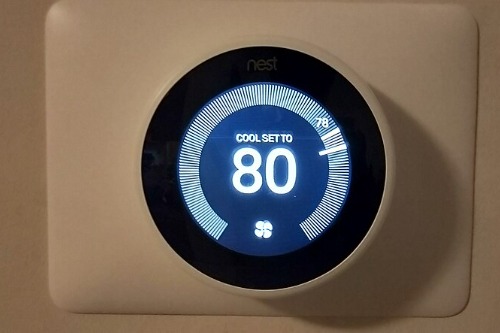
Energy efficiency used to sit in the “nice-to-have” column of buyer wish lists. Now it’s often near the top, especially as energy prices fluctuate and homeowners think more about monthly operating costs. Features like high-performance windows, proper insulation, and modern HVAC systems can dramatically reduce utility bills. Buyers increasingly understand that a well-built home is one that wastes less energy.
This shift is partly driven by transparency in utility data and home performance ratings. When buyers can compare estimated energy costs between properties, efficiency becomes tangible. A slightly smaller home with strong insulation and efficient systems can feel far more comfortable than a larger one that leaks heat or struggles to cool evenly. Comfort, predictability, and lower operating costs are redefining what “better built” means.
3. Layout Quality Is Outweighing Raw Space
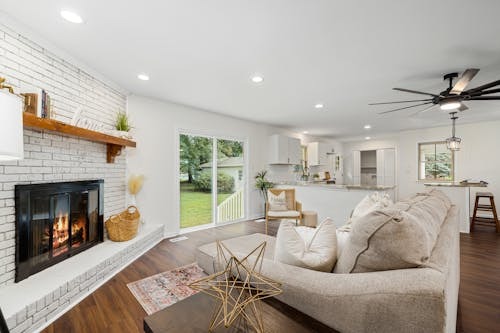
Buyers are increasingly critical of poorly planned square footage. Large homes with awkward hallways, oversized formal rooms, or disconnected spaces can feel inefficient despite their size. A well-designed floor plan that maximizes usable living areas often wins over buyers even if the overall footprint is smaller. Smart layouts make daily life easier, which buyers quickly recognize during showings.
Open sightlines, flexible rooms, and efficient circulation patterns matter more than ever. Many buyers now look for spaces that adapt to multiple uses rather than rooms dedicated to a single purpose. A thoughtfully designed 1,800-square-foot home can feel more livable than a poorly arranged 2,400-square-foot one. That realization is pushing builders and sellers to focus on design intelligence rather than just adding square footage.
4. Buyers Are Asking About Construction Details
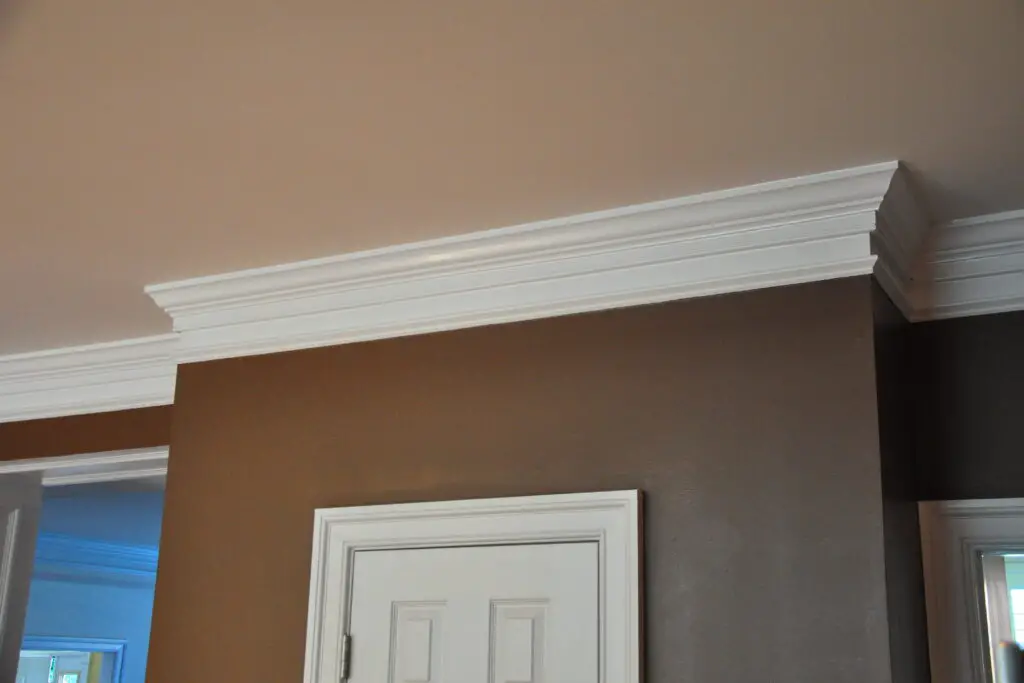
More buyers are asking agents and builders about what’s behind the walls. Questions about insulation types, framing techniques, and moisture barriers come up far more often than they did a decade ago. Online resources and home inspection shows have made buyers more informed about how homes actually perform. That curiosity reflects a broader shift toward evaluating quality rather than just appearance.
Builders who can clearly explain construction practices tend to stand out in competitive markets. Details like advanced framing, proper waterproofing, and high-quality sheathing may not be visible, but buyers increasingly recognize their importance. These elements affect durability, maintenance costs, and even indoor comfort. In other words, structural integrity is becoming part of the sales conversation.
5. Durability Is Taking Priority Over Trendy Finishes
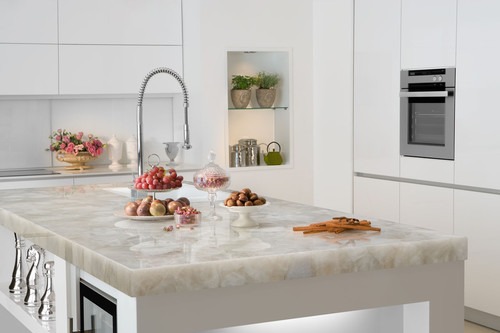
Buyers are starting to think about how a home will age rather than just how it photographs today. Trendy finishes can lose their appeal quickly, especially if they show wear easily. Materials that hold up over time—such as quartz countertops, quality cabinetry, and durable exterior siding—are getting more attention. People want homes that look good for years, not just during the first open house.
This perspective reflects lessons learned from the renovation boom of the past decade. Many homeowners discovered that replacing worn finishes can be expensive and disruptive. Buyers now often prefer neutral, durable materials that won’t require frequent updates. Longevity is quietly becoming a marker of quality construction.
6. Storage and Functionality Are Replacing Extra Rooms
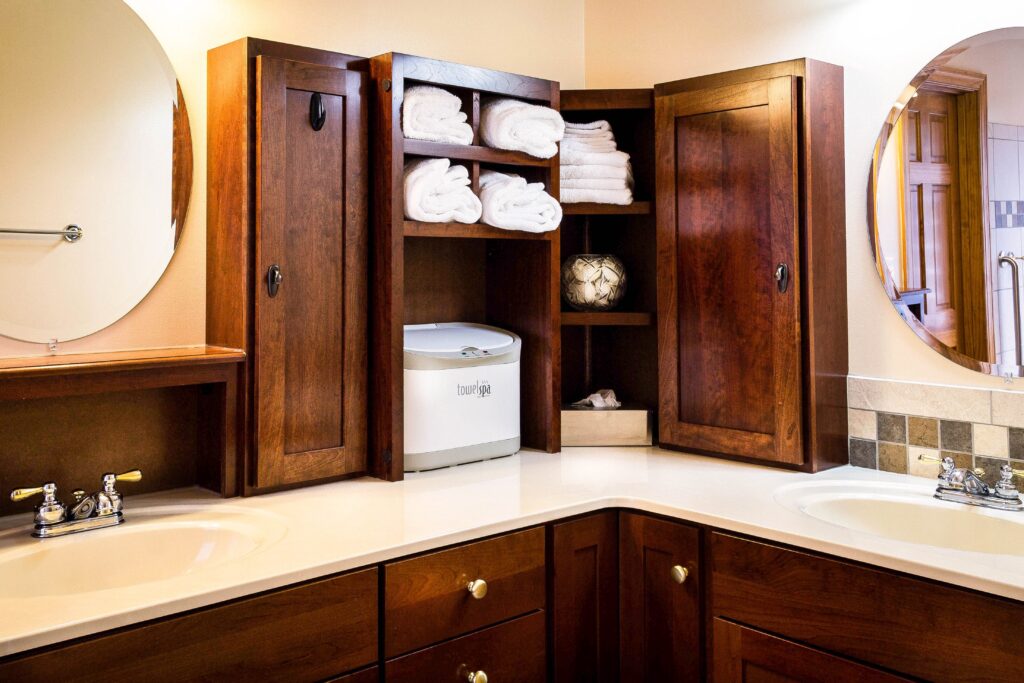
Large homes once showcased extra formal rooms that rarely saw daily use. Today’s buyers often care more about practical storage solutions and functional spaces. Built-in shelving, organized closets, and well-planned mudrooms can make a home feel far more livable. These features show that a builder or designer prioritized everyday functionality.
The change reflects evolving lifestyles and a desire to reduce clutter. Buyers increasingly value spaces that help keep their homes organized and efficient. A smaller house with smart storage can feel calmer and easier to manage. That practicality often outweighs the appeal of an additional seldom-used room.
7. Maintenance Costs Are Part of the Decision

Buyers today are thinking about the long-term cost of owning a home, not just the purchase price. Large homes often come with higher maintenance demands, from roofing and HVAC systems to exterior upkeep. When buyers run the numbers, they sometimes realize a smaller but well-constructed home makes more financial sense. Lower maintenance can translate into less stress and more predictable expenses.
This awareness has grown as homeowners share renovation experiences online. Stories about costly repairs travel quickly, shaping expectations among new buyers. As a result, homes built with durable systems and accessible infrastructure are increasingly appealing. Buyers are looking for properties that won’t constantly demand expensive attention.
8. Indoor Comfort Is Being Measured More Carefully
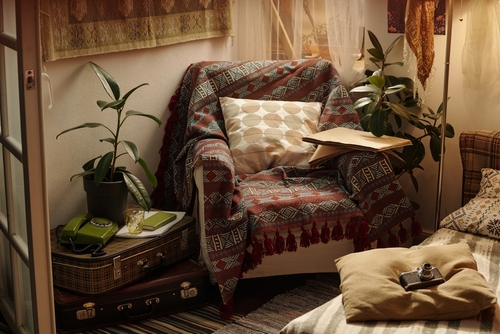
Buyers are paying closer attention to how a home actually feels inside. Temperature consistency, sound insulation, and air quality can vary dramatically depending on how well a house is built. A larger home that suffers from drafts, noise transfer, or uneven heating quickly loses its appeal. Comfort has become a major marker of build quality.
Advances in building science have made these differences more noticeable. Features like better insulation, sealed ductwork, and high-performance windows can make indoor environments quieter and more stable. Buyers increasingly recognize that these improvements contribute to daily well-being. A comfortable home often feels “better built” regardless of its size.
9. Smaller Homes Often Encourage Better Craftsmanship
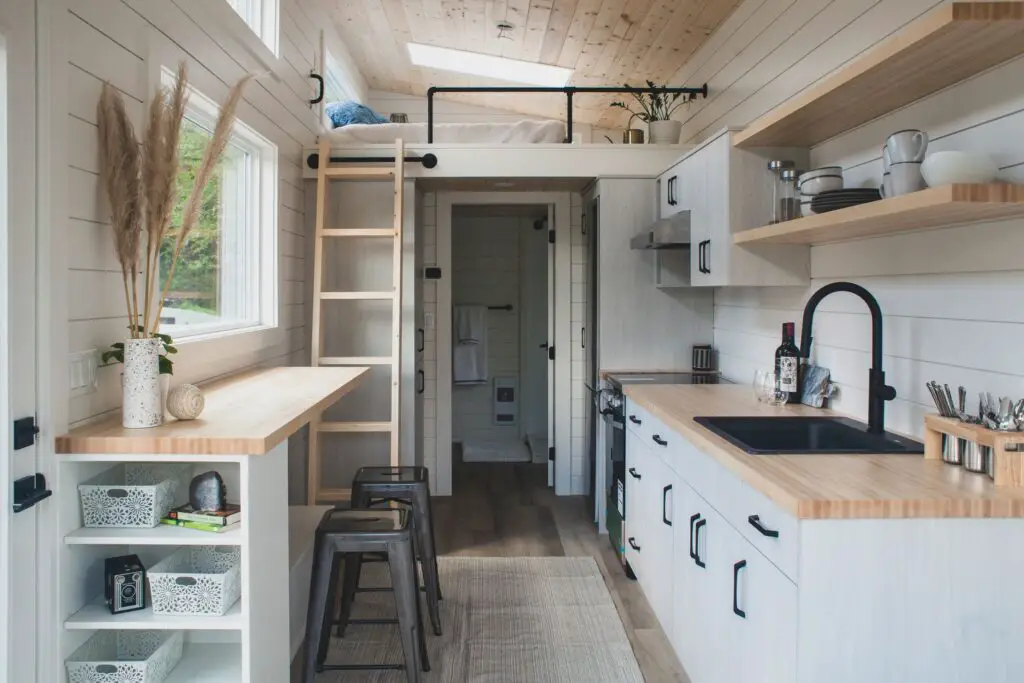
Some buyers are discovering that smaller homes can allow builders to focus more attention on quality. When projects are more manageable in scale, it can be easier to invest in better finishes and construction practices. Instead of stretching budgets to maximize square footage, resources can go toward materials and workmanship. That tradeoff often results in a home that feels more thoughtfully built.
This approach also aligns with growing interest in efficient living. A carefully crafted smaller home can feel distinctive and intentional rather than oversized and generic. Buyers often notice details like custom trim, solid doors, or well-fitted cabinetry. Those touches reinforce the idea that quality can matter more than quantity.
10. Buyers Want Homes That Age Gracefully

Longevity is becoming part of the buying conversation in ways it wasn’t before. Many buyers now ask how a home will hold up over ten or twenty years. Exterior materials like brick, fiber cement siding, and metal roofing are gaining attention because they tend to last longer with less upkeep. The goal is to avoid major replacements soon after moving in.
This long-term thinking reflects a broader shift toward sustainable ownership. A house that requires fewer replacements reduces both costs and environmental impact. Buyers increasingly appreciate designs and materials that age well rather than deteriorate quickly. In that sense, durability is becoming part of the definition of a well-built home.
11. Quality Is Becoming a Status Symbol
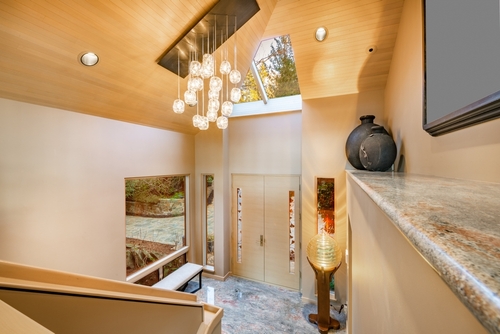
In the past, a large house often served as a visible marker of success. Today, some buyers view well-built homes with thoughtful details as a more meaningful form of status. Features like excellent craftsmanship, efficient systems, and durable materials communicate a different kind of value. Instead of focusing on size alone, the emphasis shifts to how intelligently the home was built.
This cultural shift is subtle but noticeable in many markets. Buyers talk more about performance, longevity, and thoughtful design than they once did. A home that balances quality construction with practical living can feel more impressive than one that simply occupies more space. As priorities evolve, “better built” is quietly becoming the new benchmark.
This post The Quiet Shift From “Bigger” to “Better Built” in Buyer Priorities was first published on Greenhouse Black.
