
1. Scottsdale, Arizona
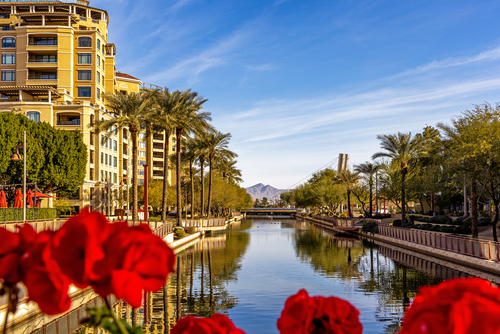
The desert beauty and manicured neighborhoods make Scottsdale feel polished and peaceful at first. Retirees are drawn to the golf culture, walkable Old Town, and excellent medical facilities. Winter weather is a huge selling point, especially for those escaping cold climates. The social scene is active, with clubs and events geared toward older adults.
Then summer arrives, and the reality of months of triple-digit heat sets in. Outdoor activities become limited to early mornings, which changes daily routines more than people anticipate. Seasonal residents leave, and parts of town feel quieter and less connected. Rising housing costs and water concerns also start to weigh more heavily after the initial glow fades.
2. Florida’s Gulf Coast (Sarasota–Bradenton)
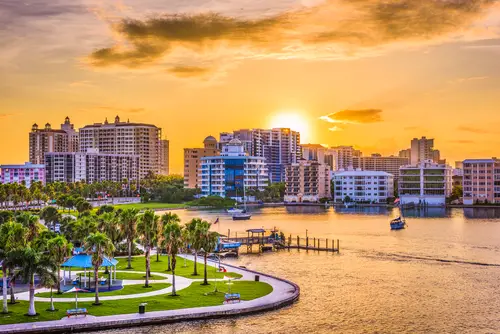
The first year feels like a postcard come to life, with white-sand beaches, warm water, and sunsets that never get old. Newcomers love the casual lifestyle and the idea that winter has been permanently canceled. There’s also a strong healthcare presence, which gives peace of mind early on. Social life initially feels easy, especially with so many other recent transplants.
After year one, the heat and humidity stop feeling charming and start feeling relentless, especially from June through September. Snowbird season flips the script, bringing heavy traffic, crowded restaurants, and longer waits for medical appointments. Housing insurance costs and HOA fees often rise faster than retirees expect. Many people realize they planned for sunshine but not for the cost and congestion that come with popularity.
3. The Villages, Florida
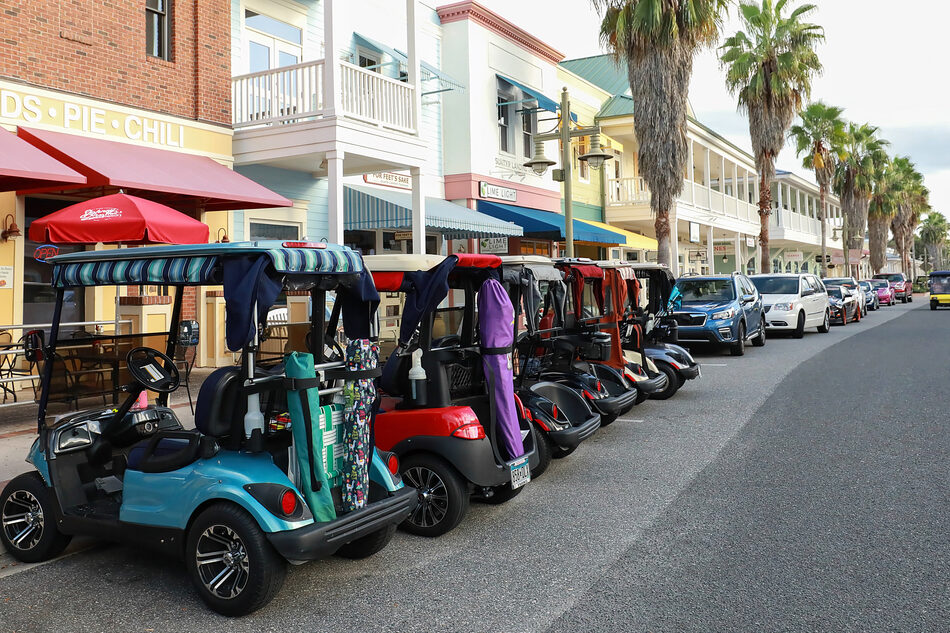
The Villages feels like a retirement fantasy during the first year, with endless activities and instant community. Golf carts replace cars, and it’s easy to meet people who are in the same stage of life. Everything is designed for convenience, which feels freeing at first. Many retirees love the sense of being perpetually busy.
Over time, some residents feel the environment is more insular than expected. The sameness of daily life can start to feel repetitive, especially for people who value variety. Political and cultural homogeneity becomes more noticeable after the novelty wears off. Some retirees realize they miss multigenerational interactions and a broader sense of place.
4. Asheville, North Carolina
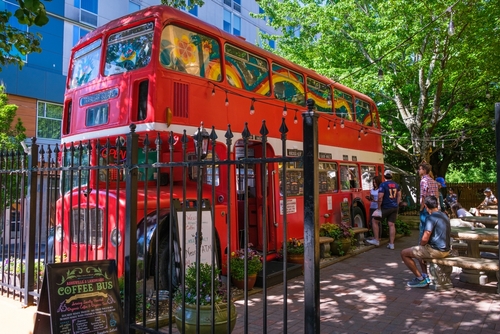
Asheville wins people over quickly with its mountain scenery, artsy vibe, and craft beer culture. The climate feels like a sweet spot, with four seasons but relatively mild winters. New retirees enjoy the walkable downtown and the sense of creativity everywhere. It initially feels like a smaller, more soulful alternative to bigger cities.
After a year, the cost of living surprises many people, especially housing prices relative to local wages. Healthcare access can feel strained, with longer wait times for specialists. Tourist traffic becomes more noticeable during peak seasons, changing how locals experience the city. Some retirees also find the hilly terrain more challenging than they expected over time.
5. Austin, Texas
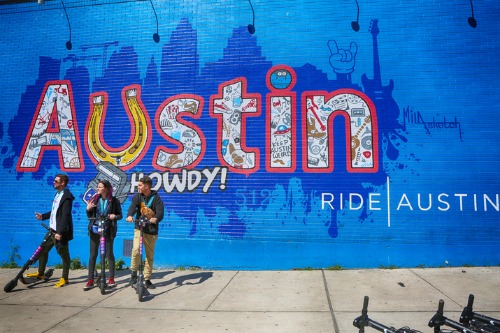
Austin’s energy and music scene make it feel young, vibrant, and full of possibility. Retirees often like being around a mix of ages rather than a purely retirement-focused town. There’s no state income tax, which looks great on paper. The food scene and cultural calendar make the first year feel like an extended adventure.
Then the growth really sinks in, especially traffic and ongoing construction. Summers are hotter and longer than many newcomers anticipate, limiting outdoor enjoyment. Housing taxes and insurance can be higher than expected, even without state income tax. Some retirees realize the city’s pace doesn’t slow down just because they did.
6. Santa Fe, New Mexico
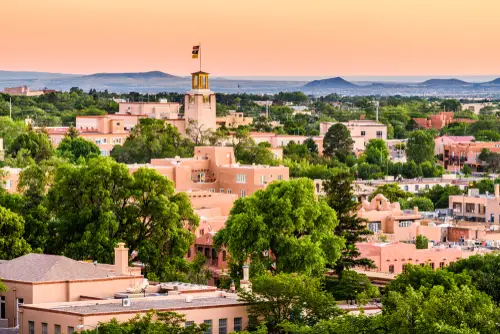
Santa Fe feels unique right away, with its adobe architecture, art scene, and deep cultural roots. Retirees are drawn to the slower pace and strong sense of place. The high desert climate offers sunshine without the extreme heat of lower elevations. It feels like living inside a gallery for the first year.
Over time, the city’s small size becomes more apparent, especially when it comes to shopping and dining options. Healthcare access can be limited, requiring trips to Albuquerque for certain services. The cost of living, particularly housing, often feels high for what the city offers day to day. Some retirees also feel socially disconnected if they don’t already have ties to the area.
7. Naples, Florida
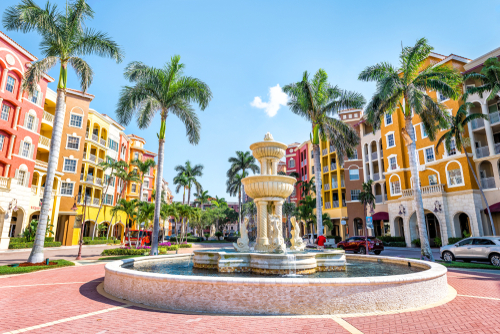
Naples impresses immediately with its cleanliness, beaches, and upscale feel. Many retirees enjoy the calm atmosphere and well-funded local amenities. The city feels safe and orderly, which brings comfort early on. Healthcare options are strong, reinforcing the sense of security.
After a year, the exclusivity can start to feel isolating. Social life often revolves around wealth, clubs, and memberships, which isn’t comfortable for everyone. Seasonal population swings make it harder to maintain consistent friendships. Some retirees also struggle with the lack of cultural diversity compared to larger metro areas.
8. Boise, Idaho

Boise feels like a hidden gem at first, with easy access to nature and a friendly downtown. Retirees appreciate the slower pace and strong community feel. Outdoor activities like walking the Greenbelt or hiking nearby trails are big draws. The city initially feels affordable compared to coastal markets.
As time goes on, winters feel longer and colder than expected, especially for people coming from milder climates. Rapid growth has driven up housing costs, surprising many newcomers. Cultural and dining options are more limited than they seemed during the honeymoon phase. Some retirees also find travel connections less convenient than anticipated.
9. Charleston, South Carolina
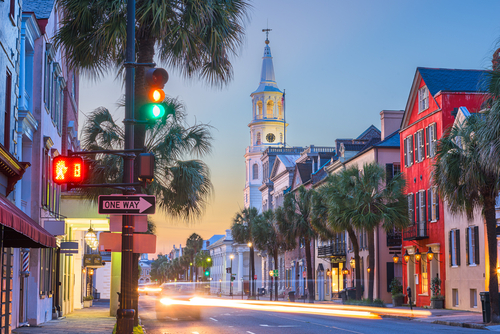
Charleston charms people immediately with its history, architecture, and coastal scenery. Retirees love the walkable historic areas and rich food culture. The city feels elegant without being overwhelming at first. Mild winters are a major plus for newcomers.
After the first year, humidity and heat become harder to ignore. Flooding and hurricane concerns feel more real once you’ve lived through a season or two. Tourist crowds can make everyday errands feel like an obstacle course. Housing and insurance costs also tend to rise faster than expected.
10. Palm Springs, California
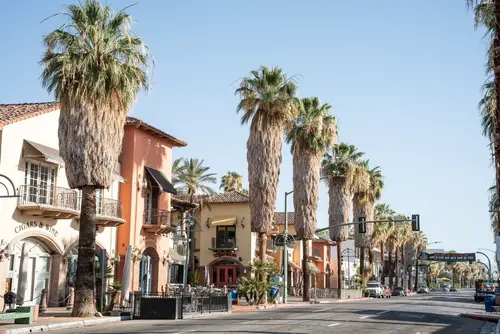
Palm Springs offers sunshine, mountain views, and a relaxed resort vibe that feels perfect at first. Retirees enjoy the mid-century aesthetic and strong LGBTQ+ community. Winter social life is lively, with events and visitors everywhere. It initially feels like living in a permanent vacation zone.
Then summer hits, and the extreme heat reshapes daily life for months. Many seasonal residents leave, changing the social dynamic significantly. The cost of living, especially utilities and housing, becomes more noticeable. Some retirees realize the area feels too quiet once the snowbirds depart.
11. Bend, Oregon
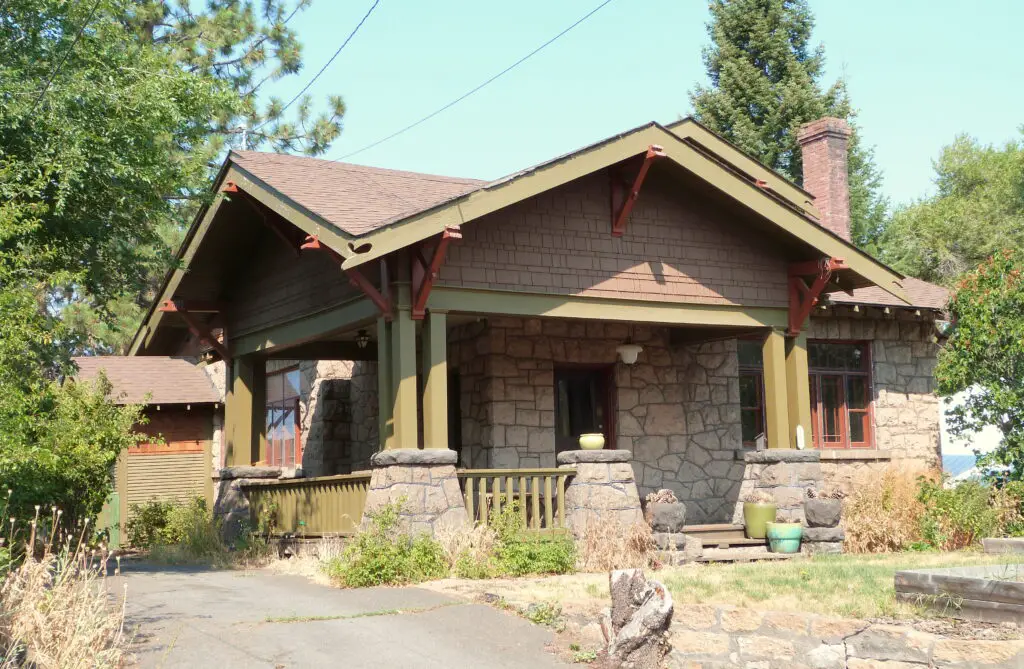
Bend attracts retirees with its outdoor lifestyle, clean air, and scenic surroundings. The town feels active and health-focused, which is appealing early on. Craft breweries and river access make the first year feel fun and social. It initially seems like a perfect balance of nature and comfort.
Over time, housing affordability becomes a major concern, as prices have risen sharply. Healthcare options are limited for a town of its size, especially for specialized care. Winters can feel long and gray, particularly for those used to more sun. Some retirees also find the community harder to break into socially than expected.
12. Savannah, Georgia
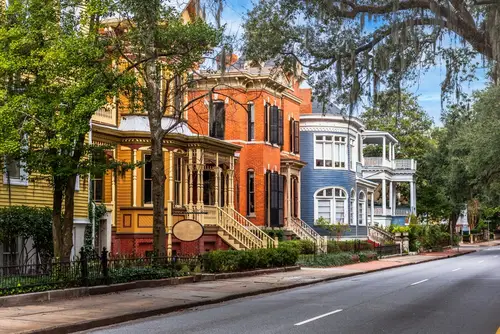
Savannah’s charm is immediate, with its historic squares and slower Southern pace. Retirees enjoy the beauty and walkability of the historic district. The cost of living initially feels manageable compared to larger cities. It feels like a place where life naturally slows down.
After a year, the humidity and bugs become harder to overlook. Job scarcity and lower wages affect local services, which retirees notice over time. Healthcare options are more limited than newcomers often expect. Some people also find the city’s charm doesn’t always translate into day-to-day convenience.
13. San Diego, California
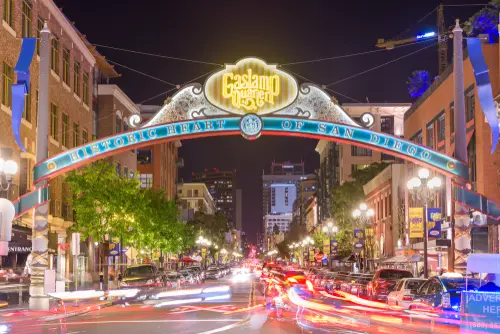
San Diego feels almost unbeatable at first, with near-perfect weather and ocean access. Retirees love the outdoor lifestyle and strong healthcare infrastructure. Neighborhoods feel distinct and full of character. The first year often feels like a dream upgrade.
Then the cost of living becomes impossible to ignore, especially housing and taxes. Traffic and sprawl make getting around more tiring over time. Some retirees find it harder to build community in such a large, busy metro area. The lifestyle is incredible, but it demands a higher financial and emotional tolerance than many expect.
This post The Retirement Dream Places That Start to Feel Different After Year One was first published on Greenhouse Black.
