
1. Myrtle Beach, South Carolina
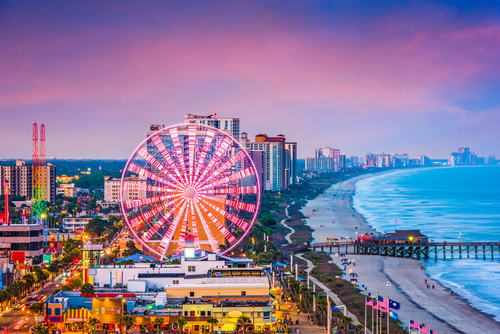
Myrtle Beach is popular for its beaches and affordable homes. It feels relaxed and welcoming at first. The population swells dramatically during tourist season. Traffic and noise can disrupt daily routines.
Healthcare capacity is a frequent concern for retirees. Specialized care often requires travel inland. Hurricane season brings stress and insurance worries. After real life sets in, some find the town less comfortable than expected.
2. Phoenix, Arizona

Phoenix draws retirees with affordable homes, golf communities, and endless sunshine. The first mild winter can feel like a reward for decades of cold weather. By July, daily temperatures regularly exceed 110 degrees. Many retirees find themselves trapped indoors for months, which isn’t what they imagined.
Extreme heat also affects health, especially for those with heart or respiratory conditions. Simple activities like walking the dog or grocery shopping require careful planning. Rapid population growth has strained healthcare systems and increased wait times for specialists. Water concerns and rising utility bills add another layer of stress over time.
3. Las Vegas, Nevada
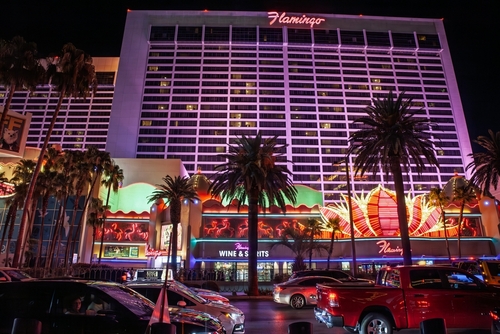
Las Vegas appeals to retirees with no state income tax and relatively affordable housing. Entertainment, dining, and flights to see family are easy at first. Day-to-day life, however, is very different from visiting the Strip. The sprawl and car dependence can feel isolating for older residents.
Healthcare access is a frequent complaint among retirees. Southern Nevada has long faced shortages of doctors and specialists. Summer heat is extreme, similar to Phoenix, and limits outdoor activity. Once novelty fades, many miss a stronger sense of community.
4. Austin, Texas

Austin attracts retirees with its culture, music scene, and lack of state income tax. It feels vibrant and youthful compared to traditional retirement towns. What catches people off guard is how fast the city has grown. Traffic, construction, and crowds can quickly wear on daily life.
Property taxes in Texas are high, and Austin’s rising home values make them even steeper. Fixed incomes can feel stretched year after year. Summers are long, hot, and increasingly humid. Some retirees realize they moved into a boomtown rather than a place to slow down.
5. Nashville, Tennessee

Nashville promises culture, music, and a friendly Southern feel. Retirees often expect a lower cost of living than larger coastal cities. In reality, housing prices have surged due to rapid in-migration. Many newcomers are surprised by how competitive the market has become.
Traffic congestion has increased significantly, especially around medical centers. Healthcare quality is strong, but access can involve long drives and delays. Summers are hot and humid, which limits outdoor activities. Over time, the city can feel more hectic than retirees anticipated.
6. Palm Springs, California
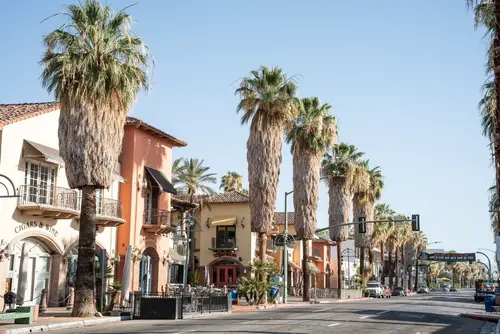
Palm Springs looks ideal with its mid-century charm and resort lifestyle. Winters are pleasant and social calendars fill up fast. Summers, however, are brutally hot, with weeks over 110 degrees. Many retirees end up leaving town for months just to cope.
California’s overall cost of living can be a shock on a fixed income. Housing, utilities, and taxes add up quickly. Access to specialized healthcare often requires travel to larger cities. What starts as glamorous can feel impractical for everyday aging.
7. San Diego, California
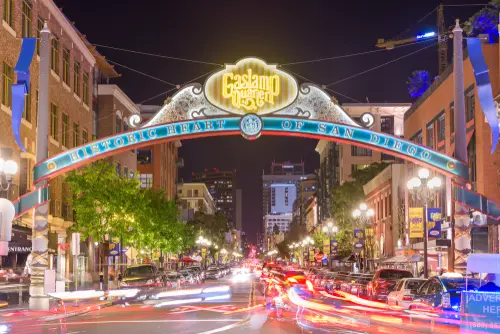
San Diego offers near-perfect weather and beautiful coastal views. It feels like a place where you can stay active forever. The problem is that everyone else thinks so too. Housing costs are among the highest in the country.
Even retirees who bought years ago feel pressure from rising taxes and insurance. Everyday expenses like groceries and gas are consistently high. Healthcare is excellent but often expensive and competitive. Many retirees eventually realize the lifestyle comes with constant financial tension.
8. Asheville, North Carolina
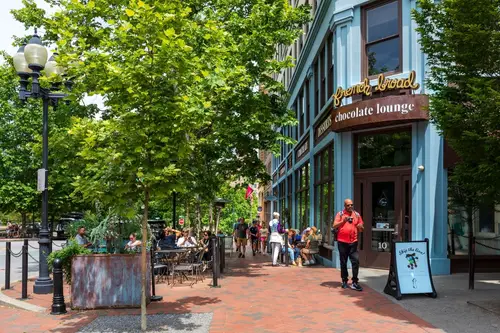
Asheville attracts retirees with mountains, arts, and a laid-back vibe. It feels charming and manageable during a short visit. Rapid growth has changed the reality of living there full-time. Housing shortages have driven prices far above what many expect.
Healthcare access is a common frustration, especially for specialists. The region serves a large rural population, which strains resources. Traffic bottlenecks through mountain roads can be stressful. Some retirees miss the ease and convenience they left behind.
9. Santa Fe, New Mexico
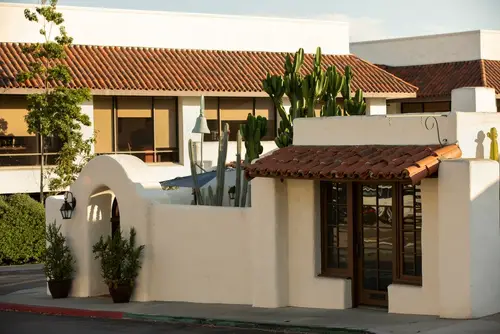
Santa Fe appeals with its culture, history, and slower pace. The scenery and arts scene feel enriching at first. Living at over 7,000 feet can affect energy and health. Altitude-related issues surprise many newcomers.
Specialized healthcare options are limited locally. Many retirees must travel to Albuquerque or beyond for care. Housing costs have risen sharply relative to local services. The isolation can feel heavier as practical needs increase.
10. Bozeman, Montana
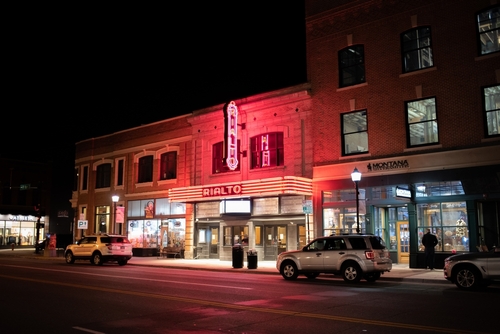
Bozeman draws retirees dreaming of outdoor adventure and small-town life. The natural beauty is undeniable. Winters are long, cold, and demanding. Snow, ice, and limited daylight can make daily tasks difficult.
Rapid growth has driven housing costs to unexpected levels. Healthcare options are limited compared to larger cities. Traveling for specialized care often means long drives. Some retirees realize the lifestyle requires more stamina than they have.
11. Denver, Colorado

Denver offers sunshine, scenery, and access to the outdoors. Many retirees imagine an active, healthy lifestyle. The city’s altitude can exacerbate heart and breathing issues. This becomes more noticeable with age.
Housing and property taxes have increased steadily. Traffic and sprawl make appointments and errands time-consuming. Winters can still be harsh despite the sunny reputation. The city can feel less retiree-friendly than expected.
12. Honolulu, Hawaii
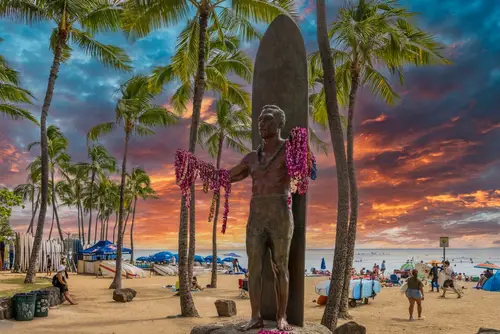
Honolulu feels like paradise with ocean views and mild weather. Retirees often underestimate the reality of island living. Everything from groceries to utilities costs more. Distance from family can feel much larger over time.
Healthcare quality is good but limited by geography. Specialized treatment often requires travel to the mainland. Insurance and housing costs are among the highest in the nation. Many retirees eventually miss affordability and convenience.
13. South Florida (Miami–Fort Lauderdale)

Many retirees arrive in South Florida chasing sunshine, no state income tax, and the promise of an active social life. It feels like a permanent vacation during the first winter. Then summer hits with months of intense heat, humidity, and daily thunderstorms. The weather alone can make routine errands feel exhausting instead of enjoyable.
What really surprises people is the cost of staying insured. Homeowners and flood insurance premiums have risen sharply in recent years, even for condos. Healthcare is available, but popular practices often have long waits for new patients. Add hurricane prep anxiety every season, and the dream can start to feel like work.
This post The Retirement Moves That Feel Right — Until Real Life Starts was first published on Greenhouse Black.
