
1. Offer help, but don’t hover

Seasoned RVers keep an eye out for neighbors who might need assistance. A simple offer can make backing in or troubleshooting much easier. They share knowledge without talking down to anyone. Community is part of the camping culture.
At the same time, they respect independence. Not everyone wants unsolicited instruction or commentary. Experienced travelers read the room before stepping in. Balanced help builds goodwill instead of tension.
2. Quiet hours are sacred
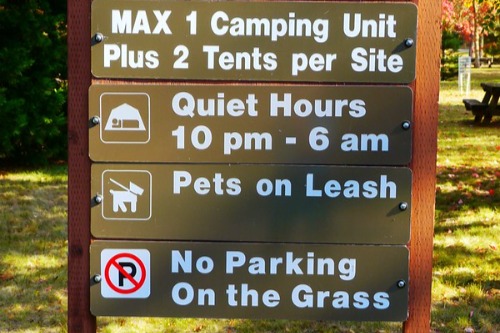
Experienced RVers treat quiet hours like a promise, not a suggestion. They lower voices, music, and outdoor activity as the clock approaches the posted time. This isn’t about being uptight, it’s about respecting that walls are thin and sleep matters. A peaceful night keeps everyone happier and more patient the next day.
Breaking quiet hours can escalate tensions faster than almost anything in a campground. Rangers and hosts often enforce them because complaints pile up quickly. Seasoned travelers know a good reputation follows you from park to park. Keeping things calm at night is a simple way to stay welcome.
3. Dump station etiquette is non-negotiable
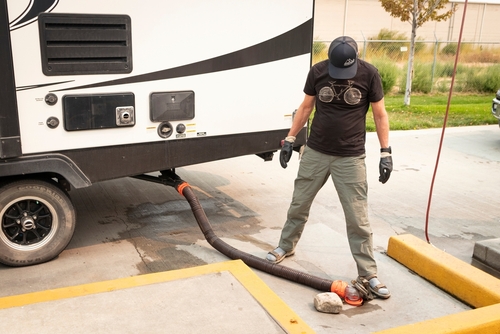
Seasoned RVers approach dump stations with a clear plan and the right gear ready. They connect hoses carefully to prevent spills and double-check seals. This protects sanitation and keeps the area usable for everyone. Clean technique is a basic courtesy in a shared utility space.
They also move along as soon as they’re finished instead of lingering. Dump stations can develop lines quickly, especially on checkout mornings. Wiping down the area and rinsing if needed is considered good form. Leaving it clean is a quiet favor to the next traveler.
4. Respect campsite boundaries

Experienced campers treat invisible campsite lines as very real. They keep chairs, mats, and gear within their assigned footprint. This prevents awkward encroachment into someone else’s relaxation zone. Personal space matters more when you’re living outdoors.
Cutting through another site is also avoided whenever possible. Even if it looks like a shortcut, it can feel intrusive. Veteran RVers walk the extra distance without complaint. That small effort preserves a sense of privacy for everyone.
5. Drive like kids and pets are everywhere

Long-time RVers assume a campground is full of blind corners and sudden surprises. They keep speeds low even when the road looks clear. Children, pets, and cyclists can appear quickly between rigs. Slow driving is a safety habit, not a restriction to resent.
Many parks post low speed limits for exactly this reason. Experienced travelers follow them without pushing the edge. Dust, noise, and risk all drop when speeds stay modest. It’s one of the easiest ways to protect your neighbors.
6. Generator use is timed and considerate
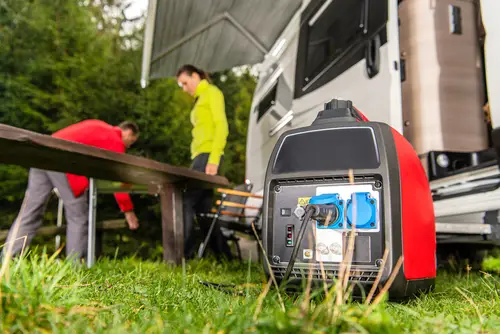
Veteran RVers treat generators as a last resort, not background noise. They run them during posted hours and shut them down promptly. Constant engine hum carries farther than most people expect. Limiting runtime keeps the soundscape livable.
They also position exhaust away from neighboring sites when possible. Fumes and vibration can travel in tight loops of campsites. Thoughtful placement shows awareness of shared air and space. It’s about comfort as much as compliance.
7. Pets are managed, not assumed welcome
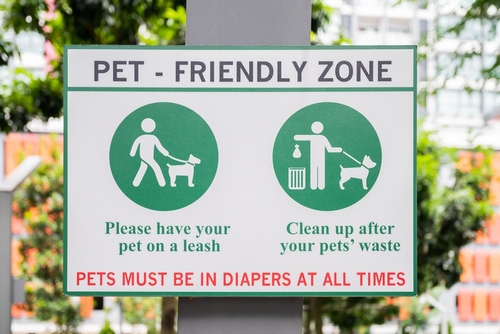
Experienced RVers keep pets leashed and under control at all times. Even friendly animals can startle strangers or other pets. Leash rules exist to prevent bites, fights, and runaway scares. Responsible handling protects everyone involved.
They also stay diligent about waste pickup. Leaving messes behind quickly damages campground goodwill. Clean sites are a collective effort that seasoned travelers take seriously. It signals respect for both nature and neighbors.
8. Hookups are used within safe limits
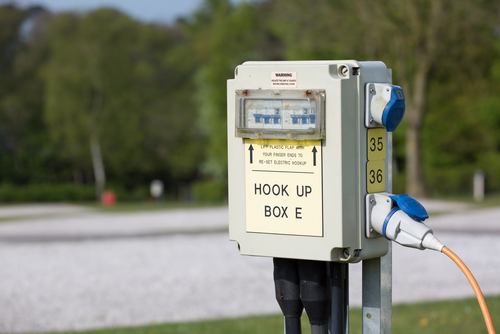
Veteran RVers pay attention to electrical load instead of plugging in everything blindly. They understand that campground systems have limits. Overloading circuits can trip breakers or damage equipment. Smart power use protects both your rig and the pedestal.
Water connections get the same careful treatment. Pressure regulators and secure hoses prevent bursts and leaks. A flooded site is disruptive and avoidable. Proper hookups show you know how shared infrastructure works.
9. Trash is handled immediately and correctly

Experienced campers never let garbage pile up outside the rig. Food scraps attract wildlife and insects quickly. Secure disposal keeps animals safe and campsites clean. It also prevents unpleasant smells from drifting.
They follow park rules about recycling and designated bins. Dumping in the wrong place can create extra work for staff. Seasoned RVers treat trash management as part of setup and teardown. Clean habits maintain the campground’s quality.
10. Arrival and departure are low-drama affairs
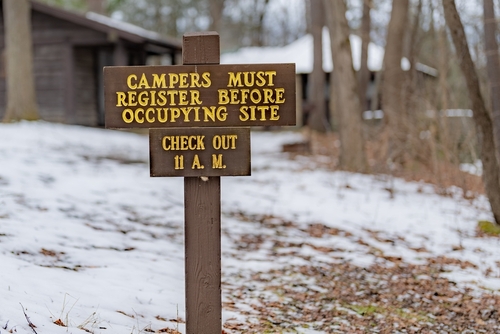
Veteran RVers plan arrivals during reasonable hours whenever possible. Rolling in late with bright lights and loud setup disturbs settled neighbors. They prep gear so setup is efficient and quiet. Smooth arrivals reduce stress for everyone.
Departures get the same thoughtful treatment. Slamming compartments at dawn is avoided unless absolutely necessary. Experienced travelers organize ahead to minimize noise. Courtesy during transitions keeps the campground atmosphere friendly.
11. Level your rig properly and promptly
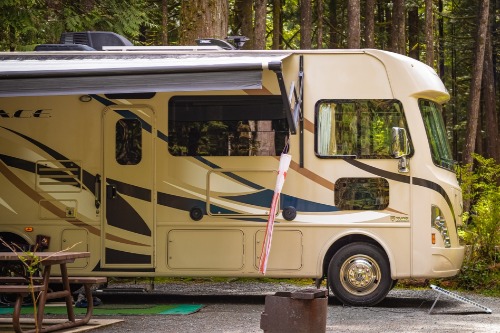
Veteran RVers make leveling one of their first priorities after parking. A tilted rig isn’t just uncomfortable, it can affect appliances designed to run flat. Refrigerators, for example, rely on proper orientation to cool efficiently. Taking a few extra minutes saves headaches later.
Dragging out the leveling process can block roads or make neighbors wait. Experienced campers aim to get stable without turning setup into a spectacle. Quick, competent leveling shows you understand shared spaces. It also reduces the risk of shifting or door alignment issues inside.
This post The Silent Rules Experienced RVers Never Break was first published on Greenhouse Black.
