
1. Mental arithmetic
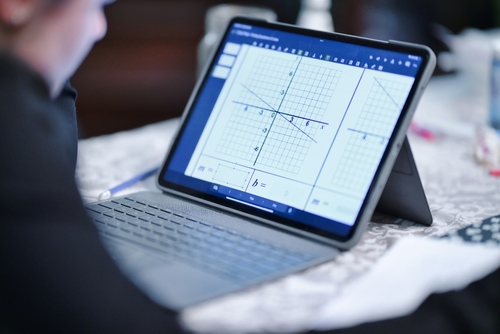
There was a time when calculating a tip or splitting a bill meant doing math in your head. Now calculators live in every phone, watch, and browser tab, quietly taking over that role. This shift makes sense because digital math is faster and more precise for complex tasks. Still, it means fewer people regularly practice basic number manipulation.
Mental arithmetic mattered because it built numerical intuition, not just correct answers. Estimating totals helped people catch mistakes and understand scale. Today, many people can get the right result without knowing whether it makes sense. The skill wasn’t eliminated, but it’s rarely exercised unless something goes wrong.
2. Reading and navigating with paper maps
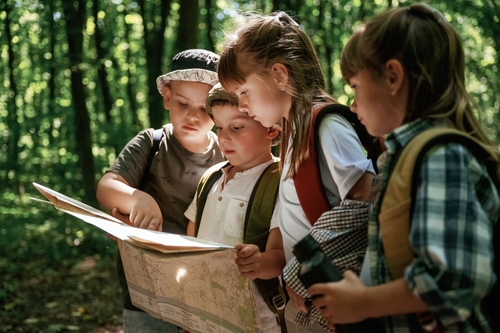
Paper maps once required you to understand orientation, distance, and landmarks all at once. GPS navigation now gives turn-by-turn instructions, reducing the need to interpret spatial information. This is included because it’s a clear example of a cognitive task being outsourced. The convenience is real, especially in unfamiliar places.
Map reading trained people to build mental models of geography. You learned how streets related to each other, not just where to turn next. With GPS, many people reach destinations without knowing how they got there. As a result, spatial awareness can fade if it’s never challenged.
3. Memorizing phone numbers

People used to know dozens of phone numbers by heart, especially for family and close friends. Smartphones store and recall contacts instantly, making memorization unnecessary. This change is easy to verify by asking how many numbers someone can recite today. The answer is usually very few.
Remembering numbers exercised short- and long-term memory in practical ways. It also provided resilience when devices failed or were unavailable. Now, losing a phone can mean losing access to social connections. The skill still exists, but modern systems rarely require it.
4. Basic home repairs
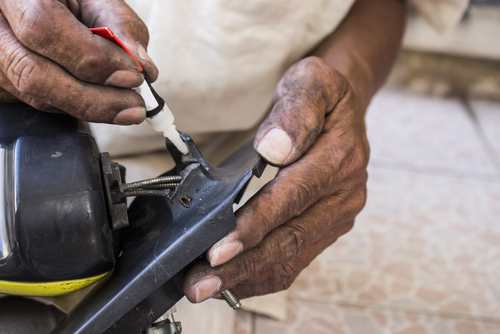
Many households once handled simple fixes like replacing washers or patching small holes. Today, inexpensive replacements and professional services often feel easier than learning repairs. This belongs on the list because consumer design increasingly favors replacement over maintenance. Products are also less repair-friendly than they used to be.
Basic repair skills saved money and extended the life of household items. They also created familiarity with how everyday systems worked. Modern living reduces the need to understand those systems at all. The tradeoff is convenience for knowledge and self-sufficiency.
5. Writing long-form letters by hand

Handwritten letters were once a primary way to maintain long-distance relationships. Email and messaging apps now dominate personal communication. This replacement is specific because it changed not just speed, but tone and effort. Writing by hand is slower and more deliberate.
Long-form handwriting encouraged reflection and sustained attention. It also reinforced fine motor skills and spelling through repetition. Digital text allows for quick edits and shortcuts that reduce friction. As a result, fewer people regularly practice extended handwriting.
6. Cooking from memory without step-by-step recipes
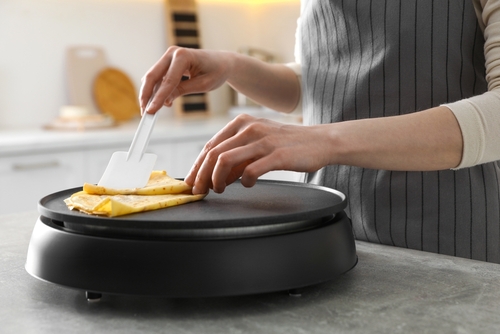
Home cooks once relied on memorized ratios and techniques passed down over time. Today, searchable recipes and video tutorials guide nearly every step. This is included because it shows how knowledge has shifted from internal to external storage. You can cook well without remembering much at all.
Cooking from memory builds intuition about flavors, timing, and substitutions. It allows flexibility when ingredients or tools change. Following a recipe exactly doesn’t require the same adaptive thinking. The skill hasn’t disappeared, but it’s no longer required for everyday cooking.
7. Asking strangers for directions

Before smartphones, getting lost often meant talking to someone nearby. GPS removed that need almost entirely in many places. This matters because it replaced a small but frequent social interaction. It also reduced reliance on local knowledge.
Asking for directions required clear communication and listening. It also created brief moments of trust between strangers. Now, many people navigate entire cities without speaking to anyone. The social skill still exists, but fewer situations call for it.
8. Keeping track of time mentally

People once relied on clocks, routines, and internal cues to manage their schedules. Digital calendars and alerts now handle reminders automatically. This entry belongs here because time management has become system-driven rather than habit-driven. Missed alerts often mean missed obligations.
Mental timekeeping helped people anticipate tasks and pace their day. It encouraged awareness of how long things actually took. With constant reminders, that awareness can weaken. The responsibility has shifted from the person to the device.
9. Spelling without assistance

Correct spelling used to depend on memory and repeated exposure. Autocorrect and spellcheck now fix errors instantly. This replacement is easy to fact-check by observing writing habits across generations. Many people type words they couldn’t spell unaided.
Spelling practice reinforced language patterns and reading skills. It also slowed writing just enough to encourage attention. Automated correction removes the need to internalize rules. Over time, the skill becomes less reliable when tools aren’t available.
10. Planning ahead for everyday needs

Errands once required forethought because stores had limited hours and options. On-demand delivery and 24-hour services changed that expectation. This is included because it reflects a shift in how people anticipate the future. Many needs can now be met immediately.
Planning ahead encouraged inventory awareness and prioritization. You learned to think about tomorrow while acting today. Modern convenience reduces the cost of forgetting. The skill remains useful, but the environment no longer demands it.
11. Memorizing factual information
People once stored facts because retrieval was slow or difficult. Search engines now provide instant answers to most questions. This belongs on the list because it reshaped how memory is used. Knowing how to find information often matters more than knowing it.
Memorization supported deeper understanding through repeated recall. It allowed people to connect ideas without external prompts. With constant access to search, recall becomes optional. The skill hasn’t vanished, but it’s been deprioritized by design.
This post The Skills Modern Living Quietly Replaced was first published on Greenhouse Black.
