
1. Hand-Mending Clothes
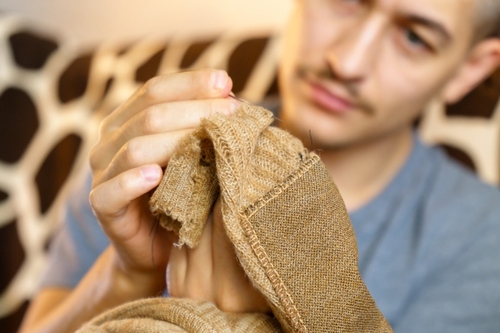
Your grandparents could fix a torn seam or missing button without thinking twice. Hand-mending was a normal part of owning clothes, not a niche hobby. Needles, thread, and basic stitches were taught early because store-bought replacements were expensive. This skill mattered because it stretched limited budgets and kept garments usable for years.
They knew specific stitches like the running stitch, backstitch, and darning for socks. Those techniques actually restore strength to fabric instead of just hiding damage. Today many people replace clothes at the first rip, which makes this feel old-fashioned. It’s included here because it combined thrift, patience, and practical problem-solving at home.
2. Home Canning and Preserving
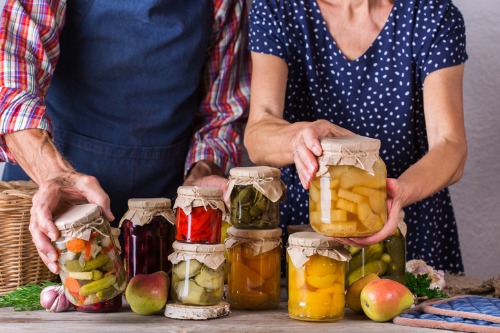
Canning fruits and vegetables at home was common when refrigeration was limited or unreliable. Grandparents spent long afternoons turning gardens into shelves of jars. The process used heat to safely seal food in glass jars for months. It mattered because it reduced waste and provided food security through winter.
They followed specific steps like sterilizing jars, adjusting for acidity, and listening for seals to pop. Those details weren’t optional because improper canning can spoil food. Many households passed these methods down verbally rather than from cookbooks. This skill earns its spot because it required precision, planning, and trust in your own hands.
3. Baking Bread From Scratch
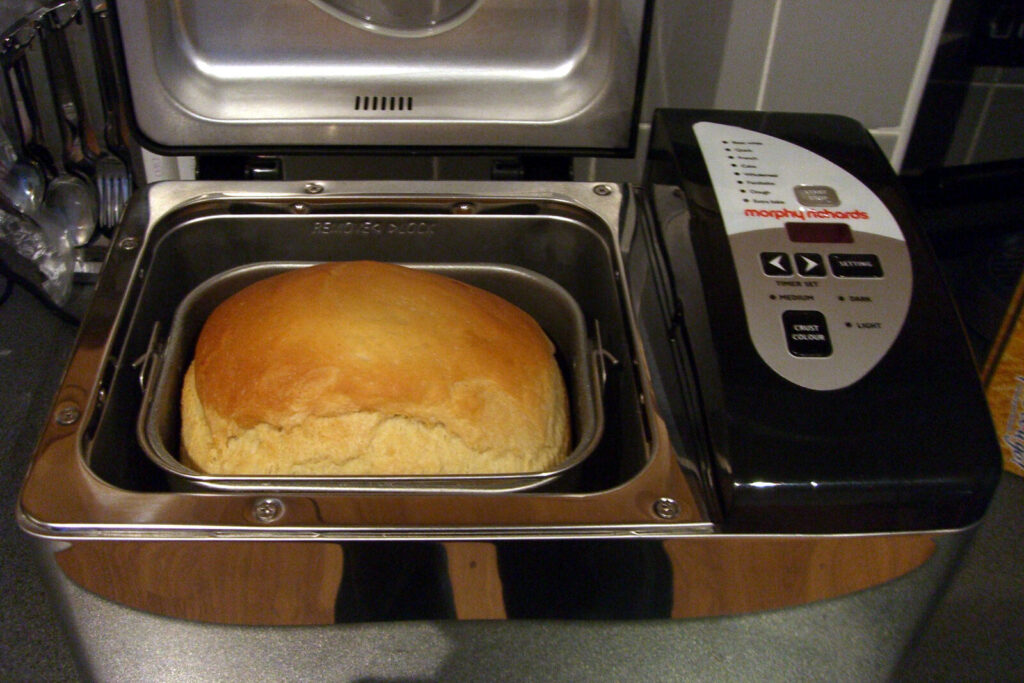
Making bread at home was routine when bakeries weren’t always nearby. Flour, yeast, water, and time were turned into daily staples. Grandparents understood dough by feel, not timers. This mattered because bread was a cheap, filling foundation of most meals.
They knew how humidity and temperature affected rising. Mistakes were adjusted with more kneading or longer proofing. Today bread machines and stores handle those variables for us. It’s included because it shows how food knowledge once lived squarely at home.
4. Basic Carpentry and Home Repair
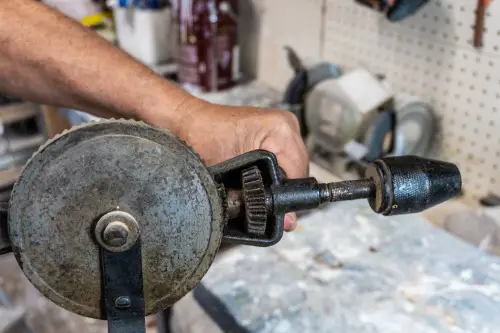
Many grandparents could fix a loose step, mend a fence, or patch a wall themselves. Calling a professional wasn’t always affordable or available. Homes were maintained with simple tools and practical know-how. This skill mattered because safety and shelter depended on it.
They understood how wood behaves, how to measure accurately, and how to use hand tools. Repairs focused on function rather than perfect appearance. Modern homes often rely on specialists for even small fixes. It belongs here because it reflects self-reliance learned inside the household.
5. Gardening With Seed Saving
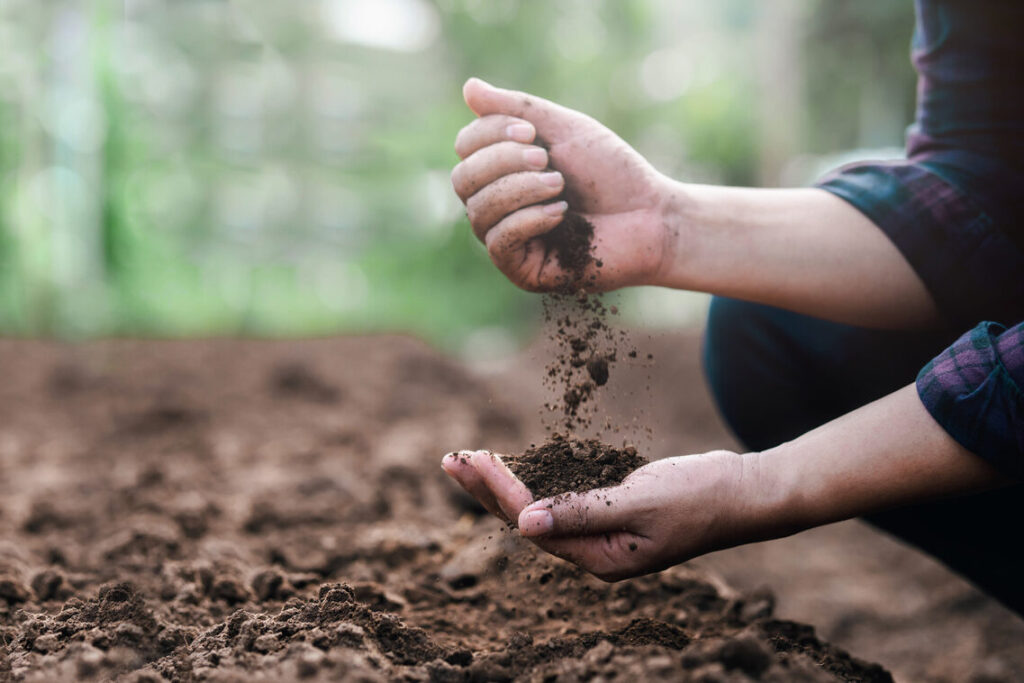
Home gardens once supplied a meaningful portion of daily food. Grandparents planned plots around seasons and local soil. They also saved seeds from healthy plants for the next year. This mattered because it reduced costs and ensured reliable crops.
Seed saving required knowing when plants were fully mature. It also meant drying and storing seeds properly. Those habits created continuity from one growing season to the next. This skill makes the list because it tied food, patience, and long-term thinking together at home.
6. Budgeting With Cash Envelopes

Many households tracked money with physical cash and envelopes. Each envelope represented groceries, rent, or emergencies. When the envelope was empty, spending stopped. This mattered because income was often tight and unpredictable.
The system forced awareness of every dollar. It also reduced debt by making limits visible. Digital banking has replaced this tactile approach. It’s included because it shows how financial discipline was practiced daily at home.
7. Writing Letters and Keeping Correspondence

Letter writing used to be a primary way to maintain relationships. Grandparents spent time composing thoughtful updates by hand. Mail traveled slowly, so messages were intentional. This mattered because communication required effort and clarity.
They kept addresses, stamps, and paper ready at home. Penmanship and tone were considered signs of respect. Today messages are quick and disposable. This skill belongs here because it reflects care and attention practiced in everyday life.
8. Knife and Tool Sharpening
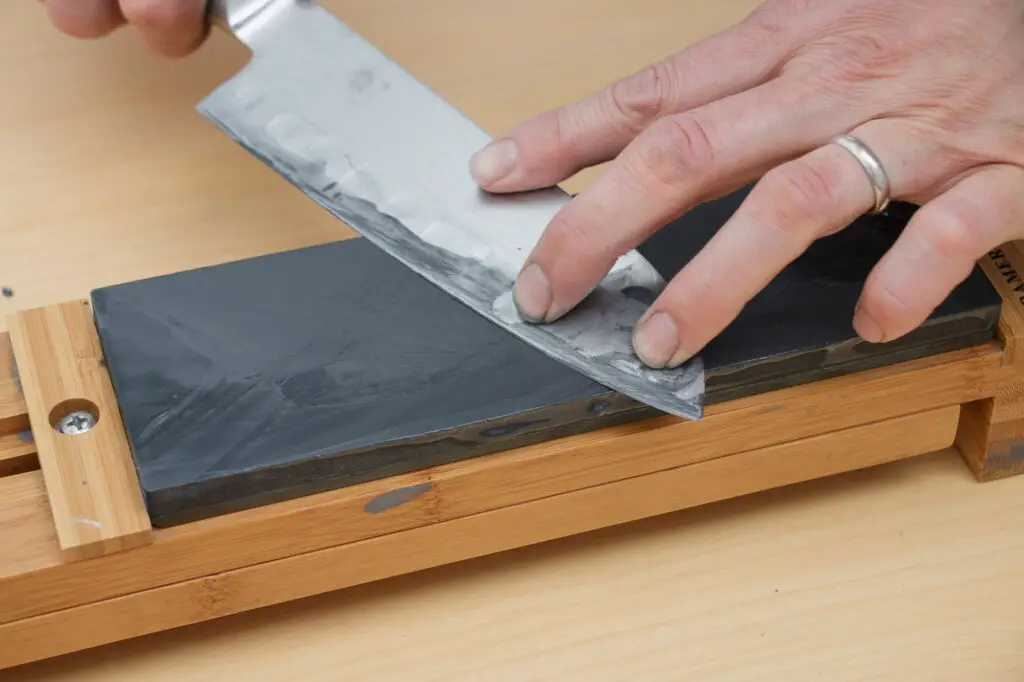
Sharp tools were essential in kitchens, gardens, and workshops. Grandparents often sharpened knives and tools themselves. They used stones, files, or simple guides. This mattered because dull tools were inefficient and dangerous.
Sharpening required understanding angles and pressure. It also extended the life of equipment. Today many people replace tools instead. It earns a place here because it combined maintenance and safety at home.
9. Basic First Aid at Home

Minor injuries were usually handled at home first. Grandparents knew how to clean cuts, apply bandages, and reduce swelling. Medical care was less accessible for small issues. This mattered because quick response prevented complications.
They kept simple supplies like antiseptic, cloths, and wraps on hand. Serious injuries still required doctors, but basics were understood. Today many people rely immediately on clinics. This skill is included because it reflects everyday responsibility for family wellbeing.
10. Planning Meals Around Seasons and Leftovers
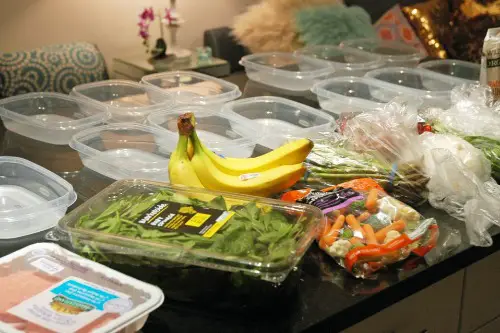
Meals were planned around what was available and affordable. Seasonal produce and leftovers shaped weekly menus. Nothing was wasted without reason. This mattered because food budgets were limited.
Leftovers were intentionally reused in soups, casseroles, or lunches. Seasonal eating also matched natural harvest cycles. Modern shopping allows year-round convenience. It’s on this list because it shows how strategy lived in everyday cooking.
11. Reading Weather Signs Without Apps

Before forecasts were instant, people paid attention to the sky. Grandparents noticed cloud types, wind shifts, and temperature changes. These observations guided chores and travel. This mattered because weather affected crops and safety.
They didn’t predict perfectly, but patterns were learned over time. Local knowledge often proved reliable. Today apps replace observation. This skill rounds out the list because it shows attentiveness practiced at home.
This post The Skills Your Grandparents Practiced At Home That You Probably Don’t was first published on Greenhouse Black.
