
1. Vintage Baseball Cards
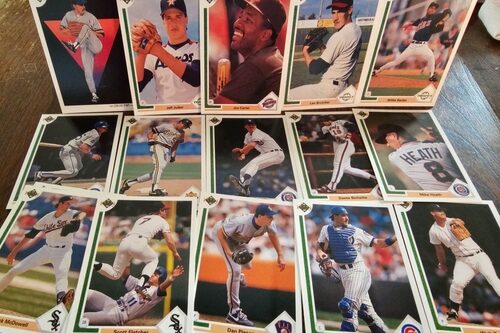
Sports cards were once considered disposable collectibles for kids. Many were bent, taped, or tossed during childhood cleanouts. Cards featuring legendary players from earlier eras became rare simply because so few survived intact. That scarcity turned childhood ephemera into serious collectibles.
Holding onto these cards required no special insight. It often came down to someone not wanting to throw them away. As sports history became more documented and celebrated, demand grew. Nostalgia plus hero worship is a strong economic force.
2. Early Comic Books Featuring Major Superheroes
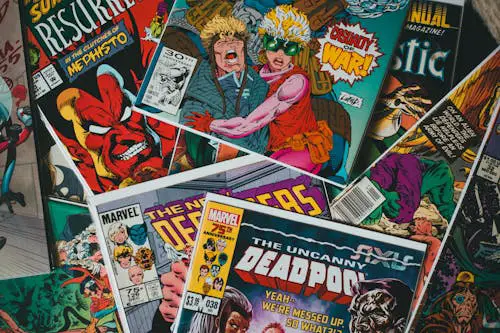
A lot of early comic books were printed cheaply and meant to be thrown away after reading. Kids folded them, traded them, or left them outside, which makes surviving copies rare. Issues introducing major superheroes became historically important as those characters grew into cultural icons. Anyone who simply kept a few comics in a box ended up holding onto something far bigger than entertainment.
What makes these valuable is the combination of age, scarcity, and cultural impact. The characters became global franchises across movies, TV, and merchandise. Collectors value originality, even when the condition isn’t perfect. Keeping something ordinary long enough turned it into pop-culture history.
3. First Editions of Hugely Popular Books
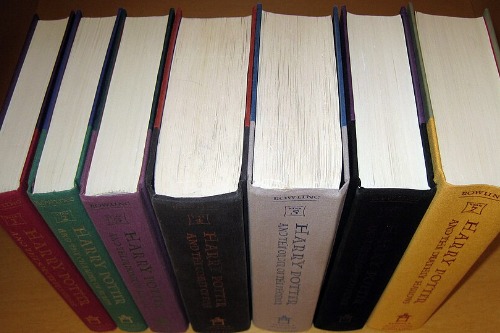
Many bestselling books started out as modest releases with small print runs. Readers bought them, enjoyed them, and usually passed them along or donated them later. The few people who kept early copies preserved a snapshot of a phenomenon before it exploded. Over time, those first editions became highly sought after.
The value comes from being there at the beginning. Once a book becomes a cultural landmark, early printings gain significance beyond the story itself. Readers who treated a book as a keepsake rather than clutter unknowingly made a smart call. Literary nostalgia can be surprisingly powerful.
4. Early Video Games That Were Never Opened
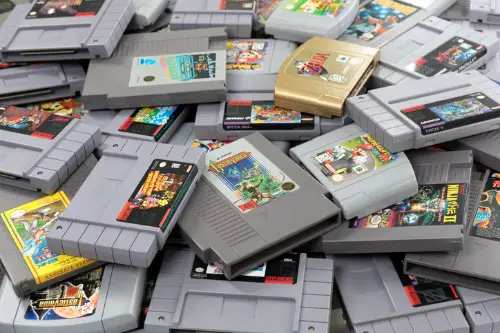
Most early video games were bought to be played immediately. Packaging was often torn apart and discarded without a second thought. Copies that stayed sealed avoided wear and tear entirely. As gaming became culturally significant, unopened originals became highly desirable.
People who kept these games usually didn’t mean to. They forgot about them or stored them during a console upgrade. Years later, collectors valued them as artifacts of gaming history. Sometimes inaction is the best strategy.
5. Early Personal Computers or Tech Prototypes
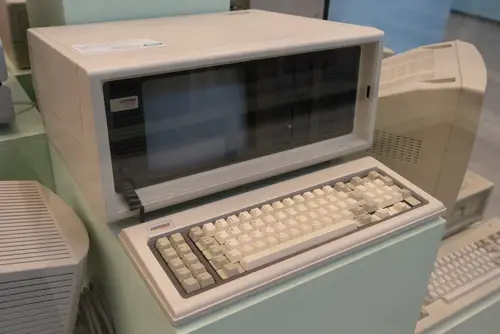
Early home computers weren’t sleek or user-friendly. Many were discarded once newer models came along. A small number survived in storage, garages, or basements. Those machines later became symbols of the tech revolution.
Their value comes from representing the starting point of something enormous. As technology reshaped the world, its earliest physical forms gained historical weight. Keeping old hardware once seemed pointless. In hindsight, it preserved innovation in physical form.
6. Vintage Mechanical Watches
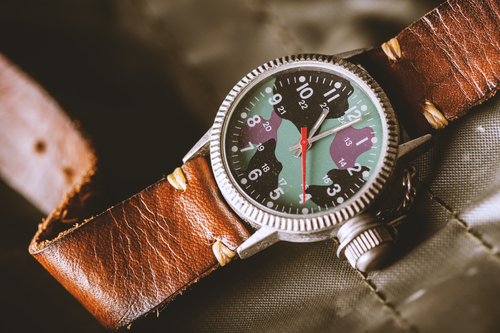
Mechanical watches used to be everyday tools. People wore them daily, repaired them frequently, and replaced parts as needed. Watches that were worn less or stored carefully retained their originality. Over time, craftsmanship and brand legacy drove collector interest.
The people who benefited weren’t necessarily collectors. They might have switched to a newer watch and kept the old one in a drawer. As appreciation for mechanical skill grew, so did values. What was once practical became prized.
7. High-End Handbags from Luxury Brands
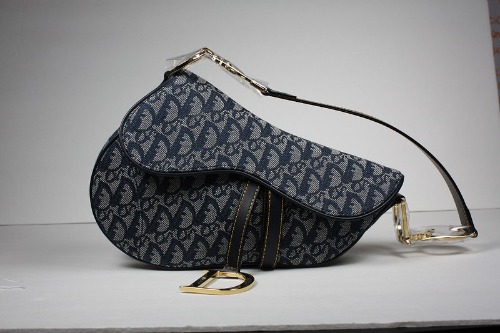
Luxury handbags were designed for use, not resale. Many were carried daily and show visible wear. Bags that were used sparingly or stored properly aged much better. Scarcity and brand prestige pushed prices upward.
The smart move was treating them gently. As demand grew and production remained limited, resale markets flourished. Some accessories crossed into investment territory. Fashion doesn’t always hold value, but some pieces do.
8. Rare Postage Stamps with Printing Errors
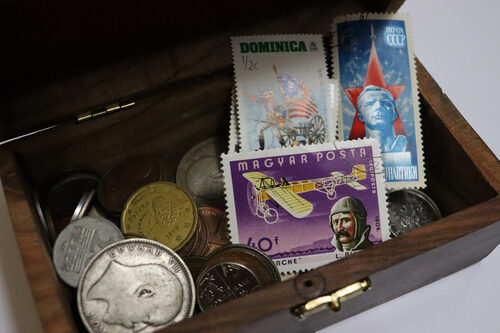
Stamp errors happened when printing technology failed in small but noticeable ways. Most stamps were used immediately for mail. A few people spotted oddities and saved them instead. Those errors later became legendary among collectors.
Their value lies in uniqueness and story. A mistake with documentation is especially compelling. People who trusted their instincts were rewarded. Tiny details sometimes matter a lot.
9. Unusual Coins That Entered Circulation
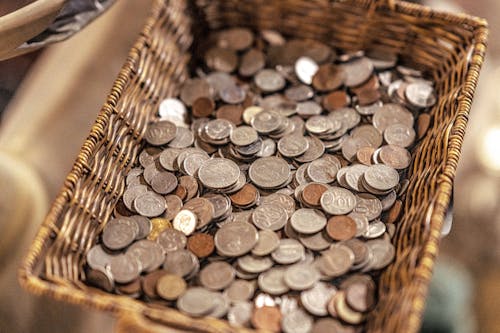
Some rare coins didn’t come from collectors’ sets but everyday change. Errors or unusual features went unnoticed by most people. A handful were kept because something looked off. Over time, collectors recognized their importance.
Keeping one didn’t require wealth or expertise. It required curiosity and patience. As information spread, demand increased. Loose change quietly became valuable.
10. Original Movie Toys from Blockbuster Franchises
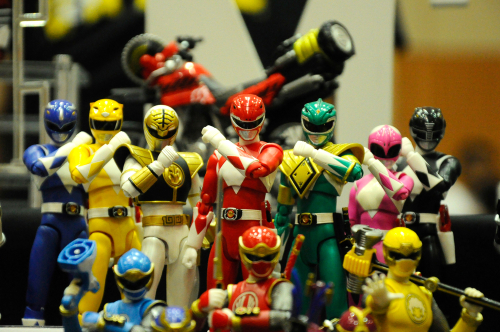
Movie toys were designed to be played with hard. Accessories were lost, parts broke, and packaging was thrown away. Complete or untouched toys became rare over time. Franchise longevity amplified their appeal.
Parents who saved toys in boxes made an accidental investment. The movies remained relevant across generations. Collectors began valuing authenticity and completeness. Playthings turned into memorabilia.
11. Early Athletic Shoes Linked to Famous Athletes
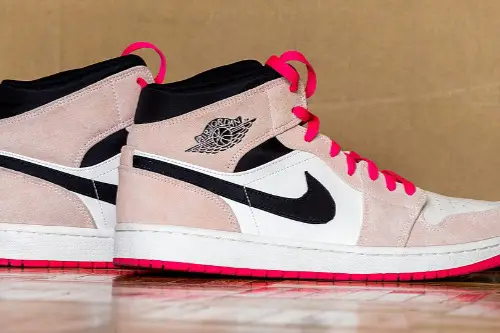
Performance shoes weren’t made to last decades. Most were worn until they fell apart. A few pairs were stored unworn or lightly used. As sneaker culture grew, early examples became highly desirable.
Their value comes from cultural influence as much as design. Famous athletes transformed products into symbols. Keeping shoes instead of wearing them felt impractical at the time. It later proved very smart.
12. Large Collectible Toy Sets Kept Sealed
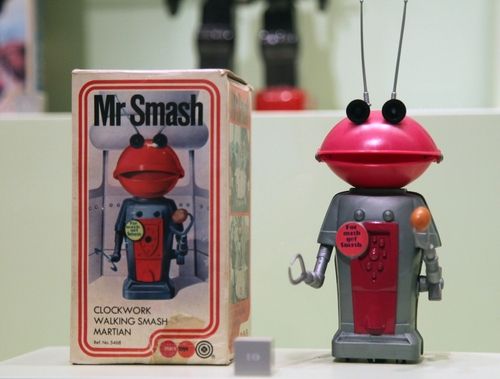
Some toy sets were expensive and took up a lot of space. Many buyers opened them immediately or discarded the packaging. Sealed sets became scarce after they were discontinued. Collectors later prioritized completeness.
People who kept them sealed often did so unintentionally. Storage space or procrastination played a role. As adult collecting became more common, demand surged. Sometimes not opening the box is the winning move.
This post The Stuff People Kept for Decades That Turned Out to Be a Brilliant Move was first published on Greenhouse Black.
