
1. Original boxes and packaging for electronics
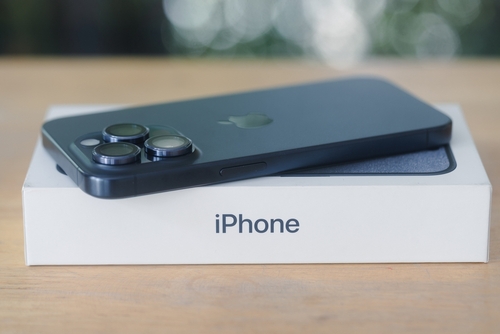
People often toss boxes to save closet space, assuming they’ll never need them again. Then it comes time to move, sell, or return the item, and the regret hits fast. Original packaging is designed to protect electronics better than generic boxes, especially for TVs, computers, and gaming consoles. It can also increase resale value because buyers trust items that still have their original packaging.
The reason this matters is practical, not sentimental. Many manufacturers require original packaging for warranty returns or safe shipping. Without it, people end up paying for expensive packing materials or risking damage. A flattened box tucked under a bed suddenly feels like a smart decision.
2. Old smartphones
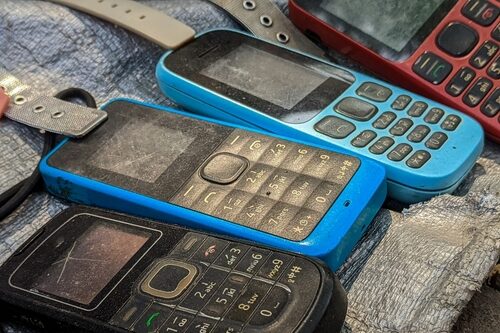
Old phones are easy to discard once an upgrade arrives. People assume they’re obsolete or worthless, especially if the screen is cracked. Later, they realize those devices hold photos, messages, or authentication apps they forgot to transfer. Some are also needed as backup devices during repairs or travel.
There’s also a financial reason people regret this. Older smartphones can still be traded in, sold, or recycled for credit, depending on the model. Even non-working phones can have value because of recoverable components. Tossing them removes options people didn’t realize they had.
3. Solid wood furniture
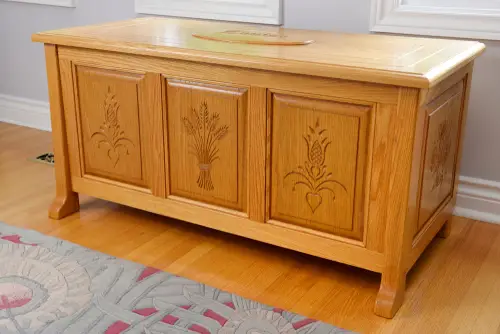
Heavy wooden furniture often gets dumped during moves or downsizing. At the time, it feels bulky, outdated, or not worth the effort to transport. Later, people realize that replacing it with comparable quality is extremely expensive. Many older pieces were made from solid wood rather than particleboard.
The regret usually sets in when new furniture starts wobbling or wearing out quickly. Solid wood can be refinished, repaired, and adapted to new spaces. It also tends to hold or increase its value over time. Getting rid of it often means paying more later for something worse.
4. Cast iron cookware

Cast iron pans are frequently donated because they’re heavy or look rusty. People assume they’re damaged or hard to maintain. In reality, rust is usually fixable and seasoning can be rebuilt with basic care. Once gone, people miss how evenly cast iron cooks and how durable it is.
There’s also a cost factor that surprises people. Quality cast iron lasts for generations and doesn’t need replacing like nonstick pans. Older pieces are often better made than newer budget versions. Rebuying cast iron later feels frustratingly unnecessary.
5. Vintage light fixtures
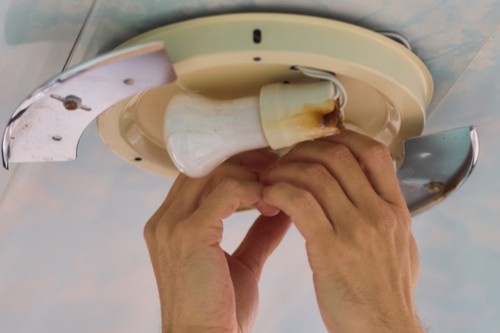
Old light fixtures often get replaced during renovations for something trendier. At the time, they can seem dated or out of place. Later, people realize those fixtures were well-made and uniquely styled. Finding similar quality today can be expensive or impossible.
The regret grows when people try to recreate character in their homes. Vintage fixtures are often made of solid metal or glass rather than plastic. They can be rewired safely and adapted to modern standards. Once they’re gone, the charm they added is hard to replace.
6. Tool sets and specialized tools
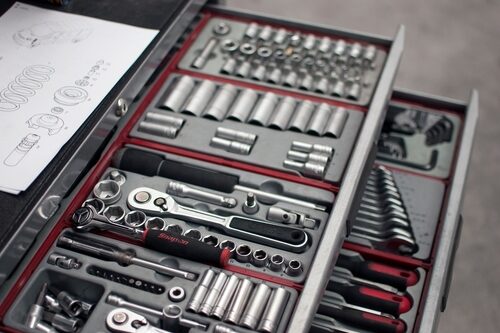
People frequently toss tools during cleanouts, especially if they haven’t been used recently. It feels logical to keep only what gets regular use. Then a small home repair comes up and there’s nothing on hand to fix it. Rebuying tools one by one adds up quickly.
The reason this regret is common is that tools are situational. You may not need a specific wrench or drill bit often, but when you do, you really do. Borrowing isn’t always an option when something breaks late or urgently. Keeping a basic set saves time, money, and stress.
7. Extra hardware from furniture and appliances
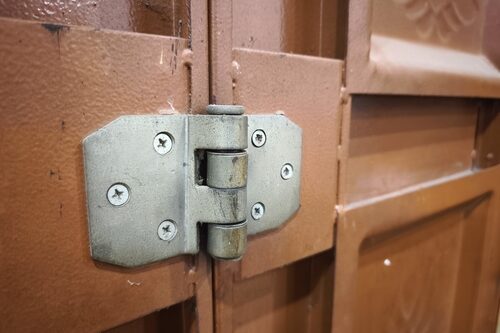
Loose screws, brackets, and mounting pieces often get thrown away as clutter. People assume they’ll never need those random parts again. Then furniture gets moved, reassembled, or sold, and something is missing. Finding replacement hardware can be surprisingly difficult.
This regret is especially common with flat-pack furniture. Manufacturers don’t always sell individual replacement parts. Even when they do, it takes time and effort to track them down. That small labeled bag suddenly seems worth keeping.
8. Area rugs
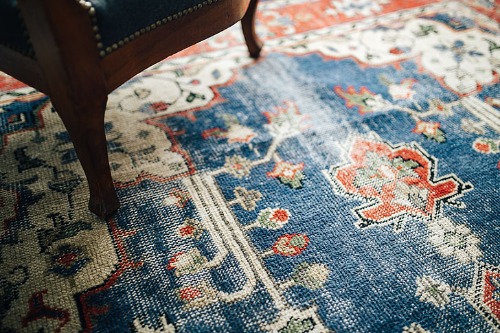
Area rugs are often discarded during redecorating or moving. People think they’re easy to replace later if needed. Then they move into a new space with hard floors and realize how much warmth and sound insulation a rug provides. Buying a quality rug again can be expensive.
There’s also a comfort factor people underestimate. Rugs make rooms feel finished and more livable. Older rugs are often thicker and better made than newer budget options. Once they’re gone, the house can feel colder and louder than expected.
9. Photo albums and printed photos

Printed photos are sometimes thrown out after being scanned or during downsizing. People trust digital backups to last forever. Later, files get lost, corrupted, or trapped on old devices. Physical photos suddenly feel irreplaceable.
The emotional regret here is strong but also practical. Printed photos don’t depend on passwords, cloud services, or changing technology. They’re immediately accessible and shareable. Once discarded, those exact originals can never be recreated.
10. Holiday decorations with personal history
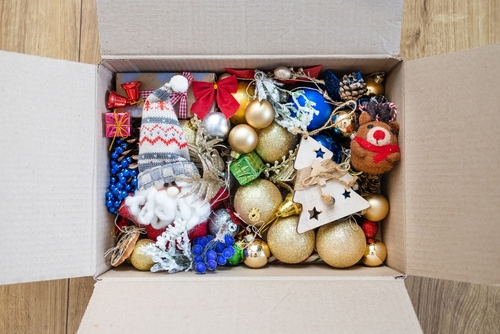
Old holiday decorations are easy to label as clutter. They may look worn or not match current decor. Later, people miss the traditions and memories attached to those items. Replacing them with new decorations doesn’t feel the same.
The regret usually appears during the holidays themselves. Decorations tied to childhood or family events carry emotional weight. They also tend to be sturdier than newer mass-produced items. Throwing them out removes a small but meaningful sense of continuity.
11. Bookshelves and storage furniture
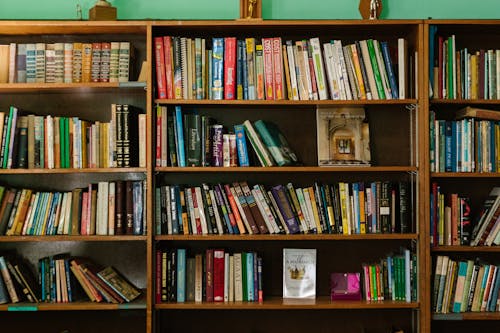
Shelving units are often discarded when people think they’re going digital or minimizing. At the time, fewer belongings make them seem unnecessary. Later, clutter slowly returns and there’s nowhere to put it. Replacing storage furniture costs more than expected.
The regret here is about flexibility. Bookshelves and cabinets adapt to many uses over time. They can hold books, kitchen items, office supplies, or decor. Once gone, people often realize they still needed the function, just in a different way.
This post The Stuff People Regret Getting Rid Of the Most was first published on Greenhouse Black.
